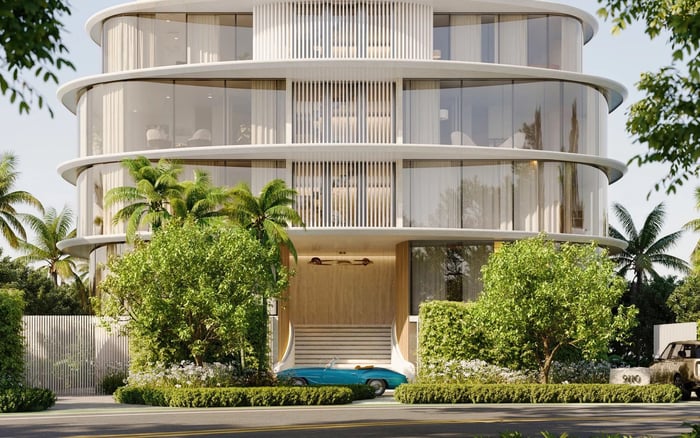
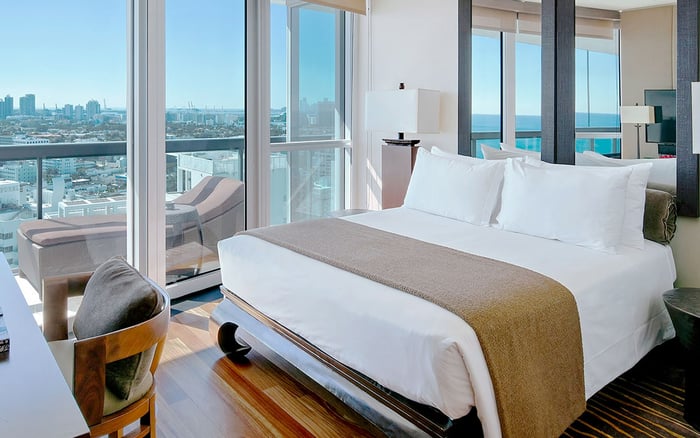
A buyer-focused look at west-facing water views in South Florida, where sunset drama, glare control, terrace usability, and interior comfort all deserve careful evaluation before purchase.
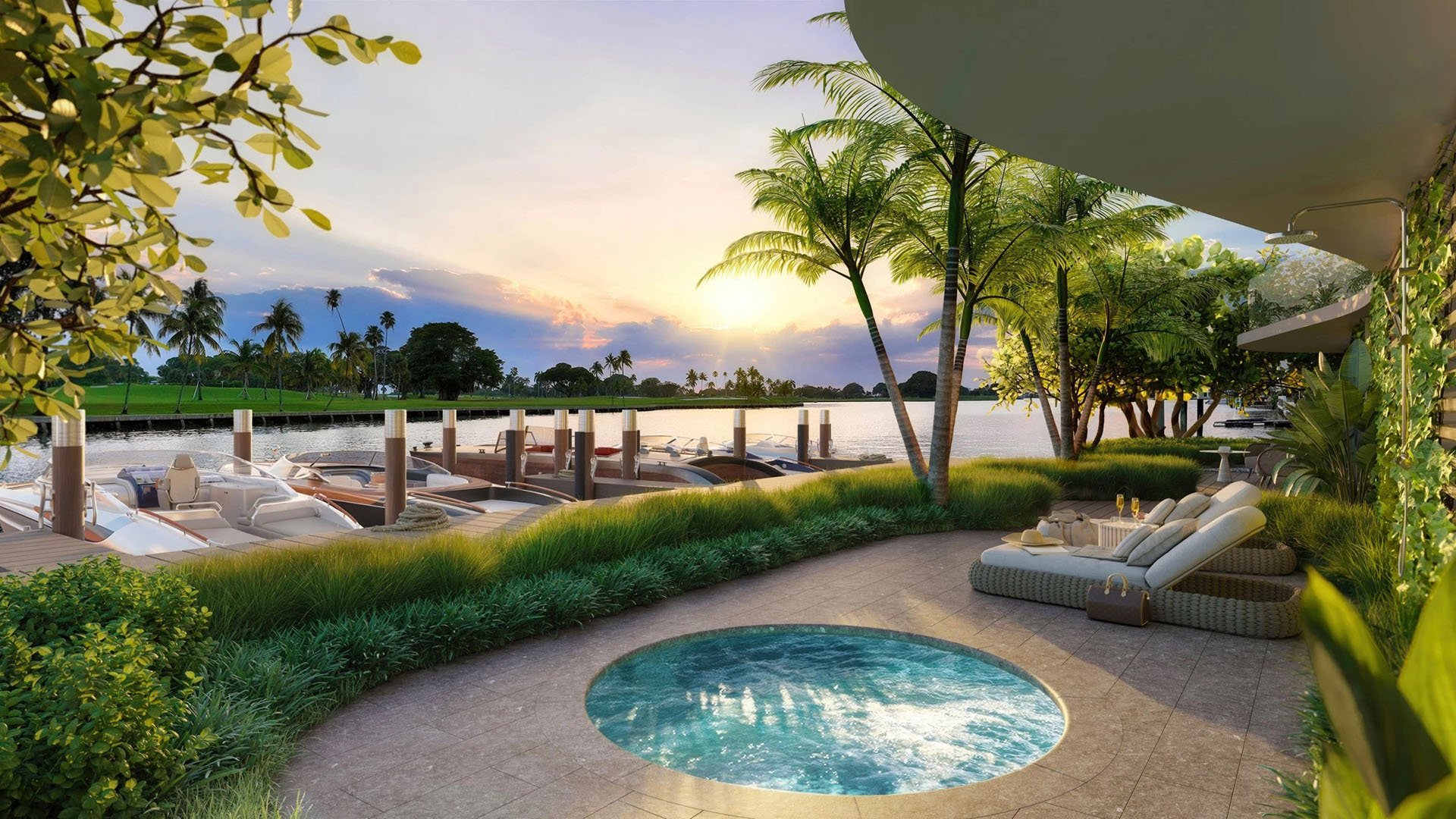
In South Florida, a west-facing water view can feel cinematic. Light stretches across the bay, the skyline turns reflective, and evening arrives with the force of a private performance. For many buyers, that sunset moment is emotionally persuasive. It is also incomplete.
The better test is not whether the view photographs beautifully. It is whether the residence stays comfortable when the sun is low, direct, and persistent. A home can have the right waterline, the right floor, and the right architectural pedigree, yet still demand too much of its owners in the late afternoon. The Sun-Glare Test is simple: visit at the hour you expect to use the living room, terrace, kitchen, primary suite, and dining area. Then ask whether the space invites you in or quietly pushes you away.
Waterview comfort is a luxury metric. It belongs beside ceiling height, private elevator access, service quality, parking, and floor-plan logic. In a climate built around indoor-outdoor living, the direction of the glass is not a technical footnote. It is part of the lifestyle contract.
Water intensifies light. A west-facing exposure does not merely receive sun from the sky. It can also receive reflection from the surface below, particularly when the angle is low and the view corridor is open. The result may be a space that dazzles at first glance, then becomes visually demanding over time.
This matters most in rooms with large uninterrupted glazing, pale stone floors, polished surfaces, and minimal overhangs. It also matters in open-plan residences where the kitchen, dining area, and salon share one broad western elevation. The same transparency that makes a residence feel expansive in the morning can become more complicated late in the day.
None of this makes west exposure undesirable. Quite the opposite. The most coveted residences often succeed because they choreograph western light with discipline. The distinction is between a view that has simply been captured and a view that has been mastered.
The first cost is visual fatigue. Glare can make a television wall difficult to use, turn a home office into a squinting exercise, or force shades down at precisely the hour when the view is most valuable. If the owner routinely closes the residence to tolerate the light, the view becomes more theoretical than lived.
The second cost is thermal comfort. Afternoon sun can change the feel of a room even when the air-conditioning system is capable. Buyers should pay attention not only to temperature, but also to the radiant sensation near glass, the comfort of seating zones, and whether certain corners of the residence feel avoided late in the day.
The third cost is terrace usability. A balcony may be visually spectacular and still be uncomfortable without shade, airflow, and appropriate depth. A terrace can be a true outdoor room when the architecture manages exposure, but a decorative ledge when the sun makes it impractical for daily rituals.
Finally, there is the furnishing cost. Art placement, upholstery choices, rug fading, window treatments, and lighting plans all become more consequential when a residence accepts strong western light. In ultra-prime homes, these are not afterthoughts. They are part of the acquisition plan.
Schedule the second showing late in the day. Morning tours flatter many residences because they reveal proportions without testing exposure. A west-facing waterfront home should be experienced when the sun is most relevant to the purchase decision.
Stand in every primary living zone without sunglasses. Sit where the sofa would go. Look toward the dining table, the island, the bed, and the desk. Open and close the shades, if installed. Step onto the terrace and remain there long enough to know whether it feels like a destination or a photograph.
Ask how the glazing, overhangs, balcony depth, and shade systems work together. If the home is still in planning or under construction, review the exposure in relation to the floor plan rather than relying on renderings alone. Renderings are often composed for atmosphere. Living is less forgiving.
In Brickell, for example, buyers evaluating glass-forward waterfront or skyline residences such as St. Regis® Residences Brickell should think beyond the postcard hour. The question is not only what the city and bay look like at sunset. It is how the residence performs when dinner, remote work, and entertaining all meet the same band of light.
Luxury buyers often speak about glass as if more is always better. In South Florida, better glass is better. Proportion, performance, tint, overhangs, and shade integration matter as much as the amount of window wall. A residence can feel generous without being overexposed.
Good planning creates layers. Exterior architectural shading is the first line. Terrace depth and balcony slabs can soften the angle of sun. Interior shades add flexibility, but they should not be the only solution. Lighting design also matters, because a bright western room can feel uneven if artificial lighting is treated as purely decorative.
The strongest interiors are not darkened to survive the sun. They are tuned. Materials are selected with reflectivity in mind. Seating groups are placed where people will actually want to sit. Art walls are protected. Dining areas are positioned so the sunset is a guest, not a spotlight.
Along the ocean, buyers comparing projects such as The Perigon Miami Beach or Bentley Residences Sunny Isles may focus first on horizon and beach orientation. Yet even in coastal settings, secondary exposures, corner conditions, and sunset-facing rooms deserve the same scrutiny as the primary view.
High-floor residences often command attention because they open sightlines and reduce visual interruption. But high floors do not automatically solve glare. In some cases, a more open horizon can mean a more direct relationship with late-day sun. The better question is how the unit’s height interacts with its orientation, neighboring buildings, balcony geometry, and view corridor.
Lower or mid-level residences may benefit from partial shading, nearby landscape, or architectural context. Higher residences may offer broader drama but require more intentional control. Neither condition is inherently superior. The correct choice depends on how the owner lives.
This is especially relevant for buyers who split time between multiple homes. A second-home owner who arrives for weekends may adore the sunset ritual. A year-round resident who works from home may care more about afternoon usability. A collector may prioritize light protection. A host may prize the golden hour for entertaining but still need the dining room to function without every shade lowered.
Not all western water is the same. Bayfront, riverfront, and Intracoastal settings each shape the experience of light differently through width, reflection, surrounding architecture, and angle of view. The important point is to avoid treating “west-facing” as a single condition.
In Bay Harbor Islands, a project such as Alana Bay Harbor Islands invites a different exposure conversation than a downtown tower or an oceanfront high-rise. The scale of the waterway, the relationship to neighboring buildings, and the rhythm of daily use can all influence whether west light feels intimate or intense.
In West Palm Beach, buyers considering waterfront-oriented living near the Intracoastal, including Alba West Palm Beach, should bring the same discipline to late-day touring. A beautiful western outlook can be a defining pleasure, but it should be tested as part of the home’s operating comfort.
The most resilient luxury residences tend to combine emotional appeal with practical ease. A west-facing water view has obvious emotional power. It can distinguish a home, create memorable entertaining moments, and give daily life a sense of occasion. But the buyer pool becomes more discerning when comfort issues are visible during a showing.
A residence that manages glare gracefully can feel rare. One that requires constant correction may invite negotiation, hesitation, or a narrower audience. Buyers should treat exposure analysis as value protection, not merely personal preference.
This is where advisory quality matters. The right conversation is not “east versus west” in the abstract. It is a detailed reading of the specific residence: glass line, floor height, terrace design, shade infrastructure, interior program, and the owner’s daily rhythm.
Before making an offer, return at sunset. Bring the decision-makers who will actually live in the home. Notice whether the most important rooms still feel calm. Confirm that privacy and shade can coexist. Ask whether the terrace will be used for coffee, cocktails, dining, or only viewing.
If a residence passes this test, the reward can be substantial in lifestyle terms. West-facing water is not a flaw to avoid. It is a feature to understand. When handled well, it offers one of South Florida’s great residential pleasures: the day ending over water from the privacy of home.
Are west-facing water views bad in South Florida? No. They can be extraordinary, but buyers should evaluate glare, heat sensation, shade, and terrace usability before assuming the view will be comfortable every day.
When should I tour a west-facing waterfront condo? Tour late in the afternoon or near sunset, because that is when the exposure is most likely to reveal how the residence truly lives.
Can window treatments solve glare by themselves? They can help, but the best homes combine glazing, overhangs, terrace depth, lighting design, and interior planning rather than relying only on shades.
Does a higher floor reduce west-facing glare? Not necessarily. High floors may expand the view, but they can also create a more direct relationship with late-day sun.
Should I worry about furniture and art? Yes. Strong sunlight can influence material selection, art placement, rug choices, and the need for thoughtful protection.
Is a west-facing balcony less usable? It depends on depth, shade, airflow, and the time of day you intend to use it. Test the outdoor space as carefully as the interior.
What makes a west-facing terrace successful? A successful terrace feels comfortable without constant adjustment and supports real use, from lounging to dining, during the hours that matter.
Are sunset views better for second-home buyers? They can be especially appealing for leisure use, but year-round owners and remote workers may place greater weight on afternoon comfort.
Can a west-facing view help resale? Yes, if the residence pairs visual drama with livability. Buyers respond best when the view does not require daily compromise.
What is the most important question before buying? Ask whether you would keep the shades open and actually use the main rooms during the late afternoon.
For a tailored shortlist and next-step guidance, connect with MILLION.
If branded residences are on your mind — as a home or as an allocation — we would be glad to share what we are seeing, privately.
Begin a quiet conversation