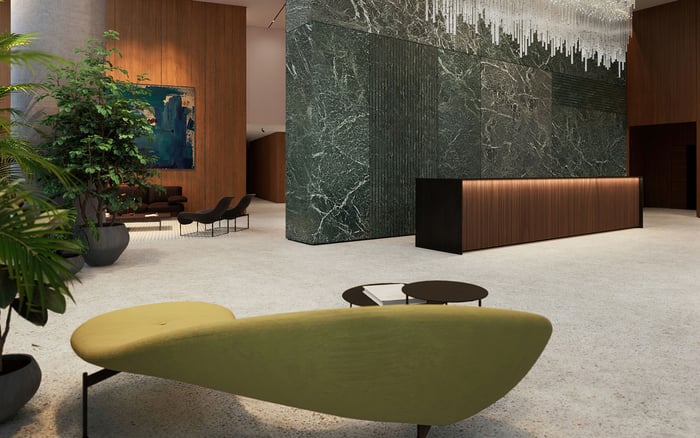
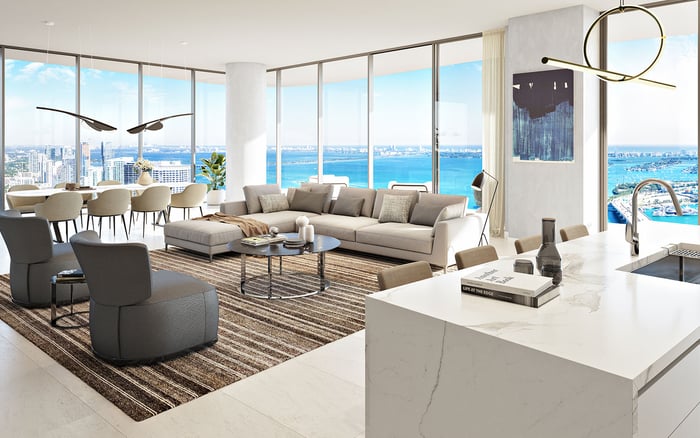
A buyer-focused comparison of Casa Bella by B&B Italia Downtown Miami and 888 Brickell by Dolce & Gabbana, framed through interior-design heritage, fashion-house drama, urban context, and long-term lifestyle fit.
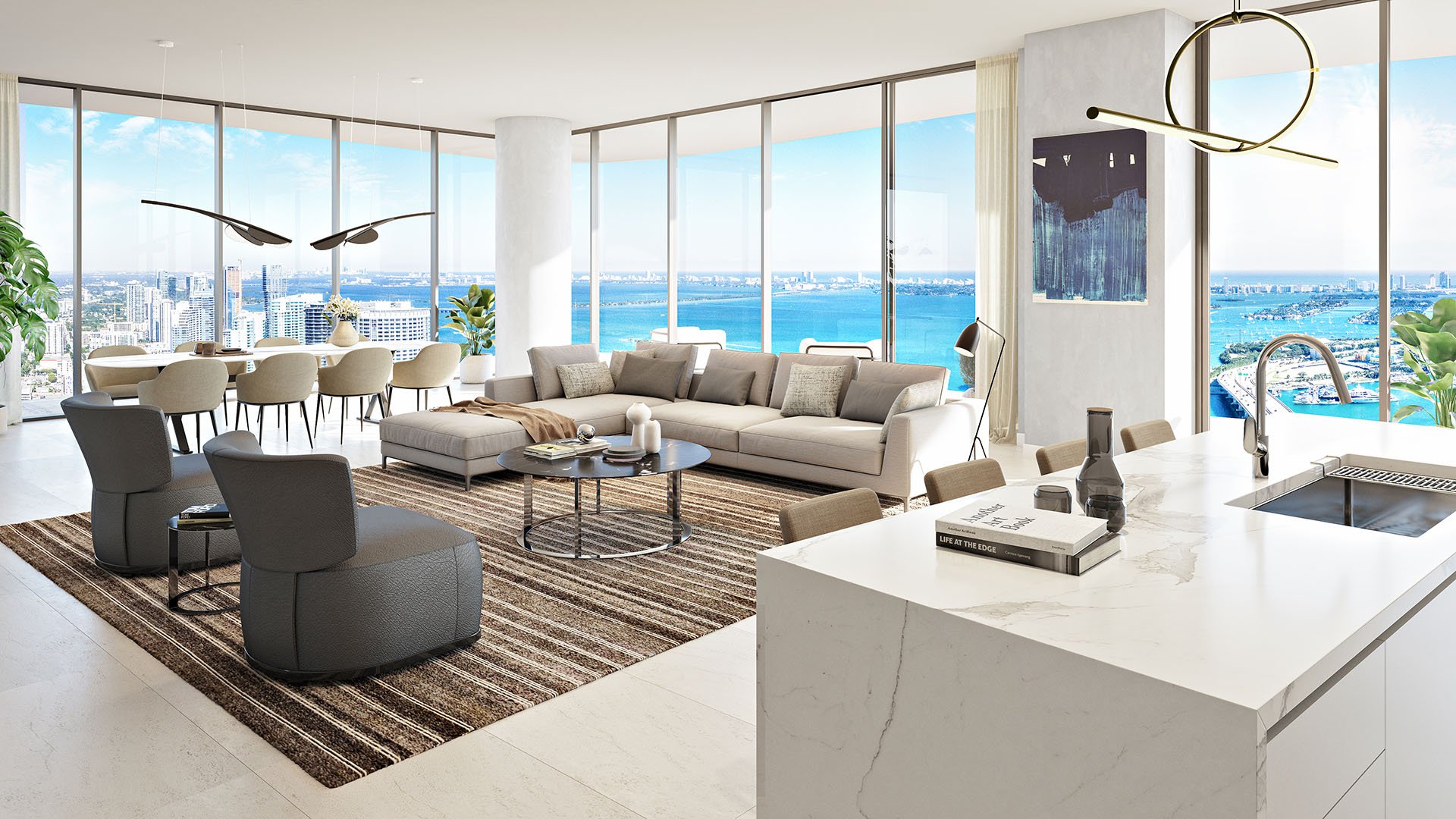
In Miami’s current luxury condominium conversation, branded residences are no longer simply about a famous name on the porte cochère. They are about what that name contributes to daily life. That is why the comparison between Casa Bella by B&B Italia Downtown Miami and 888 Brickell by Dolce & Gabbana is so revealing.
Both are Italian-branded, high-visibility urban residences. Both speak to buyers who want architecture, interiors, identity, and address to work in concert. Yet their emotional centers are distinctly different. Casa Bella is best understood through interior-design legacy, furniture expertise, and a modern Italian vocabulary shaped around how people actually live. 888 Brickell by Dolce & Gabbana is better understood as fashion translated into residential theater, where recognizability, drama, and lifestyle performance are central to the proposition.
For the South Florida buyer, the question is not only Downtown versus Brickell. It is whether the residence should feel like a refined design object that recedes elegantly into daily life, or a more conspicuous expression of brand, glamour, and social presence.
Casa Bella’s strongest argument is that B&B Italia is directly connected to interiors, furniture, and the discipline of spatial living. That gives the brand relationship a particular credibility. The name is not merely decorative. It is rooted in the world of rooms, proportions, materiality, seating, function, and the quiet intelligence of modern Italian design.
For buyers who collect design in the same way others collect watches or contemporary art, Casa Bella reads as the more natural extension of a design-house ethos. Its appeal is not built on spectacle first. It is built on restraint, livability, and the confidence that comes from a brand whose core language is already domestic. The result is a residence positioned around timelessness rather than trend.
That matters in a city where luxury often competes for attention. Casa Bella offers a counterpoint: a more minimalist, function-led vision that can feel especially persuasive to buyers who prefer rooms that age with grace. The aesthetic argument is less about being photographed and more about being lived in. It aligns with an ultra-modern buyer who values clean lines, careful editing, and a sense of calm that does not depend on constant visual intensity.
In that sense, Casa Bella by B&B Italia Downtown Miami is not simply a branded address. It is a statement that the most meaningful form of luxury may be the one that understands how a chair, a wall, a sightline, and a ritual of everyday living should relate to one another.
If Casa Bella makes its case through interior discipline, 888 Brickell makes its case through fashion energy. Dolce & Gabbana brings a different kind of cultural capital to residential real estate. Its identity comes from luxury fashion, visual drama, and a highly recognizable image language. The residential proposition is therefore more theatrical by nature.
For certain buyers, that is precisely the attraction. 888 Brickell by Dolce & Gabbana is positioned as a brand-immersion concept, where the cachet of a global fashion house becomes part of the ownership experience. The draw is not only the residence or the skyline. It is the feeling of entering a world with a distinct aesthetic charge.
This is the more maximalist and performative side of branded living. It speaks to buyers who want their residence to communicate. The appeal is tied to statement living, social energy, recognizability, and the emotional pull of a name with international luxury resonance. For an owner who sees real estate as part home, part personal signature, that kind of visibility can be compelling.
Brickell reinforces the message. The neighborhood’s identity is tied to finance, nightlife, high-rise glamour, and luxury-brand visibility. In that setting, fashion-driven drama does not feel out of place. It feels aligned with the pace and polish of the district.
The Downtown context gives Casa Bella a different emotional register. Downtown Miami supports a city-center lifestyle with cultural-district access and an evolving urban rhythm. It can feel slightly more connected to Miami’s civic, arts, and skyline identity than to the pure financial energy associated with Brickell.
That distinction is important. A buyer considering Waldorf Astoria Residences Downtown Miami or Casa Bella may be responding to Downtown’s broader sense of vertical city living, where branded luxury intersects with culture and the central business core. The mood is cosmopolitan, but not identical to Brickell’s sharper corporate intensity.
Brickell, by contrast, is Miami’s most concentrated high-rise luxury corridor. It is dense, international, socially active, and highly legible to buyers who want the energy of a financial district with a polished residential edge. Projects such as Baccarat Residences Brickell reinforce the neighborhood’s appetite for recognizable brands and elevated urban living.
For new-construction buyers, the difference between Downtown and Brickell is less about which district is superior and more about which rhythm feels natural. Downtown may suit the design collector who wants city access with a more culturally layered mood. Brickell may suit the buyer who wants a luxury residence embedded in Miami’s most visibly international business and social environment.
The long-term question is not whether fashion or furniture is more luxurious. Both can be powerful. The better question is which brand logic feels more durable inside a home.
Casa Bella benefits from the fact that B&B Italia’s core business is interiors and furniture. The brand’s expertise translates directly into the residential sphere because the home is already its natural territory. The association feels functional, not forced. For buyers who prioritize daily comfort, design credibility, and a quieter expression of status, that alignment is meaningful.
888 Brickell benefits from a different type of durability: the enduring magnetism of fashion identity. Dolce & Gabbana is not being evaluated here as a furniture house, but as a cultural symbol. Its strength lies in image, emotion, and the ability to create a lifestyle atmosphere. For buyers who want a residence with instant recognition and a sense of occasion, that can be just as persuasive.
The contrast becomes especially clear when viewed against other Brickell addresses. A buyer comparing The Residences at 1428 Brickell may be weighing architecture, lifestyle positioning, and neighborhood energy through a different lens. With 888 Brickell, the brand itself is a central part of the emotional transaction.
Casa Bella’s likely buyer profile is the design collector: someone drawn to modern Italian interiors, restraint, proportion, and livability. This buyer may appreciate discretion over display. The residence is expected to feel composed, sophisticated, and comfortable over many years, not merely impressive on first arrival.
888 Brickell’s likely buyer is more drawn to the performance of luxury. That does not mean superficiality. It means the buyer values the social and emotional power of a globally known fashion label. The residence becomes part of a broader lifestyle identity, one that embraces glamour, recognition, and a more public sense of style.
Neither approach is inherently better. The difference is temperament. Casa Bella whispers in the language of design credibility. 888 Brickell speaks more vividly in the language of fashion and urban theater. One favors the discipline of living well. The other favors the pleasure of being seen living well.
For buyers choosing between these two projects, the most useful framework is simple: Casa Bella is the stronger expression of interior-design authenticity, while 888 Brickell is the stronger expression of fashion-driven residential branding.
If the priority is timelessness, restraint, and a brand whose heritage is inseparable from furniture and interiors, Casa Bella has the cleaner logic. If the priority is statement living, social energy, and the symbolic charge of a globally known fashion house, 888 Brickell carries the more dramatic appeal.
Miami has room for both. The more sophisticated decision is knowing which form of luxury will still feel personal once the brand impression fades and daily life begins.
Is Casa Bella more design-focused than 888 Brickell? Yes. Casa Bella is positioned around B&B Italia’s interior and furniture heritage, making its design connection more directly tied to residential living.
Is 888 Brickell more fashion-oriented? Yes. 888 Brickell is associated with Dolce & Gabbana and is best understood as a fashion-led branded residence with strong visual drama.
Which project feels more minimalist? Casa Bella is framed as the more minimalist and function-led option, with a modern Italian design vocabulary.
Which project feels more theatrical? 888 Brickell is the more maximalist and theatrical choice, aligned with Dolce & Gabbana’s fashion-forward identity.
Is the comparison only about location? No. The deeper comparison is interiors-led legacy versus fashion-led spectacle, with Downtown and Brickell reinforcing different moods.
Who is the ideal Casa Bella buyer? Casa Bella may appeal to buyers who value timelessness, restraint, livability, and credible interior-design heritage.
Who is the ideal 888 Brickell buyer? 888 Brickell may appeal to buyers seeking recognizability, social energy, and a more conspicuous branded-luxury statement.
Does Downtown change Casa Bella’s appeal? Yes. Downtown adds a city-center and cultural-district context that differs from Brickell’s financial-district energy.
Does Brickell support the Dolce & Gabbana concept? Yes. Brickell’s high-rise glamour, finance identity, nightlife, and brand visibility support the project’s dramatic positioning.
Which project is better for long-term design restraint? Casa Bella is the clearer choice for buyers prioritizing interior-design legacy, restraint, and modern Italian livability.
For a discreet conversation and a curated building-by-building shortlist, connect with MILLION.
If branded residences are on your mind — as a home or as an allocation — we would be glad to share what we are seeing, privately.
Begin a quiet conversation