A discreet guide to evaluating privacy-forward ownership in South Florida, from access and governance to lifestyle fit, service, and long-term control.
In South Florida luxury real estate, privacy is often described in visible terms: a guarded entrance, a walled garden, a private elevator, a deep setback, or a marina slip tucked away from public view. Yet the more important question is less architectural than structural. What ownership environment gives a household the right balance of control, access, service, and social distance?
That question has become central for buyers who want the region’s light, water, culture, and tax-friendly lifestyle without surrendering the quiet rituals that make a home feel truly private. A privacy-forward neighborhood is not simply a place where outsiders cannot enter easily. It is a setting where daily life can unfold with fewer interruptions, clearer boundaries, and a more predictable standard of care.
The distinction matters. A secluded single-family setting, a highly serviced condominium, a private island environment, and a boutique waterfront enclave can all deliver privacy, but each does so differently. The right choice depends on how a buyer lives, entertains, travels, staffs a home, and thinks about long-term ownership.
Privacy in South Florida has a distinctive geography. Water, bridges, tree canopy, low-density streets, and building orientation can all shape the feeling of separation. But the lived experience of privacy often comes from subtler factors: how guests arrive, how deliveries are handled, how service providers are scheduled, how neighbors circulate, and how many people share the same amenities.
For some buyers, privacy means acreage-like calm and control over the full residential envelope. For others, it means locking a residence, traveling for weeks, and returning to a fully serviced environment without managing every operational detail. A third group wants a hybrid: residential intimacy, hotel-level convenience, and enough social infrastructure to feel connected without feeling exposed.
This is why search shorthand can be misleading. Terms such as Gated-community, Exclusive-area, Fisher-island, Bal-harbour, Surfside, and Coconut-grove may point toward privacy, but they do not answer the ownership question on their own. The deeper issue is whether the property’s design, governance, and service culture protect the owner’s preferred rhythm.
The first model is the estate-style home. It offers the most direct control over the premises, from landscaping and security to arrival sequences and entertaining. The tradeoff is responsibility. Even the most polished single-family residence requires management, staffing, vendor oversight, and ongoing maintenance. For buyers with established household teams, that control can be the point. For others, it can become an obligation.
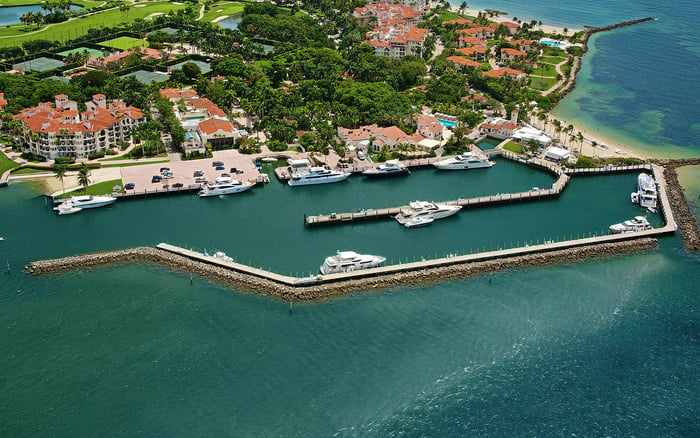
The second model is the controlled-access enclave. This may include guarded streets, island-like settings, or waterfront neighborhoods where circulation is naturally limited. The appeal is neighborhood-level privacy, not merely property-level privacy. Owners gain a sense of separation before they reach the front door. The key diligence question is how that access is managed in practice, especially for guests, staff, contractors, events, and peak-season traffic.
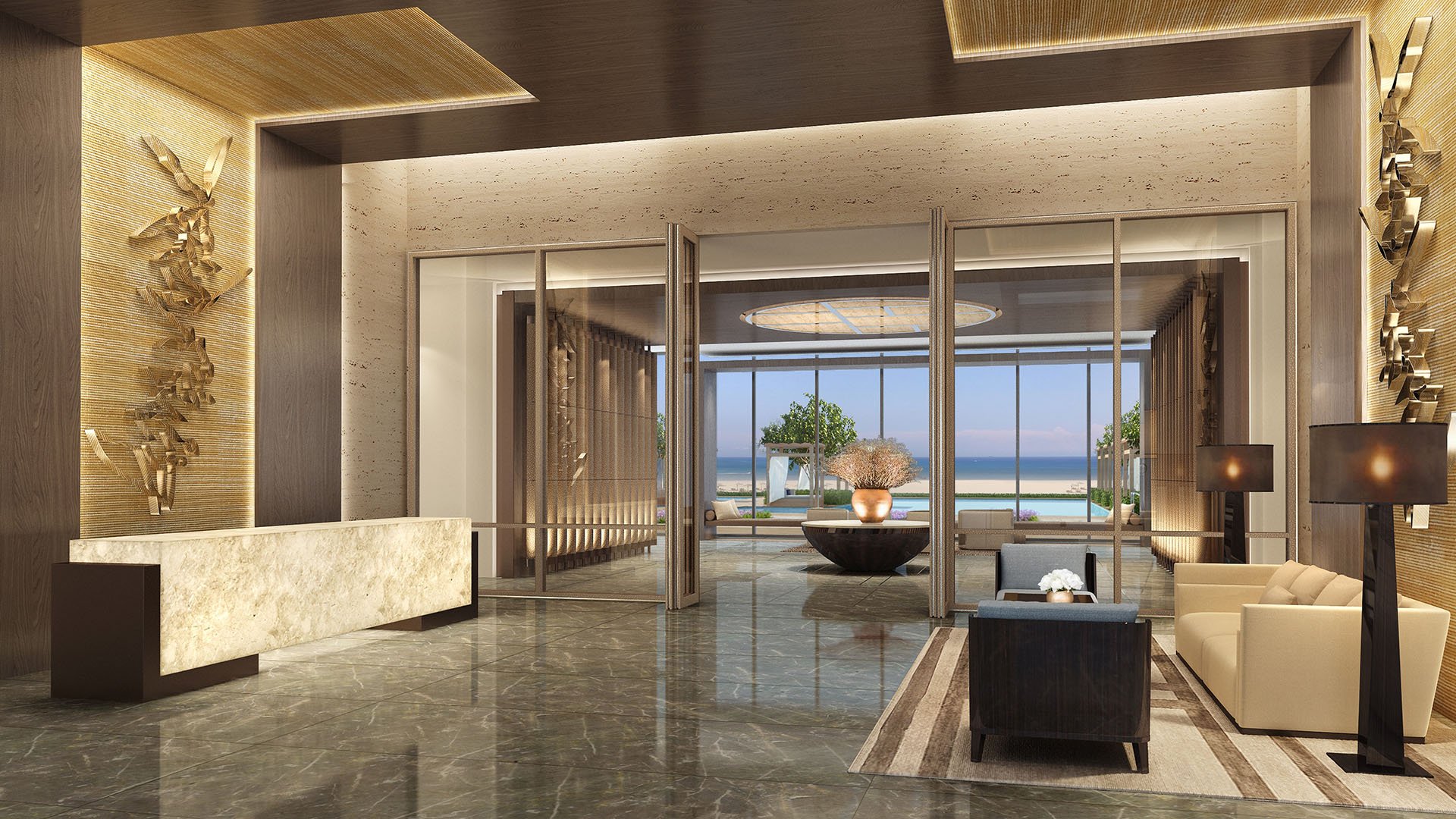
The third model is the private residential building. Here, discretion is created through staffing, elevators, amenity programming, valet protocol, residence count, and the separation of owner, guest, and service pathways. The best examples feel calm not because they are empty, but because movement is choreographed. The tradeoff is shared governance. Buyers must be comfortable with association rules, building culture, and the long-term priorities of other owners.
In privacy-forward ownership, governance is not a secondary matter. It is one of the luxury features. Rules determine what can be built, how renovations proceed, how amenities are used, how rentals are controlled, how events are handled, and how disputes are resolved. A beautiful property can lose its sense of sanctuary if governance does not match owner expectations.
This is particularly important for buyers moving from a large metropolitan market where privacy is achieved through vertical separation, doormen, private clubs, and appointment-only access. South Florida can offer a more open, outdoor way of living, but that openness needs structure. The most satisfying ownership environments make boundaries feel effortless rather than defensive.
A buyer should look closely at the character of the community or building. Is it quiet or social? Seasonal or year-round? Family-oriented, service-oriented, or entertainment-oriented? Does it tolerate frequent turnover, or does it prize continuity? These questions may sound soft, but they influence the daily experience as much as floor plan, frontage, or finishes.
Privacy also has an operational side. The more discreet a property feels, the more important logistics become. Owners should think through how drivers arrive, where security waits, how household staff enter, whether deliveries are visible, how marine or beach access is managed, and how emergency needs are handled without disrupting the household.
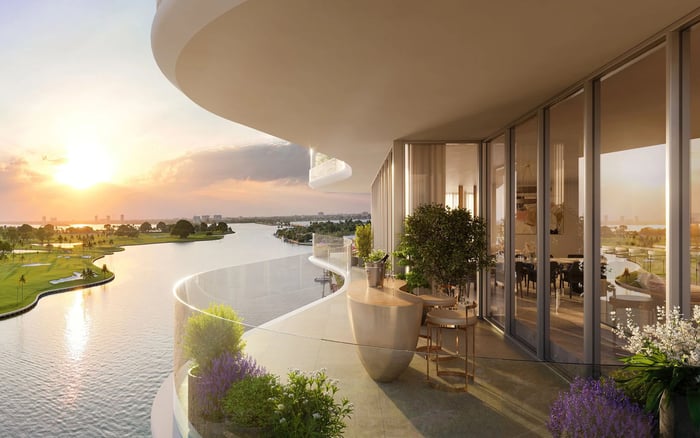
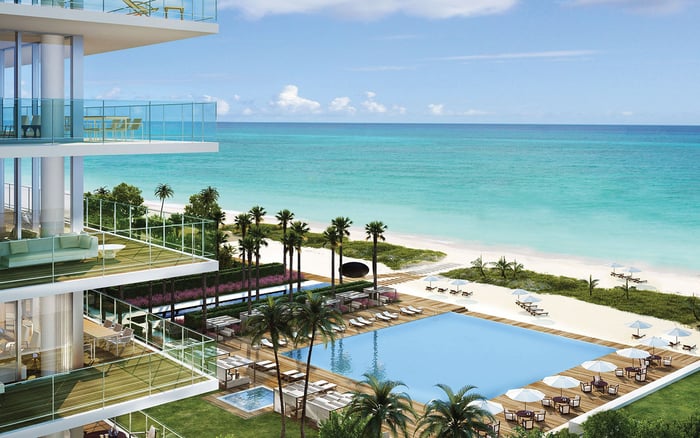
In a condominium, privacy can be strengthened by private elevator foyers, limited residence counts, controlled amenity access, and attentive staff. In a house, it may come from layered landscaping, thoughtful lighting, a protected motor court, and carefully planned service entries. In a waterfront setting, it may depend on the relationship between outdoor living areas and sightlines from neighboring properties or passing boats.
There is also a financial dimension. Privacy-forward properties can require higher carrying costs, whether through staffing, maintenance, association fees, security, insurance, or specialized systems. For the right buyer, those costs are not merely expenses. They are the price of continuity, convenience, and reduced friction. The mistake is to assess privacy only at acquisition, rather than as an ongoing standard that must be funded and managed.
The strongest purchase decisions begin with a personal inventory. How often will the home be used? Will it host extended family, formal entertaining, or quiet weekends? Does the owner want to be known in the neighborhood, or remain largely invisible? Is boating, beach access, school proximity, dining, aviation access, or cultural life the greater priority?
From there, the choice becomes clearer. A buyer who values total control may lean toward a single-family residence with a robust management plan. A buyer who travels frequently may prefer a lock-and-leave building with refined service. A buyer who wants both community and separation may look for a low-density enclave with disciplined access and a culture of discretion.
The essential point is that privacy is not a single amenity. It is a complete ownership ecosystem. In South Florida, the best private addresses do not simply shield owners from view. They create a daily life that feels composed, well managed, and quietly self-assured.
What is a privacy-forward neighborhood? It is a residential setting designed or governed to reduce unwanted exposure while supporting a calm, controlled daily lifestyle.
Is a gated entrance enough to ensure privacy? No. True privacy also depends on layout, staffing, service access, density, governance, and how residents and guests circulate.
Do single-family homes offer more privacy than condominiums? They can offer more direct control, but they also require more operational management. A well-run private building may feel more discreet for frequent travelers.
Why does governance matter in a private community? Governance shapes noise, renovations, rentals, events, security standards, and the long-term character of the address.
What should buyers ask before choosing a private enclave? They should ask how access is controlled, how service providers are managed, and whether the community culture matches their lifestyle.
Can waterfront living reduce privacy? It can, if outdoor areas are exposed to neighboring sightlines or passing activity. Orientation and landscaping are essential considerations.
Is low density always better for privacy? Low density helps, but it is not the only factor. Staffing quality, circulation design, and resident behavior can be just as important.
How should seasonal owners think about privacy? They should prioritize security, maintenance, staff coordination, and a residence that remains well managed while they are away.
Does privacy affect resale value? Privacy can support desirability when paired with strong location, thoughtful design, and a durable ownership structure.
What is the best way to shortlist comparable options for touring? Start with location fit, delivery status, and daily lifestyle priorities, then compare stacks and elevations to validate views and privacy.
For a discreet conversation and a curated building-by-building shortlist, connect with MILLION.
If branded residences are on your mind — as a home or as an allocation — we would be glad to share what we are seeing, privately.
Begin a quiet conversation