A discreet buyer’s guide to evaluating garage security at The Ritz-Carlton Resididences® West Palm Beach, with practical questions on access, staffing, surveillance, insurance, resilience, and seasonal use.
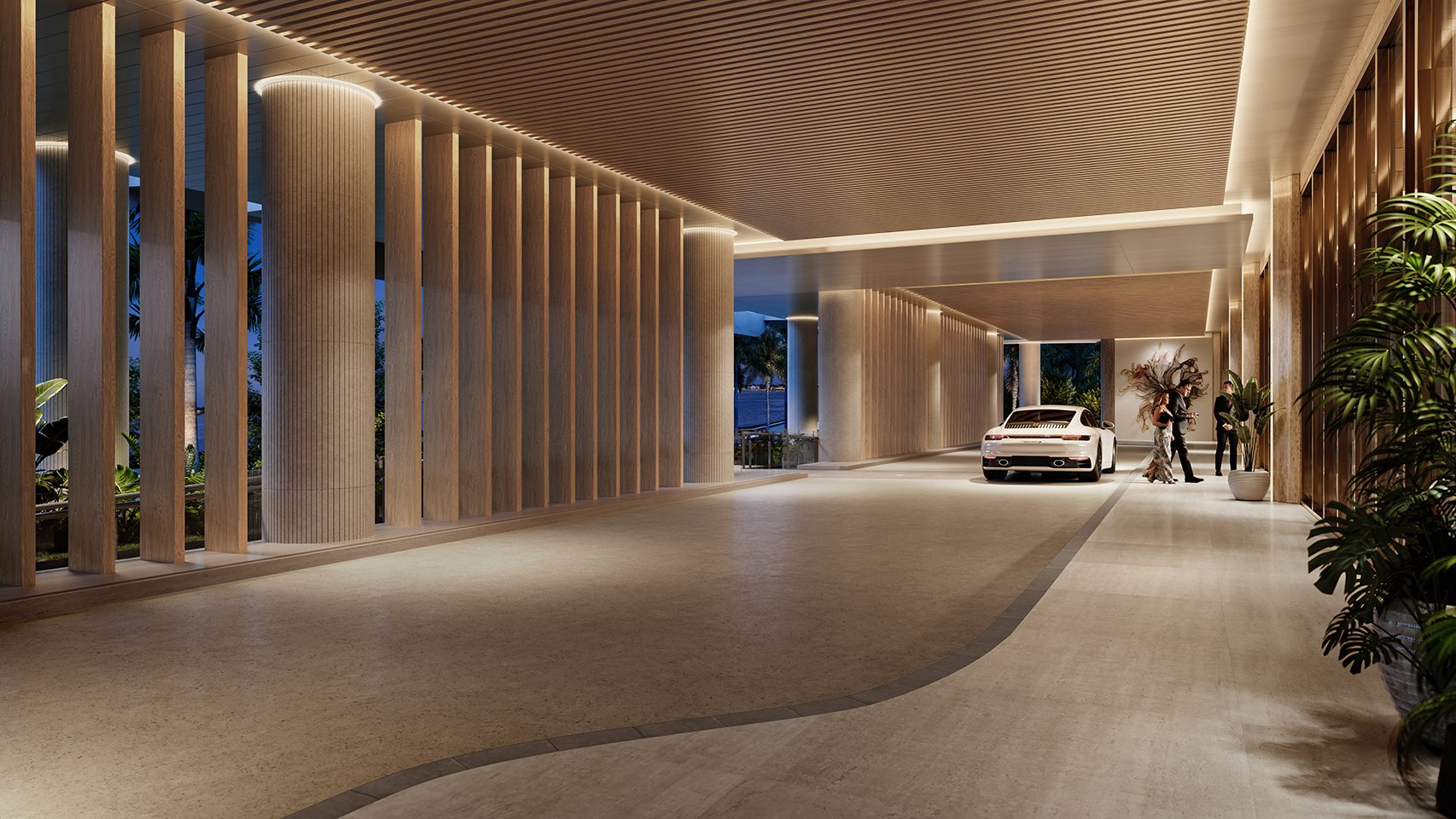
At The Ritz-Carlton Residences® West Palm Beach, garage security should not be treated as a minor operational footnote. For buyers evaluating an ultra-premium residence, the garage is one of the building’s most consequential thresholds. It is where vehicles, residents, guests, valet staff, vendors, contractors, deliveries, and service personnel may all intersect. That makes it central to privacy, daily comfort, and asset protection.
For a West Palm Beach purchaser considering The Ritz-Carlton Residences® West Palm Beach as a New Project or Pre-construction opportunity, the garage belongs in the same conversation as service standards, elevator privacy, arrival experience, and long-term investment. The question becomes even more material for a second-home owner, who may leave a vehicle in the building for extended periods or rely on staff and building protocols while away.
The buyer’s task is not to assume specific systems are in place. It is to ask precise questions, review the governing and operating documents where available, and understand how the garage functions on an ordinary weekday, during a seasonal peak, and in a disruption.
The first line of inquiry is vehicle movement. Buyers should ask how cars enter and exit the garage, whether access points are controlled and monitored, and whether different user groups use separate or shared routes. In a luxury residence, the distinction between a resident-only entry, a guest route, a valet path, and a service access point can materially shape both privacy and exposure.
Access control should be evaluated in layers. A gate alone is not a security strategy. Buyers should ask whether vehicle access relies on fobs, credentialed transponders, license-plate recognition, staffed checkpoints, valet confirmation, or some combination of procedures. They should also ask what happens when a credential is lost, when a guest arrives unannounced, or when a vendor needs temporary access.
The most useful question is practical: if a person should not be in the garage, what stops that person from entering, and who notices if they do?
Garage security is not only about cars. It is also about how people move from the garage to the lobby, elevators, corridors, and residential areas. A beautifully managed arrival sequence can still have a vulnerability if pedestrian paths are not clearly controlled.
Buyers should ask whether residents, guests, valet staff, vendors, contractors, and service personnel move through separate or shared areas. They should understand whether garage-to-elevator access is credentialed, whether the elevator call sequence limits floor access, and how visitors are escorted or cleared once they leave a vehicle.
This is where livability and security overlap. A building can feel gracious while still maintaining disciplined circulation. The ideal experience is quiet and frictionless for residents, yet difficult to misuse by anyone without authorization.
Surveillance should be discussed in specific terms, not broad assurances. Buyers should ask what camera coverage exists in the garage, how blind spots are identified, whether entry and exit points are captured, and whether pedestrian transition areas are included. Coverage at a gate is useful, but coverage at elevator vestibules, valet stands, stairwells, ramps, and service doors may be equally important.
Monitoring is another issue. A camera that records passively is different from a system actively watched by trained staff. Buyers should ask who monitors the system, during what hours, and how quickly a concern can be escalated.
Retention policies also matter. If an incident is discovered days later, footage must still be available for review. Buyers should ask how long recordings are kept, who may access them, how requests are handled, and whether footage is preserved when an incident is reported.
A garage security plan is only as reliable as the people responsible for it. Buyers should ask who manages garage security day to day: the association, the building operator, a security director, the valet operator, a third-party contractor, or some combination of those parties.
Clear responsibility is essential because garage operations touch many departments. A valet team may manage keys and vehicle handoff. Security staff may monitor access. Management may handle policies, incident communication, and vendor credentialing. The association may oversee rules and budget decisions. If those roles are blurred, response times and accountability can suffer.
Buyers should ask for a plain-language explanation of who is in charge during normal hours, after hours, holidays, storm preparations, power interruptions, and peak seasonal occupancy. The answer should feel operational, not merely aspirational.
Even well-run buildings need incident protocols. Buyers should ask how garage incidents are reported, escalated, documented, and communicated to residents. The topic is not limited to theft. It can include unauthorized access, vehicle damage, misplaced keys, collisions, suspicious activity, vendor issues, camera outages, gate malfunctions, or flooding-related concerns.
The best due-diligence question is: what happens in the first ten minutes after a problem is reported? From there, buyers can ask who receives the report, who investigates, whether written documentation is created, and how affected residents are notified.
Communication style matters in a luxury environment. Residents do not need alarmist messaging, but they do need timely, accurate, and discreet communication when an event affects their property or safety.
Garage-related risk often sits across several insurance relationships. Buyers should ask what losses are covered by building insurance, owner insurance, valet insurance, and association obligations. A vehicle kept in a luxury garage may be valuable, but coverage may depend on the nature of the loss and who had custody or control at the relevant time.
Questions should include whether valet operations carry separate coverage, how claims involving vehicle damage are handled, whether personal property left in vehicles is covered, and what exclusions may apply during storms or flooding events. Buyers should also review their personal auto and umbrella coverage with their own advisor.
The goal is not to create anxiety. It is to avoid discovering after an event that responsibility is divided in ways the owner did not understand.
In South Florida, garage security and resilience are linked. Buyers should ask how the garage is designed and operated during hurricanes, flooding events, power interruptions, and other disruption scenarios. A secure access system must still function when normal conditions change.
Important questions include whether gates, elevators, cameras, lighting, pumps, and communication systems have backup procedures. Buyers should ask how vehicles are handled before a storm, whether residents receive guidance on moving cars, and how the building manages garage access during restricted operating periods.
Power loss deserves special attention. If electronic credentials fail, there should be a controlled alternative, not an improvised one. A luxury building’s resilience is measured not only by design, but by the clarity of its procedures under pressure.
West Palm Beach has periods when occupancy, guests, service activity, deliveries, events, and valet demand can intensify. Buyers should ask whether seasonal occupancy patterns create peak-period congestion, staffing pressure, or increased garage-security exposure.
The issue is not only wait time. Congestion can compress decision-making at entry points. Staff may be handling more arrivals, more guest vehicles, and more vendor coordination. Buyers should ask whether staffing levels adjust during busy periods and whether protocols change when demand increases.
A garage that feels calm in a quieter month may operate differently at the height of season. Sophisticated buyers will want to understand both versions of the building.
A polished sales presentation can describe a secure building. Due diligence should reveal how security actually works. Buyers should walk the path mentally: arrival, entry, parking, pedestrian movement, elevator access, guest handling, valet custody, vendor access, incident response, insurance, storm operations, and seasonal stress.
The right questions are specific, but the larger objective is simple. The garage should support the residence’s privacy, protect valuable assets, and preserve the effortless rhythm that defines luxury living.
Why is garage security important for buyers at The Ritz-Carlton Residences® West Palm Beach? It affects privacy, asset protection, daily convenience, and the building’s overall risk profile.
Should buyers assume the garage has specific security systems? No. Buyers should verify systems, procedures, and responsibilities through available documents and direct questions.
What should buyers ask about vehicle access? They should ask how vehicles enter and exit, who controls access, and whether routes differ by user type.
Why do pedestrian routes matter? The path from garage to elevators, lobby, and residences can reveal whether access is truly controlled.
What surveillance questions are most useful? Buyers should ask about camera coverage, monitoring, retention, and how blind spots are managed.
Who should be responsible for garage security? Buyers should identify whether management, security staff, valet operators, contractors, or the association handles each function.
How should incidents be handled? A buyer should understand reporting, escalation, documentation, investigation, and resident communication protocols.
What insurance questions should owners ask? They should clarify building, owner, valet, and association coverage for vehicle damage, theft, and related losses.
How do storms affect garage due diligence? Buyers should ask how the garage operates during hurricanes, flooding, power loss, and restricted access periods.
What is the best way to shortlist comparable options for touring? Start with location fit, delivery status, and daily lifestyle priorities, then compare stacks and elevations to validate views and privacy.
For a confidential assessment and a building-by-building shortlist, connect with MILLION.
If branded residences are on your mind — as a home or as an allocation — we would be glad to share what we are seeing, privately.
Begin a quiet conversation