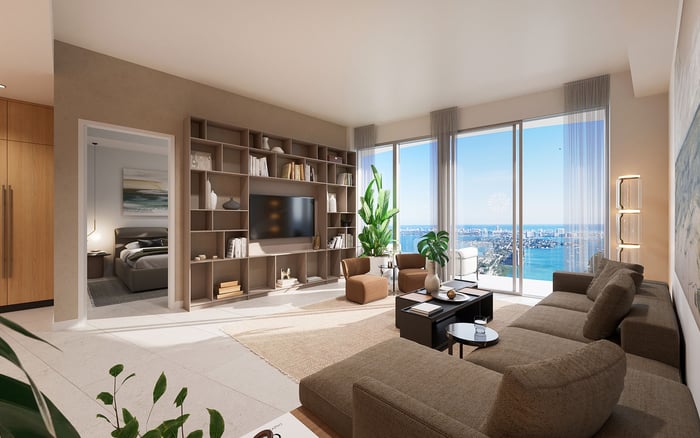
A practical guide for luxury buyers weighing a Florida second home against a primary residence, with emphasis on lifestyle, privacy, advisory planning, and long-term ownership discipline.
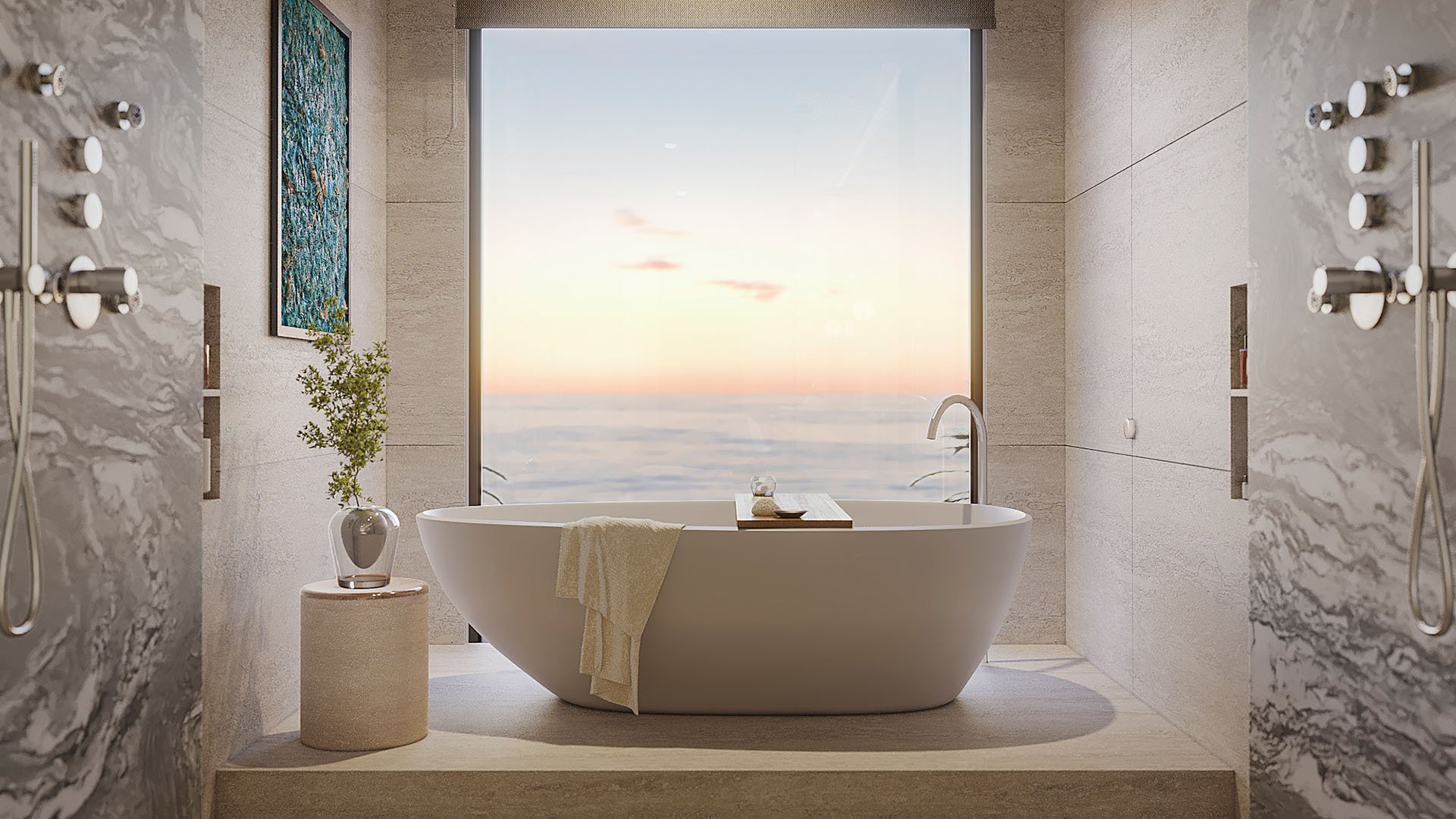
For luxury buyers considering Florida, the distinction between a second home and a primary residence is less about romance than rhythm. A primary residence is the center of daily life. It must support routines, staff coordination, schooling or professional obligations, privacy, storage, wellness, entertaining, and the practical cadence of living in residence for much of the year. A second home, by contrast, is often designed around arrival and retreat. It should be effortless to open, easy to secure, and deeply satisfying when used in concentrated intervals.
This is why the strongest search does not begin with architecture alone. It begins with an honest portrait of use. Will the property host extended family for winter holidays, operate as a work-from-anywhere base, support a yacht or club lifestyle, or eventually become a full-time residence? Each answer points to a different version of Florida ownership.
In search notes, the vocabulary may be simple: second home, investment, Miami Beach, Brickell, Palm Beach, and new construction. The real work is translating those preferences into a property that performs beautifully when life becomes complex.
A primary residence asks more of a property. It must be gracious, but also resilient. Luxury buyers should evaluate how the home functions on an ordinary Tuesday, not only during a perfect weekend. The arrival sequence, garage capacity, service access, elevator experience, package handling, staff circulation, pet logistics, morning light, and evening noise all shape daily satisfaction.
For condominium buyers, the building itself becomes an extension of the home. Lobby discretion, valet performance, security culture, wellness amenities, private dining options, and maintenance standards can matter as much as the residence plan. For single-family buyers, the emphasis often shifts to grounds, privacy, outdoor rooms, water views, guest accommodations, and the separation between formal and informal living.
A primary residence also requires a deeper advisory conversation. Buyers should review ownership structure, financing, insurance, estate planning, and local obligations with qualified professionals before committing. The objective is not merely to close elegantly. It is to hold the property intelligently.
A second home should feel immediate. The lights work, the terrace is ready, the linens are set, the refrigerator is stocked, and the property welcomes its owner without friction. That standard requires planning. Even the most beautiful residence can become burdensome if access, management, storage, weather preparation, and guest use are not considered early.
The ideal second home is often less about maximum square footage and more about emotional precision. Does the home offer the view that resets the week? Is the building staffed in a way that supports absences? Can family members arrive independently? Is there enough privacy for friends, adult children, or multigenerational stays? Can the home be secured confidently when vacant?
Second-home buyers should also be candid about seasonality of use. A property intended for several long stays may call for a different layout than one used for short, frequent escapes. Owners who expect to entertain may prioritize terraces, kitchens, guest suites, and proximity to restaurants or clubs. Owners seeking quiet may choose a more discreet residential setting, even at the expense of immediate nightlife.
Florida luxury markets are not interchangeable. A buyer drawn to a polished urban routine may respond to Brickell, where vertical living, dining, services, and business convenience can align. A buyer seeking a more resort-like coastal identity may orient toward Miami Beach, where lifestyle is often shaped by sand, wellness, design, and social access. Palm Beach may appeal to those who value privacy, tradition, gardens, and a composed residential tempo.
The right choice is rarely about prestige in isolation. It is about compatibility. A primary residence benefits from proximity to the places that define daily life. A second home benefits from ease of arrival and a strong sense of occasion. For some buyers, the most rational property may not be the most emotionally compelling. For others, the emotional favorite may require operating systems that must be built carefully around it.
New construction can be attractive to buyers who want contemporary planning, modern amenities, and reduced near-term renovation complexity. Resale properties may offer established settings, mature landscaping, or distinctive architectural character. Neither category is inherently superior. The better fit depends on how the owner intends to live, how much customization is desired, and how hands-on the ownership experience should be.
Luxury real estate decisions should include financial discipline without reducing the home to a spreadsheet. A primary residence may be evaluated through the lens of permanence, family governance, long-term comfort, and legacy planning. A second home may require sharper attention to carrying costs, maintenance during absences, management oversight, and how often the property will truly be used.
Investment is a word that deserves careful handling in this category. A trophy home can preserve optionality, but lifestyle real estate should not be purchased on appreciation assumptions alone. Buyers should understand total ownership costs, potential liquidity, building policies, rental limitations where relevant, insurance considerations, and the practical cost of keeping a property presentation-ready.
For international or multi-state buyers, the planning conversation becomes even more important. Residency intentions, tax exposure, estate structure, financing, and family use should be coordinated by appropriate advisors. The goal is to avoid discovering after closing that the desired lifestyle conflicts with the chosen ownership approach.
At the upper end of the market, privacy is not a feature. It is an operating principle. Primary-residence buyers often need privacy that works every day: controlled access, discreet staffing, secure deliveries, and a household routine that does not feel exposed. Second-home buyers need a different kind of control: confidence that the residence remains protected and cared for when they are elsewhere.
Service expectations also differ. A primary residence may require a broader ecosystem of housekeepers, chefs, drivers, personal assistants, wellness providers, and property managers. A second home may rely more heavily on building services or a trusted local manager. In either case, the service model should be tested before purchase. The question is simple: who solves the problem when the owner is not in the room?
Control extends to rules. Condominium documents, association policies, pet guidelines, guest access, renovation procedures, leasing restrictions, and amenity protocols can materially affect enjoyment. Serious buyers review these matters early, not as an afterthought.
The clearest decision often comes from asking which property would be disappointing if compromised. If the home is meant to anchor life, prioritize daily function, neighborhood compatibility, privacy, and long-term comfort. If the home is meant to restore, prioritize arrival, views, service, ease of absence, and the emotional quality of being there.
Some buyers begin with a second home and later convert their Florida presence into a primary residence. Others purchase a primary residence but preserve the atmosphere of a resort retreat. Both paths can work when the property, ownership plan, and lifestyle intent are aligned from the beginning.
Luxury buyers are best served by patience. The right residence should feel compelling on day one and coherent ten years later. Florida offers many versions of beauty, but the most successful purchase is the one that understands the owner before it celebrates the address.
What is the main difference between a second home and a primary residence? A primary residence supports daily life, while a second home is typically planned around periodic use, ease of arrival, and low-friction management.
Should luxury buyers choose the neighborhood before the property? Buyers should define lifestyle first, then evaluate neighborhoods and properties through that lens.
Is a condominium better for a Florida second home? It can be, especially when building services support security, maintenance, and arrival, but the best choice depends on the owner’s use pattern.
Is a single-family home better for a primary residence? It may offer privacy, outdoor space, and control, but some buyers prefer the services and convenience of a luxury condominium.
Can a Florida second home later become a primary residence? Yes, if the property can support daily routines, advisory planning, and the owner’s long-term lifestyle needs.
What should buyers review before making an offer? Ownership structure, financing, insurance, property rules, maintenance needs, and advisory considerations should be reviewed early.
How important is property management for a second home? It is central, because the residence must remain secure, maintained, and ready when the owner is away.
Should buyers think about resale before purchasing? Yes, but resale should be balanced with personal use, quality, location fit, and long-term stewardship.
Are rental options important for second-home buyers? They may be, but buyers should review all rules and restrictions before assuming any rental flexibility.
What is the best first step for a luxury buyer? Define how the property will be used, who will use it, and what level of service and privacy it must provide.
For a tailored shortlist and next-step guidance, connect with MILLION.
If branded residences are on your mind — as a home or as an allocation — we would be glad to share what we are seeing, privately.
Begin a quiet conversation