A buyer-oriented comparison of Sunny Isles Beach and Miami Beach, focused on daily movement, privacy, building service culture, and the subtle lifestyle expectations that shape luxury ownership.
For a luxury buyer comparing Sunny Isles Beach and Miami Beach, the central question is rarely prestige alone. Both names carry weight. Both signal oceanfront living, international ownership, and a refined version of South Florida permanence. The more useful question is how each place functions on an ordinary day.
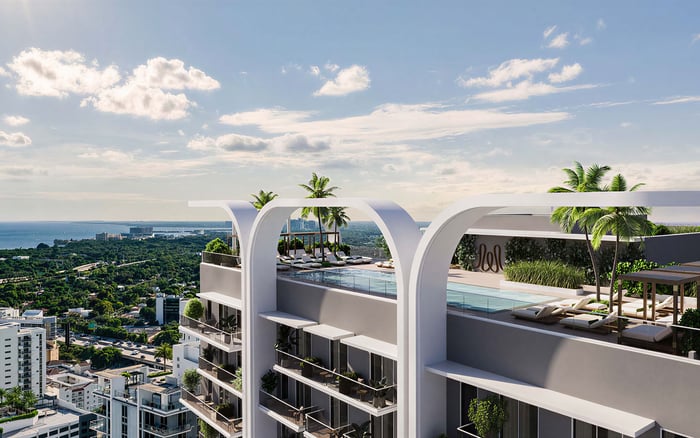
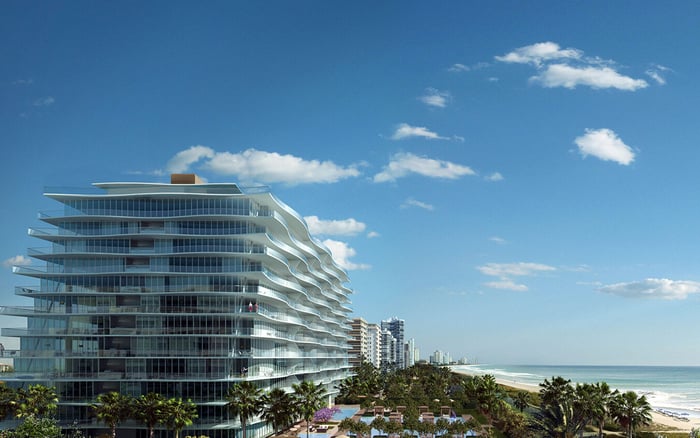
Sunny Isles Beach tends to reward a more vertical, residential, and self-contained lifestyle. The experience often begins and ends within the building, with arrival, valet, lobby, elevator, residence, pool deck, beach access, and wellness amenities forming a controlled private sequence. Miami Beach, by contrast, often places the residence within a broader street-level rhythm, where restaurants, cafés, parks, hotels, cultural venues, and neighborhood errands shape the day beyond the front door.
For buyers, that distinction affects everything: staff expectations, car use, guest management, security preferences, entertaining style, and how much of life should unfold within the building versus the surrounding neighborhood.
In Miami Beach, walkability is typically understood as a core lifestyle amenity. The pleasure is not simply the ability to walk, but the ability to walk with purpose: breakfast, dinner, a gallery, a fitness studio, the beach, or an evening route that changes with the season. The street becomes part of the residential experience.
In Sunny Isles Beach, walkability is often more selective. The buyer may value proximity to the sand, a direct oceanfront setting, or a handful of nearby services, while still expecting the building to satisfy most daily comforts. The lifestyle is less about strolling through a dense urban fabric and more about moving efficiently between residence, beach, vehicle, and curated destinations.
This is why two ocean-facing apartments can feel dramatically different, even when both appear to offer coastal convenience. One invites the owner into a neighborhood. The other protects the owner from having to rely on one.
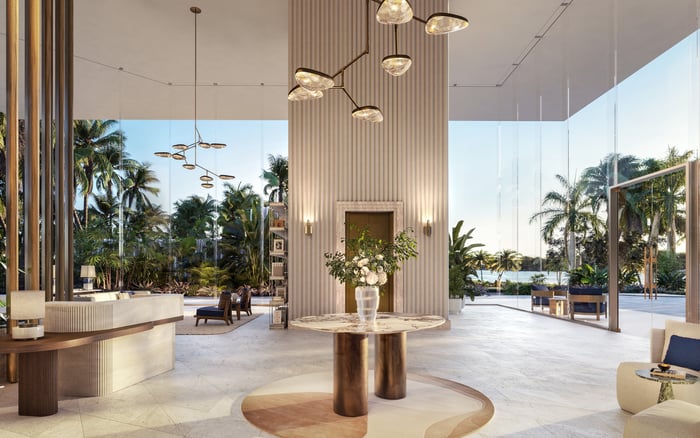
Service expectations also diverge. In Sunny Isles Beach, the standard often leans toward resort-style control. Owners may expect quiet efficiency, precise valet choreography, polished front-desk discretion, strong package handling, private amenity management, and a sense that the building itself anticipates daily needs. The ideal service team makes the outside world feel optional.
In Miami Beach, service still matters deeply, but the best buildings often pair internal hospitality with neighborhood intelligence. A doorman or concierge may be valued not only for formal polish, but for knowing when traffic patterns shift, which entrance is best for a guest arrival, how to coordinate a dinner pickup, or how to make the owner’s life smoother in an active setting.
In practical terms, Sunny Isles Beach often asks, “How completely can the building serve me?” Miami Beach often asks, “How elegantly can the building connect me to everything around it?”
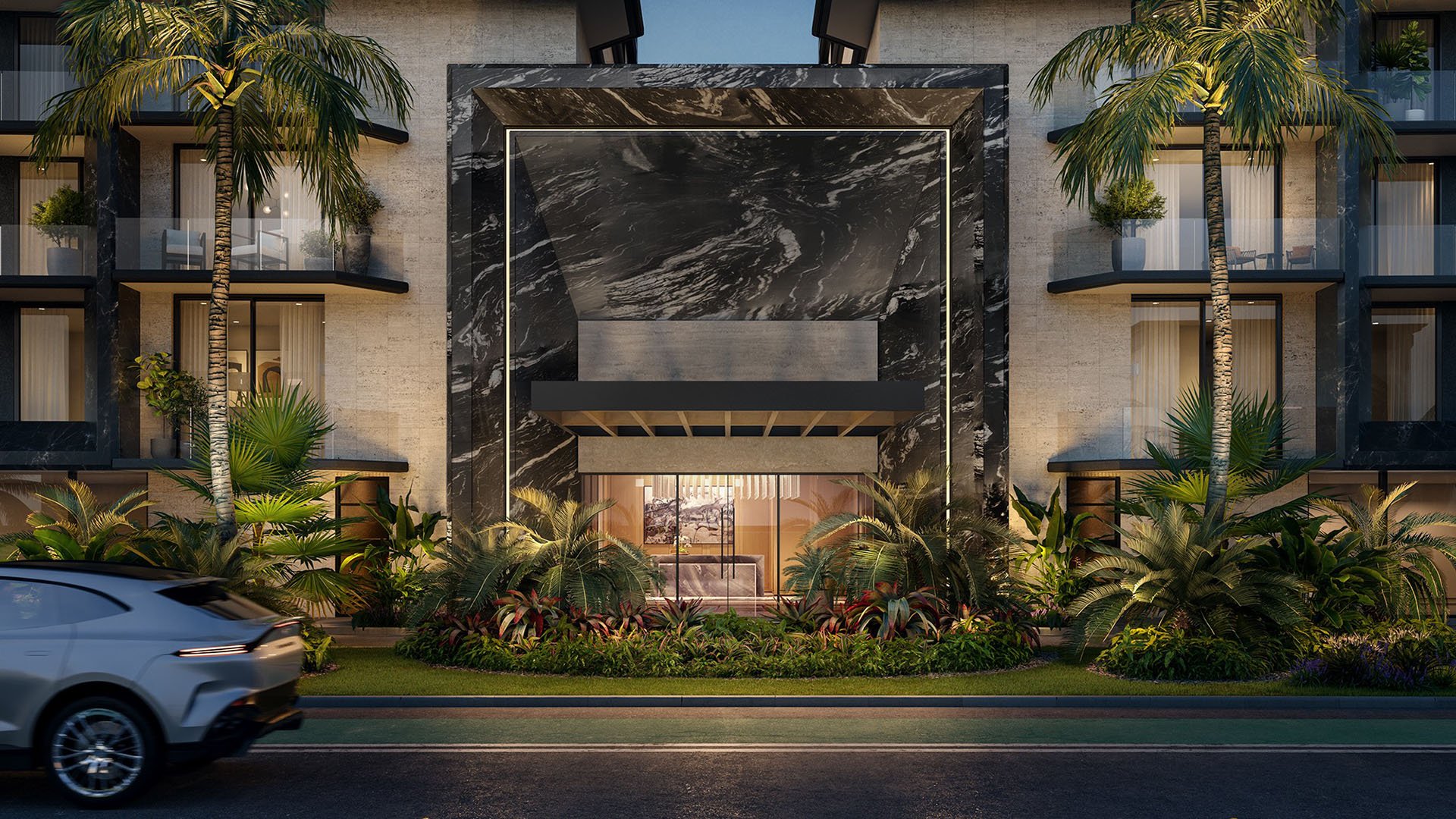
The arrival sequence is one of the clearest lifestyle tells. A Sunny Isles Beach buyer may place high value on a calm drive-in experience, controlled valet, an uncrowded lobby mood, private elevator access where available, and a residence that feels removed from public activity. The building is the sanctuary.
A Miami Beach buyer may accept more urban energy in exchange for immediacy. The reward is stepping outside and feeling the neighborhood already in motion. For some owners, that vitality is essential. For others, it is precisely what they hoped to avoid when buying a coastal second home.
Neither preference is more sophisticated. They simply represent different definitions of luxury. One is quiet separation. The other is cultured adjacency.
Amenities should be judged through daily use rather than brochure language. In Sunny Isles Beach, a robust amenity program can be central to the ownership thesis. Pools, spa spaces, fitness areas, beach service, children’s areas, lounges, and resident-only environments can create a complete vertical club.
In Miami Beach, amenities may matter just as much, but their role can feel different. A pool, gym, or private lounge complements a life that also spills into the neighborhood. The buyer may care less about the building being self-sufficient every hour and more about how it balances privacy with access.
This distinction is especially relevant for families, seasonal owners, and buyers who entertain. A family spending long stretches in residence may prefer a building that functions almost like a private resort. A socially active owner may prefer a building that serves as a refined base for a broader Miami Beach routine.
Car dependence is not simply logistical. It is emotional. In Sunny Isles Beach, the car often remains a natural part of the luxury experience, particularly for owners moving between private schools, clubs, shopping, marinas, airports, and neighboring enclaves. Seamless valet and garage flow can be as important as the kitchen finish.
In Miami Beach, the ability to leave the car behind more often may be part of the appeal. Buyers who value spontaneous dinners, morning walks, and a more layered pedestrian life may find that walkability changes how often they use staff, valet, and rideshare services.
The best purchase decision acknowledges personal rhythm. If every outing requires coordination and that feels burdensome, Miami Beach may hold the advantage. If coordination feels natural and privacy is the reward, Sunny Isles Beach may be the better fit.
A buyer’s saved-search vocabulary often reveals the real decision. Terms such as Sunny Isles, Miami Beach, Oceanfront, Beach-access, New-construction, and Resale may look like simple filters, but they describe different emotional outcomes. Oceanfront can mean a dramatic view, a direct beach ritual, or a sense of permanence. Beach-access can mean convenience, privacy, or the freedom to host family with ease.
New-construction may appeal to buyers who want contemporary systems, fresh amenities, and a more current service model. Resale may appeal to those who prioritize established buildings, known operating cultures, or locations with a proven daily pattern. The correct choice is less about category and more about fit.
Sunny Isles Beach often suits the buyer who wants a polished residential tower experience, strong privacy, direct coastal living, and a building capable of carrying much of the lifestyle load. It can be especially compelling for owners who want to arrive, settle in, and remain within a controlled oceanfront environment.
Miami Beach often suits the buyer who wants architectural character, neighborhood energy, and a more fluid relationship with restaurants, wellness, culture, and the street. It can be ideal for owners who consider walkability part of the luxury itself, not merely an added convenience.
The most elegant answer is not universal. It is personal. A successful purchase should match how the owner wants to wake up, move, host, retreat, and be served.
Is Sunny Isles Beach less walkable than Miami Beach? It is generally a different kind of walkability, with more emphasis on oceanfront living and building-based convenience than dense street-level variety.
Is Miami Beach better for buyers who do not want to drive often? Often, yes. Buyers who prize restaurants, cafés, wellness, and errands within a pedestrian routine may prefer Miami Beach.
Which area feels more private? Sunny Isles Beach often appeals to buyers seeking a more controlled high-rise environment, while Miami Beach offers privacy within a more active setting.
Do service expectations differ between the two markets? Yes. Sunny Isles Beach often emphasizes resort-style internal service, while Miami Beach benefits from service teams that understand neighborhood flow.
Is oceanfront living the same in both places? No. The view may be similar, but the daily experience around arrival, walking, dining, and building culture can differ substantially.
Which is better for a second home? Sunny Isles Beach may suit owners seeking a self-contained retreat, while Miami Beach may suit owners who want immediate social and cultural access.
Should amenity depth matter more in Sunny Isles Beach? It often matters more because the building may play a larger role in the owner’s daily lifestyle and sense of convenience.
Can Miami Beach still feel discreet? Yes. The right building, location, and service culture can provide discretion while preserving access to an active neighborhood.
Is new construction always preferable? Not always. New-construction can offer current design and systems, while Resale can offer established locations and known building character.
How should a buyer decide between the two? Focus on daily rhythm: how often you want to walk, how much you value privacy, and how completely you expect the building to serve you.
When you're ready to tour or underwrite the options, connect with MILLION.
If branded residences are on your mind — as a home or as an allocation — we would be glad to share what we are seeing, privately.
Begin a quiet conversation