A disciplined framework for evaluating school logistics, daily travel, building security, and residential fit before purchasing a Wynwood home in 2026.
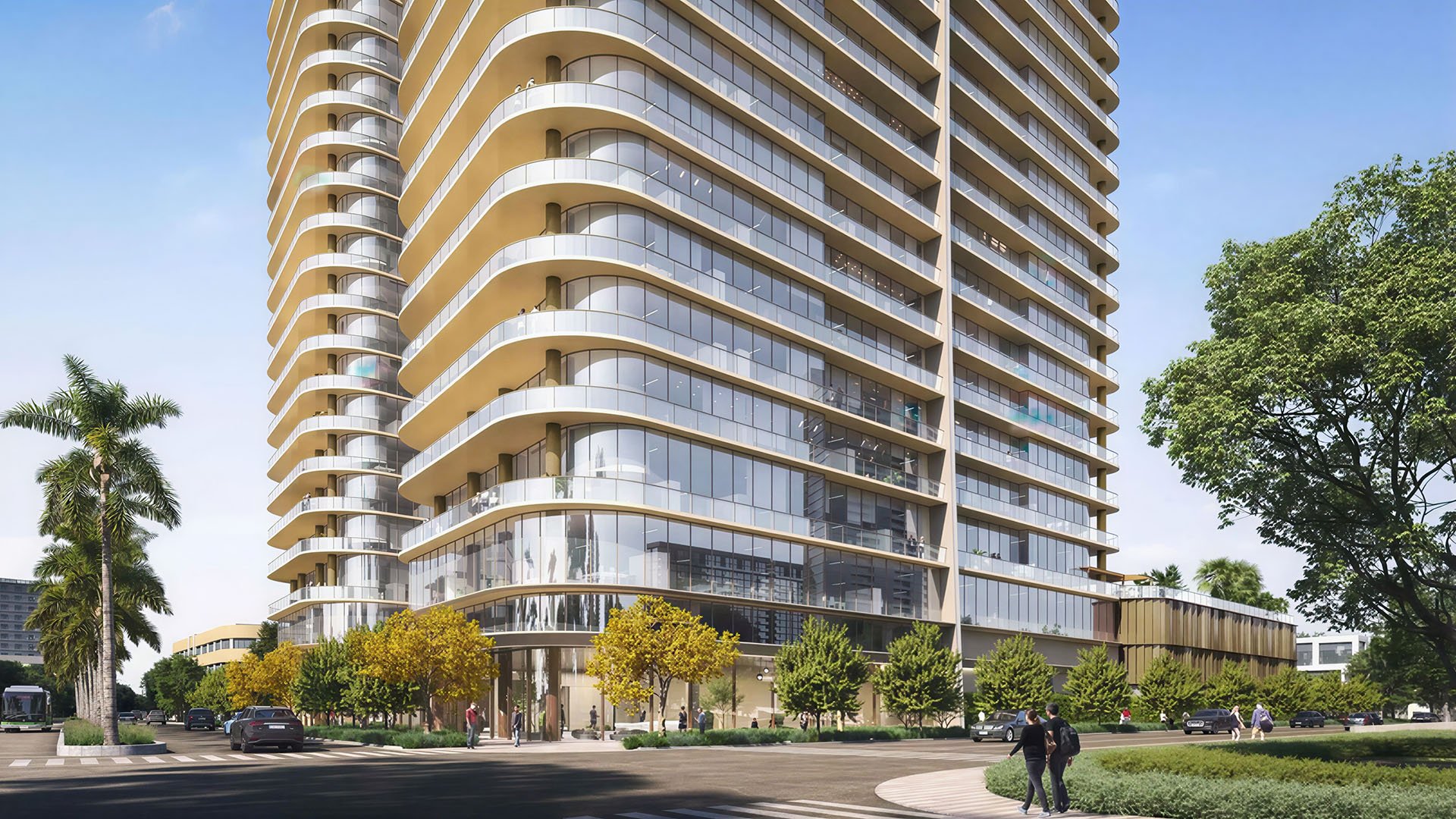
Buying in Wynwood in 2026 requires a more exacting exercise than selecting a compelling residence. For families and principals with complex schedules, the decisive questions center on the household’s daily operating system: where children will attend school, how drivers and caregivers will navigate the week, and whether a building’s security protocols meet the household’s standards.
This is not a search for a universally ideal address. It is a process of matching a residence to one family’s routines, risk tolerance, and service expectations. The framework below prioritizes firsthand testing and written verification over assumptions. It also treats lifestyle considerations as practical inputs, not decorative extras.
Private-school selection should begin independently of the real-estate shortlist. Identify the schools under serious consideration, confirm the applicable admissions pathway directly, and record each child’s calendar, arrival procedure, dismissal window, after-school commitments, and transportation expectations. A residence should support that plan rather than force the plan to compensate for the residence.
Build a weekly schedule that extends beyond morning drop-off. Include sibling timing, athletics, tutoring, caregiver handoffs, parent meetings, early dismissals, and the return home. Then determine what happens when two obligations overlap. A nominally manageable trip can become operationally awkward if the household has only one driver, one vehicle, or one practical departure point.
Private-school diligence should also include contingency planning. Buyers can ask each institution about current transportation arrangements and access procedures, but no option, route, or policy should be assumed to remain unchanged. Verify the details before committing to a property and revisit them before each academic year.
A map cannot reproduce the experience of leaving a garage, waiting for a vehicle, completing a school handoff, and continuing to a second destination. Buyers should drive every essential route at the hour it will actually be used. Repeat the exercise on multiple weekdays, in both directions, and include the return journey.
Test four distinct patterns: the school morning, school dismissal, office travel, and evening activities. If the household uses a driver, have that person conduct the test in the intended vehicle and document pickup locations, passenger loading, garage access, and legal waiting options. If residents expect to walk for selected errands, assess the precise route in daylight and after dark rather than generalizing from the wider neighborhood.
Apply the same discipline when comparing nearby residential options. Frida Kahlo Wynwood Residences can be evaluated as a Wynwood candidate, while Kempinski Residences Miami Design District offers a Design District comparison and EDITION Edgewater provides an Edgewater reference point. The useful comparison is not an abstract contest between neighborhoods. It is the door-to-door performance of the specific homes under consideration.
A security review should extend beyond the visible front desk on a tour. Request a clear explanation of how residents, guests, vendors, deliveries, domestic staff, contractors, and vehicles enter the property. Ask who monitors each access point, how credentials are issued and revoked, and what occurs when equipment, staffing, or communications fail.
The residence itself warrants a parallel review. Buyers can engage qualified advisers to examine entry hardware, glazing, alarm provisions, elevator access, parking circulation, storage, and any interfaces with home-automation systems. For pre-construction purchases, distinguish among what is contractually included, what is an upgrade, and what may require approval after delivery. For completed homes, test the relevant systems rather than relying on verbal descriptions.
Privacy is related but distinct. Ask how visitor records, camera footage, resident information, and service requests are handled. Confirm the building’s procedures for large deliveries, private events, recurring household staff, and periods when the owner is away. A strong plan should be clear in ordinary language and workable for every member of the household.
Wynwood should be assessed at a granular level. Visit the exact frontage, garage entrance, pedestrian approach, and principal pickup point at the hours that matter to the buyer. Observe without assuming that one block represents another. Nighttime arrivals, weekend activity, rain, and child handoffs may each reveal different priorities.
The floor plan and building operations should be part of the same analysis. Consider the separation of private and service circulation, the route from parking to residence, package handling, elevator dependence, acoustic privacy, and the ease of supervising children or accommodating staff. Verify each point for the specific unit and in the governing documents.
A broader comparison can clarify the tradeoffs. Villa Miami may be included as another Edgewater reference, but the decision should remain household-specific. No project name replaces a review of plans, contracts, rules, budgets, access protocols, and the lived arrival sequence.
Create a decision file for every finalist. It should contain the school schedule, timed route tests, parking observations, building documents, security questions and written responses, floor-plan notes, and open items requiring professional review. Score each property against the same criteria so presentation quality does not obscure operational weaknesses.
Before making an offer or reservation, separate verified facts from expectations. Assign unresolved legal, technical, financial, and insurance questions to the appropriate advisers. The objective is not to eliminate every inconvenience. It is to understand which compromises the household is accepting, how often they will arise, and whether the residence remains desirable once daily life replaces the sales presentation.
Should school selection come before choosing a Wynwood residence? Ideally, establish a realistic school shortlist first. The property can then be tested against actual admissions, calendar, and transportation needs.
How should buyers estimate a school commute? Drive the complete route at the intended departure and return times on multiple weekdays. Include garage exit, loading, handoff, and parking time.
Is a single commute test sufficient? No. Repetition helps reveal whether the initial result is typical enough for planning purposes.
What should households ask about building access? Ask how residents, guests, staff, vendors, deliveries, and vehicles are admitted. Also request the procedure used when normal systems are unavailable.
Does a staffed lobby answer the full security question? No. Buyers should examine the complete chain of perimeter, garage, elevator, residence, monitoring, and response protocols.
How should pre-construction security features be evaluated? Identify what the contract includes, what remains conceptual, and which residence-level additions require approval. Obtain professional advice where appropriate.
When should buyers visit a prospective block? Visit during the household’s likely departure, return, and evening hours. A weekend visit can provide another useful perspective.
Should caregivers and drivers participate in diligence? Yes. The people managing recurring trips can identify loading, waiting, access, and scheduling issues that others may overlook.
What belongs in a property decision file? Include route logs, school assumptions, building documents, security responses, unit notes, and unresolved questions. Keep the format consistent across finalists.
What is the most important final test? Rehearse an ordinary day from departure through the nighttime return. The preferred home should support the household’s actual routine, not merely its best-case scenario.
If you'd like a private walkthrough and a curated shortlist, connect with MILLION.
If branded residences are on your mind — as a home or as an allocation — we would be glad to share what we are seeing, privately.
Begin a quiet conversation