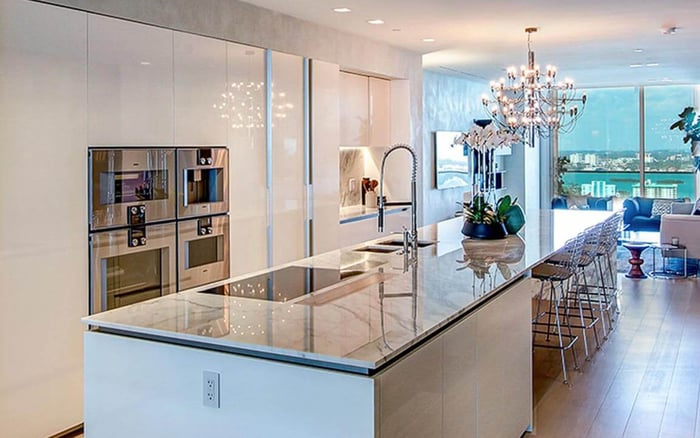
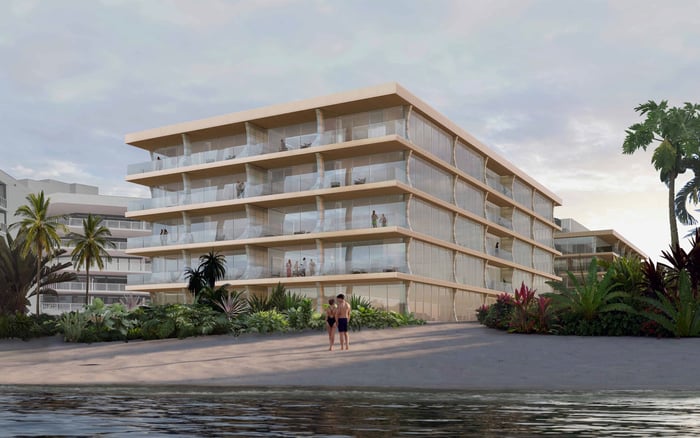
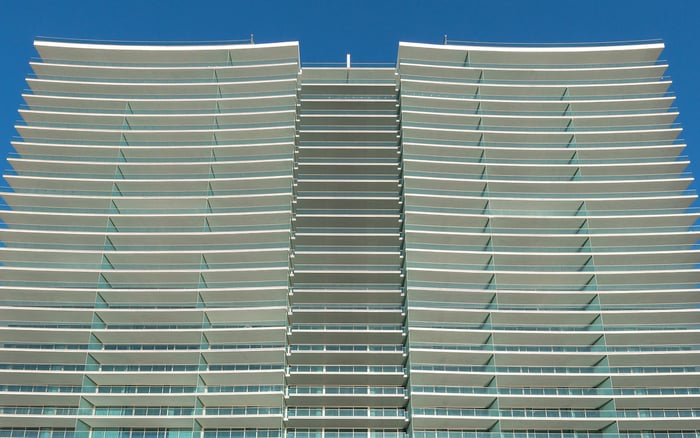
A buyer-focused comparison of The Ritz-Carlton Residences® West Palm Beach and Oceana Bal Harbour, centered on dining access, acoustic comfort, social cadence, and the discipline of looking past brand gravity.
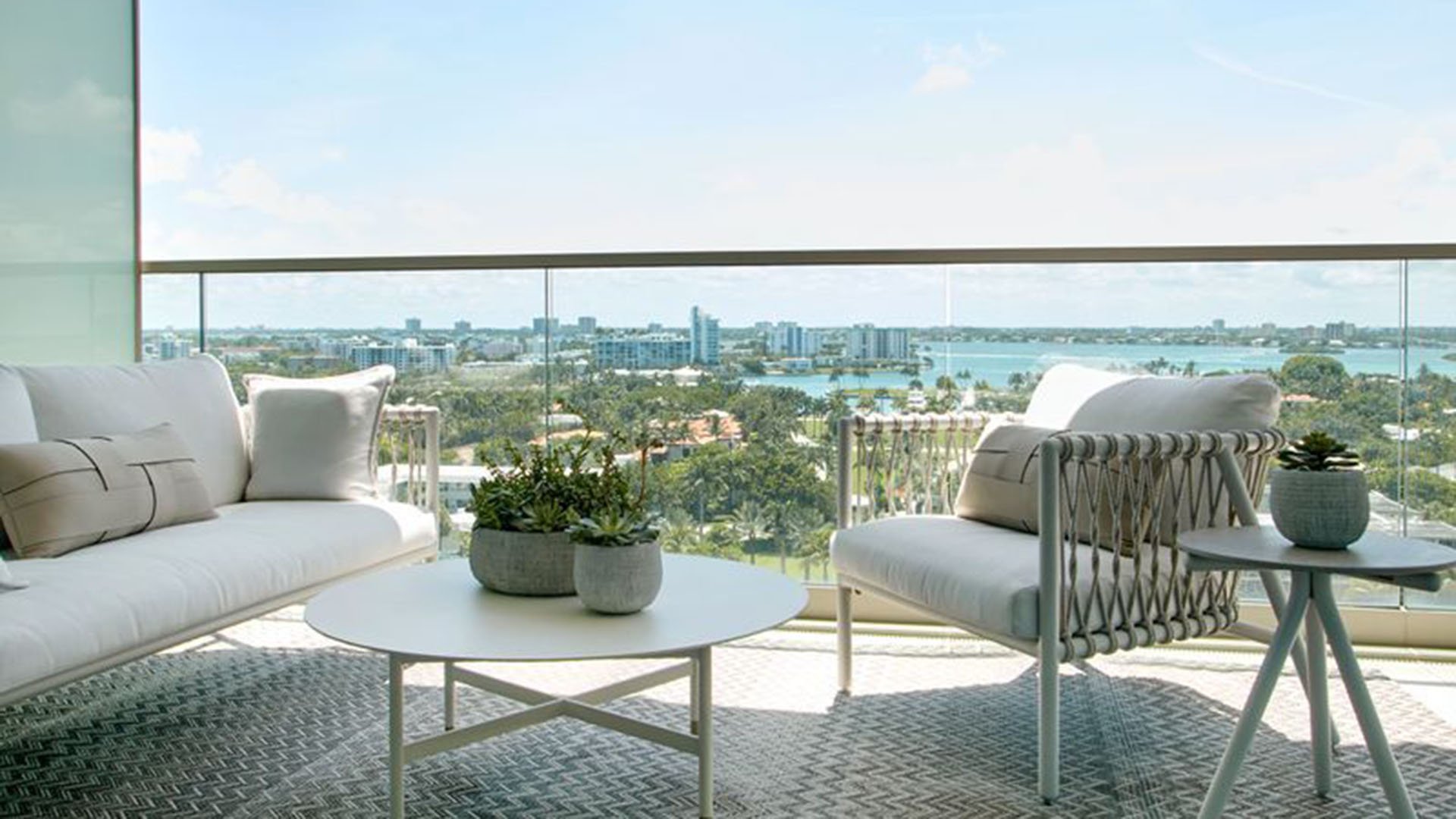
A comparison between The Ritz-Carlton Residences® West Palm Beach and Oceana Bal Harbour can quickly become a comparison of reputations. That is the least useful frame. At the top of the South Florida market, name recognition may open the conversation, but it should not close it. The more durable question is how each residential setting feels at 8 a.m., 8 p.m., and through the quiet hours in between.
For a buyer choosing between these two addresses, the real variables are restaurant proximity, noise management, and social energy. These are not abstract preferences. They determine whether a residence feels restorative, connected, discreet, or overly exposed. They also shape how a second home is used, how often guests are invited, and how confidently an owner can live without constantly planning around the building or neighborhood.
That is where branding should become secondary. A celebrated name can signal service expectations and a certain cultural fluency. Yet the better purchase is the one that fits the owner’s actual patterns: where they dine, how much ambient activity they tolerate, and whether they want their building to feel like a private retreat, a social address, or something in between.
Restaurant proximity is not just distance. It is the ease of moving from residence to table without friction. For some buyers, the ideal evening begins with a spontaneous walk to dinner, a quick drink, or a last-minute reservation. For others, it begins with a composed arrival, a car waiting downstairs, and a clearer separation between home and nightlife.
The Ritz-Carlton Residences® West Palm Beach should be evaluated through the lens of how a West Palm Beach routine feels in practice. The question is not simply whether restaurants are nearby, but whether the route, timing, arrival sequence, and post-dinner return feel effortless. Buyers who enjoy a more urban dining rhythm may prefer a residence that allows dinner plans to form naturally during the day.
Oceana Bal Harbour invites a different inquiry. A Bal Harbour buyer may place equal value on privacy before and after dinner, preferring the residence to remain calm while dining becomes a deliberate outing. That distinction matters. A shorter distance to restaurants is not automatically superior if the surrounding energy works against the way the owner wants to live.
The correct test is personal. Walk the area at the hour you actually dine. Consider valet patterns, pedestrian comfort, ride-share timing, and how the return home feels after a long meal. In this category, the winner is not the address with the strongest name. It is the one that removes the most friction from your preferred evening.
In luxury real estate, noise management succeeds when it disappears from thought. Buyers often focus on views and finishes, then discover later that service circulation, traffic rhythm, restaurant activity, pool conversations, wind exposure, or elevator adjacency affects the quality of daily life. These issues are not necessarily disqualifying. They simply need to be understood before the purchase.
For The Ritz-Carlton Residences® West Palm Beach, a careful buyer should study the relationship between the residence, arrival areas, nearby activity, and the sound profile at different times of day. Morning service patterns may feel very different from weekend evenings. A high-floor residence may solve certain concerns while introducing others, including wind and mechanical awareness. A lower-floor residence may feel more connected, but it requires a more precise understanding of its surroundings.
For Oceana Bal Harbour, the same discipline applies. Do not assume that a calmer visual impression always means a quieter acoustic experience. Orientation, exposure, balcony depth, glazing quality, and proximity to common circulation can be more important than the prestige of the address. A residence that feels serene during a scheduled afternoon showing should also be assessed during dinner hours and at the beginning and end of weekends.
Noise should be evaluated like light. It changes by hour, direction, and season. The most sophisticated buyers ask to experience the residence when the building and area are alive, not only when they are curated for presentation.
Social energy is the invisible amenity. Some owners want a building where they see familiar faces, host with ease, and feel a steady pulse of activity. Others want a residence that protects anonymity, allows a low-profile arrival, and keeps social contact optional. Neither preference is more refined. The refined choice is the honest one.
At The Ritz-Carlton Residences® West Palm Beach, buyers may be drawn to the expectation of a polished residential environment and the cultural meaning attached to the name. The important question is whether that expectation aligns with the owner’s desired social rhythm. Does the buyer want a building that feels connected to an active local routine, or would too much day-to-day visibility become tiring?
At Oceana Bal Harbour, the analysis should focus on how the building’s social atmosphere feels relative to the buyer’s privacy needs. A buyer who values discretion may prefer a setting where the residence feels removed from constant stimulation. A buyer who wants an address that supports frequent entertaining should examine how naturally guests can arrive, gather, and leave without creating friction.
The point is not to rank social energy from high to low. It is to identify whether the energy feels voluntary. The best luxury buildings allow presence without pressure.
A branded residence can create a helpful framework. It may suggest a certain level of hospitality, service language, and buyer confidence. But branding is not a substitute for studying how the residence lives. The strongest name cannot compensate for a daily pattern that feels inconvenient, too public, too quiet, or too exposed.
This comparison is especially important because The Ritz-Carlton Residences® West Palm Beach and Oceana Bal Harbour speak to different emotional expectations. One buyer may see the Ritz-Carlton name and immediately imagine hospitality continuity. Another may see Oceana Bal Harbour and focus on a more residential identity. Both reactions are valid, but neither is enough.
A useful exercise is to remove the names from the conversation for one hour. Compare only the dining routine, arrival experience, acoustic profile, privacy level, and guest flow. Then reintroduce the names and ask whether branding supports the conclusion or distorts it.
For search clarity, this comparison sits at the intersection of West Palm Beach, Bal Harbour, bars, and resale considerations, while the named properties remain The Ritz-Carlton Residences® West Palm Beach and Oceana Bal Harbour.
Resale is often discussed through broad market language, but at the individual residence level it begins with believability. Future buyers tend to respond to homes whose lifestyle proposition is easy to understand. A residence near dining must make convenience feel graceful. A quieter residence must make privacy feel intentional rather than isolated. A socially active address must feel energized without becoming intrusive.
For a buyer deciding between these two properties, the resale question should be framed around which narrative is clearer. If a residence offers a convincing balance of restaurant access, acoustic comfort, and social ease, it becomes easier to explain and easier to live in. That clarity can matter as much as the name on the door.
The final decision should come from repeated experience, not a single polished tour. Visit before dinner, after dinner, during a weekday, and near a weekend transition. Sit quietly. Listen. Watch how people arrive. Notice whether you feel drawn outward or grateful to stay in. That instinct will usually say more than the brochure.
Which residence is better for restaurant proximity? The better choice depends on whether you prefer spontaneous dining access or a more deliberate separation between home and restaurant life.
Should branding be a deciding factor? Branding can support confidence, but it should not outweigh daily comfort, acoustic quality, privacy, and the way you actually use the residence.
How should buyers evaluate noise before purchasing? Visit at multiple times, including evening and weekend periods, and pay attention to arrival zones, exposure, glazing, and nearby activity.
Is a livelier neighborhood always better for resale? Not necessarily. Resale strength is often tied to how clearly the residence delivers the lifestyle future buyers expect.
What does social energy mean in a luxury building? It refers to the level of interaction, visibility, guest activity, and shared-area rhythm that shapes the day-to-day atmosphere.
Can a quieter residence feel too isolated? Yes, if the buyer wants frequent dining, entertaining, or visible neighborhood energy. Privacy works best when it matches the owner’s habits.
Can a socially active address still feel private? It can, if circulation, arrival, service, and residential design allow owners to choose when to engage and when to withdraw.
What should second-home buyers prioritize? They should prioritize ease of arrival, reliable quiet, simple dining routines, and a building atmosphere that feels natural after travel.
Is one property automatically more formal than the other? No. Formality should be judged by lived experience, including arrival, staff interaction, guest flow, and the tone of common spaces.
What is the smartest way to compare these two residences? Remove the names temporarily and compare the practical experience first, then decide whether branding reinforces the lifestyle fit.
For a confidential assessment and a building-by-building shortlist, connect with MILLION.
If branded residences are on your mind — as a home or as an allocation — we would be glad to share what we are seeing, privately.
Begin a quiet conversation