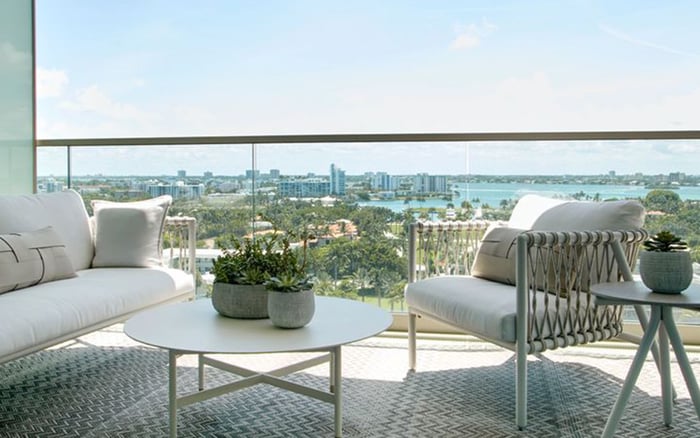
A discreet buyer’s guide to the questions that matter when reviewing brand licensing, naming rights, fees, standards, resale use, and legal exposure before purchasing at Oceana Bal Harbour.
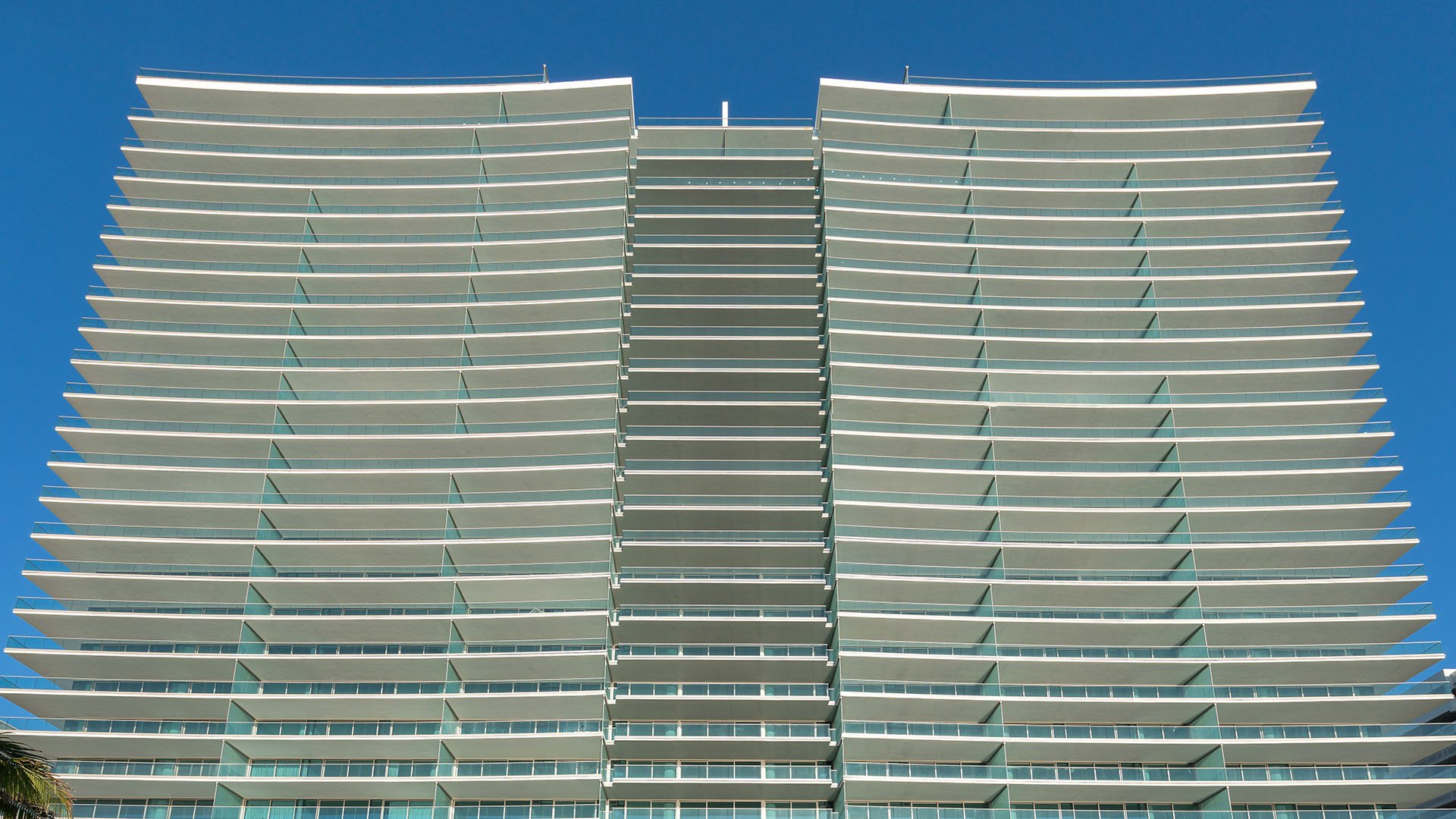
For buyers considering Oceana Bal Harbour, the name itself carries weight. It signals a distinct oceanfront identity, a recognizable position in the Bal Harbour luxury market, and a level of presentation that can shape how owners, brokers, guests, and future buyers perceive the building. Yet the legal mechanics behind a name can matter as much as the architecture, amenity program, or view corridor.
The right question is not whether the name sounds valuable. It is who controls it, how it may be used, what obligations come with it, and what could happen if the relevant brand rights ever change. In a sophisticated condominium purchase, brand-licensing diligence belongs beside title review, budget analysis, insurance evaluation, and association document review.
That diligence matters because brand terms are not always obvious in a sales conversation. They may appear in a declaration, bylaws, offering documents, management agreement, license agreement, resale package, or board materials. A buyer does not need to assume a problem. The stronger approach is simpler: ask precise questions before waiving diligence.
The first question is fundamental: are the “Oceana Bal Harbour” name, marks, logos, and related branding owned by the condominium association, the developer, or a separate licensor? The answer frames every other issue. If the association controls the marks, owners may face a different risk profile than they would if a developer or third-party licensor retained approval rights.
A buyer should also ask whether any branding arrangement is perpetual, time-limited, renewable, revocable, or tied to compliance with defined operating standards. A perpetual right may feel more stable, but it can still include covenants. A renewable or revocable right calls for closer attention to notice periods, renewal fees, termination triggers, and the board’s authority to act on behalf of owners.
In the broader South Florida market, buyers routinely compare named properties across nearby luxury corridors, from Bal Harbour to Surfside and Miami Beach. A comparison with Rivage Bal Harbour, for example, can sharpen the question: what exactly is being purchased beyond the residence itself, and which elements of the identity are governed by legal rights rather than market reputation?
Brand rights can extend well beyond signage. Buyers should ask whether owners must comply with any brand standards covering renovations, interiors, signage, listings, rental presentation, amenity use, or public-facing materials. The issue is not only whether standards exist, but how they are enforced and who has authority to interpret them.
Another important question is whether a failure to meet applicable standards could affect the building’s right to use the Oceana name or related branding. If the building’s identity is conditioned on compliance, owners should understand whether noncompliance by the association, management, vendors, or individual owners could create broader consequences.
Approval rights also deserve scrutiny. A buyer should ask whether a brand licensor, if any, has approval rights over management, vendors, amenity operations, marketing materials, or building communications. These provisions can be benign, but they can also influence daily operations and long-term governance. In ultra-premium buildings, control over presentation is part of the value proposition. That control should also be legible.
The most practical brand question is often financial: who pays? Buyers should ask whether brand-licensing fees, marketing fees, inspection fees, renewal fees, or other brand-related costs apply after purchase. If such costs exist, they should be evaluated with the same seriousness as reserves, insurance premiums, staffing, utilities, and capital projects.
Equally important is the path through which those costs reach owners. Are brand-related expenses included in regular HOA or condominium assessments, or can they be imposed through special assessments? Are they fixed, variable, escalated, or subject to renewal negotiations? Could the association incur indemnity obligations or legal costs tied to the brand arrangement?
For an oceanfront buyer, elegance should not obscure expense architecture. That is why the diligence sits across several buyer lenses: Oceana Bal Harbour as a named asset, Bal Harbour as a location filter, oceanfront lifestyle, resale flexibility, investment discipline, and Miami Beach comparison shopping. The goal is not to reduce a residence to legal fine print, but to understand how the fine print supports or complicates the ownership experience.
A branded or named address can be powerful in resale positioning. Buyers should ask whether brand rights transfer automatically to resale buyers or require separate acknowledgments, consents, or fees. If a future purchaser must sign additional documents or satisfy certain conditions, that can affect transaction timing and disclosure strategy.
Owners should also ask whether they may use the Oceana Bal Harbour name in resale listings, rental advertisements, social media, personal websites, brokerage materials, or other public communications. The answer can matter for a seller, an investor, or a second-home owner who expects to market the residence with polish and accuracy.
Leasing deserves its own review. Buyers should ask whether short-term rental, leasing, or hospitality-style use is restricted by brand rules in addition to condominium documents and local law. Even when a building’s condo documents appear clear, a separate brand framework can add presentation, approval, or use limitations.
This is where comparisons to other luxury properties can be useful, without assuming identical structures. A buyer looking at Fendi Château Residences Surfside, The Surf Club Four Seasons Surfside, or 888 Brickell by Dolce & Gabbana may encounter different relationships between name, service, design identity, management, and owner obligations. The lesson is to read each building through its own documents.
Perhaps the most sensitive question is what happens if a brand license is terminated, expires, or becomes disputed. Would the building need to rebrand, remove signage, revise marketing materials, or change communications? Would owners face costs, transition obligations, or uncertainty during a dispute?
A buyer should also ask whether the condominium board can amend, extend, terminate, or replace brand agreements without individual owner approval. Board authority can be efficient, but it can also place major identity decisions in the hands of a limited governing body. The governing documents should clarify voting thresholds, notice obligations, and owner rights.
Potential conflicts should be addressed directly. A brand agreement may involve overlapping interests among owners, the association, the developer, and a brand or licensor. The question is not whether conflict is inevitable. It is whether the documents anticipate it, allocate authority clearly, and protect owners from avoidable ambiguity.
Before waiving diligence, buyer’s counsel should review termination rights, indemnities, fee escalations, dispute venue, owner liability, approval rights, transfer provisions, and any acknowledgments required at resale. This review should include the documents where brand-related obligations may appear, not just the purchase contract.
The best luxury diligence is calm and specific. A buyer may ultimately be satisfied that the branding framework is appropriate, durable, and well governed. But that conclusion should come from the documents, not from assumption. At this level of the market, the name on the porte cochère is part of the experience, and the rights behind that name deserve the same discretion and care as the residence itself.
What is the first brand-license question to ask before buying? Ask who owns or controls the name, marks, logos, and related branding, and whether that party is the association, developer, or another licensor.
Does a recognizable building name always mean owners control it? No. Ownership and control of branding should be confirmed in the governing documents and any applicable license agreement.
Why does the duration of a brand license matter? A license may be perpetual, time-limited, renewable, revocable, or tied to operating standards, and each structure carries different ownership implications.
Can brand-related fees affect monthly costs? They can if fees are included in regular assessments or passed through another approved association mechanism. Buyers should ask how any such costs are collected.
Could brand standards affect renovations or interiors? They might if the governing documents or brand agreement impose standards on renovations, signage, interiors, or other visible owner-controlled elements.
Can owners use the Oceana Bal Harbour name in resale listings? Buyers should confirm whether owners may use the name in listings, rental ads, social media, websites, and brokerage materials.
Do brand rights automatically transfer on resale? They may, but buyers should ask whether resale purchasers must sign acknowledgments, obtain consent, or pay any brand-related fee.
Can brand rules add limits beyond condo documents? Yes, brand arrangements may impose additional expectations around leasing, presentation, amenity use, or communications if the documents provide for them.
What happens if a brand license terminates or expires? Buyers should ask whether the building would need to rebrand, remove signage, change materials, or address related costs and disputes.
Who should review brand licensing terms before closing? Buyer’s counsel should review termination rights, indemnities, fee escalations, dispute venue, owner liability, and board authority before diligence is waived.
When you're ready to tour or underwrite the options, connect with MILLION.
If branded residences are on your mind — as a home or as an allocation — we would be glad to share what we are seeing, privately.
Begin a quiet conversation