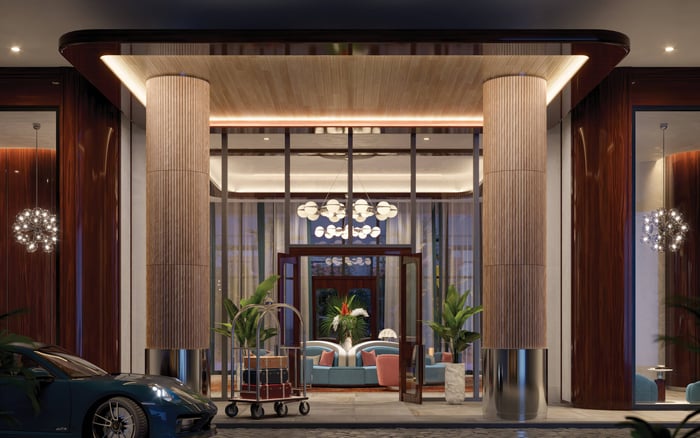
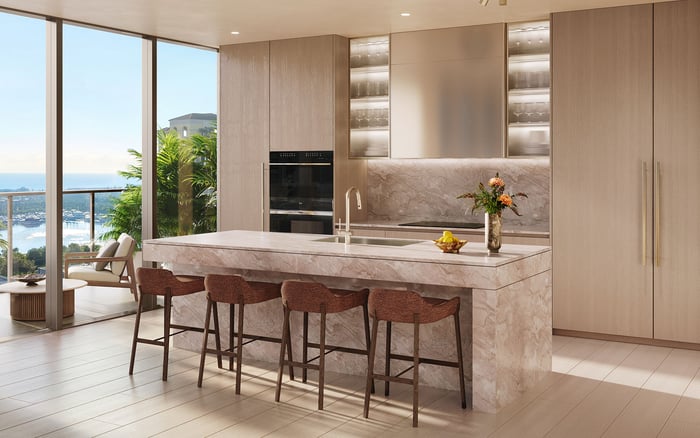
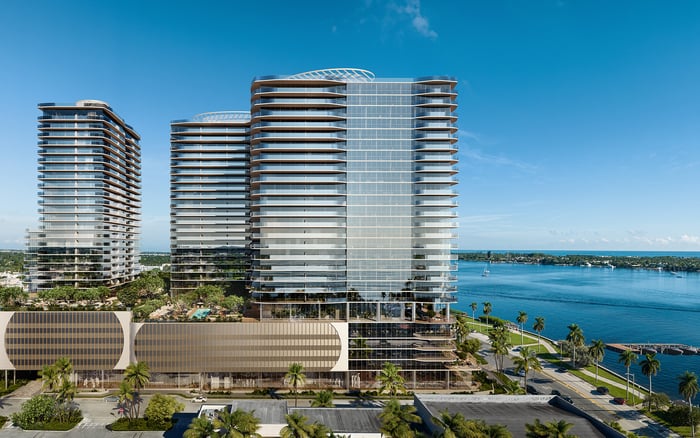
For the lock-and-leave buyer in West Palm Beach, this comparison is less about headline amenities and more about operating philosophy. The Ritz-Carlton Residences West Palm Beach suggests institutional polish, globally legible branding, and a service platform oriented toward consistency. Mr. C Residences West Palm Beach points to a more intimate proposition shaped by Cipriani hospitality, where personality, dining identity, and social texture influence the ownership experience. The key distinction is whether a second-home owner prefers formal reliability above all or a residence that feels more club-like and warm.
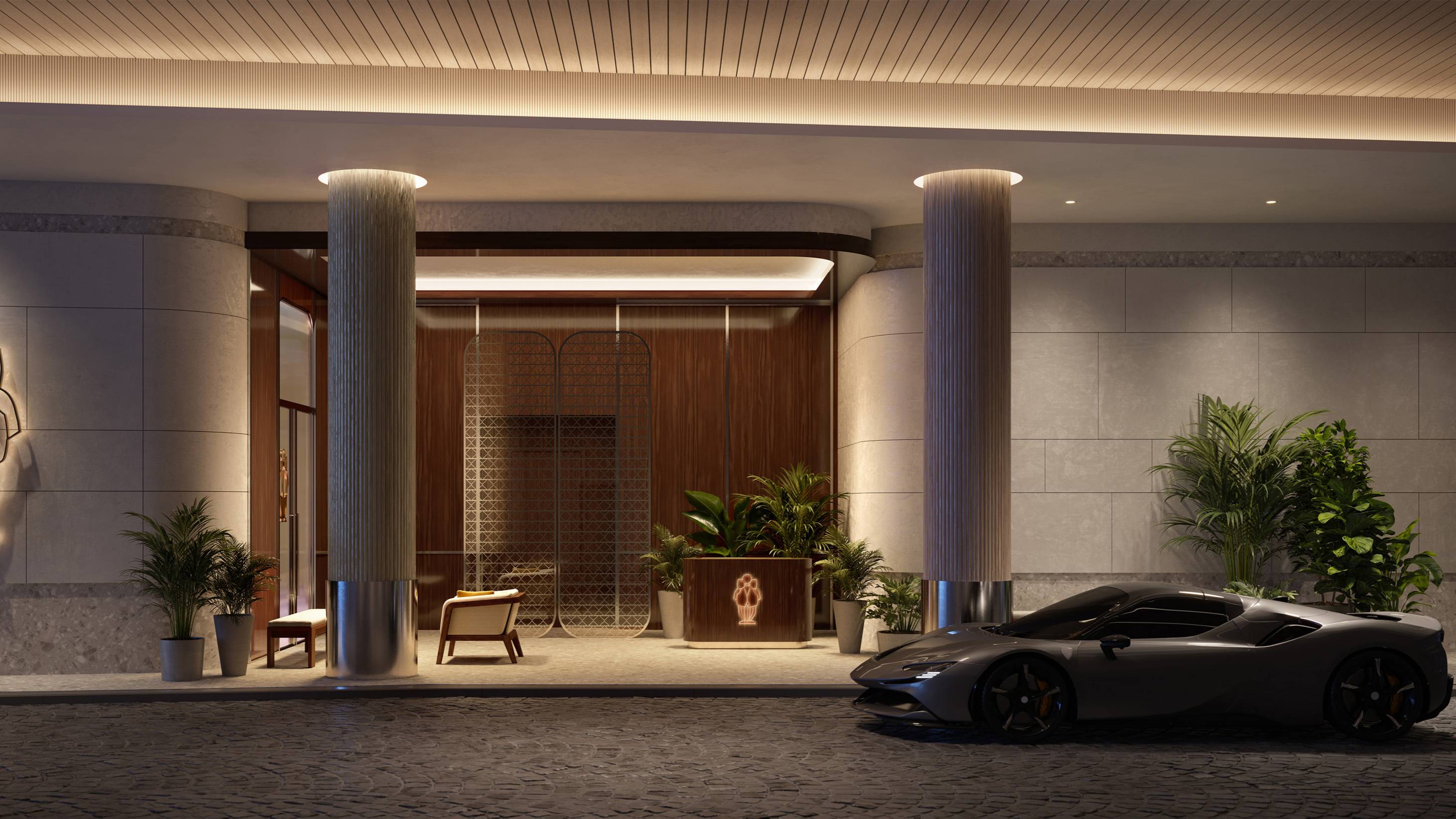
For a South Florida buyer seeking a refined second home in West Palm Beach, branded residences promise more than design and amenities. They offer a framework for daily life, especially when ownership is intermittent. In that context, the contrast between The Ritz-Carlton Residences West Palm Beach and Mr. C Residences West Palm Beach is best understood as a comparison between two luxury temperaments.
One is shaped by institutional gravitas. The other is defined by hospitality warmth. For a second-home purchaser, that distinction matters because lock-and-leave ownership depends as much on what happens when you are away as when you are there.
Ritz-Carlton’s residential proposition is built around hotel-style living, formal concierge support, and a mature service model with broad international recognition. Mr. C, by contrast, draws from the Cipriani family’s hospitality heritage, with an identity rooted in Italian service culture, social ease, and a more intimate sense of residential life. Neither profile is inherently superior. Each speaks to a different vision of luxury.
In branded real estate, the most valuable amenity may be invisible. It is the reliability of the operating platform behind the residence. For owners who split time between Palm Beach, New York, Europe, or Aspen, the appeal of Ritz-Carlton is straightforward: consistency. The brand is associated with private homes supported by legendary service, not simply condominiums with a concierge desk. That distinction tends to resonate with buyers who want an arrival experience that feels polished every time, whether they have been away for three weeks or three months.
This is where The Ritz-Carlton Residences West Palm Beach may also appeal to resale-minded buyers. The name carries institutional recognition across markets, and that kind of legibility can matter when a future purchaser is comparing branded options quickly. Buyers often understand the promise before they study the floor plan.
Mr. C approaches the same lock-and-leave brief from another angle. Its strength is not the scale of a global loyalty ecosystem. It is the emotional quality of the stay. The Cipriani lineage brings a sense of European glamour, personalized service, and a hospitality identity closely tied to food, ritual, and atmosphere. For some owners, that can make a part-time residence feel less like a serviced asset and more like a familiar private world.
The Ritz-Carlton model tends to attract owners who value predictability over experimentation. For them, luxury is less about novelty and more about confidence. They want staffing standards that feel established, concierge systems that are formalized, and white-glove support that remains coherent during owner absences. In practice, this is the classic lock-and-leave formula: arrive, settle in immediately, depart without friction.
That gravitas is not merely aesthetic. It is operational. Buyers who travel frequently may appreciate the wider residential ecosystem and the familiarity that comes with it. The advantage is psychological as much as practical. A globally understood hospitality language can reduce perceived ownership risk.
In the broader South Florida branded landscape, that same sensibility can be seen in residences such as The Ritz-Carlton Residences Palm Beach Gardens and The Ritz-Carlton Residences Pompano Beach, where the draw is often the reassurance embedded in the badge itself. For buyers who equate luxury with continuity, Ritz-Carlton has a clear advantage.
Mr. C’s appeal is subtler and, for the right owner, more seductive. Cipriani’s hospitality culture has long traded on social elegance rather than corporate scale. The mood is more club-like than institutional. The service style feels more relationship-based than process-driven. That can be particularly attractive to buyers who do not want their residence to feel like an extension of a large global machine, even a highly polished one.
This is where Mr. C Residences West Palm Beach can distinguish itself for boutique-oriented purchasers. The smaller brand footprint gives it a sense of rarity, and rarity remains one of the most valued currencies in Palm Beach-adjacent living. The proposition is not simply that service will be attentive. It is that the atmosphere may feel warmer, more human, and more socially curated.
A useful point of comparison in the broader market is Cipriani Residences Brickell, where the Cipriani identity is inseparable from style, ritual, and dining-led brand recognition. Buyers drawn to Mr. C often respond to that world-building instinct. They want a residence with a point of view.
If your ownership pattern is highly mobile, with frequent departures and short-notice arrivals, Ritz-Carlton likely reads as the safer plug-and-play choice. It suits buyers who prefer service to be exacting, formal, and broadly familiar. It may also appeal to those who prioritize international name recognition and the signaling value that comes with it.
If, however, your ideal second home should feel emotionally distinct from a hotel environment, Mr. C may be the more compelling fit. It speaks to owners who want hospitality with personality, a touch more softness in the experience, and a residential atmosphere shaped by social identity rather than pure operational rigor.
This is not a contrast between cold and warm, nor between efficient and luxurious. Both brands trade in elevated living. The difference is that Ritz-Carlton frames luxury as a disciplined service system, while Mr. C frames it as a cultivated lifestyle.
At this stage, buyers should be careful not to overstate comparisons around pricing, monthly fees, or current inventory specifics. The more dependable distinction here is brand positioning, not hard-cost arithmetic. That means the decision should begin with personal fit.
A buyer who values dependable full-service support during absences, instant recognition, and standardized white-glove infrastructure will likely lean toward Ritz-Carlton. A buyer who values intimacy, Cipriani-style hospitality, and a more character-rich residential mood may find Mr. C more memorable.
West Palm Beach has become increasingly fluent in branded luxury, with projects such as Alba West Palm Beach and Forté on Flagler West Palm Beach underscoring how varied the market’s premium buyer profiles have become. Within that context, the Ritz-Carlton versus Mr. C conversation is especially revealing because it is really about what an owner expects luxury to feel like after the front door closes.
For the classic lock-and-leave owner, The Ritz-Carlton Residences West Palm Beach has the stronger case on pure operational confidence. The brand’s global stature, formal service language, and turnkey orientation align naturally with absentee ownership.
For the owner who wants more than assurance-who wants atmosphere, personality, and a residence that feels infused with hospitality rather than managed by it-Mr. C Residences West Palm Beach may hold greater allure. Its advantage is not scale. It is mood.
In other words, choose Ritz-Carlton if you want your second home to run impeccably. Choose Mr. C if you want it to feel unmistakably yours.
Is The Ritz-Carlton Residences West Palm Beach better for frequent travelers? It may be, especially for buyers who value globally familiar service standards and a more turnkey lock-and-leave rhythm.
Is Mr. C Residences West Palm Beach more boutique in character? Yes. Its appeal is tied to a smaller, more personality-driven hospitality identity rather than a vast global platform.
Does Ritz-Carlton offer a more standardized ownership experience? Generally, yes. Its branded residential model is associated with consistency, formal concierge support, and predictable white-glove service.
Does Mr. C feel more lifestyle-oriented than hotel-like? Typically, yes. The brand leans into social warmth, European glamour, and a more intimate residential atmosphere.
Which is likely to suit a classic second-home buyer best? Ritz-Carlton often suits the buyer who prioritizes frictionless operations, while Mr. C suits the buyer who prioritizes emotional resonance.
Is one brand stronger for resale signaling? Ritz-Carlton’s broader recognition may offer stronger immediate signaling across markets, though each residence still depends on multiple factors.
Does Mr. C rely on Cipriani’s hospitality reputation? Yes. Its identity is closely tied to Italian service culture, dining heritage, and club-like elegance.
Are pricing and fee comparisons available here? No. The more reliable comparison in this article is between brand philosophies rather than current hard-cost specifics.
Why does service style matter so much in West Palm Beach branded living? For part-time owners, the quality of ownership is shaped heavily by what happens during absences as well as on arrival.
What is the best way to shortlist comparable options for touring? Start with location fit, delivery status, and daily lifestyle priorities, then compare stacks and elevations to validate views and privacy.
For a discreet conversation and a curated building-by-building shortlist, connect with MILLION.
If branded residences are on your mind — as a home or as an allocation — we would be glad to share what we are seeing, privately.
Begin a quiet conversation