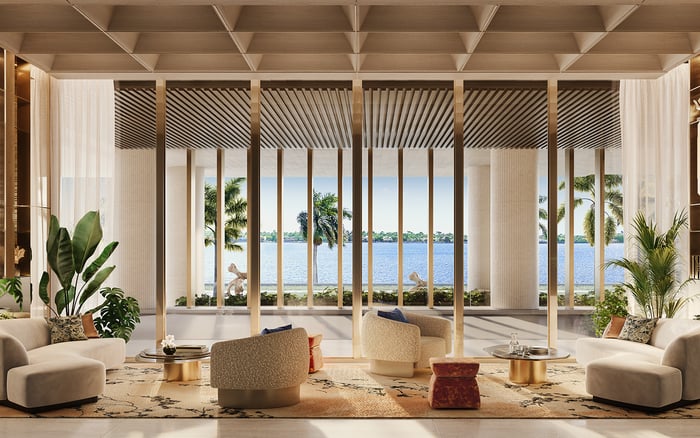
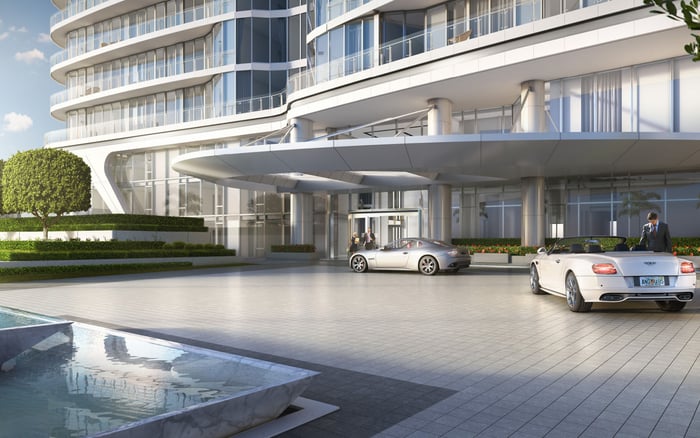
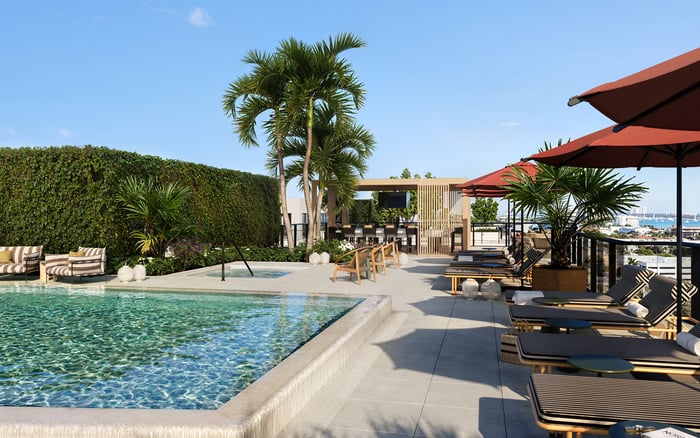
A buyer-focused comparison of The Ritz-Carlton Residences® West Palm Beach and The Berkeley Palm Beach through the lens of daily culture, mediated beach access, wind comfort, amenity rhythms, and seasonal crowding.
For ultra-premium buyers comparing The Ritz-Carlton Residences® West Palm Beach with The Berkeley Palm Beach, the decisive question is not simply which residence feels more polished. It is how each building is likely to live during the most active months of the year, when Palm Beach-area routines are shaped by beach logistics, bridge traffic, restaurant demand, visiting family, and the social tempo of the season.
Both properties belong in a West Palm Beach-focused buyer conversation rather than a purely oceanfront island discussion. That distinction matters. A residence can feel deeply connected to Palm Beach culture without delivering the same day-to-day experience as a barrier-island address directly on the sand. For buyers who already understand South Florida, that difference is not a compromise. It is a lifestyle decision.
The Ritz-Carlton Residences® West Palm Beach speaks to a buyer who values high-rise culture, service expectations, amenity programming, and proximity to the broader Palm Beach leisure circuit. The Berkeley Palm Beach invites a parallel reading, especially for buyers drawn to Palm Beach-branded living but attentive to how access, traffic, and seasonal density will affect daily life. In both cases, the more useful comparison is not marble versus millwork. It is how residents actually move.
Beach access in West Palm Beach is best understood as a sequence: leave the residence, navigate the city, cross into island routines where applicable, secure parking or drop-off, and then settle into the sand. That is materially different from walking downstairs from an oceanfront tower to a private shoreline, and buyers should keep that distinction clear.
For The Ritz-Carlton Residences® West Palm Beach, the beach lifestyle is mediated rather than presumed direct. Its appeal is tied to Palm Beach-area access, city-facing convenience, and a residential culture that may make the beach one part of a larger day rather than the entire point of ownership. A resident might start with a gym session, breakfast, errands, or a meeting before deciding whether the ocean is worth the trip on a given day.
The Berkeley Palm Beach should be approached with the same discipline. Its name may evoke Palm Beach, but buyers should not assume private sand, oceanfront exposure, or direct barrier-island conditions unless those details are confirmed in project-specific materials. The more refined question is how often residents are likely to pursue the beach, how they will time those outings, and whether the building culture supports spontaneous beach use or more planned seasonal routines.
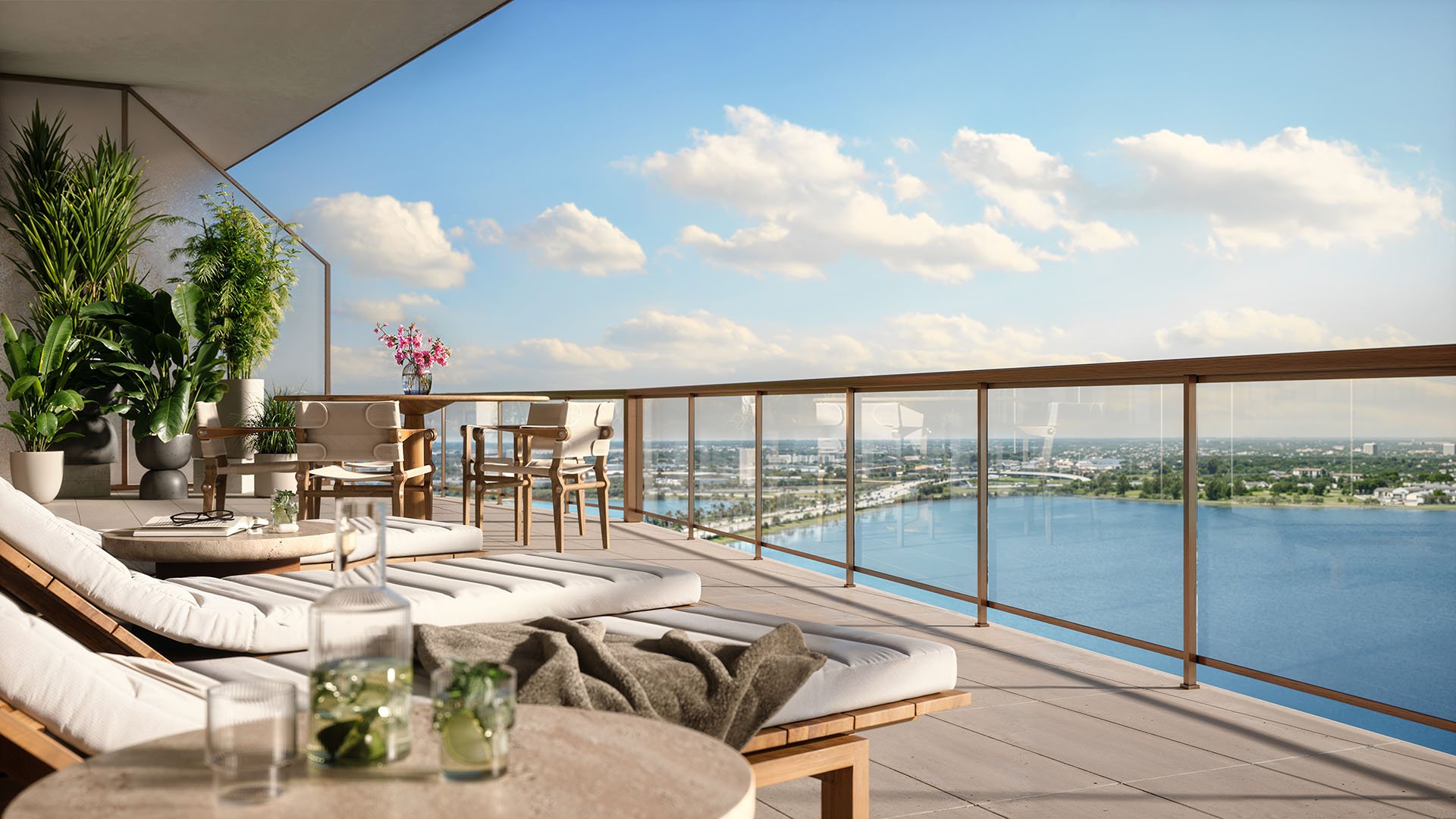
In coastal South Florida, wind is not only about storm-season resilience or architectural engineering. It is also about whether a balcony feels usable at breakfast, whether a terrace becomes an evening room, and whether pool areas feel protected or exposed during breezy winter days.
Because these projects are framed within West Palm Beach rather than confirmed oceanfront exposure, buyers should resist simplistic assumptions. Mainland or city-facing residences can still feel open and breezy, particularly on higher exposures, while ocean-adjacent properties can sometimes be less comfortable outdoors than their views suggest. The relevant evaluation is orientation, outdoor usability, and how shared spaces are likely to perform when seasonal winds meet peak occupancy.
At The Ritz-Carlton Residences® West Palm Beach, the brand expectation may draw residents who use amenities as an extension of private living. That makes protected outdoor zones, shaded seating, and service rhythms especially important. At The Berkeley Palm Beach, the same analysis applies, with attention to whether resident behavior is more beach-oriented, amenity-oriented, or city-oriented during the busiest weeks.
Every luxury building looks composed in renderings and quiet during low season. Peak season is the real test. Elevators, valet patterns, amenity reservations, guest policies, poolside etiquette, and the willingness of residents to share space all shape the day-to-day experience.
The Ritz-Carlton Residences® West Palm Beach is relevant for buyers who expect a high-service residential environment and may value programming, concierge-style rhythms, and a polished social structure. In that context, crowding is not only about headcount. It is about orchestration. A building with a culture of scheduled services and gracious shared-space conduct can feel calmer than a less populated building with less predictable behavior.
The Berkeley Palm Beach should be measured by the same standard. A Palm Beach-inflected buyer pool may bring expectations of discretion, privacy, and seasonal hosting. If many residents use the building as a second home, the busiest periods may feel concentrated around holidays, event weeks, and winter weekends. That does not make the lifestyle less desirable, but it changes how buyers should think about amenity demand and guest flow.
The strongest argument for a West Palm Beach residence is not that it imitates island living. It is that it offers a different kind of convenience. Dining, cultural outings, services, and daily errands can become easier when the residence is integrated into the city side of the Palm Beach orbit.
For The Ritz-Carlton Residences® West Palm Beach, buyers may prioritize a lifestyle where the beach is accessible but not compulsory. The building can serve as a refined base for dinners, appointments, seasonal events, and occasional sand-and-sea days. It is a strong match for residents who want Palm Beach energy without structuring every morning around the shoreline.
For The Berkeley Palm Beach, the buyer conversation is slightly more nuanced. The name may place Palm Beach in the imagination, but the lived experience still depends on actual positioning, traffic patterns, and how residents choose to use the area. In practical Palm Beach planning, the distinction between address identity and daily logistics is essential.
The Ritz-Carlton Residences® West Palm Beach is likely to resonate with buyers who want recognizable luxury, a cultivated residential environment, and the ability to move between city convenience and Palm Beach-area leisure. These buyers may care less about direct sand access and more about a composed home base with amenities that absorb some of the friction of season.
The Berkeley Palm Beach may appeal to buyers drawn to the Palm Beach lifestyle narrative but inclined to evaluate it through a West Palm Beach lens. The right buyer will ask clear questions about beach routines, exposure, amenity behavior, and seasonal occupancy rather than relying on branding alone.
Neither choice should be reduced to whether one is “closer to the beach” in an abstract sense. The more sophisticated comparison is whether each building’s culture aligns with the buyer’s actual week: morning swims or late dinners, frequent guests or quiet privacy, daily beach runs or occasional island rituals.
For South Florida luxury buyers, The Ritz-Carlton Residences® West Palm Beach and The Berkeley Palm Beach illustrate a broader truth: the most valuable residence is not always the one with the most obvious coastal language. It is the one whose daily rhythm remains elegant when traffic thickens, reservations tighten, breezes pick up, and the season reaches full volume.
Buyers should evaluate both properties through lived use. How will the beach be accessed? How often will outdoor spaces feel comfortable? What happens when friends visit in February? Is the pool a retreat or a scene? Does the building culture encourage privacy, sociability, or a carefully managed blend of both?
That is where the real distinction emerges. Finishes may impress in a private tour, but culture determines whether a building continues to feel effortless once everyone arrives for the season.
Is The Ritz-Carlton Residences® West Palm Beach an oceanfront Palm Beach island property? It should be evaluated in a West Palm Beach context, with beach access understood as mediated rather than assumed to be direct oceanfront living.
Should buyers assume The Berkeley Palm Beach has private beach access? No. Buyers should avoid assuming private sand or oceanfront exposure unless those specifics are confirmed in project materials.
What does building culture mean in this comparison? It refers to how residents use amenities, manage guests, share common spaces, and move through the property during peak season.
Why does peak season matter so much? Peak season reveals the real experience of elevators, valet flow, amenity demand, traffic, guest patterns, and beach logistics.
Is beach access the same as oceanfront living? No. Beach access can involve planning, transportation, timing, and seasonal traffic, especially from a mainland residential context.
How should buyers think about wind exposure? Wind should be considered through outdoor comfort, balcony use, terrace usability, and the feel of shared amenity areas.
Which project is better for a second-home buyer? The better fit depends on whether the buyer values brand-led service culture, Palm Beach-area access, privacy, or seasonal hosting patterns.
Does a pool matter if the beach is nearby? Yes. In peak season or windy conditions, a well-used pool environment can become the practical center of daily leisure.
What is the key risk in comparing these two projects? The key risk is assuming Palm Beach branding automatically equals direct island or private beach living without verifying logistics.
What should a buyer ask before choosing? Ask how each building handles guests, amenities, wind, beach trips, seasonal crowding, and daily convenience.
If you'd like a private walkthrough and a curated shortlist, connect with MILLION.
If branded residences are on your mind — as a home or as an allocation — we would be glad to share what we are seeing, privately.
Begin a quiet conversation