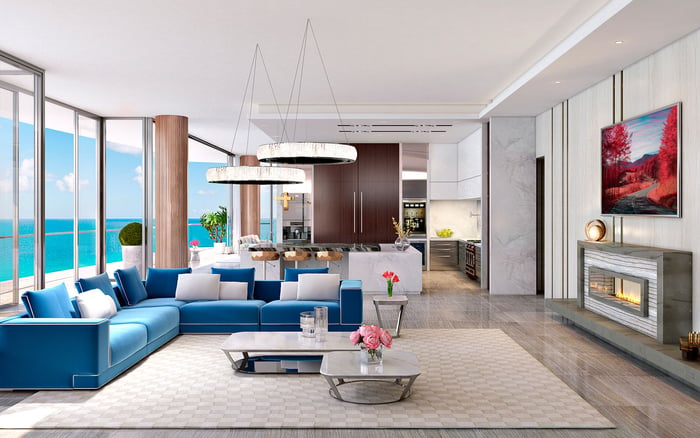
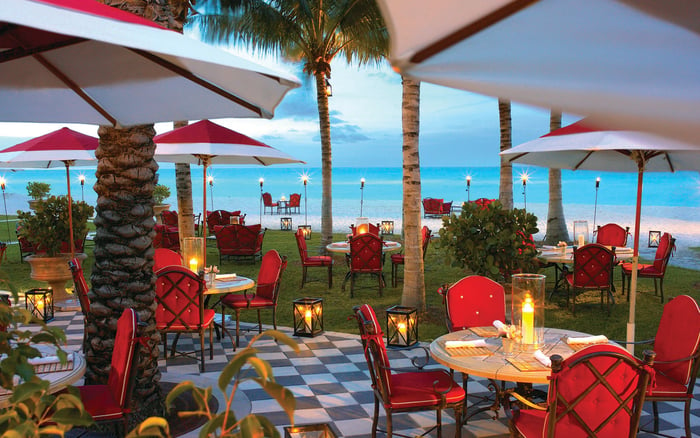
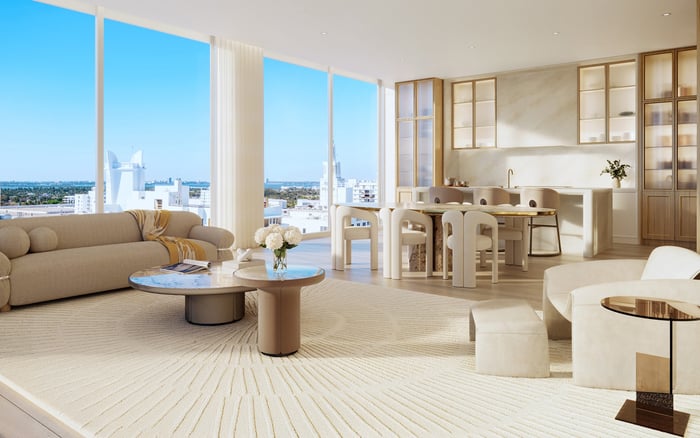
A buyer-focused comparison of The Ritz-Carlton Residences® South Beach and The Estates at Acqualina Sunny Isles, centered on lifestyle fit, view quality, privacy, and the practical discipline of long-term ownership costs.
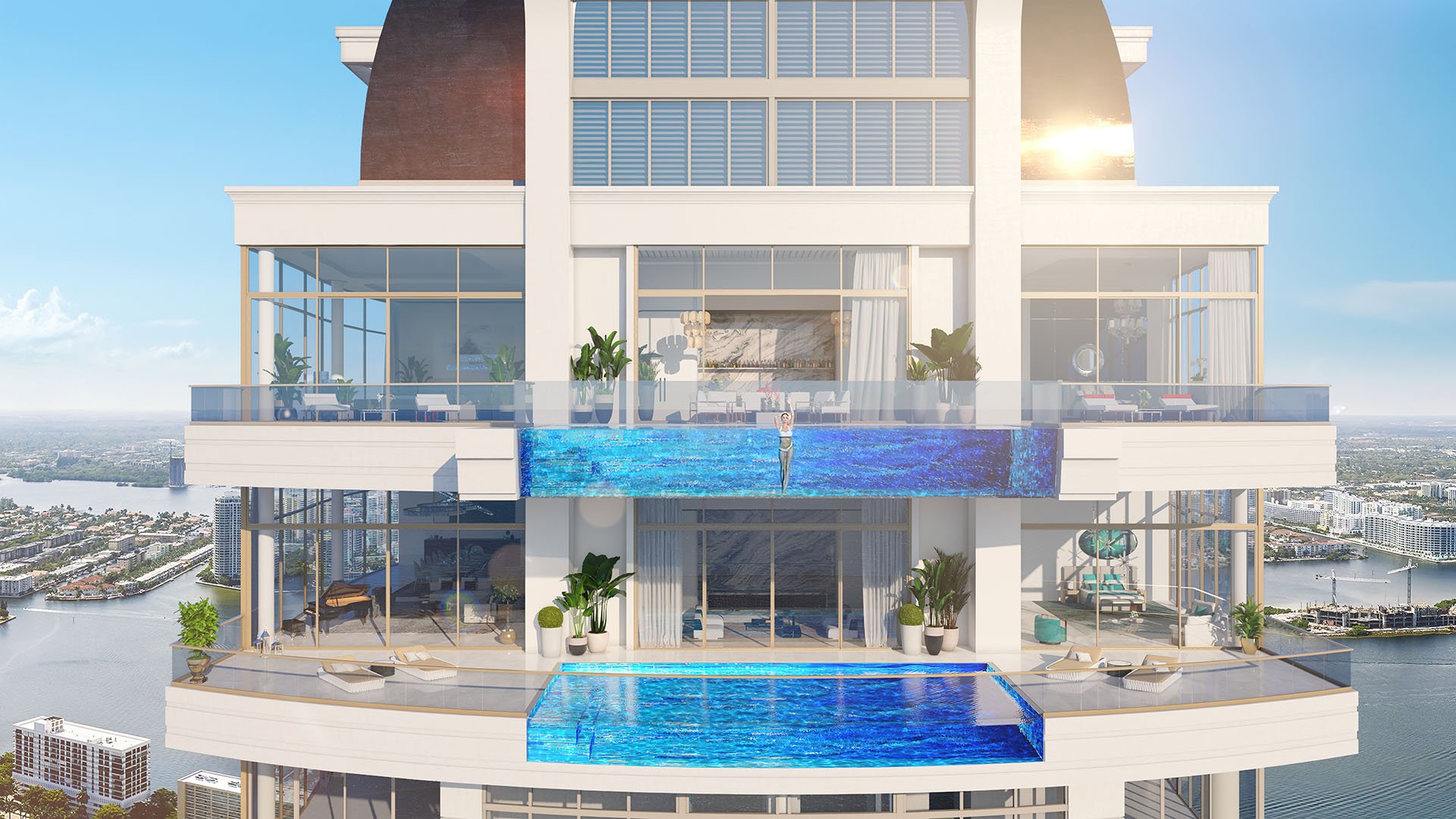
At the highest end of South Florida real estate, branding can be both useful and distracting. A name can signal hospitality expectations, design intent, service culture, and market familiarity. It can also lead a buyer past the less glamorous questions that determine whether a residence still feels effortless five years after closing.
That is why the comparison between The Ritz-Carlton Residences® South Beach and The Estates at Acqualina Sunny Isles should begin with lifestyle, not logo. One speaks to the kinetic elegance of Miami Beach, where dining, culture, architecture, and coastline converge within a compact daily radius. The other belongs to the vertical resort language of Sunny Isles, where the experience often feels more private, more controlled, and more oriented toward large-scale waterfront living.
For a buyer evaluating oceanfront presence, waterview quality, privacy, service, and second-home practicality, the question is not which name carries more prestige. The more valuable question is which ownership experience will remain coherent after the initial excitement has passed.
The Ritz-Carlton Residences® South Beach is best understood through proximity. South Beach is not a quiet backdrop. It is a stage. Buyers drawn to this setting usually want cultural immediacy, walkable restaurants, architecture with character, and the ability to move between beach, bay, hotel, private club, gallery, and dinner without feeling removed from the city’s pulse.
That energy can be extraordinary for the right owner. A Miami Beach buyer may value spontaneity more than seclusion, choosing a residence because it makes the neighborhood feel like an extension of the home. Morning walks, late dinners, visiting friends, and seasonal events become part of the residence’s utility, not incidental benefits.
The tradeoff is just as important. South Beach intensity requires precision around orientation, sound, arrival sequence, garage convenience, elevator privacy, and the emotional character of the surrounding blocks. In this context, the most desirable residence is not necessarily the one with the most recognizable branding. It is the one that edits the neighborhood beautifully, granting access to the drama without forcing the owner to live inside the noise.
The Estates at Acqualina Sunny Isles occupies a different psychological category. Sunny Isles is often chosen by buyers who want a more resort-like residential rhythm, with greater emphasis on private arrival, vertical views, beach orientation, and separation from the busiest urban districts. The Sunny Isles lifestyle is less about standing in the middle of every social current and more about returning to a controlled coastal environment.
For many ultra-premium buyers, that calm is the luxury. They want the water to dominate the day. They want fewer decisions between the elevator and the beach. They may entertain, but they also place a high value on retreat, staff coordination, family logistics, and the feeling of a complete residential ecosystem.
The risk in Sunny Isles is different from the risk in South Beach. Instead of asking whether the neighborhood has too much stimulation, the buyer must ask whether the daily routine offers enough texture. If the residence is primarily a seasonal escape, the answer may be yes. If it is a full-time home for someone who thrives on restaurants, art, and street-level movement, the owner should be honest about how often they will travel south for the energy they thought they could live without.
Water views sell emotion quickly. They should be evaluated slowly. A dramatic view from a model residence can be persuasive, but a buyer should consider when and how that view will actually be used. Morning light, afternoon glare, sunset orientation, balcony depth, neighboring towers, privacy from adjacent residences, and the view from primary rooms matter more than a single spectacular photograph.
In South Beach, the premium may come from the tension between city and water. The most compelling residence may offer a layered outlook, allowing the buyer to feel connected to Miami’s movement without losing the calm of home. In Sunny Isles, the ideal view may be more panoramic and immersive, with the ocean or Intracoastal becoming the dominant visual identity of the residence.
Neither is inherently superior. A buyer who entertains frequently may prefer cinematic backdrops and a strong great-room arrival. A buyer using the residence as a restorative retreat may care more about bedroom views, terrace privacy, and the quiet consistency of waking to water. The correct valuation should follow the owner’s actual rituals.
In branded and ultra-luxury condominium ownership, the purchase price is only the first line of the decision. Carrying costs shape the long-term relationship with the property. Association obligations, insurance environment, reserves, assessments, staffing expectations, utilities, parking, maintenance, and personal service requirements should all be modeled before a buyer becomes emotionally committed.
This is especially important when comparing two very different ownership settings. A highly serviced residence can be worth every dollar if the owner uses the experience fully. It can feel inefficient if the buyer is rarely present, duplicates services elsewhere, or values simplicity over amenity depth. Conversely, a residence with a quieter amenity posture may carry beautifully if it aligns with the owner’s real use pattern.
For investment-minded buyers, carrying costs also influence exit strategy. Even when the residence is primarily personal, future buyers will evaluate the same monthly obligations. A strong brand may help create confidence, but it does not exempt a property from financial scrutiny. The most resilient purchase is one where the buyer can explain the value of the monthly spend in plain language.
Branding can provide a framework. It can suggest service expectations and attract a buyer pool already familiar with a certain hospitality vocabulary. But in South Florida’s ultra-premium market, sophisticated buyers do not buy a name alone. They buy a specific line, a specific exposure, a specific building culture, and a specific way of moving through the day.
The best comparison therefore sits at the intersection of emotion and discipline. Which residence has the arrival sequence that feels natural? Which one handles guests well? Which primary suite feels private without feeling isolated? Which terrace is usable, not just photogenic? Which building’s rules, staffing, and financial structure match the owner’s expectations?
A buyer choosing between these two addresses should tour with a written ownership profile. How many months per year will the residence be used? Will it serve children, extended family, visiting staff, or business guests? Is the owner looking for social energy or restorative silence? Does the buyer want to be recognized by name in a lively district, or quietly supported within a more self-contained environment?
Choose The Ritz-Carlton Residences® South Beach if the emotional pull is toward Miami Beach itself. The address should feel like a key to the city, with the residence acting as a refined base for a more active coastal life. The buyer should be comfortable with urban adjacency and should value the neighborhood as part of the asset.
Choose The Estates at Acqualina Sunny Isles if the desire is for a more resort-like residential experience, where the home is less a launch point and more a destination. The buyer should want scale, privacy, water, and a daily rhythm that feels deliberately removed from the most animated parts of Miami Beach.
In both cases, the winning purchase will be the one that survives a practical test: after modeling carrying costs, evaluating the view at different times, considering the true use pattern, and understanding the building culture, the residence should still feel inevitable.
Is The Ritz-Carlton Residences® South Beach better for a full-time lifestyle? It may suit buyers who want cultural proximity, dining access, and the energy of Miami Beach woven into daily life.
Is The Estates at Acqualina Sunny Isles better for privacy? It may appeal to buyers who prefer a more resort-like setting and a calmer residential rhythm in Sunny Isles.
Should branding be the deciding factor? No. Branding can support confidence, but exposure, floor plan, service culture, and costs should lead the decision.
Which is better for a second-home buyer? The answer depends on use. South Beach may favor active seasonal living, while Sunny Isles may favor retreat-oriented stays.
How should buyers compare waterview quality? They should evaluate views from the rooms they will use most, at different times of day, not just from the terrace.
Are carrying costs especially important in branded residences? Yes. Service expectations, staffing, reserves, insurance, and maintenance can materially shape long-term ownership comfort.
Can oceanfront appeal outweigh practical concerns? It should not. A beautiful water setting still needs to work financially, operationally, and emotionally.
Is Miami Beach living too active for some buyers? It can be. Buyers should decide whether neighborhood energy feels enriching or intrusive before committing.
Is Sunny Isles too quiet for some owners? It can be for buyers who want frequent cultural and dining spontaneity immediately outside the door.
What is the best way to choose between the two? Define the real use pattern first, then compare views, privacy, service, and carrying costs against that profile.
For a tailored shortlist and next-step guidance, connect with MILLION.
If branded residences are on your mind — as a home or as an allocation — we would be glad to share what we are seeing, privately.
Begin a quiet conversation