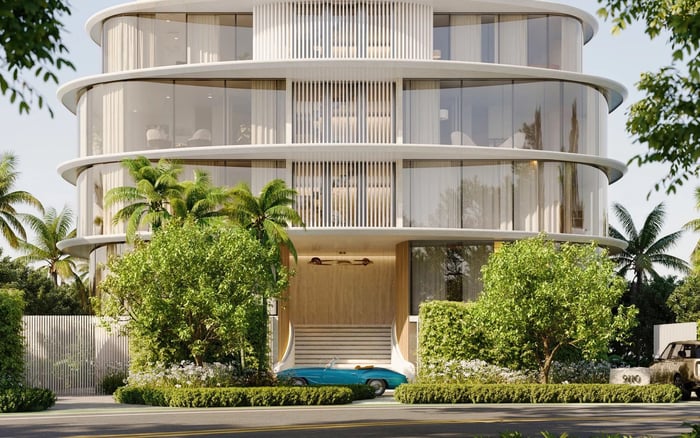
A refined buyer’s framework for evaluating North Miami residences through the lens of comfort, privacy, access, and long-term elegance.
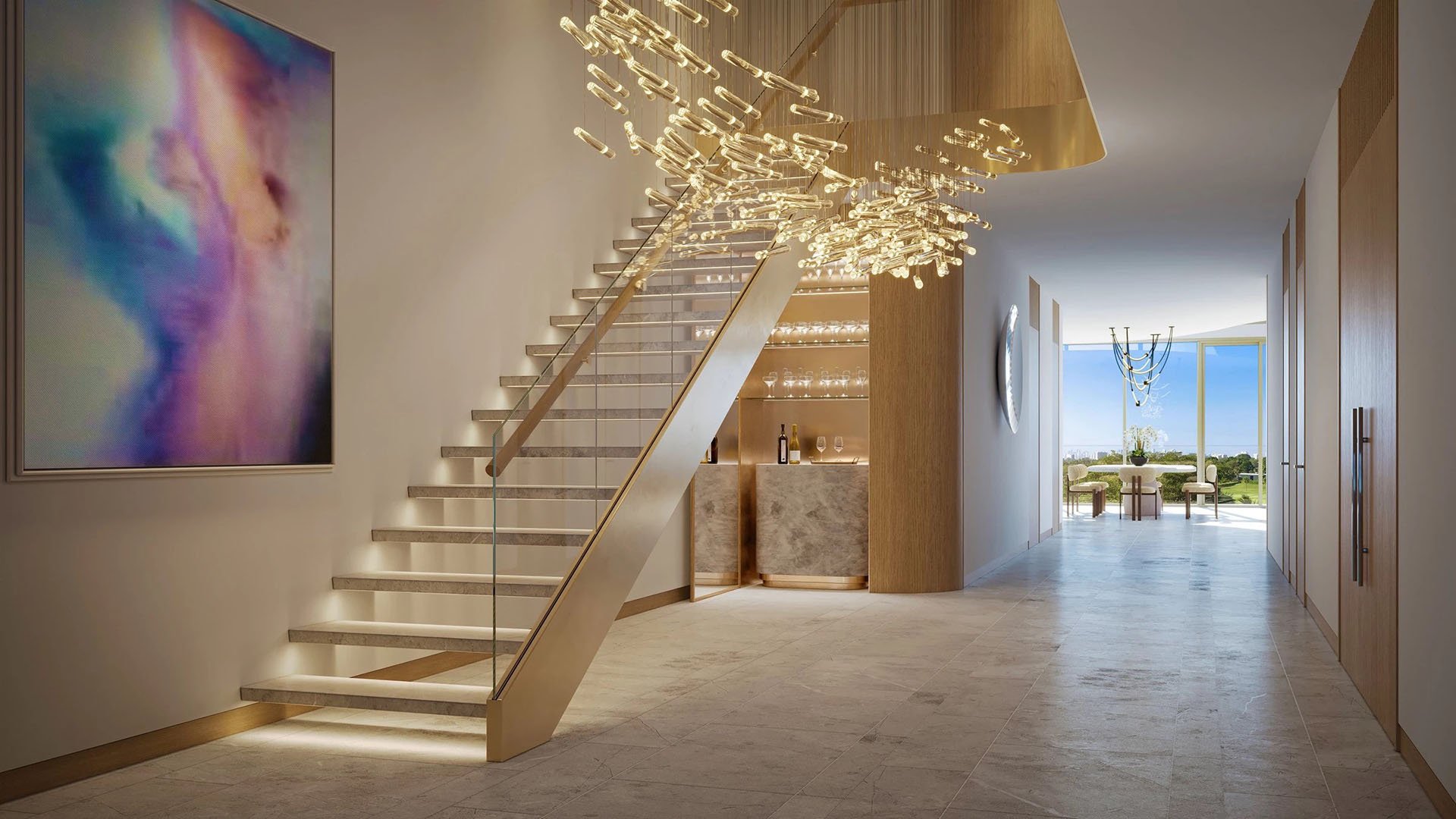
For a luxury buyer considering North Miami with long-term residence in mind, aging in place should never read as a concession. It is not a clinical brief or a checklist of visible accommodations. At the highest level, it is a design discipline: the quiet art of making a home feel gracious, intuitive, and forgiving as life changes.
The strongest ownership test begins before one steps inside. Arrival is the first measure of elegance. Is the approach legible in rain, at night, and when guests arrive with luggage? Is there sufficient covered space for a calm transfer from car to entry? Does the path from garage, motor court, valet point, or lobby feel direct rather than improvised? A residence designed for longevity should not ask its owner to negotiate awkward turns, unnecessary stairs, heavy doors, or poorly lit transitions.
In North Miami, where buyers may compare waterfront settings, established residential enclaves, and condominium options, the most durable choice is rarely the most theatrical. It is the one that makes ordinary movement feel composed. The residence should support a dinner party, a visiting adult child, a private nurse, a house manager, or a quiet morning alone with equal discretion.
Floor plan glamour often begins with volume, views, and finishes. Long-term comfort begins with circulation. A buyer should walk the home slowly and imagine days with different energy levels. The question is not only whether a room is beautiful, but whether movement between rooms remains effortless.
Wide, intuitive paths matter. So do thresholds that do not interrupt the foot, door swings that do not compete with furniture, and hallways that can accommodate two people moving together. An elegant aging-in-place residence does not announce adaptation. It simply allows the owner to live without friction.
For condominium buyers, the same test extends beyond the private residence. The elevator sequence, garage connection, lobby scale, mail access, package flow, and amenity route all shape daily comfort. A spectacular apartment can become less appealing if the path to it feels demanding. Conversely, a quieter residence with a calm, predictable building sequence can feel more luxurious over time.
Search language may include North Miami Beach, Aventura, Bay Harbor, balcony, pool, and new construction, yet the more refined filter is lived ease. The labels help organize a search. The ownership test determines whether the home can support a decade of changing needs.
A future-ready primary suite is more than a bedroom. It is a retreat with enough independence to serve the owner through different seasons of life. The ideal suite offers a logical path from bed to bath, generous storage close at hand, and enough space for seating without crowding circulation.
Bathrooms deserve particular scrutiny. The most graceful examples avoid visual clutter while allowing room to maneuver. Buyers should look for generous shower dimensions, stable surfaces, thoughtful lighting, and vanities that can be used comfortably over time. A beautiful bath that requires balance, reach, or constant caution is not elegant. It is merely photogenic.
Closets also reveal the intelligence of a residence. Storage should not require ladders, deep bending, or constant rearrangement. The best closets are arranged with the same intention as a dressing room in a great hotel: clear, calm, and accessible without effort.
Aging in place is not only about the owner’s body. It is also about the home’s ability to receive support without surrendering privacy. The kitchen, laundry, service entrance, and staff circulation matter deeply in this equation.
A refined kitchen should allow the owner to prepare a simple breakfast as easily as it accommodates a chef for an evening. Appliance placement should feel natural, not performative. Storage should be visible and reachable. Islands should support seating, conversation, and prep without turning the room into an obstacle course.
Service zones should be considered with equal care. Can deliveries be received without disrupting the main living spaces? Is there a discreet place for household supplies? Can a caregiver, housekeeper, or visiting wellness professional operate with dignity and privacy? Homes that answer yes tend to age better as assets and as places to live.
In South Florida, outdoor space is often marketed as lifestyle. For the long-term owner, it must also be practical. A terrace, garden, or loggia should feel like an extension of the interior, not a destination that requires effort.
The transition to outdoor space is crucial. Heavy sliders, raised tracks, narrow openings, and slippery surfaces can diminish daily use. Shade is equally important. Outdoor areas that are comfortable for only a narrow part of the day may photograph well but underperform as living space.
A well-designed balcony can become a morning room, a reading terrace, or a place for quiet conversation. A pool can be restorative when access is clear, surfaces are stable, and seating areas allow rest before and after swimming. The test is simple: would the owner use the space on an ordinary Tuesday, not only when guests are present?
Aging elegantly also requires emotional comfort. Privacy, sound control, and a sense of security influence whether an owner feels confident remaining in place. These qualities are often harder to quantify, but they are immediately felt.
Buyers should pause in bedrooms, living areas, terraces, and corridors. Listen for mechanical noise, neighboring activity, street movement, and elevator sounds. Consider whether guest rooms are sufficiently separated to preserve independence. Consider whether staff or visiting family can stay without making the primary suite feel exposed.
Security should be layered and calm. The strongest residences do not feel fortified. They feel managed. Lighting, access control, sight lines, and building staffing can all contribute to an atmosphere of quiet assurance. For single-family homes, gate sequence, landscape visibility, and nighttime movement deserve the same attention.
The most elegant aging-in-place residences conceal their intelligence. They do not ask the owner to accept a diminished aesthetic. Instead, they use proportion, material, and planning to make comfort feel inevitable.
Adaptable rooms are especially valuable. A den can become a wellness room. A guest suite can become a caregiver suite. A ground-level room can support an owner who wants fewer vertical movements. A secondary living area can give visiting family independence. Flexibility is luxury when it is designed before it is needed.
For buyers comparing resale and new construction, the question is not which category is superior. It is which residence has the bones to adapt gracefully. Some established homes offer generous proportions and privacy. Some newer residences offer cleaner circulation and contemporary building systems. The ownership test is the same in either case: does the property make the next chapter feel natural?
A serious buyer should tour twice if possible: once for emotion, once for function. The first visit reveals attraction. The second reveals ownership.
On the second tour, move from arrival to primary suite without rushing. Open doors. Test light switches. Stand in the shower. Sit where breakfast would happen. Imagine returning from travel, hosting guests, managing a minor injury, or living alone for several days. The goal is not to make the home feel smaller or more cautious. It is to see whether its elegance survives reality.
A residence that supports aging in place should feel neither overbuilt nor compromised. It should feel quietly prepared. In North Miami, that may be the defining luxury: a home that allows its owner to remain connected to place, routine, family, and beauty without making adaptation visible.
What does aging in place mean for a luxury buyer? It means choosing a residence that can remain comfortable, private, and elegant as mobility, household needs, and family patterns evolve.
Should aging-in-place features be visible? Not necessarily. The most refined homes use proportion, circulation, lighting, and adaptable rooms so support feels integrated rather than clinical.
Is a condominium or single-family home better for long-term living? Either can work if arrival, access, privacy, service flow, and daily circulation are strong. The ownership test matters more than the property type.
Why is arrival so important? Arrival determines how easily an owner, guest, driver, caregiver, or staff member can enter the residence in ordinary and demanding moments.
What should buyers examine in the primary suite? Buyers should study the path from bed to bath, closet accessibility, lighting, seating space, shower comfort, and the suite’s privacy from guests.
How should outdoor space be evaluated? Look for easy transitions, shade, stable surfaces, comfortable seating, and a layout that invites daily use rather than occasional display.
Do service areas matter for aging in place? Yes. Deliveries, laundry, kitchen support, and caregiver access should function discreetly without disrupting the owner’s private living areas.
Can a beautiful home still fail the ownership test? Yes. A visually impressive residence may be less successful if circulation is awkward, storage is difficult, or daily routines require too much effort.
What role does flexibility play? Flexible rooms allow the home to absorb changing needs, from wellness uses to guest stays, without requiring a disruptive redesign.
When should buyers apply this test? Apply it before contract, during private showings, and again during due diligence so emotional appeal is balanced by long-term livability.
For a discreet conversation and a curated building-by-building shortlist, connect with MILLION.
If branded residences are on your mind — as a home or as an allocation — we would be glad to share what we are seeing, privately.
Begin a quiet conversation