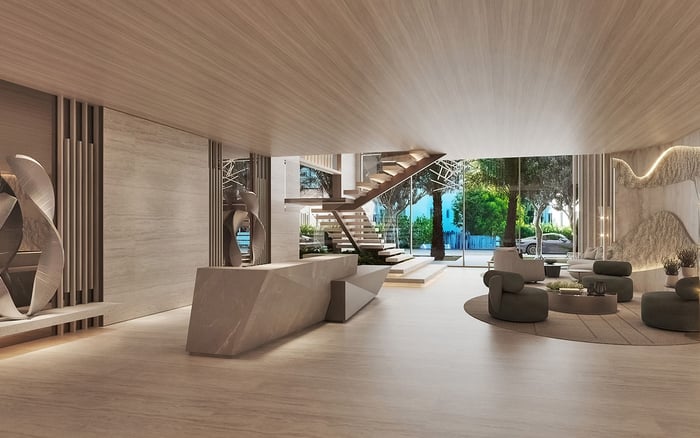
A disciplined framework for assessing Avenia Aventura as both a luxury residence and a strategic family asset, with emphasis on recurring costs, staffing, governance, succession, and resale optionality.
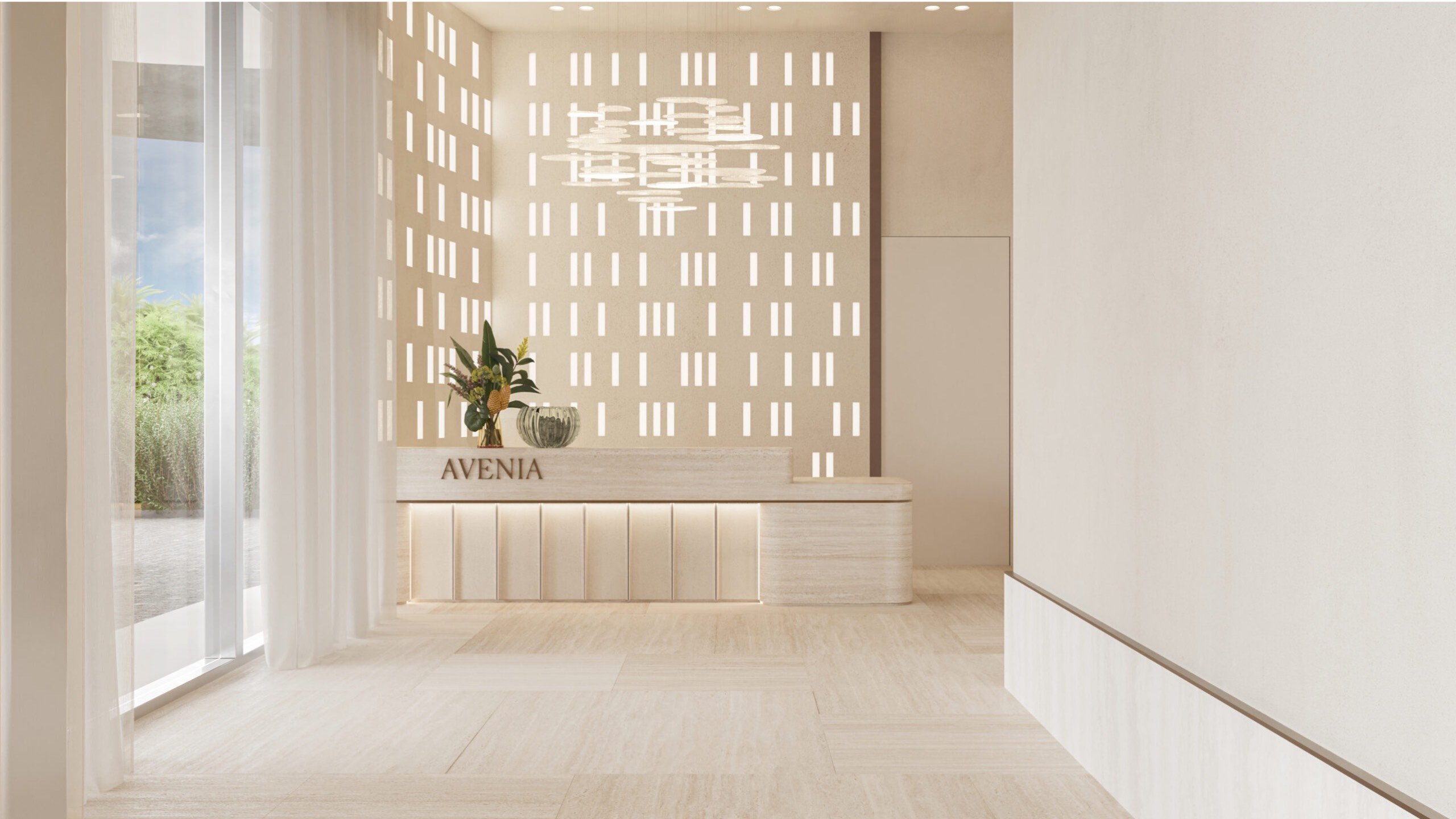
For a family office, Avenia Aventura is more than an elegant place to live. It belongs within a broader conversation about capital preservation, lifestyle utility, governance, and the ability to change course as family circumstances evolve.
Conventional real-estate fundamentals remain essential, but they sit alongside questions private buyers often reserve for operating businesses: What does the asset cost to maintain at the desired standard? Who oversees it? How readily can its purpose change? What happens when the next generation assumes control?
The result should be an investment case that reflects both financial discipline and the residence's less quantifiable benefits.
The purchase commitment is only the beginning of the underwriting. A family office should request and verify a complete schedule of recurring obligations, including association charges, property taxes, insurance, utilities, routine maintenance, and any services required to keep the residence continuously prepared for use.
Without verified figures, precision would be artificial. The more rigorous approach is to construct base, stressed, and low-occupancy scenarios once current documents are available. Each scenario should separate fixed costs from expenses that rise with occupancy, service levels, or maintenance demands.
The model should also account for periodic capital needs. Even when no major work is anticipated, a prudent reserve policy can prevent an aesthetic refresh or equipment replacement from becoming an unplanned family distribution. Carry should be measured not merely as an annual total, but as the price of preserving readiness, condition, and strategic choice.
Operational design begins with an honest occupancy calendar. A primary residence, a frequently used South Florida base, and a second-home asset each create distinct staffing requirements. The central question is not how many people can be assigned to the property, but what level of coverage protects the home without creating unnecessary managerial weight.
A useful staffing plan defines responsibilities before headcount. Residence oversight, vendor coordination, arrival preparation, housekeeping, maintenance supervision, and security liaison may be handled by dedicated employees, shared family-office personnel, outsourced providers, or a hybrid structure. Every arrangement should establish reporting lines, approval thresholds, privacy protocols, and backup coverage.
Families comparing northern Miami-Dade options might also include One Park Tower by Turnberry North Miami in a broader operational review. The purpose is not to presume equivalence, but to test how alternative residences shape oversight and service expectations.
Lifestyle utility is real, even when it cannot be reduced to a conventional yield. The relevant measure is how effectively the residence serves the family: frequency of use, ease of arrival, capacity for multigenerational stays, and the degree to which ownership simplifies life rather than adding friction.
Here, a family office can distinguish preference from durable utility. A residence used consistently and aligned with established routines may justify a higher annual carry than one selected for occasional aspiration. Conversely, a lightly used property with complex operating demands can become expensive optionality.
A regional comparison set can sharpen that judgment. Bentley Residences Sunny Isles may enter the discussion for buyers considering Sunny Isles, while 2000 Ocean Hallandale Beach can broaden the review to Hallandale Beach. Each comparison should focus on the family's use case, not prestige in isolation.
Intergenerational planning should be addressed before closing, not after family use patterns begin to change. Legal and tax advisers can assess the appropriate ownership entity, control provisions, transfer mechanics, and implications for beneficiaries. The residence's operating rules should then align with that structure.
Governance deserves equal attention. The family should identify who may authorize renovations, approve exceptional expenses, schedule extended occupancy, or initiate a sale. A concise policy can reduce ambiguity while preserving flexibility for the principal decision-makers.
This is also the moment to clarify whether the asset is intended as a legacy residence, a medium-term holding, or a flexible base with no presumption of permanence. Each intention calls for different reserve policies and decision thresholds.
Exit flexibility is a strategic feature, not an admission of weak conviction. Before acquisition, advisers should review verified comparable sales, current competitive inventory, transaction costs, likely preparation requirements, and any rules that could affect leasing or resale. None should be assumed without current documentation.
The family office can then model several paths: continued personal use, reduced occupancy, transfer within the family, a permitted rental strategy, or disposition. The objective is not to predict a single outcome, but to understand which choices remain available and what each may require in time, capital, and governance.
Liquidity should be assessed conservatively. Luxury residences are distinctive assets, and a desired sale timetable may not align with the market's preferred pace. A well-capitalized owner gains leverage by avoiding a forced exit.
Avenia's case is strongest when residential enjoyment, operational simplicity, and capital stewardship reinforce one another. Before approval, the investment committee should require verified cost schedules, a realistic staffing blueprint, ownership advice, and comparable resale evidence.
The final decision need not force lifestyle and finance into a single metric. Instead, it should demonstrate that the family understands both, has assigned responsibility for each, and retains credible options if priorities change.
Why evaluate Avenia Aventura through a family-office lens? This framework captures capital preservation, residential use, governance, and flexibility rather than focusing on acquisition alone.
Which carrying costs should be reviewed? Verify association charges, taxes, insurance, utilities, maintenance, service expenses, and appropriate reserves before final underwriting.
How should uncertain costs be modeled? Use base, stressed, and low-occupancy scenarios after obtaining current schedules and governing documents.
Does a luxury residence require dedicated staff? Not necessarily. Staffing should reflect occupancy, service expectations, privacy requirements, and the family's existing operating platform.
What should a residence manager oversee? The role may include vendors, maintenance, arrival readiness, household standards, and reporting, subject to the family's chosen structure.
How can lifestyle value be assessed? Examine actual use, convenience, multigenerational relevance, and whether the residence reduces or increases operational friction.
Why address succession before purchasing? Early planning can align ownership, control, beneficiary interests, and future transfer decisions with the family's broader objectives.
What supports exit flexibility? Verified comparable sales, competitive inventory, governing rules, transaction-cost estimates, and realistic timing assumptions support a clearer plan.
Should rental income be included in underwriting? Only after current rental permissions, restrictions, operating requirements, and realistic economics have been independently verified.
What is the final approval test? The asset should deliver meaningful use, manageable operations, disciplined carry, and credible options as family priorities evolve.
For a discreet conversation and a curated building-by-building shortlist, connect with MILLION.
If branded residences are on your mind — as a home or as an allocation — we would be glad to share what we are seeing, privately.
Begin a quiet conversation