A discreet buyer’s guide to weighing club access, race-week mobility, privacy, and long-term residential value around the Miami Grand Prix.
For luxury buyers considering South Florida during the Miami Grand Prix, proximity can sound deceptively simple. A residence may appear close to a race-week club, private hospitality venue, social club, marina, or favored gathering place, yet the ownership experience depends on far more than straight-line distance.
The meaningful measure is door-to-door ease. Buyers should examine the route from residence to destination, building access procedures, parking arrangements, guest policies, security protocols, and the practical effects of event traffic. A short distance may still involve multiple checkpoints or an inconvenient transfer. A longer route can feel more composed when it offers predictable access and discreet arrivals.
This is the central principle for F1-oriented buyers: purchase for the complete lifestyle, then consider event access as one component of that decision. These buyer’s-guide questions help distinguish genuine convenience from marketing shorthand.
“Club proximity” can describe very different priorities. One buyer may value access to race hospitality; another may prioritize a private dining club, golf routine, marina, beach club, or members-only wellness setting. The right residential search begins by defining the club relationship itself.
Ask whether membership is required, whether access is transferable, and whether guests can be accommodated. Determine whether the club will be used weekly, seasonally, or only around major events. Buyers should also distinguish between being near a venue and holding confirmed privileges there. Real estate ownership and club membership are separate considerations unless documents explicitly establish otherwise.
A useful exercise is to map three routines: an ordinary weekday, a peak social evening, and a major event day. The best address is often the one that performs gracefully across all three.
Aventura can suit buyers seeking a polished residential base with flexibility across northern Miami-Dade and Broward. A property such as Avenia Aventura can be considered within a broader comparison of route options, building operations, privacy, and everyday neighborhood fit. The project should be assessed on its own merits rather than on assumed event convenience.
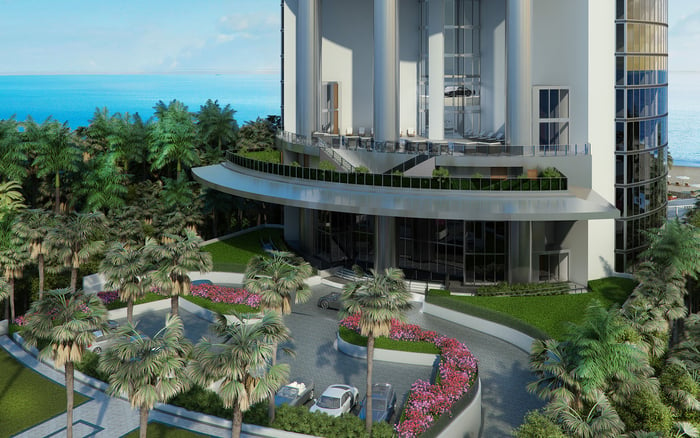
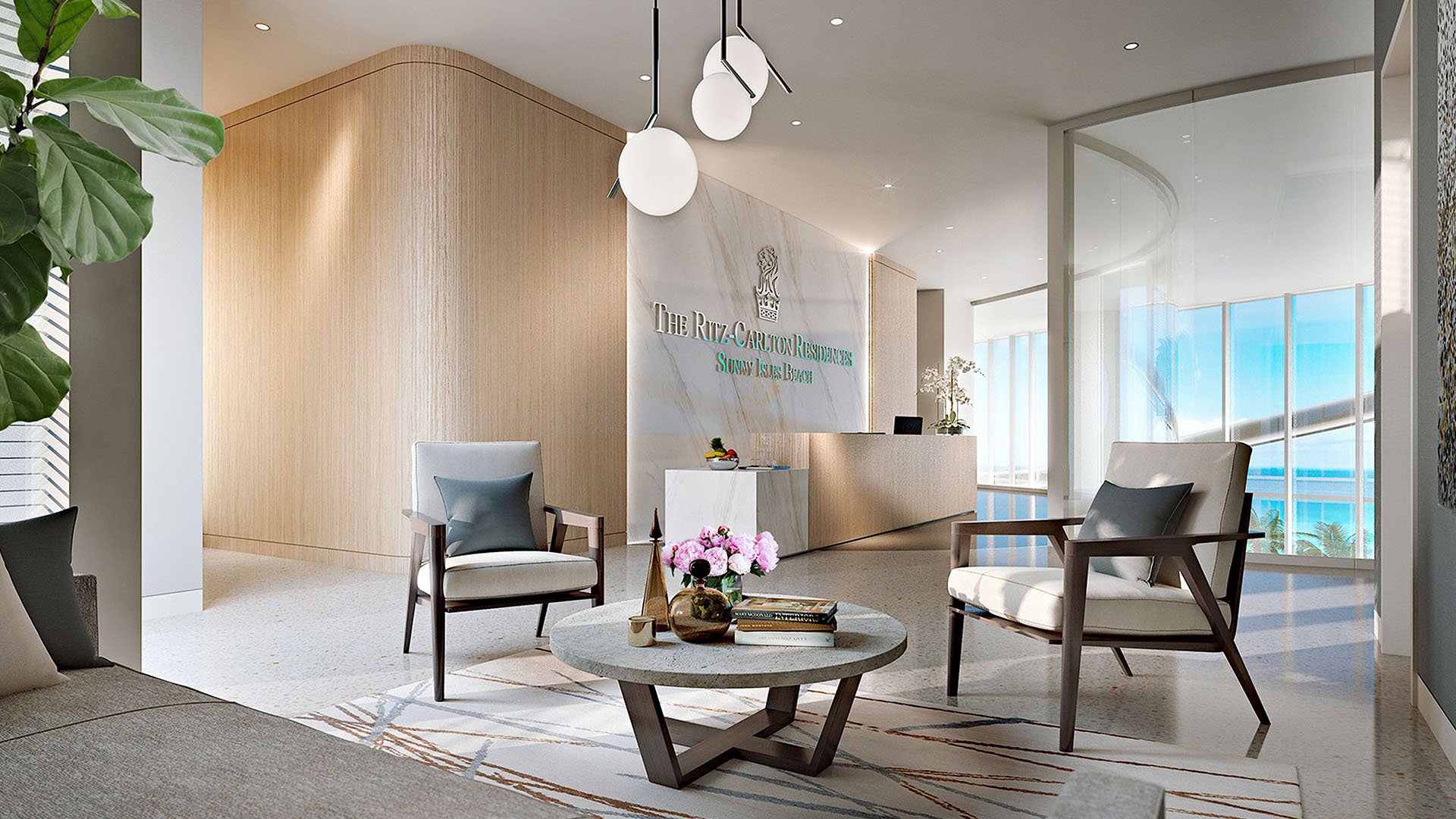
Sunny Isles Beach presents a different proposition, shaped by an oceanfront residential rhythm. Buyers reviewing Bentley Residences Sunny Isles should weigh race-week travel expectations against the qualities they will use throughout the year, including the arrival experience, service model, views, and access to daily necessities.
Miami Beach may appeal to owners who place dining, culture, and social activity at the center of their South Florida lives. Setai Residences Miami Beach offers a useful reference point for weighing a beach-oriented address against travel to clubs or events elsewhere. The buyer’s test should include late-evening returns, guest arrivals, and the desired degree of separation from public activity.
Brickell offers an urban alternative for those who prefer a city base. When considering 2200 Brickell, buyers can compare an urban routine with coastal options, paying particular attention to vehicle staging, valet procedures, driver access, and the time required to navigate the city during high-demand periods.
Proximity warrants a premium only when it improves the owner’s actual routine. Before making an offer or reservation, request a realistic access plan. The review should cover the primary route, at least one alternative, pickup and drop-off points, parking rights, and any restrictions affecting hired drivers or household staff.
Repeat the exercise at the times when the route will matter most. A daytime tour may not reveal evening congestion, security queues, garage delays, or pressure in loading areas. Buyers who expect to entertain should also test how visitors enter the property, where they wait, and whether club transportation can approach the building comfortably.
Do not overlook pedestrian comfort. A visually short walk may prove unsuitable because of weather exposure, crossings, attire, privacy concerns, or temporary controls. “Walkable” should be treated as a personal standard, not a universal one.
The ideal event residence should become quieter, not more complicated, when the owner closes the door. Review how the building separates residents from visitors, manages deliveries, controls elevators, and handles temporary surges in arrivals. Ask whether event periods alter valet operations, service access, amenity reservations, or guest registration.
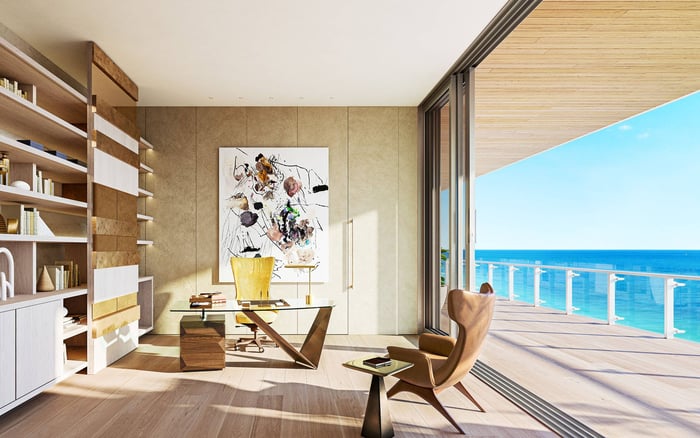
Inside the residence, evaluate orientation, glazing, terrace exposure, bedroom placement, and arrival visibility. These details may matter more than nominal mileage. Owners who prize discretion may prefer a slightly more distant home with controlled circulation to the closest possible address.
The same logic applies after race week. A purchase should continue to meet the household’s expectations for wellness, dining, schools, boating, business access, and airport routines. Event energy can enhance ownership, but it should not become the sole foundation of value.
A disciplined buyer separates personal utility from resale logic. Club access may be highly valuable to one household yet irrelevant to the next. When evaluating price, identify the qualities with enduring relevance: waterfront position, privacy, floor plan, service, construction quality, parking, views, and neighborhood character.
Review the legal and financial fundamentals as well. These include association documents, budgets, assessments, insurance responsibilities, rental rules, pet policies, renovation restrictions, and club agreements. If access depends on a membership, transportation arrangement, or third-party privilege, confirm its cost, duration, renewal terms, and transferability in writing.
The strongest choice is not necessarily the residence with the boldest proximity claim. It is the one in which access, privacy, service, and year-round livability align with the buyer’s habits. That balance allows the Miami Grand Prix to become a refined benefit of ownership rather than its only rationale.
What does club proximity mean for a Miami Grand Prix buyer? It should mean practical door-to-door access to the buyer’s preferred club or hospitality setting, not simply a short distance on a map.
Should I pay more for a residence near race-week activity? Only if the access materially improves your routine and the property also supports a sound year-round ownership case.
How can I test travel convenience before buying? Drive the primary and alternate routes at relevant times, then review parking, drop-off, valet, and security procedures.
Is walking distance always an advantage? No. Weather, crossings, temporary controls, attire, and privacy can make a short walk impractical.
Does buying nearby guarantee club access? No. Confirm membership requirements, guest privileges, transfer rules, fees, and renewal terms separately from the property purchase.
Which area is best for Grand Prix-oriented ownership? The answer depends on the household’s preferred balance of event access, waterfront living, urban energy, privacy, and daily routines.
What building operations deserve special attention? Review resident entry, valet capacity, guest registration, elevator controls, deliveries, staff access, and event-period procedures.
How should privacy influence the search? Consider arrival visibility, visitor circulation, residence orientation, glazing, terrace exposure, and separation between residents and public activity.
Can event proximity support resale value? It may appeal to certain buyers, but durable property qualities and year-round livability should carry greater weight.
What should I verify before signing? Review property documents, financial obligations, use restrictions, parking rights, and any separate club or transportation agreement with qualified advisers.
For a confidential assessment and a building-by-building shortlist, connect with MILLION.
If branded residences are on your mind — as a home or as an allocation — we would be glad to share what we are seeing, privately.
Begin a quiet conversation