A discreet buyer’s guide to insurance-deductible diligence at The Ritz-Carlton Residences® Palm Beach Gardens, with practical questions for condominium purchasers in Palm Beach County.
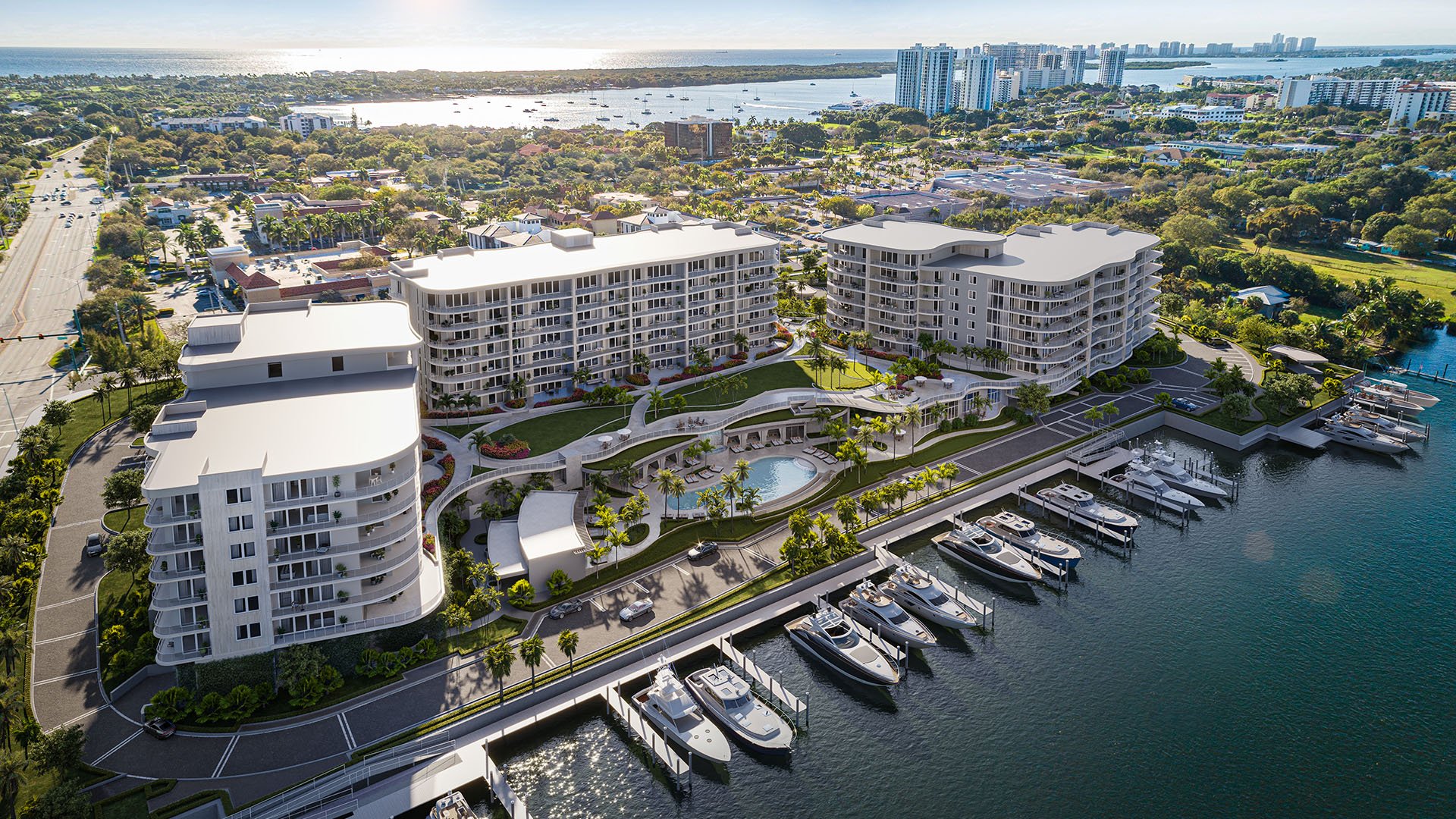
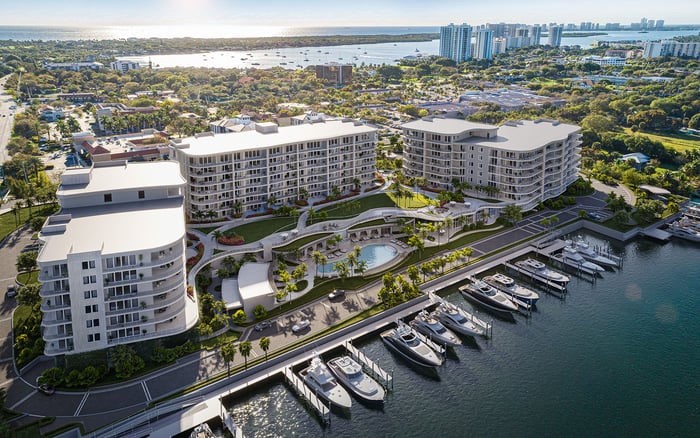
The Ritz-Carlton Residences® Palm Beach Gardens sits within the broader South Florida luxury condominium conversation, where service expectations, association governance and long-term ownership costs all matter. Buyers may focus first on residence layout, design, privacy and lifestyle, but insurance-deductible diligence should be part of the same early review.
For sophisticated purchasers, the question is not simply whether insurance exists. The more useful question is how the association’s master policy is structured, what deductibles may apply after a covered event and how those deductibles could affect owners. A deductible that seems technical during contract review can become a practical funding issue after a loss.
That diligence should begin before a residence is reserved or purchased. The Ritz-Carlton Residences® Palm Beach Gardens is presented as a branded residential offering, not a Ritz-Carlton hotel, and the residences are not owned, developed or sold by The Ritz-Carlton Hotel Company itself. That distinction matters because buyers are evaluating condominium ownership, association documents, insurance materials and potential owner exposure rather than hotel occupancy.
In a luxury condominium, the association’s master insurance policy is typically the central document for understanding building-level coverage. Buyers should ask for a clear explanation of how that policy is structured, what property elements it is intended to cover, where exclusions may exist and how deductibles are calculated. The objective is not to become an insurance underwriter; it is to understand where the association’s obligation may end and where an owner’s responsibility may begin.
The questions should be specific. Is there one deductible for all covered property losses, or are there separate deductibles by peril? Are windstorm, flood, named-storm, hurricane and other covered events treated differently? Are deductibles expressed as fixed dollar amounts, percentages of insured values or another formula? A percentage deductible can feel abstract until it is modeled against the insured values described in the policy documents.
Buyers should also ask whether deductible treatment differs among residential interiors, shared amenities, exterior elements and building systems. Even when the answer is straightforward, the question itself helps reveal the association’s level of documentation and preparedness.
The most important deductible is not always the one that appears largest at first glance. A buyer should understand whether the association has separate categories for windstorm, flood, named-storm, hurricane and other perils, because each category may produce a different financial consequence after a covered loss. In South Florida, that distinction can be as important as the headline premium.
At The Ritz-Carlton Residences® Palm Beach Gardens, buyers should request plain-language scenarios. What happens after a wind event? What happens after water damage that is covered by the applicable policy? What happens if a common area is affected? Which deductible applies, who funds it and how quickly must that funding be available?
The most useful response is not a generic assurance that coverage exists. It is a documented explanation of which deductible applies, how the deductible would be allocated and whether the association has planned mechanisms designed to reduce sudden financial pressure on owners.
A large deductible can become a liquidity question. If the association must pay a deductible before insurance proceeds are available, buyers should know where that money is expected to come from. Is the association building reserves with deductible exposure in mind? Could owners face a special assessment after a covered loss? Does the association maintain deductible buy-down coverage or another risk-transfer tool intended to reduce exposure?
These questions are not signs of pessimism. They are part of prudent ownership in a high-value condominium. Amenities, lobbies, circulation areas, building systems and other common elements can be meaningful parts of the ownership experience. If those areas are damaged, the association’s deductible funding plan becomes a practical issue rather than an abstract line item.
A disciplined buyer should ask the sales team, association representatives and insurance advisers to describe the process step by step. Who determines the deductible allocation? When would an owner be notified? Would any assessment be equal across residences, based on ownership percentage or handled another way under the condominium documents? The answer should be verified against governing documents and insurance materials before closing.
Association coverage is only part of the picture. Buyers should also review how their personal condominium policy may coordinate with the master policy. Interior finishes, personal property, liability considerations and temporary living arrangements can all become relevant after a loss. Buyers should not assume that every interior detail is addressed by the association policy.
A buyer’s insurance adviser can help compare the master policy with the unit policy to identify gaps, overlaps and deductible responsibilities. The key is to avoid discovering those boundaries only after a storm or covered loss. The same level of diligence should be applied to related Palm Beach County branded-residence research, including comparisons with The Ritz-Carlton Residences® West Palm Beach, where buyers may be evaluating a different set of condominium documents and insurance materials.
Before moving forward, buyers should request a concise insurance-deductible briefing. The conversation should include the master policy structure, separate deductible categories, flood and windstorm treatment, named-storm and hurricane deductibles, reserve planning, deductible buy-down coverage and the possibility of special assessments. Each topic should be documented, not merely discussed.
Within the broader Palm Beach luxury conversation, deductible literacy is becoming part of refined buyer behavior. It does not diminish the appeal of branded condominium living. It protects the ownership experience. The most confident buyers understand not only the residence and amenity narrative but also the financial mechanics behind the building.
The Ritz-Carlton Residences® Palm Beach Gardens sits at the intersection of branded living and Palm Beach County condominium ownership. For the right buyer, that combination can be compelling. But the most elegant acquisition process is also the most disciplined one.
Insurance deductibles should be treated as a core due-diligence item alongside floor plan, finishes, amenity access and association governance. A residence may be selected for its design and lifestyle, but it is owned within a shared building system. Understanding how that system absorbs risk is part of buying well.
Why should buyers ask about insurance deductibles early? Deductibles can affect owner exposure after a covered loss, especially when the association must fund a large deductible before repairs or insurance proceeds are finalized.
Is this a Ritz-Carlton hotel? No. The project is presented as a Ritz-Carlton branded residential offering rather than a Ritz-Carlton hotel.
Are the residences owned or sold by The Ritz-Carlton Hotel Company? The residences are not owned, developed or sold by The Ritz-Carlton Hotel Company itself.
Which deductibles should buyers ask about? Buyers should ask about windstorm, flood, named-storm, hurricane and other covered-peril deductibles.
Why can separate deductible categories matter? Different covered perils may carry different deductible formulas, so the financial outcome can vary depending on the type of loss.
Could owners face a special assessment after a loss? Buyers should ask how any large deductible would be funded and whether the condominium documents allow special assessments for that purpose.
What is deductible buy-down coverage? It is a risk-transfer tool an association may use to reduce exposure to a large deductible, depending on the policy structure.
Should buyers review only the master policy? No. Buyers should also compare the association master policy with their own unit-level condominium coverage.
What documents should buyers request? They should request insurance materials, deductible explanations, reserve information and relevant condominium documents.
Does asking these questions reduce the appeal of the property? No. It supports a more informed acquisition and helps protect the long-term ownership experience.
For a confidential assessment and a building-by-building shortlist, connect with MILLION.
If branded residences are on your mind — as a home or as an allocation — we would be glad to share what we are seeing, privately.
Begin a quiet conversation