A buyer-focused comparison of The Ritz-Carlton Residences® Palm Beach Gardens and Shore Club Private Collections Miami Beach through the lens of marina governance, vessel draft, slip rights, and guest-vessel access.
For a waterfront buyer, the difference between a beautiful address and a workable boating residence often sits in the least glamorous documents. Marina rules, vessel draft, guest-vessel access, insurance obligations, and slip-assignment language can matter more than a dramatic lobby or a celebrated restaurant. A buyer comparing The Ritz-Carlton Residences® Palm Beach Gardens with Shore Club Private Collections Miami Beach should begin with a practical question: which residence better supports the way the vessel is actually used?
The answer is not purely aesthetic. It turns on whether the ownership structure allows a boat to be kept, moved, boarded, serviced, and visited with minimal friction. A residence can feel effortless on arrival yet become difficult if the marina covenant is restrictive, the draft is unsuitable, or guest vessels require approvals that do not match the owner’s social rhythm.
Marina is not a decorative word in this analysis. It is an operating framework. A yacht owner should understand whether slips are deeded, licensed, leased, assigned by association, or controlled separately from the residence. Each structure can affect resale value, transferability, ongoing cost, and the certainty an owner enjoys.
The most refined buyers ask early, not late. Can the slip be transferred with the residence? Is there a waiting list? Are liveaboards restricted? Are commercial crew, captains, provisioning teams, detailing vendors, and mechanics permitted? Are there time windows for loading and unloading? Are tenders, personal watercraft, or chase boats treated differently from primary vessels?
These are not minor lifestyle preferences. They shape every weekend, holiday, and guest arrival. A home that feels more private may also impose tighter controls. A home that feels more social may bring a different kind of traffic, security protocol, and docking etiquette. The stronger choice is the one whose written regime matches the owner’s habits.
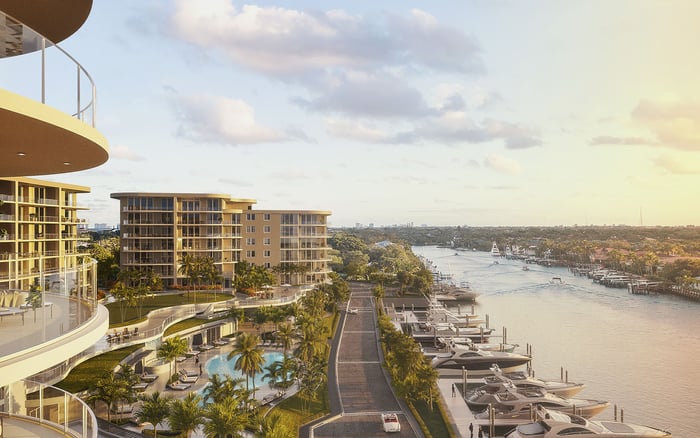
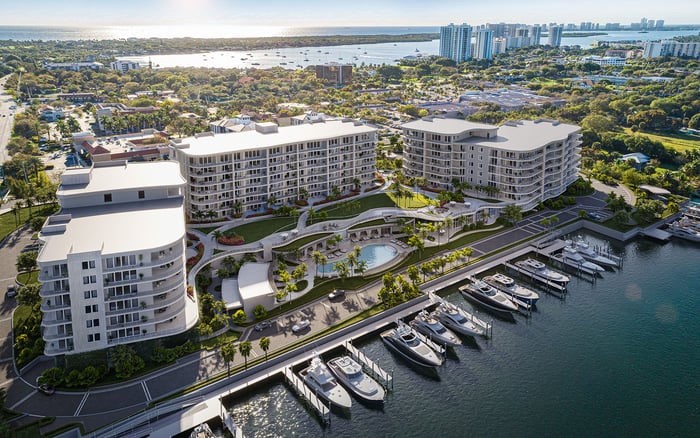
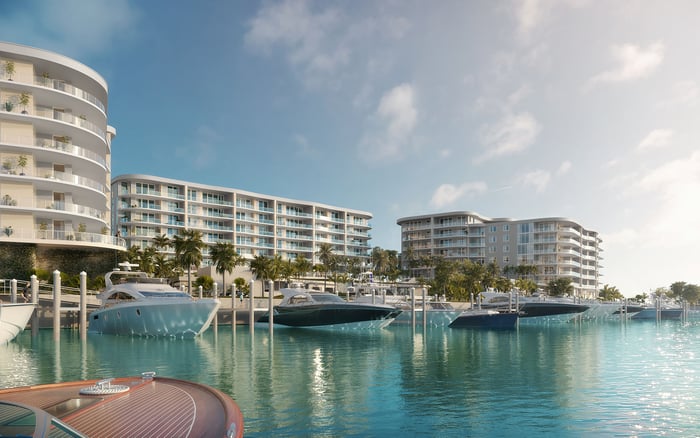
The Ritz-Carlton Residences® Palm Beach Gardens will naturally attract buyers who want a quieter, residentially anchored boating life. For the Palm Beach buyer who values routine, discretion, and predictable access, the essential diligence is whether the marina framework supports frequent use rather than occasional display.
This is where the project may be compelling for an owner whose boating is part of daily life. If the documents provide clear slip rights, practical access procedures, and vessel parameters suited to the owner’s boat, the residence can support a more settled pattern of ownership. Morning departures, captain coordination, deliveries, and returning guests all become easier when the rules are specific and consistently administered.
The key is not to assume that a luxury brand resolves marina complexity. Buyers should request the governing marina documents, association rules, draft information, beam limitations, insurance requirements, hurricane protocols, and guest access provisions before treating the residence as a final fit. For yacht owners, certainty is part of luxury.
Shore Club Private Collections Miami Beach speaks to a different sensibility. The Miami Beach buyer may prioritize proximity to the beach, restaurants, cultural energy, and a more cosmopolitan rhythm. In that context, the vessel may be part of a broader lifestyle rather than the organizing principle of the residence.
That does not diminish the importance of boating details. It makes them more specific. A buyer should determine whether the property supports the kind of guest-vessel use associated with entertaining, visiting friends, short-notice arrivals, and occasional charter-adjacent logistics. The rules governing who may dock, for how long, and under what approvals can make the difference between seamless hosting and repeated administrative friction.
For buyers who want the residence to operate as a hospitality-centered private retreat, guest protocols deserve careful attention. Security can be elegant, but it must be workable. The best outcome is a controlled environment that still allows invited guests, captains, drivers, and marine service professionals to move through the property in a manner consistent with the owner’s expectations.
Draft is one of the least forgiving details in waterfront real estate. A residence can be otherwise ideal yet unsuitable for a particular vessel if the water depth, access route, or channel condition does not align. Beam, overall length, bridge clearance, tide sensitivity, and turning room also require verification. None should be inferred from marketing language.
A serious buyer should bring vessel specifications into the real estate conversation early. The captain or marine advisor should review the site conditions, marina layout, and approach. If the residence is being purchased before a future yacht is selected, the buyer should define a likely vessel range and test the property against that range.
Boat-slip diligence is not the same as asking whether a marina exists. It is the process of matching a specific vessel to a specific operating environment. For high-value residences, this is not excessive caution. It is the correct level of care.
Guest-vessel access is where waterfront ownership becomes personal. Some owners want visiting friends to arrive by water for dinner. Others expect a captain to reposition a vessel before guests land. Some need room for a tender. Others want flexibility for family members who keep separate boats.
The buyer comparing these two residences should ask whether guest vessels are allowed, whether reservations are required, whether overnight stays are permitted, and whether there are limits on frequency, size, or insurance documentation. A strict guest-vessel policy can preserve privacy and security, but it may also reduce spontaneity.
This is especially relevant for buyers who entertain across South Florida. Waterview appeal is emotional; vessel access is operational. The strongest residence aligns both, offering beauty from the terrace and practical confidence at the dock.
If the buyer’s first priority is routine vessel use, slip certainty, and low-friction marine logistics, The Ritz-Carlton Residences® Palm Beach Gardens may be the more natural starting point, provided the written marina rules confirm the fit. Its appeal would lie in the possibility of a more residential boating pattern, where predictability matters as much as polish.
If the buyer’s first priority is a Miami Beach lifestyle with a private hospitality sensibility, Shore Club Private Collections Miami Beach may be the more compelling emotional choice, provided guest-vessel and access rules do not conflict with the owner’s entertaining style. Its strength would be lifestyle breadth rather than marina-first simplicity.
The disciplined answer is conditional. Do not select either residence on name alone. Select the residence whose documents support the boat, the captain, the guests, the tides, the service routines, and the owner’s tolerance for approval processes. In the ultra-premium market, elegance is assumed. Usability is what separates the merely beautiful from the deeply livable.
Before signing, a marina-focused buyer should review the residence documents and marina documents together. The two may not grant identical rights. Counsel should confirm whether the slip interest is tied to the unit, separately conveyed, revocable, assignable, inheritable, or subject to renewal.
The buyer should also request written clarity on draft, beam, length, insurance, hurricane plans, vendor access, crew access, parking for marine staff, fueling restrictions, dockage fees, maintenance assessments, guest-vessel procedures, and any limits on transfers. A captain’s review is prudent, especially where tide, approach, or maneuverability may influence real-world use.
Luxury waterfront ownership is most satisfying when the residence, the vessel, and the rules operate as one system. Anything less can turn a trophy address into an inconvenient compromise.
Which residence is better for a serious boating household? The better residence is the one whose written marina rules match the owner’s vessel, access needs, and guest expectations.
Can buyers assume a luxury waterfront residence includes usable dockage? No. Buyers should verify slip rights, assignment structure, vessel limits, and transferability before relying on dockage.
Why is draft so important in this comparison? Draft determines whether a vessel can safely and practically use the waterway and marina environment serving the residence.
Should a captain be involved before contract? Yes. A captain can assess approach, maneuverability, vessel specifications, and day-to-day operational practicality.
What is guest-vessel access? It refers to whether invited boats may dock, for how long, under what approvals, and subject to which restrictions.
Does brand prestige guarantee marina flexibility? No. Brand prestige and marina governance are separate matters, and the documents control the owner’s actual rights.
What should Palm Beach Gardens buyers focus on first? They should focus on slip certainty, vessel fit, service access, and whether rules support regular boating routines.
What should Miami Beach buyers focus on first? They should focus on guest protocols, privacy, access procedures, and whether the rules support their social lifestyle.
Are marina fees and assessments part of the diligence? Yes. Dockage costs, maintenance obligations, insurance requirements, and assessments should be reviewed before purchase.
What is the safest way to choose between the two? Compare the governing documents, vessel specifications, and access procedures rather than relying on lifestyle impressions.
When you're ready to tour or underwrite the options, connect with MILLION.
If branded residences are on your mind — as a home or as an allocation — we would be glad to share what we are seeing, privately.
Begin a quiet conversation