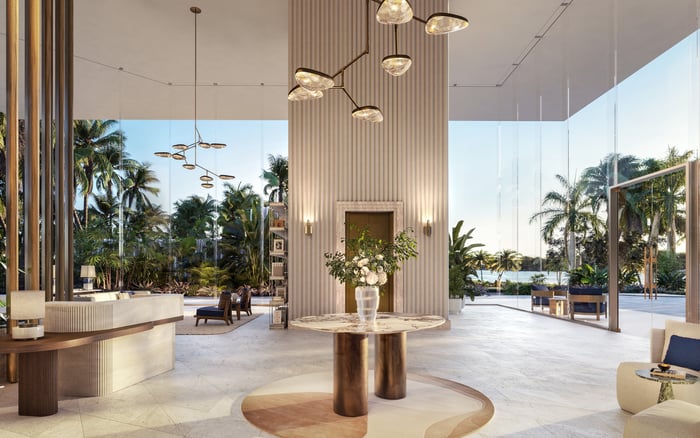
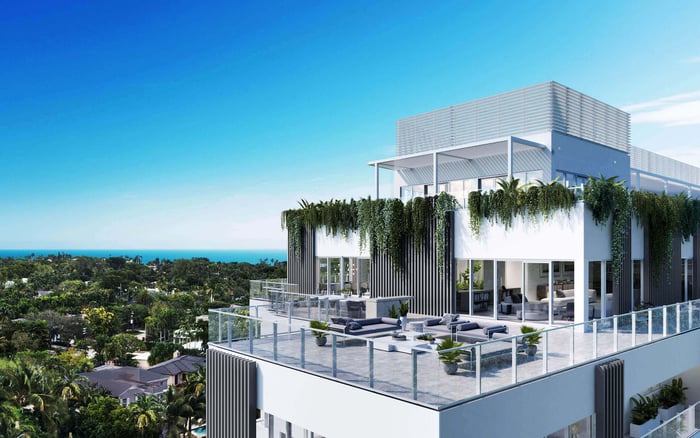
A buyer-focused guide to evaluating circadian-lighting readiness at The Ritz-Carlton Residences® Miami Beach, with questions families can raise before contract, design upgrades, or move-in planning.
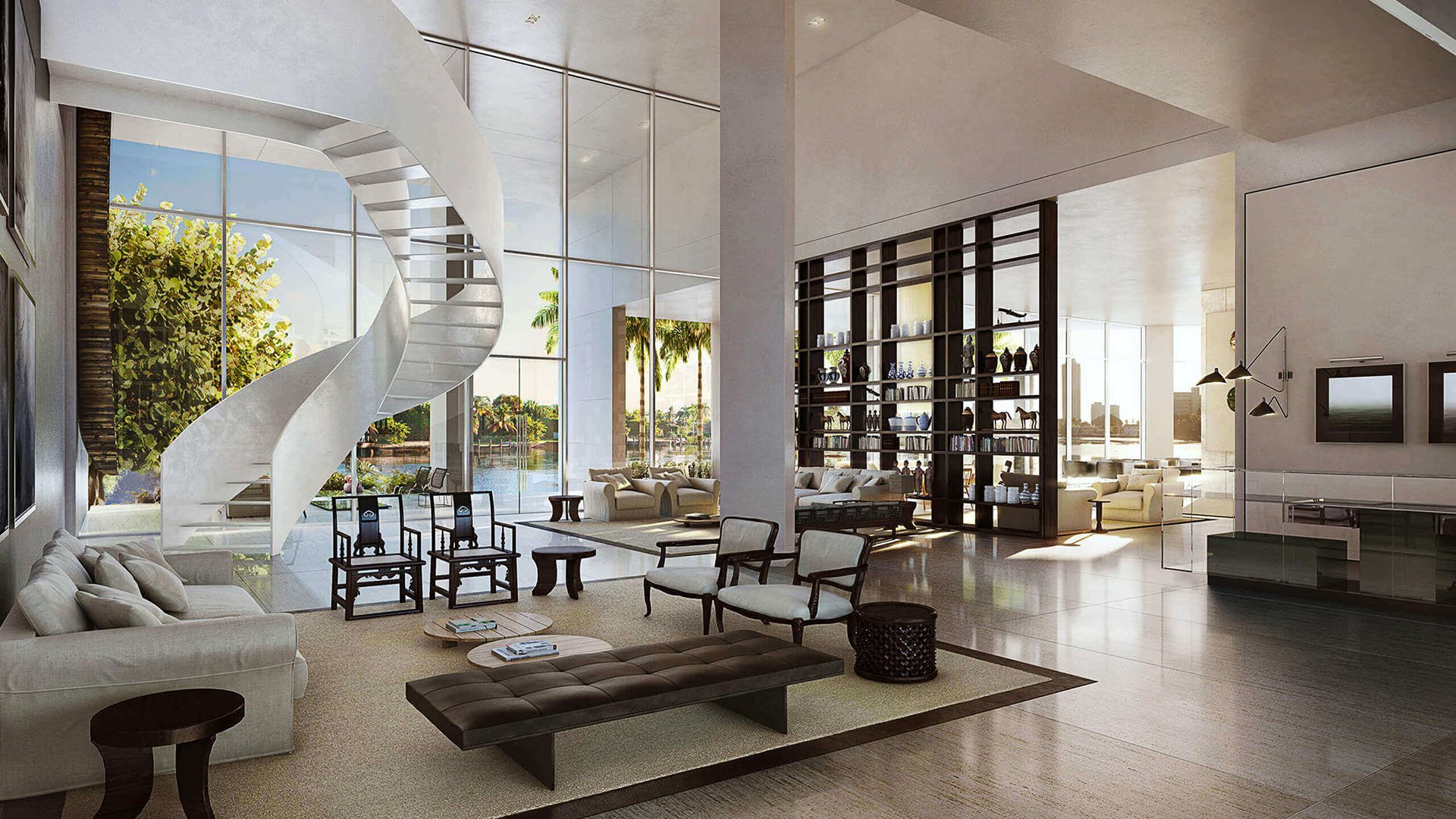
For families considering The Ritz-Carlton Residences® Miami Beach, lighting is no longer a purely decorative conversation. It is a daily-life question. Children wake before sunrise, parents work across time zones, homework happens after dinner, and bedrooms need to feel calmer without becoming clinically dim. Circadian-lighting readiness sits at the intersection of wellness, design, electrical planning, and long-term livability.
The phrase does not require a buyer to assume that a residence already includes a complete biological lighting system. Instead, it asks a more precise question: can the home support lighting that changes in intensity, color temperature, direction, and control logic throughout the day? In a luxury residence, that readiness can matter as much as millwork, appliances, closet volume, or terrace usability.
For a family comparing The Ritz-Carlton Residences® Miami Beach with other Miami Beach searches, the checklist can sit alongside new-construction, private-school, second-home, and beach-access priorities. The point is not to chase novelty. It is to understand whether the residence can be tuned for mornings, school nights, entertaining, recovery, and sleep with the discretion expected in a branded residential setting.
Family buyers often begin lighting tours in kitchens, great rooms, and primary baths because those areas are visually persuasive. For circadian readiness, the more revealing spaces are bedrooms, corridors, closets, and children’s rooms. These are the rooms where light exposure can either support a household routine or quietly work against it.
Ask how each bedroom can deliver brighter, cooler light in the morning and warmer, lower light in the evening. Look beyond the fixture schedule. The more important question is whether the wiring, dimming zones, keypad locations, and control platform can support those shifts without requiring a visible retrofit later.
Children’s rooms deserve particular attention. A nursery, a young child’s bedroom, and a teenager’s room have different needs, yet they may occupy the same space over several years. Buyers should ask whether lighting scenes can evolve without opening walls or replacing an entire control system. A residence that adapts elegantly is more valuable than one that simply looks finished on delivery day.
Circadian lighting depends on control. A beautiful fixture without intelligent dimming is limited. Families should ask whether the residence can support programmable scenes, time-based transitions, and manual overrides that feel intuitive. The best systems do not make a parent search for an app at bedtime or call a technician every time a routine changes.
Ask what control infrastructure is planned or already present, what systems can be integrated, and whether third-party lighting specialists can review the residence before closing or before customization deadlines. If design options are available, buyers should clarify whether lighting upgrades are limited to fixture selection or whether they also include drivers, dimmers, processors, keypads, and scene programming.
Compatibility matters because circadian readiness is rarely solved by one product. It can involve architectural lighting, decorative fixtures, motorized shades, daylight sensors, and smart-home controls. The practical buyer question is simple: will these elements speak to one another, and can the system be serviced by qualified professionals in South Florida?
Circadian planning begins with daylight. In Miami Beach, daylight can be generous, reflective, and intense. That makes shade strategy essential. Buyers should ask how natural light enters the main living areas and bedrooms, how glare is managed, and whether automated shading can be coordinated with lighting scenes.
A family breakfast area may benefit from bright morning light, while a media area or nursery may require greater control. The goal is not to block daylight, but to shape it. Sheer shades, blackout shades, layered window treatments, and programmable scenes can allow the home to feel luminous without becoming harsh.
Also ask whether exterior exposures create different conditions throughout the residence. A lighting plan that works in one room may not translate to another. Circadian readiness is strongest when the interior design team, lighting designer, shade consultant, and automation specialist coordinate early, rather than treating each room as an isolated decorative exercise.
For family buyers, the kitchen is often the true command center. Morning routines, after-school snacks, homework, and informal entertaining may all occur in the same open-plan zone. Circadian readiness in this area requires layered light: task lighting for preparation, ambient light for meals, and softer evening scenes that do not over-stimulate the household before bed.
Ask whether under-cabinet lighting, ceiling downlights, pendants, and cove lighting can be controlled separately. The ability to shift from bright functional light to a calmer dinner setting is more than ambience. It is daily operational comfort.
Homework zones raise another question. Children need adequate illumination for focus, but late-night brightness can undermine the transition to rest. Families should ask how study areas can be designed with direct task light that does not flood adjoining rooms. This is where a thoughtful lighting designer can make a residence feel both polished and practical.
Primary and secondary bathrooms are often overlooked in circadian conversations, yet they strongly affect the beginning and end of the day. Bright, crisp light may be useful for morning grooming. Softer, warmer light is preferable for late-night use.
Ask whether bathrooms can include separate scenes for grooming, bathing, nighttime use, and cleaning. Night lighting should be low, indirect, and easy to activate. For children, this can reduce the harsh contrast of a fully illuminated bathroom at 2 a.m.
Closets also matter. A well-lit dressing area should render colors accurately without feeling cold or unforgiving. Buyers should ask about color quality, fixture placement, and whether closet lighting can be part of a morning scene rather than a standalone switch.
The most important circadian question may be the least glamorous: what is behind the walls? Families should ask whether the electrical design allows for future fixture changes, added control zones, motorized shades, and integrated automation. A residence can be visually refined yet difficult to upgrade if the infrastructure is too rigid.
Ask for clarity on low-voltage pathways, panel capacity, control locations, and ceiling conditions where appropriate. If customization is still possible, this is the moment to involve a lighting consultant. If the residence is already complete, the buyer should understand what can be changed cleanly and what would require invasive work.
Resale should also enter the conversation. Wellness infrastructure that is flexible and discreet can appeal to a future buyer without imposing a highly personal aesthetic. The strongest approach is not a theatrical lighting scheme. It is a quiet framework that allows a household to live better.
A family buyer does not need to become a lighting engineer. The goal is to ask sophisticated questions early enough to preserve options. Request a walk-through focused only on lighting, shades, controls, bedrooms, and daily routines. Bring up school mornings, guests, caregivers, homework, jet lag, and late-night arrivals. These are not minor details in a luxury residence. They are the lived architecture of the home.
The right conversation should include design, technology, serviceability, and cost. Ask what is included, what is optional, what can be upgraded later, and which decisions have deadlines. In a branded residential context, the expectation is not simply beauty. It is ease, consistency, and a level of refinement that remains visible in daily use.
Circadian-lighting readiness should be evaluated with the same seriousness as floor plan, acoustic privacy, storage, and building services. For families, light is not background. It is the first and last design element encountered every day.
What does circadian-lighting readiness mean for a luxury residence? It means the residence can support lighting that changes by time, room use, and routine, even if a complete system is not already installed.
Should buyers assume circadian lighting is included? No. Buyers should ask specifically what lighting controls, dimming zones, fixtures, and programming are included or optional.
Which rooms matter most for family buyers? Bedrooms, children’s rooms, bathrooms, kitchens, homework areas, and corridors usually have the greatest impact on daily rhythm.
Are motorized shades part of the conversation? Yes. Daylight control and artificial lighting should be planned together for glare management, privacy, and evening comfort.
Can circadian lighting be added after closing? Sometimes, but the ease of adding it depends on wiring, ceiling conditions, control systems, and access to low-voltage pathways.
What should parents ask about children’s rooms? Ask whether scenes can evolve as a child grows, from nursery settings to study lighting and calmer evening routines.
Does warmer evening light mean the home will look dim? Not necessarily. A thoughtful plan uses layers so the residence remains elegant while reducing harsh late-night brightness.
Is this mainly a smart-home issue? It is partly smart-home related, but it also depends on fixture quality, placement, dimming hardware, daylight, and shade design.
Why does this matter for a second-home buyer? A second home may host changing schedules, guests, and travel recovery, making intuitive lighting scenes especially useful.
Can circadian readiness support long-term resale appeal? Yes. When designed discreetly, flexible wellness infrastructure can feel like a lasting quality upgrade rather than a trend.
If you'd like a private walkthrough and a curated shortlist, connect with MILLION.
If branded residences are on your mind — as a home or as an allocation — we would be glad to share what we are seeing, privately.
Begin a quiet conversation