A disciplined framework for Dallas buyers evaluating Palm Beach ownership, from tax-adviser coordination and recurring expenses to property selection and daily-life compatibility.

For a Dallas buyer, a Palm Beach acquisition should begin as a balance-sheet and lifestyle decision-not simply as a search for ocean views. The right residence must support the intended pattern of use, ownership horizon, privacy expectations, service requirements, and broader estate plan. Those questions should be resolved before architecture and finishes dominate the conversation.
Start by defining whether the property will serve as a primary home, a second home, or an investment held with a different objective. Then establish who will use it, how often guests will arrive, whether staff will be retained, and how quickly the residence must be ready after an absence. A home that works beautifully for extended winter stays may be less suitable for frequent, short visits from Texas.
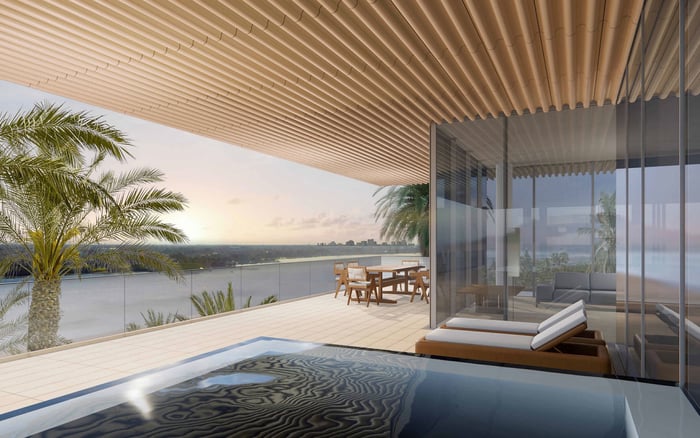
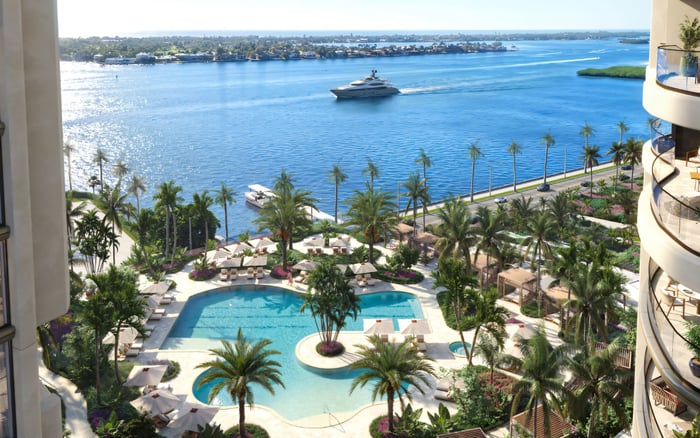
The comparison set should reflect those priorities. Buyers seeking a Palm Beach address can consider Palm Beach Residences, while those evaluating the broader Flagler corridor may include Forté on Flagler West Palm Beach in the same disciplined review. The objective is not to declare one format superior, but to determine which ownership experience best suits the household.
Tax planning should precede contract execution. A buyer’s tax counsel, estate-planning attorney, accountant, and real-estate attorney should review the contemplated purchase together, with particular attention to residency intentions, titling, financing, succession, privacy, and the property’s treatment within existing trusts or entities.
Avoid treating a Florida purchase as proof of any particular tax outcome. The analysis can involve personal conduct, documentation, time spent in multiple jurisdictions, family circumstances, business connections, and the use of other homes. The appropriate structure is specific to the buyer, and one chosen for privacy may not produce the same result as one designed for estate planning or financing.
Before signing, request a written decision map identifying the proposed owner, source of funds, loan strategy, closing responsibilities, insurance requirements, and any post-closing actions. Buyers should also ask advisers how a future sale, inheritance, transfer, or change in primary residence could affect the plan. Sequencing matters: correcting ownership after closing can be less elegant than establishing it properly at the outset.
Purchase price is only the opening figure. A credible annual budget should account for property taxes, insurance, association charges where applicable, utilities, routine maintenance, landscaping, pool care, security, household staffing, property management, pest control, storm preparation, and reserves for capital work. Depending on the residence, waterfront ownership may require additional scrutiny of exterior materials, mechanical systems, glazing, docks, seawalls, generators, drainage, and salt-air exposure.
For a condominium, review current assessments, assessment history, reserve information, insurance responsibilities, building rules, staffing, and the services included in recurring charges. For a single-family home, prepare a separate operating schedule for the grounds, roof, envelope, mechanical equipment, security, and caretaker coverage. New construction may reduce some near-term maintenance concerns, but buyers should still examine warranties, delivery obligations, closing adjustments, and the cost of furnishing and window treatments.
Model at least three operating cases: normal use, heavier family use, and an interruption requiring meaningful repair or temporary relocation. Include a furnishing allowance, technology upgrades, vehicles, club or marina expenses if relevant, and the cost of maintaining the home during long absences. The goal is not pessimism. It is to ensure the residence remains effortless because its demands were understood before purchase.
Palm Beach and West Palm Beach should be tested through routines rather than reputation. Map the household’s likely week: morning exercise, office needs, dining, shopping, medical appointments, school or family visits, cultural plans, airport transfers, and time on the water. Then repeat the exercise for a crowded holiday week and a quiet summer stay.
A buyer considering a serviced residential experience in West Palm Beach might compare Mandarin Oriental Residences, West Palm Beach with other formats that place greater responsibility on the owner. Farther north, The Ritz-Carlton Residences® Palm Beach Gardens can broaden the geographic discussion for households whose routines extend beyond the island.
For Dallas buyers, travel behavior deserves particular attention. Test the full door-to-door journey, including luggage handling, pets, staff arrivals, grocery provisioning, and late-night access. Consider whether the family prefers a lock-and-leave residence or a private estate offering more control-and requiring greater operational responsibility. Neither choice is inherently more luxurious. Luxury lies in the fit between the property and the owner’s actual life.
The final due-diligence period should include repeat visits at different hours, a review of noise and privacy, inspection planning, insurance conversations, and a line-by-line examination of governing documents where relevant. The best decision often becomes clear when the buyer evaluates not only arrival, but also departure, absence, and return.
Should tax planning begin before touring homes? Yes. Early coordination can clarify ownership, financing, privacy, and estate-planning questions before a preferred property creates time pressure.
Does buying a Palm Beach residence determine tax residency? Do not assume that it does. Ask qualified tax and legal advisers to evaluate intentions, conduct, documentation, and connections across jurisdictions.
What carrying costs should a condominium buyer model? Review association charges, insurance responsibilities, assessments, utilities, maintenance, management, furnishing, and a reserve for unexpected work.
What should a single-family buyer add to the budget? Include grounds, pool, security, staffing, mechanical systems, storm preparation, property management, and periodic capital projects.
Is a lock-and-leave home better for a Dallas household? It may be if visits are brief or irregular. Buyers seeking greater privacy and control may accept the additional management required by an estate.
How should buyers compare Palm Beach with West Palm Beach? Test each against real routines, including dining, work, family visits, medical needs, airport transfers, and preferred levels of privacy.
Should insurance be reviewed before an offer? It is prudent to begin the conversation early so coverage, deductibles, inspections, and ownership costs can inform the acquisition budget.
How much should be reserved for furnishing? Set a property-specific allowance covering interiors, lighting, window treatments, technology, outdoor areas, delivery, and installation.
What documents deserve particular attention in a condominium? Have counsel review governing documents, budgets, reserves, assessments, insurance responsibilities, leasing rules, renovation procedures, and use restrictions.
What is the most important lifestyle test? Imagine a complete year of arrivals, guests, absences, maintenance, and returns. The right home should make those rhythms feel natural rather than burdensome.
For a confidential assessment and a building-by-building shortlist, connect with MILLION.
If branded residences are on your mind — as a home or as an allocation — we would be glad to share what we are seeing, privately.
Begin a quiet conversation