A buyer-focused Fisher Island shortlist framed around marina access, boat-slip documentation, insurance, storm readiness, and the practical demands of yacht ownership.
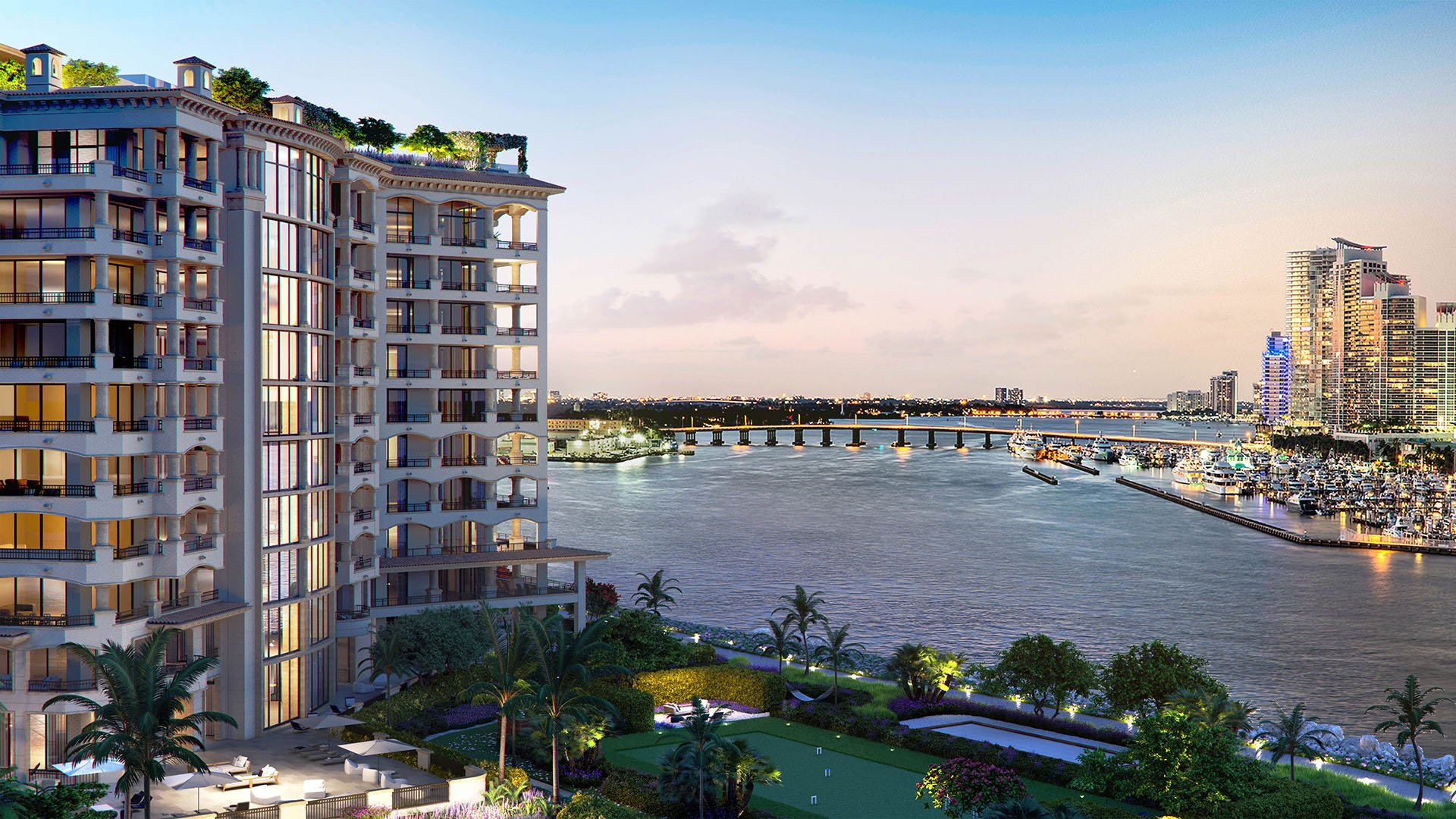
For a yacht owner considering Fisher Island, architectural preference is only the beginning. The more consequential questions involve marina access, the legal status of any boat-slip arrangement, storm procedures, insurance, and the practical movement of family, crew, vehicles, and contractors.
This is a waterfront purchase involving two interdependent assets: the home and the boating plan. They should be evaluated together but never assumed to convey together. A polished residence may suit a buyer perfectly, while the marine logistics require a separate agreement, additional approvals, or an alternative berth.
1. Palazzo del Sol: first-pass marina diligence
Palazzo del Sol leads this editorial shortlist for buyers who want to start with a named Fisher Island residential option and immediately test the marine component. Before treating marina convenience as part of the home’s value, request written confirmation of any slip rights, eligibility, transfer conditions, vessel limits, fees, and waiting-list exposure.
The storm review should proceed in parallel. Request the residence-specific procedures governing shutters or glazing, terrace preparation, backup systems, elevator operations, vehicle storage, vendor access, and post-event reentry.
2. Palazzo della Luna: residence and berth alignment
Palazzo della Luna belongs near the top for buyers comparing a residence purchase with a separately documented berthing strategy. Buyers should distinguish among ownership, lease, license, assignment, and revocable use rights, as these structures can produce materially different long-term outcomes.
A yacht captain or marine adviser should examine operational fit while counsel reviews the documents. Separately, the residence team should assess insurance, deductibles, reserves, assessments, and storm protocols.
3. The Residences at Six Fisher Island: planning for a complete ownership system
The Residences at Six Fisher Island merits consideration by buyers approaching the acquisition as an integrated lifestyle decision. The essential exercise is to map every dependency-from residential closing and marina approval to crew arrival, provisioning, parking, contractor credentials, and emergency communications.
Do not let design preferences outpace diligence. Marine access should be confirmed in writing, and the storm plan should identify who is responsible for the vessel and residence when the owner is away.
4. The Links Estates at Fisher Island: estate-style decision framework
The Links Estates at Fisher Island offers another named option for buyers assembling a broader island shortlist. The central question remains the same: Does the residential choice support the buyer’s actual boating routine, or does it merely appear convenient on a map?
Review the intended berth, route, service access, guest procedures, insurance obligations, and hurricane plan as distinct workstreams. A second-home owner should also establish local authority for time-sensitive preparations and recovery decisions.
The four named options warrant a disciplined side-by-side review. Buyers can begin with Palazzo del Sol and Palazzo della Luna, then compare those residences with The Residences at Six Fisher Island and The Links Estates at Fisher Island.
The comparison sheet should separate confirmed rights from expectations. Useful columns include residence status, marina arrangement, transferability, vessel criteria, approval timing, recurring costs, storm obligations, insurance requirements, parking, crew access, vendor access, and resale implications. Blank fields should prompt questions, not assumptions.
A credible storm plan identifies responsible parties and decision deadlines. For the vessel, document haul-out or relocation options, captain authority, towing arrangements, fuel strategy, communications, and insurance notice requirements. For the residence, address terrace contents, openings, vehicles, valuables, refrigeration, backup-power expectations, water-intrusion response, and post-storm inspection.
Owners who travel frequently should designate local representatives in writing and confirm that each professional can gain access when restrictions are in force. The plan should also account for pets, household staff, guests, and sensitive collections. Luxury is not the absence of complexity. It is the quiet management of it.
Marine and residential documents should be reviewed as related but independent commitments. Counsel can determine whether a boating privilege is deeded, leased, licensed, assigned, subject to approval, or capable of termination. Insurance advisers can test coverage assumptions, exclusions, deductibles, and coordination between vessel and property policies.
Before closing, request the current governing documents, budgets, assessment information, insurance materials, application requirements, and written procedures relevant to storms and access. The objective is a home that remains elegant in ordinary use and manageable under pressure.
Does buying a Fisher Island residence automatically include a boat slip? Never assume it does. Confirm the legal form, availability, transferability, approvals, fees, and vessel restrictions in writing.
Should the residence and marina arrangements close together? Coordinated timing may reduce uncertainty, but the appropriate structure depends on the governing documents and contracts. Counsel should review both workstreams.
What boat information should be provided during diligence? Prepare the vessel’s dimensions, draft, ownership details, insurance, registration, intended use, and captain or crew requirements.
What makes a storm plan credible? It should assign authority, deadlines, vendors, destinations, communications, and fallback options for both the vessel and residence.
Who should review the marina documents? Use counsel familiar with marine and residential matters, supported by a captain or adviser who can evaluate operational suitability.
How should an absentee owner prepare? Appoint local representatives, document their authority, confirm access credentials, and maintain written checklists for preparation and recovery.
Why review insurance before making the purchase final? Coverage terms, deductibles, exclusions, and risk-management requirements can affect annual carrying costs and storm decisions.
What should be checked about crew access? Confirm credentials, arrival procedures, parking, service routes, working hours, guest rules, and emergency access directly with the relevant parties.
Can marina rights affect resale? Transferable or limited rights may influence a future buyer’s analysis. Their legal status and costs should be clearly documented before purchase.
What is the best first step for a yacht-owning buyer? Define the vessel profile and operating routine, then evaluate each residence against documented marina, access, insurance, and storm requirements.
For a tailored shortlist and next-step guidance, connect with MILLION.
If branded residences are on your mind — as a home or as an allocation — we would be glad to share what we are seeing, privately.
Begin a quiet conversation