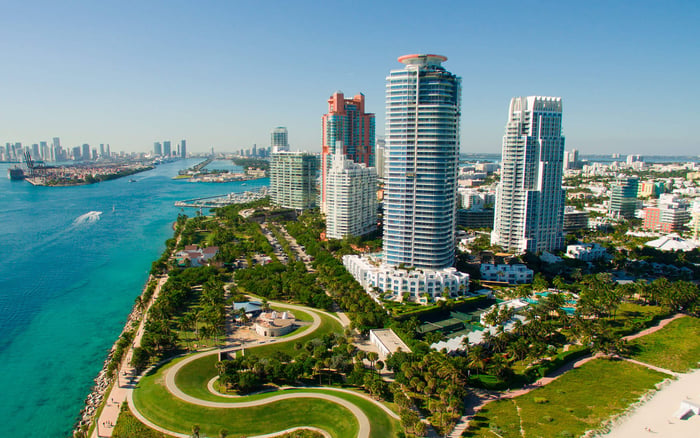
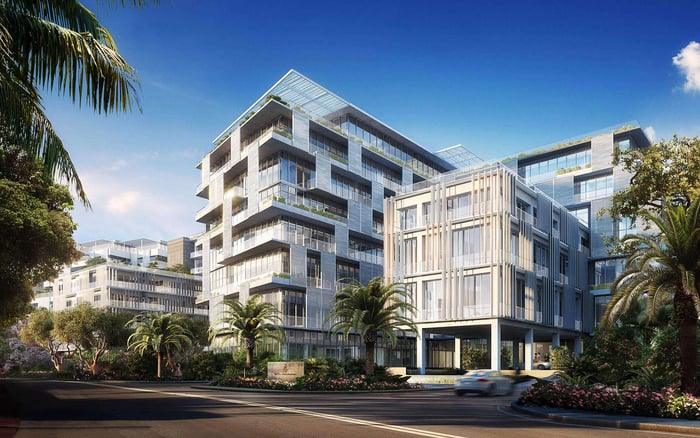
A discreet operational comparison of The Ritz-Carlton Residences® Miami Beach and Shorecrest Flagler Drive West Palm Beach for globally mobile buyers who need a residence that performs smoothly while they are abroad.
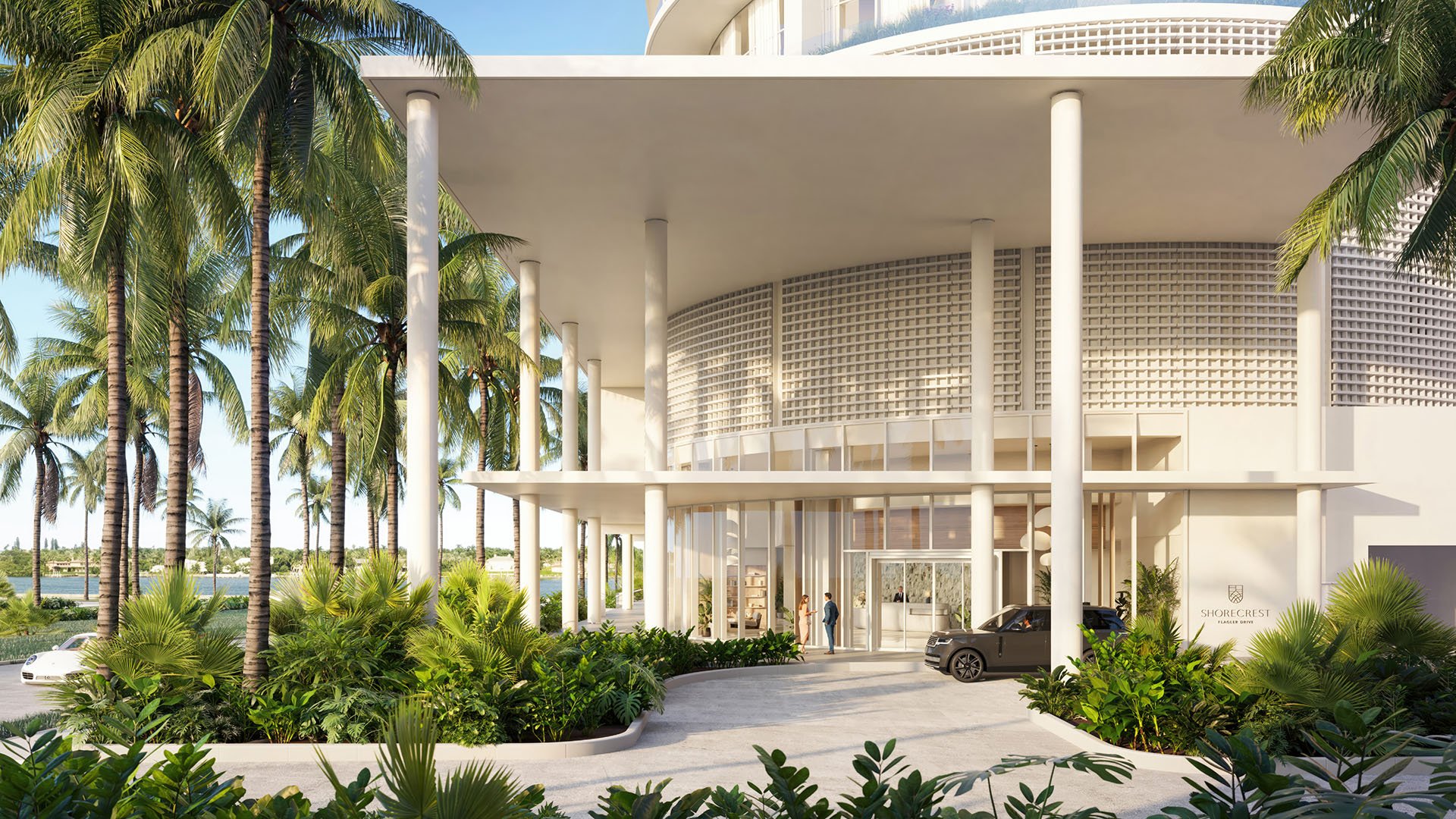
For a buyer who travels internationally with regularity, a residence is not simply a beautiful base in South Florida. It is an operating system. The right building protects privacy, receives deliveries, coordinates vendors, maintains continuity during absences, and allows an owner to return from London, São Paulo, Geneva, or Mexico City without feeling the household has been idle for weeks.
That is the useful lens for comparing The Ritz-Carlton Residences® Miami Beach with Shorecrest Flagler Drive West Palm Beach. Both names speak to coveted South Florida settings, yet the buyer’s decision should move beyond the romance of water, architecture, and arrival. The deeper question is how each address might support a household that is often occupied remotely, managed through staff, and expected to perform with little friction.
For an international owner, household operations include more than concierge service. They include authorization rules, key handling, package protocols, maintenance access, guest approvals, vehicle coordination, building communications, insurance documentation, and the quiet discipline of knowing who is permitted to enter, when, and why. A luxury building can look polished on a first visit. The more revealing test is how clearly it works when the owner is not there.
The Ritz-Carlton Residences® Miami Beach places the comparison in a Miami Beach context, where the appeal is often tied to waterfront living, established hospitality expectations, and a cultural calendar that can feel international in tone. For buyers who associate Miami Beach with seasonal stays, entertaining, dining, art, and frequent movement between airport, yacht, hotel, and residence, the operational value lies in pace and discretion. A building in this environment must absorb complexity without requiring the owner to manage every detail personally.
Shorecrest Flagler Drive West Palm Beach brings a different rhythm. West Palm Beach often attracts buyers who want a quieter mainland base with access to Palm Beach, private clubs, family offices, cultural venues, and a more residential cadence. In a West Palm Beach setting, the household-operations question may be less about daily spectacle and more about dependable continuity. Can the residence be maintained elegantly through long absences? Can vendors be scheduled without confusion? Can visiting family arrive smoothly when the principal owner is abroad?
Neither rhythm is inherently better. The distinction is behavioral. Miami Beach may suit the owner whose South Florida life is more social, coastal, and event driven. West Palm Beach may suit the owner whose residence functions as a composed second headquarters, a place for longer stays, family coordination, and low-drama logistics.
The most important operational trait is clarity. Owners who cross time zones do not want ambiguous procedures. They want to know how guests are registered, how domestic staff are credentialed, how deliveries are stored, how service providers gain access, and how urgent maintenance is escalated when the owner is asleep in another country.
At The Ritz-Carlton Residences® Miami Beach, a buyer should examine how the building’s residential procedures translate hospitality polish into private-home reliability. That means asking practical questions: how are recurring vendors handled, what approvals are required for last-minute guests, how are packages documented, and how does management communicate with an owner who may be unreachable for several hours?
At Shorecrest Flagler Drive West Palm Beach, the same questions apply, but with a slightly different emphasis. A frequent traveler may care deeply about predictability during longer absences. If the home is used seasonally, by family, or by trusted guests, the building’s strength will be measured by how calmly it handles pre-arrival preparation, periodic inspections, and routine maintenance access.
The best buildings make these processes feel invisible. The risk is assuming that luxury pricing automatically equals operational fluency. Sophisticated buyers should resist that assumption. A beautiful lobby is not the same as a disciplined receiving room. A warm greeting is not the same as a clear authorization log.
For a second-home buyer, the phrase lock-and-leave can sound simple. In practice, it is a complex standard. A true lock-and-leave residence should allow an owner to leave for six weeks and return to a home that feels composed, secure, and ready. Air conditioning, humidity control, vendor access, housekeeping, package management, and emergency contact procedures all become part of the ownership experience.
The Miami Beach buyer may need the building to handle a more fluid pattern of use: weekends, visiting friends, seasonal events, and sudden returns. That buyer should ask how the residence team manages rapid transitions, especially when the owner’s household staff are coordinating remotely.
The West Palm Beach buyer may be focused on longer planning arcs. The residence may be prepared for family holidays, winter stays, business visits, or quieter periods between international commitments. In that case, the building’s value is found in orderly routines: documented communication, reliable scheduling, and a culture that does not require repeated explanation.
For investment-minded owners, operational quality also matters because it affects perceived permanence. Even when a residence is acquired primarily for personal use, buyers at the top of the market tend to evaluate how a building will age, how service standards will be preserved, and whether future purchasers will recognize the address as easy to own.
The more international the household, the more essential it becomes to separate access from familiarity. A building should be gracious, but it should not be casual. Owners should understand whether domestic staff, private chefs, drivers, decorators, estate managers, and maintenance vendors are handled through consistent procedures.
In Miami Beach, where owners may entertain more frequently, privacy management can become a daily discipline. The building should help distinguish invited guests from vendors, vendors from staff, and staff from family. If the owner is not present, those distinctions matter even more.
In West Palm Beach, the same rigor applies, often with a quieter tone. A household may rely on a property manager, assistant, or family-office representative. The building must know how to work with that structure without diluting accountability. A buyer should ask whether instructions can be recorded clearly and whether changes require written authorization.
The best operational buildings do not make privacy feel severe. They make it feel effortless. Doors open for the right people, records are maintained, and the owner does not need to manage the building from an airport lounge.
International ownership exposes weak communication quickly. Time zones create delays. Language preferences may matter. A principal owner may delegate to an assistant, spouse, adult child, or estate manager. If the building does not have a clear communication hierarchy, small issues can become tedious.
Before choosing between The Ritz-Carlton Residences® Miami Beach and Shorecrest Flagler Drive West Palm Beach, buyers should request a clear explanation of communication norms. Who receives notices? Can multiple contacts be approved? How are urgent matters escalated? How are non-urgent items documented? Is there a single point of contact, or does the owner need to navigate departments?
For globally mobile buyers, the ideal answer is not necessarily more communication. It is better communication. The owner should receive what matters, when it matters, without noise. A residence that constantly requires attention is not truly effortless, no matter how refined its setting may be.
The Ritz-Carlton Residences® Miami Beach is likely to appeal to the buyer who wants a South Florida residence with a coastal identity, a strong sense of arrival, and an ownership pattern that may include frequent visits, entertaining, and short-notice returns. The household-operations review should focus on guest flow, staff coordination, service consistency, and the building’s ability to protect privacy amid a more animated environment.
Shorecrest Flagler Drive West Palm Beach is likely to appeal to the buyer who wants a composed mainland residence with convenient access to the Palm Beach orbit and a more measured lifestyle rhythm. The operational review should focus on long-absence readiness, vendor coordination, family access, and the ability to function as a calm residential base.
Buyers considering new-construction or pre-construction opportunities should be especially careful to study promised operating standards, not only design renderings. The question is not simply what the building will look like on completion. It is how it will behave after the owner has left for an extended trip and expects the home to remain quietly in order.
Which building is better for a frequent international traveler? The better choice depends on the owner’s travel pattern. Miami Beach may suit more social, event-driven use, while West Palm Beach may suit longer, quieter stays.
What should buyers ask first about household operations? Start with access control, vendor authorization, package handling, emergency contacts, and communication hierarchy. These reveal how the building functions when the owner is away.
Is hospitality branding enough to guarantee smooth operations? No. Brand standards can be meaningful, but buyers should still review actual residential procedures, staffing structure, and escalation protocols.
Why does lock-and-leave performance matter so much? International owners need confidence that the residence will remain secure, maintained, and ready between visits. The home should not require constant remote supervision.
How should a buyer compare privacy between the two settings? Ask how guests, vendors, domestic staff, and family members are identified and approved. Privacy is strongest when procedures are gracious but precise.
What makes Miami Beach operationally different? Miami Beach can involve a more fluid pattern of arrivals, events, and social use. The building must manage movement without sacrificing discretion.
What makes West Palm Beach operationally different? West Palm Beach may support a more composed ownership rhythm, with longer stays and quieter periods. Predictable maintenance and access procedures become especially important.
Should buyers involve their estate manager before purchasing? Yes. An estate manager or trusted household adviser can test whether the building’s procedures match the owner’s real travel and staffing needs.
Do amenities matter less than operations? Amenities still matter, but operational quality determines whether those amenities feel effortless over time. For frequent travelers, service architecture is central.
What is the most important final test before choosing? Ask the building team to walk through a full absence scenario from departure to return. The clarity of that answer can be more revealing than any brochure.
To compare the best-fit options with clarity, connect with MILLION.
If branded residences are on your mind — as a home or as an allocation — we would be glad to share what we are seeing, privately.
Begin a quiet conversation