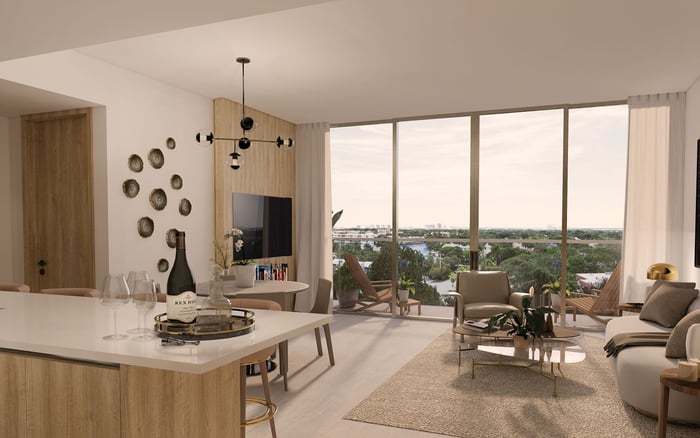
A refined look at why secondary-bedroom design, privacy, and finish quality can influence buyer confidence at The Ritz-Carlton Residences® Fort Lauderdale and comparable luxury residences.
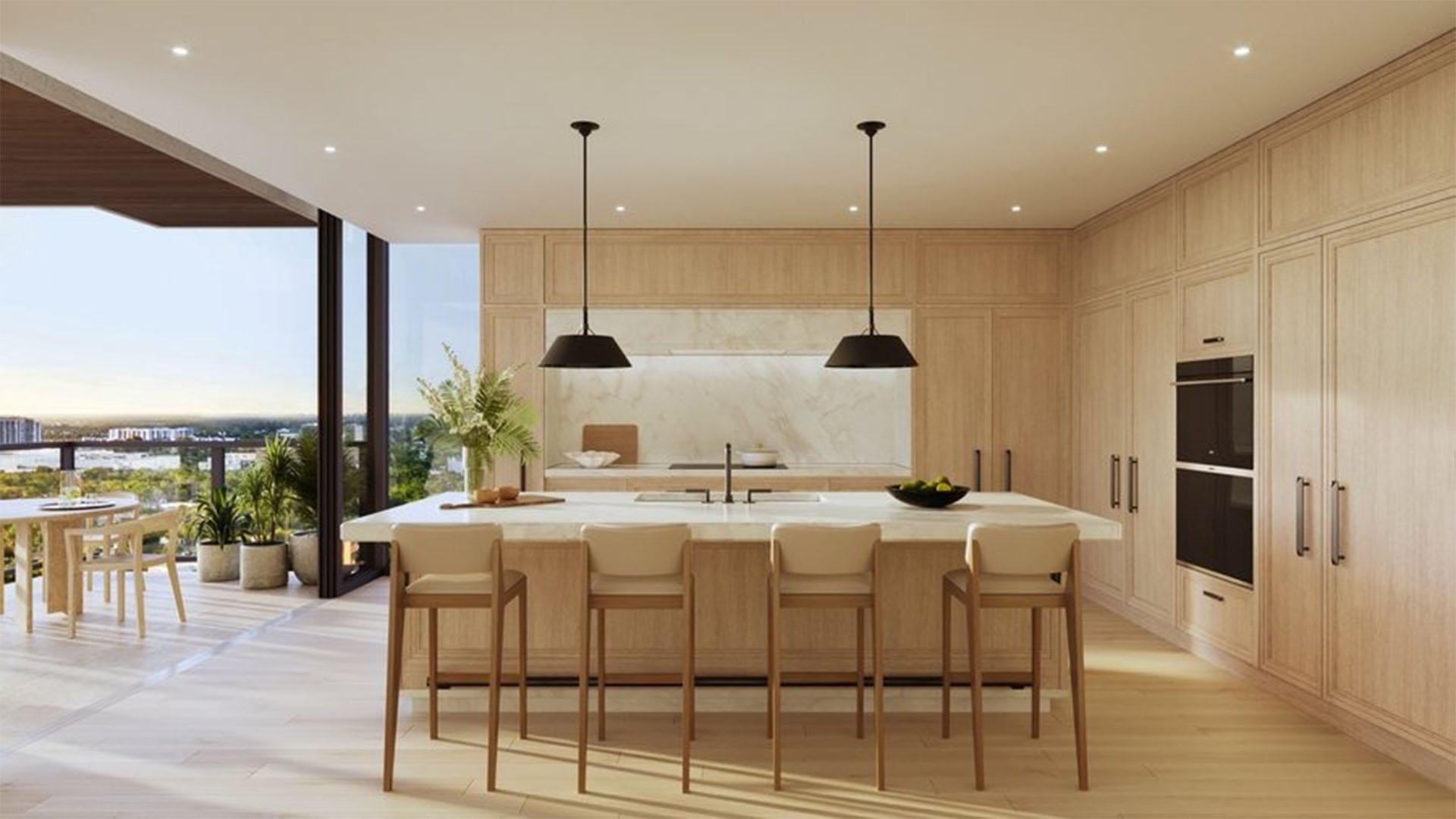
At the top of the South Florida market, buyers rarely decide on the primary suite alone. The primary bedroom may create the first impression, but the secondary bedrooms often determine whether a residence can support the life a buyer actually plans to live. At The Ritz-Carlton Residences® Fort Lauderdale, the conversation is not only about view, brand, and arrival. It is also about whether every private room feels considered, calm, and properly proportioned.
It is a subtle distinction, but a meaningful one. A secondary bedroom that feels like an afterthought can introduce doubt into an otherwise compelling purchase. A secondary bedroom with generous scale, intuitive storage, quiet privacy, and a bathroom that feels complete can do the opposite. It tells the buyer that the residence was designed not merely to impress, but to function with grace.
For many ultra-premium buyers, the second, third, or fourth bedroom is not secondary in importance. It may serve as a child’s suite, a guest room for visiting family, a live-in support space, a wellness room, or a discreet office. Its quality affects daily rhythm, hosting comfort, and long-term flexibility. In a market where residences are increasingly compared room by room, that becomes a serious decision point.
Fort Lauderdale luxury buyers often want a residence that can shift between primary home, seasonal retreat, and multigenerational gathering place. The private rooms beyond the primary suite therefore need to carry more than decorative value. They must withstand real use without diminishing the atmosphere of the home.
A weekend guest may not need the largest room, but they notice proportion, natural light, acoustics, bathroom privacy, and closet convenience. A family member staying for several weeks notices even more. If the room feels compressed, poorly placed, or visibly inferior to the rest of the residence, the buyer understands that limitation before closing.
This is especially relevant in waterfront and resort-oriented settings, where the home is often expected to host. A refined residence should allow guests to feel welcomed without disrupting the owner’s privacy. The best plans create separation without isolation, connection without exposure, and comfort without wasting square footage.
Buyer shorthand often clusters this conversation around Fort Lauderdale, Broward, oceanfront, balcony, terrace, and second-home considerations. Those labels are not design features by themselves, but they reflect the lifestyle pressures a residence must satisfy: water, outdoor living, repeat use, family visitation, and a setting that feels effortless.
A large secondary bedroom is not automatically a successful one. Quality comes from the relationship among dimensions, ceiling expression, window placement, entry sequence, bathroom access, and storage. A room can be spacious yet awkward. It can be modest yet beautifully resolved.
The most persuasive secondary bedrooms begin with a sense of arrival. The door swing should not expose the bed immediately from a public corridor. The bathroom should be accessible without forcing guests through a dressing area that feels improvised. Closets should be placed with purpose, not inserted into leftover wall space. If the room connects to outdoor space, the transition should feel natural rather than ornamental.
Light also matters. In South Florida, secondary bedrooms with pleasing daylight have a clear advantage because they can serve multiple roles across the ownership period. Today’s guest room may become tomorrow’s study, nursery, caregiver room, or wellness retreat. A buyer who sees that adaptability is more likely to view the plan as durable.
The finish level is equally important. Secondary bathrooms should not feel materially diminished in a residence positioned at the highest tier. Buyers may accept a hierarchy of scale, but not a visible collapse in quality. Hardware, stone, millwork, lighting, and shower design all communicate whether the home has been finished consistently or selectively.
Luxury buyers increasingly evaluate how a residence manages overlap between people. A household may include children, parents, visiting friends, staff, or business guests. Each person needs a different degree of access and discretion. Secondary bedrooms become the pressure points where these needs either resolve elegantly or turn into daily irritations.
A strong plan protects the primary suite from guest traffic. It also prevents secondary bedrooms from feeling stranded beside loud entertainment areas. Corridors, vestibules, and bathroom placement can create a quiet threshold between public and private life. These details may not photograph as dramatically as a view, but they are felt every morning and evening.
For owners who entertain, this is particularly significant. A guest should be able to retire without crossing the most private portions of the home. A child should have a room that feels secure, not peripheral. A support room should be useful without feeling visibly compromised. The more gracefully a residence handles these scenarios, the more credible it becomes as a long-term home.
Resale confidence begins with broad usability. A residence that depends on a single buyer profile can become vulnerable when preferences shift. A residence with well-resolved secondary bedrooms appeals to more households because it can accommodate different stages of life.
This does not mean every bedroom must be identical. Hierarchy is part of residential design, and the primary suite should remain the most expressive private space. The issue is whether the supporting bedrooms feel dignified. If they do, the residence can speak to families, empty nesters, seasonal owners, and buyers who expect frequent guests.
At the upper end of the market, buyers also compare opportunity cost. If two residences offer a similar setting and brand environment, the plan with stronger secondary-bedroom utility can become the safer choice. It reduces the chance that a buyer will outgrow the home, regret the layout, or feel forced into a future renovation.
A private showing should include more than a glance at the secondary rooms. Buyers should stand inside each room with the door closed and ask how it would feel to sleep, work, dress, and host there. They should consider where luggage would go, how morning light enters, whether the bathroom feels private, and whether the room could serve another purpose later.
They should also compare the emotional tone of the room to the rest of the residence. Does it feel calm? Does it feel aligned with the main living areas? Does the bathroom continue the material language, or does it signal a lower tier of attention? Is there enough wall space for art, a desk, or proper bedside placement?
The strongest luxury residences reward this slower inspection. They do not rely on one spectacular room to carry the purchase. Instead, they sustain quality across the entire plan. That is where secondary bedrooms can become decisive. They reveal whether the residence has been conceived as a complete home.
Why do secondary bedrooms matter in a luxury purchase? They influence how well the residence supports guests, family, work, and future changes in use.
Should every secondary bedroom match the primary suite? Not in scale, but the quality of planning, privacy, and finishes should feel consistent.
What is the first detail to evaluate in a secondary bedroom? Start with proportion, then study light, privacy, storage, bathroom access, and flexibility.
Can a secondary bedroom affect resale appeal? Yes. Well-resolved secondary rooms broaden the buyer pool and support long-term usability.
Is outdoor access important for a secondary bedroom? It can be valuable, especially when the access feels natural and does not compromise privacy.
What makes a guest bedroom feel luxurious? Quiet placement, comfortable scale, refined bathroom finishes, good storage, and soft daylight.
How should buyers judge a secondary bathroom? Look for material continuity, thoughtful lighting, privacy, and a layout that feels intentional.
Can a secondary bedroom function as an office? Yes, if it has good light, acoustic comfort, adequate outlets, and a shape that supports furniture.
Why is privacy so important in branded residences? Buyers expect service, hosting, and family life to coexist without constant spatial friction.
What is the best way to shortlist comparable options for touring? Start with location fit, delivery status, and daily lifestyle priorities, then compare stacks and elevations to validate views and privacy.
To compare the best-fit options with clarity, connect with MILLION.
If branded residences are on your mind — as a home or as an allocation — we would be glad to share what we are seeing, privately.
Begin a quiet conversation