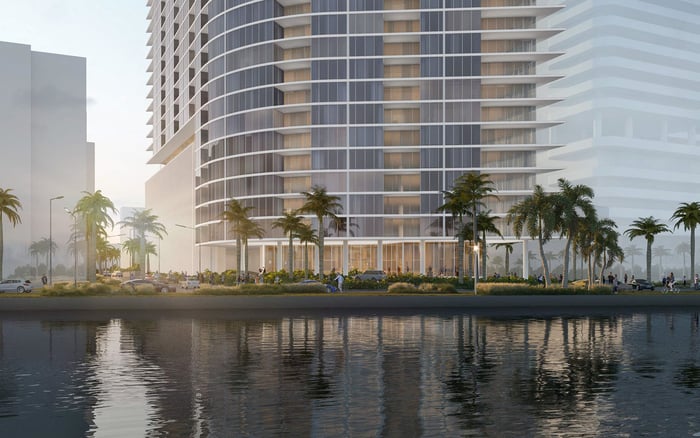
A buyer-oriented look at how two ultra-prime South Florida residential settings frame terrace usability, shade, salt-air maintenance, and long-term waterfront ownership.
South Florida’s most coveted residences are often judged first by view, arrival, and privacy. Yet for an ultra-prime buyer, the more durable question is not whether a terrace photographs beautifully at sunset. It is whether that exterior living space can remain comfortable, protected, and practical through years of sun, humidity, wind, and marine air.
That is the useful lens for considering The Residences at Six Fisher Island or Shorecrest Flagler Drive West Palm Beach. Both sit within South Florida’s uppermost residential conversation, but they raise different questions. One is an island-site case study. The other is a West Palm Beach Flagler Drive case study. Together, they sharpen the same ownership issue: luxury is not only what is visible on day one, but what performs gracefully over a long holding period.
For buyers and advisors, this is less about choosing a marketing image than understanding liveability, resilience, and maintenance. Fisher Island and West Palm Beach are not interchangeable conditions. They suggest different rhythms of exposure, different daily patterns of use, and different ways to think about exterior comfort.
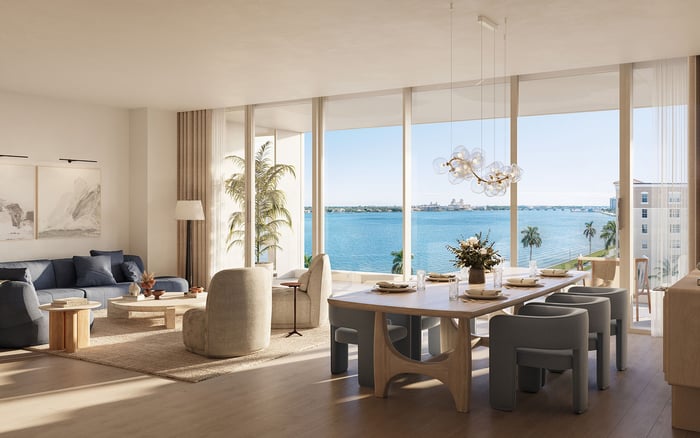
Indoor-outdoor living has become one of the central promises of South Florida luxury. Large openings, view-oriented rooms, and exterior seating areas can make a residence feel expansive and resort-like. In practice, however, exterior space must be tested against heat, glare, wind, moisture, and the way residents actually live.
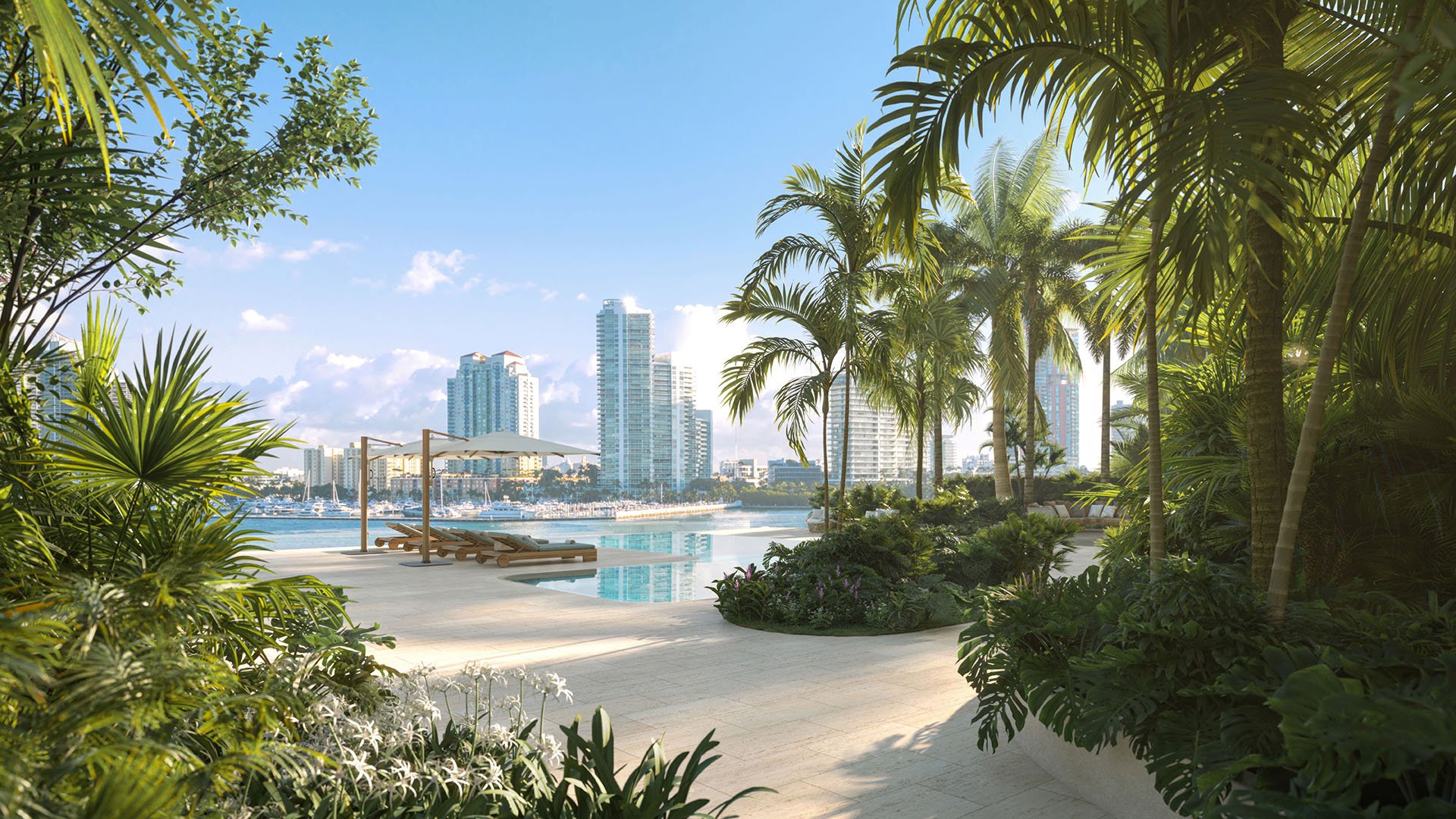
The Residences at Six Fisher Island invites the island-site question: how does a residence handle the intimacy and intensity of a marine environment? The appeal may be apparent, but the due-diligence inquiry should be precise. When does the terrace feel most usable? How does the exposure change across the day? Does the exterior space support breakfast, late-afternoon shade, and evening entertaining, or is it most compelling only within limited windows?
Shorecrest Flagler Drive West Palm Beach raises a related but distinct question. Buyers should consider the relationship between exterior living, waterfront orientation, and the surrounding city fabric. The issue is not only view, but character of use: quiet morning air, afternoon heat, breezes near the water, and the way a terrace connects to the pace of West Palm Beach.
Terrace comfort and water-view quality are connected, but they are not the same. A dramatic outlook can help justify a premium, while a well-tempered exterior room can shape everyday satisfaction. The strongest due diligence weighs both.
In South Florida, shade is not an accessory. It is a core component of luxury. The most desirable outdoor space can become ornamental if it is regularly exposed to punishing sun or glare. That is why solar control belongs near the top of any buyer’s checklist, especially in coastal and waterfront residences.
A buyer should evaluate exposure with discipline. Morning light can feel entirely different from late-day heat. Overhangs, orientation, surrounding reflections, and the depth of usable covered areas can determine whether a terrace becomes a true living room or simply a visual amenity. The key is not to assume that all exterior square footage carries the same practical value.
At The Residences at Six Fisher Island, the marine setting makes shade analysis especially important because sun, humidity, and wind can converge. A buyer should consider how exterior living areas might perform during the seasons when South Florida is most desirable, as well as during hotter, more humid months when shade becomes essential.
At Shorecrest Flagler Drive West Palm Beach, the Flagler Drive context brings its own calculus. The buyer’s question is how shade and solar control interact with waterfront living in a more city-connected setting. A terrace that feels protected, oriented, and calm can support daily use in a way that pure exposure cannot.
Salt-air maintenance is one of the quiet realities of South Florida waterfront ownership. It does not diminish the appeal of coastal living, but it does change the standard of evaluation. Marine air, humidity, and corrosion risk require buyers to think beyond finishes and views. They should consider how the residence may age, how exterior elements may need care, and how operational complexity might influence long-term satisfaction.
For both projects, the relevant point is not to assume identical conditions simply because both are coastal or waterfront. Island and city-connected waterfront settings can produce different day-to-day experiences. Exposure, wind patterns, proximity to marine air, and the level of building operation all shape the ownership profile.
A sophisticated buyer should ask practical questions before being seduced by a beautiful terrace. What components are most exposed? How easy is routine cleaning and maintenance? How often will exterior areas require attention? How might humidity affect comfort and care? Which spaces are protected enough to remain useful without constant adjustment?
The answers rarely come from broad lifestyle language. They come from close review of the residence, the site, and the building’s approach to long-term coastal performance.
The Residences at Six Fisher Island is best understood here as the island-site case study. Its due-diligence profile centers on how a residence mediates the pleasures and pressures of a marine setting. The buyer is evaluating privacy, exterior living, exposure, and the long-term implications of salt air in a rarefied island context.
Shorecrest Flagler Drive West Palm Beach is the Flagler Drive counterpoint. Its due-diligence profile centers on how exterior living works within West Palm Beach’s city-connected waterfront environment. The buyer is evaluating waterfront connection, terrace utility, shade, and the balance between daily convenience and coastal exposure.
Neither framework is inherently superior. They answer different temperaments. Some buyers may prioritize the separation and atmosphere of an island setting. Others may prefer a West Palm Beach residence tied more directly to the city’s daily life. The more important question is whether the physical performance of the residence supports the owner’s intended use.
This is where ultra-prime due diligence becomes personal. A seasonal resident who uses the home primarily in winter may weigh solar exposure differently from a full-time owner. An entertainer may prize protected exterior space more than a buyer who uses the terrace mainly for quiet morning coffee. An owner focused on multi-decade value may place unusual emphasis on maintenance, durability, and ease of operation.
A strong evaluation begins with lived conditions. Visit at different times of day when possible. Stand on the terrace long enough to understand heat, glare, and breeze. Consider whether furniture placement would be natural or compromised. Look at how interior rooms connect to exterior areas, and whether the transition feels effortless or performative.
Next, consider shade as infrastructure. Covered space, orientation, and heat management can be as meaningful as interior finishes. The most elegant terrace is one that invites use without requiring constant compromise.
Then, scrutinize salt-air exposure as an ownership cost and care issue. Coastal beauty carries maintenance obligations. Buyers should understand that long-term value is influenced not only by location and design, but by how gracefully a residence handles humidity, wind, and corrosion risk.
Finally, compare operational complexity. Ultra-prime residences often promise ease, but waterfront living is never entirely passive. The better question is whether the property’s systems, management, and design logic support the level of effort an owner is willing to assume.
In trophy coastal real estate, the market often rewards rarity, views, and address. Over time, however, liveability can be just as important. A residence that stays comfortable, protected, and simple to use may deliver a more satisfying ownership experience than one whose exterior spaces are dramatic but difficult.
That is why The Residences at Six Fisher Island and Shorecrest Flagler Drive West Palm Beach are useful to read together. They point to a broader South Florida principle: the best coastal homes do not merely face the water. They are designed, selected, and maintained with an understanding of what the water brings.
For ultra-high-net-worth buyers and their advisors, the final decision should integrate emotion with inspection. Views matter. Privacy matters. Arrival matters. So do shade, wind comfort, corrosion risk, and the day-to-day simplicity of living with salt air.
Why compare these two residences through due diligence rather than lifestyle? Both belong to South Florida’s ultra-prime coastal conversation, where long-term usability, maintenance, and resilience can matter as much as initial visual impact.
What makes The Residences at Six Fisher Island distinct in this comparison? It serves as the island-site case study, with attention on marine exposure, terrace usability, shade, wind comfort, and salt-air considerations.
What makes Shorecrest Flagler Drive West Palm Beach distinct? It serves as the Flagler Drive and West Palm Beach case study, shaped by exterior comfort, shade, and waterfront ownership questions.
Why is terrace usability so important in South Florida? Exterior space must perform under sun, humidity, wind, and marine air, or it risks becoming more decorative than functional.
How should buyers evaluate shade? They should consider orientation, covered areas, exposure at different times of day, glare, and whether outdoor space remains comfortable in heat.
Is salt air a concern for both properties? Yes. Coastal and waterfront locations can increase exposure to humidity and marine corrosion risks, making maintenance a central ownership issue.
Do island and West Palm Beach settings feel different day to day? They can. Microclimate, wind, exposure, and surrounding context may create different ownership rhythms and maintenance expectations.
Should buyers focus more on design or performance? They should consider both, but performance often determines whether the design remains enjoyable over years of ownership.
What questions should advisors prioritize? Advisors should examine terrace comfort, solar control, wind behavior, corrosion risk, and the complexity of ongoing operations.
Does this framework apply beyond these two projects? Yes. It is useful for many coastal luxury residences where exterior space, shade, wind, and material durability affect long-term value.
To compare the best-fit options with clarity, connect with MILLION.
If branded residences are on your mind — as a home or as an allocation — we would be glad to share what we are seeing, privately.
Begin a quiet conversation