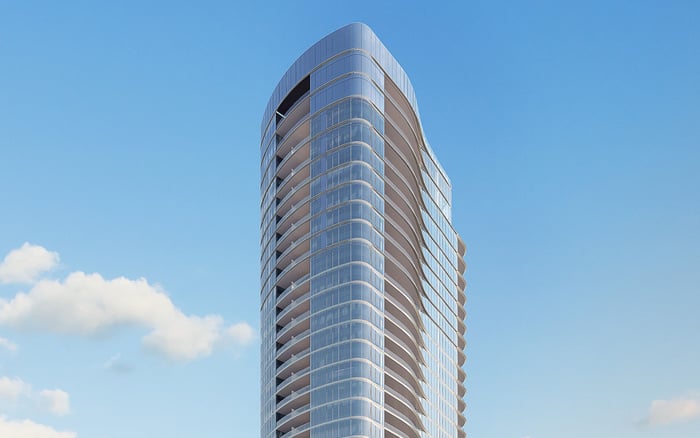
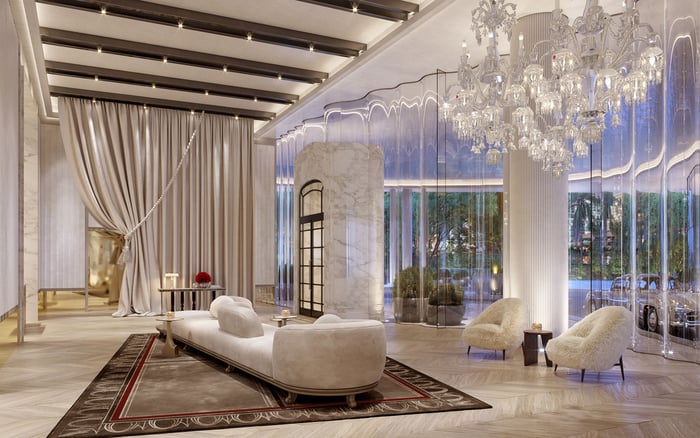
A buyer-focused look at how families should evaluate Baccarat Residences Brickell for lock-and-leave ownership, teen-space flexibility, privacy, routines, and resale-minded practicality.
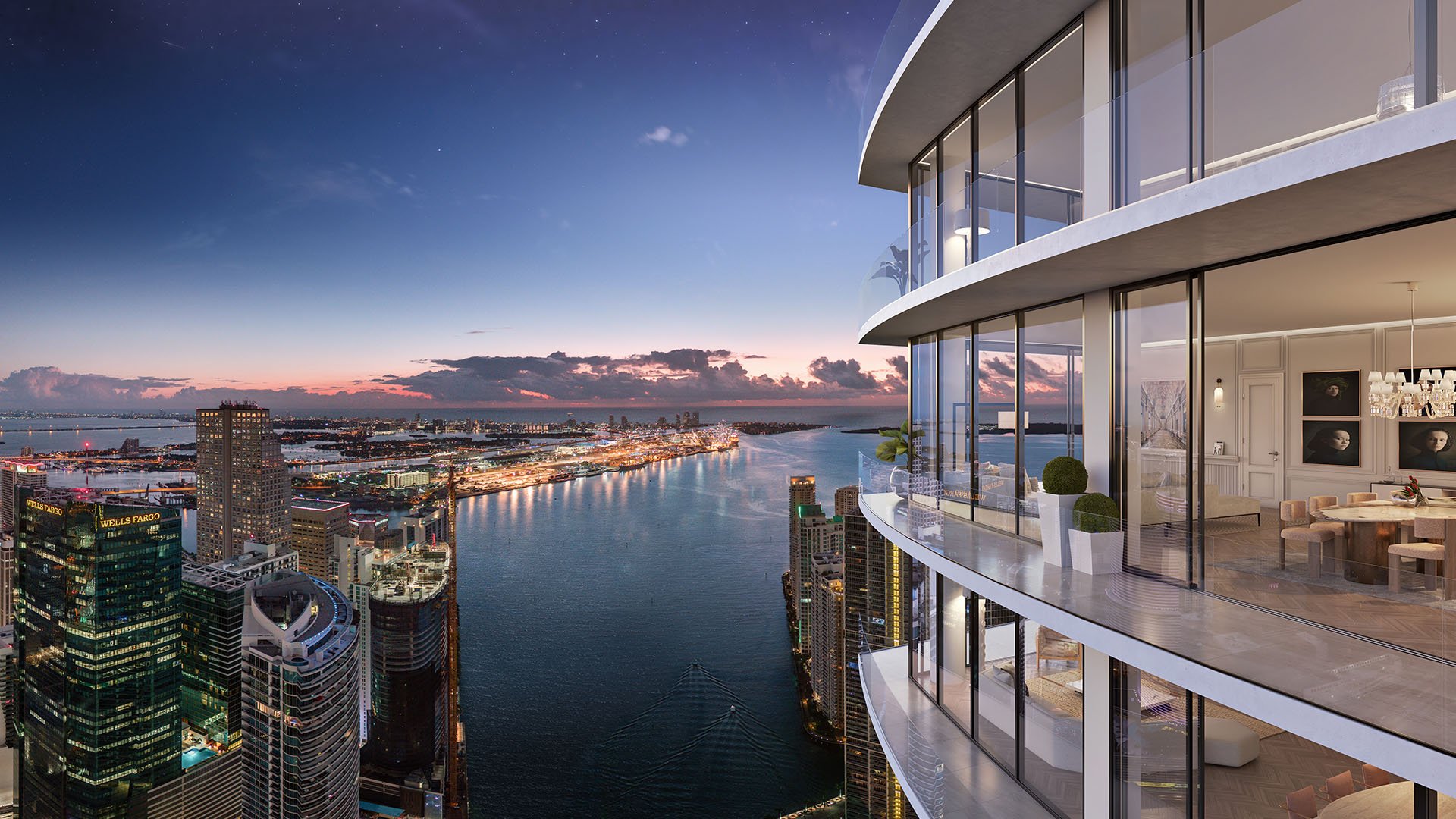
For many high-net-worth families considering Brickell, lock-and-leave ownership sounds effortless. It suggests a residence that can be closed after a long weekend, reopened before a school break, and trusted to perform without drama in between. At Baccarat Residences Brickell, that question becomes especially important because the buyer is often not choosing between a primary home and a hotel suite. The buyer is evaluating whether a branded urban residence can also support the less glamorous realities of family life.
That is where teen-space practicality enters the conversation. Teenagers do not simply need another bedroom. They need distance without disconnection, privacy without isolation, storage that can absorb sports gear and technology, and common areas that remain elegant when daily life becomes less staged. For a second-home buyer, those questions matter even more because the property may need to perform in short, intense bursts rather than within a predictable year-round rhythm.
This is not only a Baccarat Residences Brickell story. It is a Brickell story, a new-construction story, a balcony story, and often a waterview story, filtered through the needs of families who want luxury to simplify life rather than complicate it.
The best lock-and-leave residences are not defined by amenities alone. They are defined by the absence of small anxieties. Can the family arrive late and settle quickly? Is there a natural place for luggage before it reaches the bedrooms? Can the residence accommodate a grocery delivery, a tutor visit, a friend stopping by, or a teenager returning from an activity without turning the entire home into a logistics exercise?
For family buyers, convenience is not a soft benefit. It is a form of risk management. If the home is used seasonally, every arrival counts. A poor layout announces itself immediately: no drop zone, nowhere for shoes, inadequate secondary storage, or a living room that becomes the only hangout zone. A polished tower experience can still fall short if the private residence does not account for how families actually move.
The lock-and-leave buyer should therefore read the floor plan like a calendar. Weekend arrivals, school holidays, visiting cousins, grandparents, private drivers, and airport runs all create pressure points. A residence that looks serene in a presentation can feel far less composed when four people arrive with luggage, laptops, and different evening plans.
Teen-space practicality begins with acoustic and social separation. The question is not whether a teenager has a room. The question is whether the residence allows young adults to live comfortably without dominating the primary living areas. In a luxury condominium, that often depends on bedroom placement, corridor length, secondary bath access, and whether there is a flexible den or media area that can mature as the family does.
A teenager’s space should be close enough to feel integrated, but not so close that every call, game, or late-night conversation carries into the primary suite. If the home will host friends, the ideal plan creates a natural path from entry to social area without forcing guests through the most private parts of the residence. That detail matters in Brickell, where urban energy is part of the appeal and independence can become one of the reasons families choose the neighborhood.
Storage is the quiet marker of whether a residence is truly practical. Sports bags, formalwear, electronics, school materials, and extra linens need defined places. Without them, the home may still photograph beautifully, but it will not live beautifully. Families should look beyond headline room counts and ask what each space is expected to absorb.
Brickell offers an urban version of ease: dining, offices, waterfront walks, and city energy in a concentrated environment. For families with older children, that can be compelling. The neighborhood can support independence in a way that more remote second-home markets may not. A teenager can feel connected to the city, while parents retain the security of a managed residential environment.
Yet Brickell also rewards discipline. Buyers should think carefully about vertical living rhythms: elevator timing, parking routines, guest arrivals, package handling, pet movement, and how quickly the family can transition from street to residence. These are not minor details. They determine whether the property feels like a sanctuary or another step in an already full schedule.
For buyers attracted to a refined branded address, the practical evaluation should be even more exacting. Brand and atmosphere may set the tone, but circulation, privacy, and service choreography determine whether the residence performs when the family is tired, delayed, or traveling with guests.
A dramatic view can be decisive, especially in a waterview residence, but it should not distract from the plan. The first question is how the residence handles arrival. Is there a gracious entry sequence, or does the front door open directly into the main living area? Is there space to pause, unload, and reset before the home reveals itself?
The next question is whether the secondary bedrooms are equal enough to avoid family politics. Teenagers notice differences. So do guests. If one room feels clearly inferior, the home may create friction during holidays or extended stays. Buyers should also evaluate whether a den can function as a study, media room, overflow sleeping area, or quiet work zone as family needs change.
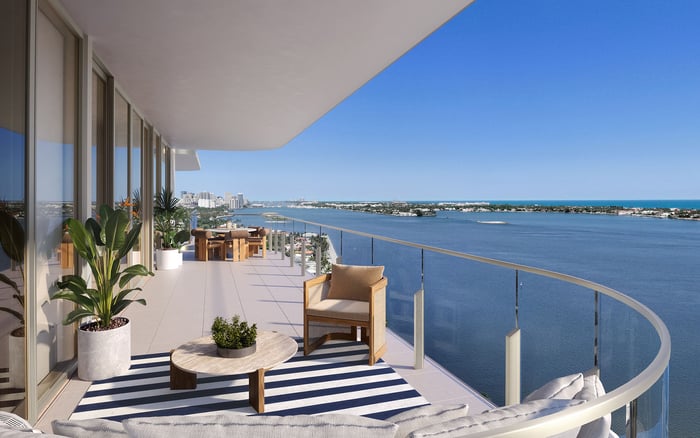
Outdoor space deserves the same scrutiny. A balcony can be more than a visual amenity if it is usable, shaded at the right time, and connected naturally to the living area. If it becomes a place where teens can read, talk, or decompress without leaving the residence, it adds practical value. If it is beautiful but rarely used, its contribution is mostly emotional.
Service can make a residence feel frictionless, but it cannot correct every planning issue. A building may offer a polished arrival, attentive staffing, and an elegant amenity environment, yet the private home must still support daily behavior. Parents should not rely on shared spaces to solve every teen need. Amenities are valuable, but they are not a replacement for a well-zoned residence.
This is especially important for families who travel frequently. When the home is used for concentrated periods, the residence needs to support immediate comfort. There may be no patience for rearranging furniture, improvising storage, or negotiating who gets privacy. The most successful lock-and-leave homes anticipate those needs before the family arrives.
The family buyer should also think like a future seller. Teen-space practicality may sound personal, but it aligns with broader demand. Flexible secondary rooms, sensible bedroom separation, usable outdoor space, and an intuitive arrival sequence appeal to many buyer profiles: families, couples hosting adult children, international owners, and executives who entertain guests.
In luxury real estate, the most durable residences usually combine emotion with operational intelligence. A beautiful home that lives easily has a wider audience than one that depends on a narrow lifestyle. For Baccarat Residences Brickell, the lock-and-leave question is therefore not only about absence. It is about return. The residence should feel ready when the owner comes back, and forgiving when family life becomes unscripted.
Is Baccarat Residences Brickell mainly for second-home buyers? It can appeal to second-home buyers, but the better question is whether the layout and services support the owner’s actual travel pattern.
What should families prioritize when evaluating teen-space? Look for bedroom separation, flexible rooms, storage, privacy, and a natural path for guests that does not interrupt the primary suite.
Does a larger residence always solve teen-space needs? Not necessarily. A smaller residence with better zoning can live more comfortably than a larger one with poor circulation.
Why does lock-and-leave ownership matter in Brickell? Many buyers value the ability to arrive, depart, and return with minimal friction while still enjoying an urban Miami lifestyle.
Should amenities be part of the teen-space calculation? Yes, but amenities should complement the private residence rather than compensate for an impractical floor plan.
How important is a balcony for families? A usable balcony can add meaningful decompression space, especially when it connects naturally to the main living area.
Is waterview exposure enough to justify a weaker plan? Usually not. A strong view is powerful, but daily comfort depends on privacy, storage, arrival flow, and room placement.
What makes new-construction attractive for lock-and-leave owners? Buyers often look for modern systems, contemporary planning, and a residential experience designed around current expectations.
Can Brickell work for families with teenagers? Yes, particularly for families who value city access, independence, and a managed residential setting.
What is the smartest way to compare residences? Walk through a realistic arrival day, a guest visit, and a quiet school-night routine before weighing finishes or views.
For a discreet conversation and a curated building-by-building shortlist, connect with MILLION.
If branded residences are on your mind — as a home or as an allocation — we would be glad to share what we are seeing, privately.
Begin a quiet conversation