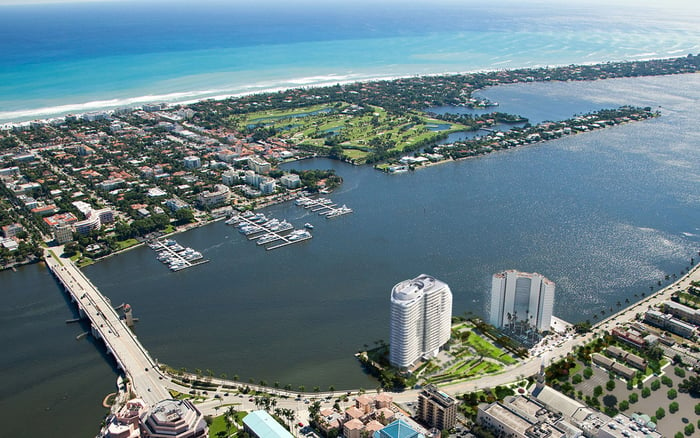
For yacht owners, waterfront real estate is more than a view. A careful title review helps clarify access, dock use, easements, restrictions, and the practical rights that make a South Florida residence work on the water.
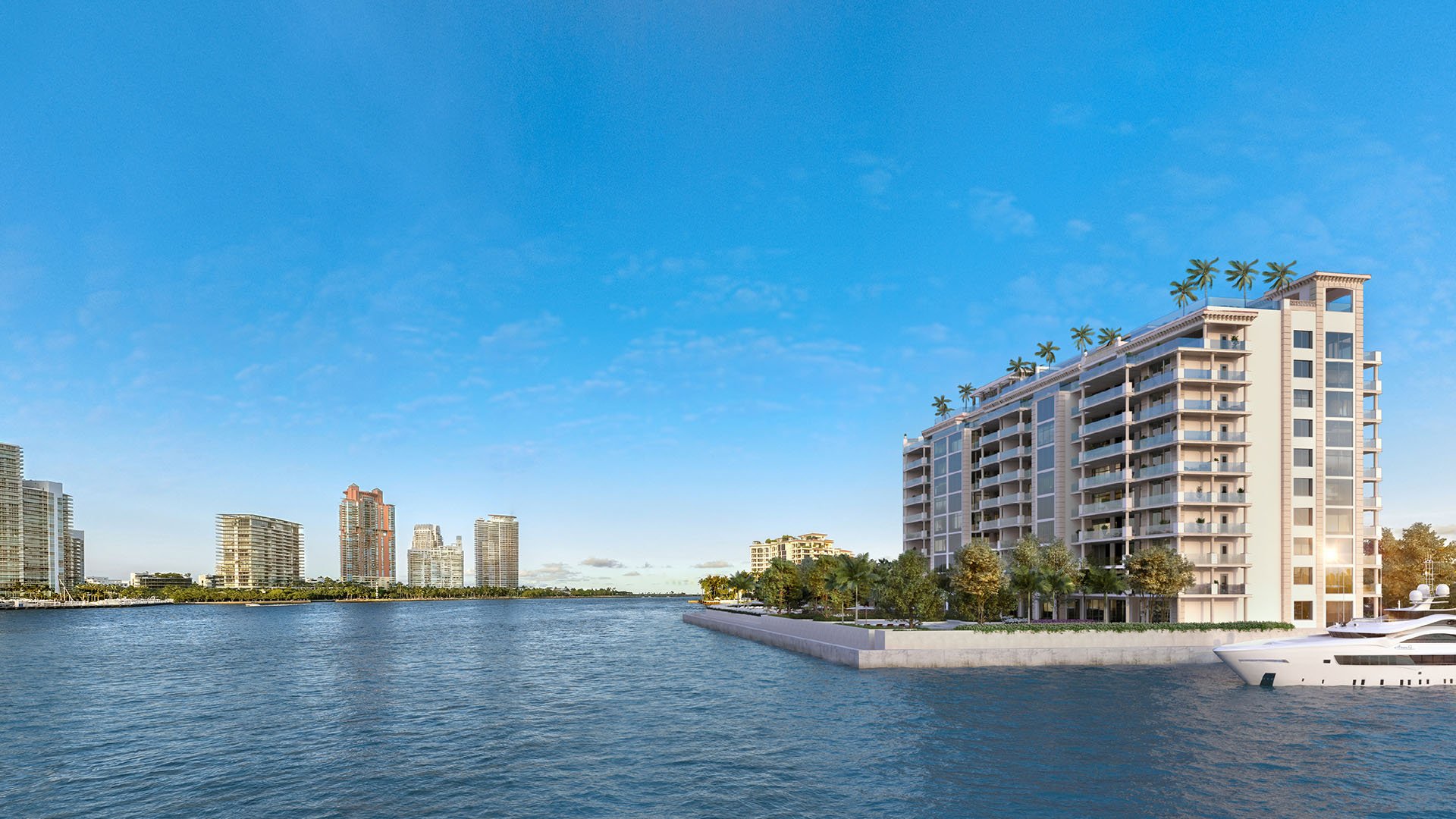
South Florida waterfront property is often judged first by its theater: morning light over Biscayne Bay, the Intracoastal shimmer, a private arrival by tender, the quiet confidence of a residence that opens toward water. For yacht owners, however, the true premium is not merely aesthetic. It is functional. Before signing, a buyer should understand whether the property’s legal title supports the boating life that made the residence compelling in the first place.
Title review is the quiet discipline behind a successful waterfront purchase. It is not a formality reserved for attorneys after the emotional decision has been made. It is the process of comparing the property’s promise with the rights that actually transfer at closing. For a buyer evaluating Miami Beach, Fort Lauderdale, Bay Harbor, Sunny Isles, Boca Raton, or Palm Beach, that distinction can be decisive.
A residence may feel self-evidently nautical, yet the right to use a dock, cross a seawall area, access a basin, or rely on a private easement may require careful confirmation. The same is true in condominium and branded-residence settings, where amenities may be enjoyed through association rules, licenses, limited common elements, or separately conveyed rights. In other words, the waterfront dream should be reviewed not only by view corridor and interior finish, but by the legal architecture beneath it.
A standard homebuyer may focus on ownership, liens, and closing mechanics. A yacht owner must go further. The water-facing edge of a property can involve rights and restrictions that are not always obvious from a showing. A title commitment, survey, condominium documents, association materials, and closing exhibits can reveal whether the desired use is secure, limited, shared, revocable, or subject to conditions.
This is especially important when a property is marketed around a boating lifestyle. A dock may look private, while the underlying rights may depend on recorded instruments or association governance. A boat slip may be assigned, leased, licensed, or otherwise restricted. A marina setting can feel seamless, but the buyer should understand exactly what is owned, what is available for use, what is subject to rules, and what remains outside the real estate being purchased.
For sophisticated buyers, the issue is not skepticism. It is alignment. The contract, title exceptions, dock-related documents, and association materials should support the intended lifestyle. If the plan includes keeping a yacht close to home, receiving guests by water, or treating the residence as a seasonal yachting base, those assumptions should be reviewed before deposits become harder to recover and timelines compress.
Before signing a waterfront contract, yacht owners should ask practical questions in plain language. Does the purchase include any dockage rights? If so, are those rights deeded, assigned, licensed, leased, or governed by association approval? Are there easements that allow access to the water, seawall, pier, or shared facilities? Are any waterfront structures excluded from the conveyance or subject to separate agreements?
Buyers should also ask whether title exceptions affect the property’s use. Some exceptions are routine. Others deserve closer attention because they touch access, maintenance, shared areas, or rights held by neighboring owners, associations, or third parties. The goal is not to eliminate every exception. The goal is to know which exceptions matter to the way the buyer intends to live.
A precise review also helps avoid vocabulary traps. “Waterfront” is a broad marketing term. “Dock access” may not mean ownership. “Available slip” may not mean transferable slip. “Private” may describe the experience rather than the recorded right. In the best transactions, the buyer’s counsel, title professional, surveyor, broker, and property specialist address these points early enough to resolve them calmly.
Many ultra-premium buyers are drawn to condominium living because it combines privacy, service, security, and a lock-and-leave rhythm. For yacht owners, that convenience must be weighed against the governing documents. The more curated the property, the more important it is to understand how rights are administered.
A buyer comparing residences such as The Perigon Miami Beach may be thinking about design, beach proximity, and a refined coastal life. That buyer should still review whether any water-related representation is part of the legal purchase or simply part of the broader neighborhood lifestyle. In a different context, a buyer evaluating St. Regis® Residences Bahia Mar Fort Lauderdale may naturally focus on the yachting character of Fort Lauderdale, but should still confirm the documents that govern any specific use rights.
Association rules can affect guest access, service providers, deliveries, maintenance, leasing, pets, insurance obligations, and the use of shared facilities. For yacht owners, the most relevant rules may involve docks, water access, marina procedures, storage, tenders, or approvals. Even when those details are operational rather than title-based, they can influence the lived value of the residence.
Single-family waterfront property can feel more straightforward because the buyer is acquiring land rather than a unit within a vertical community. Yet title review remains essential. Easements, encroachments, access rights, seawall responsibilities, utility corridors, shared driveways, and recorded restrictions can all shape ownership.
A survey is particularly important in this setting because it connects the paper record to the physical property. The buyer wants to understand where boundaries sit, whether improvements appear to cross lines, and how the waterfront edge relates to recorded rights. If the property includes dockage or related structures, the team should review whether those features are properly addressed in the transaction materials.
This is where South Florida’s geography becomes both seductive and complex. A waterfront home may be minutes from open water in lifestyle terms, while still carrying layered legal and practical considerations. The most polished buyers treat title review as part of the acquisition strategy, not as a closing checklist.
The most useful title review begins with how the owner intends to live. Will the yacht remain nearby or off-site? Will the property be used seasonally or year-round? Will crew, captains, family members, or guests need access? Is the buyer prioritizing privacy, speed to water, service, resort amenities, or a quieter residential atmosphere?
Those answers help determine which documents matter most. A buyer drawn to the low-rise waterfront intimacy of Onda Bay Harbor may have different questions from one considering the urban-waterfront rhythm of Alba West Palm Beach. Neither path is inherently superior. Each requires that the legal rights match the buyer’s expectations.
This is why disciplined luxury-property guidance emphasizes questions before conclusions. In a market where visual presentation can be exquisite, the buyer’s advantage comes from calm verification. Waterfront value is not only seen from the terrace. It is also embedded in recorded documents, association structures, contract language, and the absence of surprises.
Yacht owners should enter negotiations with a clear title-review plan. The purchase contract should allow time for document review, professional advice, and targeted follow-up. If dockage, access, or waterfront use is central to the purchase, those points should be elevated before signing rather than assumed after.
This does not make the process adversarial. On the contrary, it makes it more elegant. Sellers benefit when expectations are clear. Buyers benefit when legal rights, lifestyle goals, and financial commitments are aligned. Advisors benefit when they can solve issues early, before the closing calendar creates pressure.
The most successful waterfront acquisitions share a common trait: nothing important is left to implication. The view may begin the conversation, but title review gives the buyer confidence to complete it.
Is title review different for waterfront property? Yes. The review should pay special attention to access, easements, dock-related rights, restrictions, and any exceptions that could affect water use.
Should a yacht owner review title before signing? Ideally, key title and use questions should be raised before signing so the contract reflects the buyer’s priorities and gives time for review.
Does a waterfront view guarantee dock rights? No. A view and a legal right to use or own dockage are different matters and should be confirmed in the documents.
What is a title exception? It is a recorded matter or stated item that may affect the property, such as an easement, restriction, or other right that remains after closing.
Why do condominium documents matter to yacht owners? They can govern shared facilities, access procedures, approvals, maintenance obligations, and the nature of any dock or marina-related rights.
Can a boat slip be separate from the residence? It can be structured separately, so the buyer should confirm whether it is deeded, assigned, licensed, leased, or otherwise controlled.
Is a survey important for single-family waterfront homes? Yes. A survey helps compare the legal record with the physical property, including boundaries, improvements, and waterfront conditions.
Who should be involved in the review? A buyer commonly benefits from counsel, a title professional, a surveyor when appropriate, and an experienced real estate advisor.
What if the marketing language and documents differ? The documents should control the buyer’s expectations, and any important discrepancy should be addressed before the buyer proceeds.
What is the main takeaway for yacht owners? Treat title review as part of the lifestyle decision, because the value of waterfront property depends on what the owner can legally use.
For a confidential assessment and a building-by-building shortlist, connect with MILLION.
If branded residences are on your mind — as a home or as an allocation — we would be glad to share what we are seeing, privately.
Begin a quiet conversation