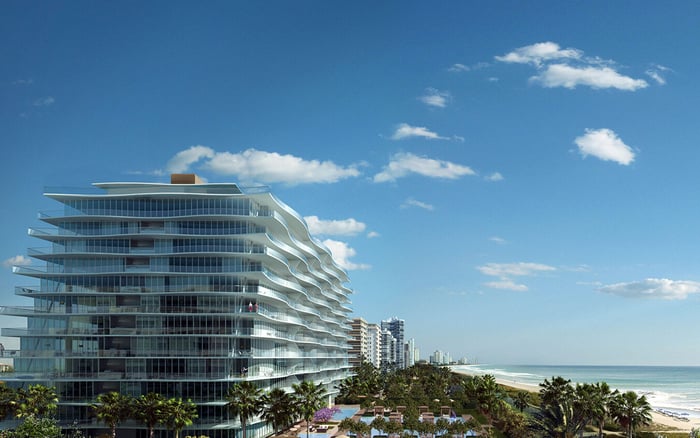
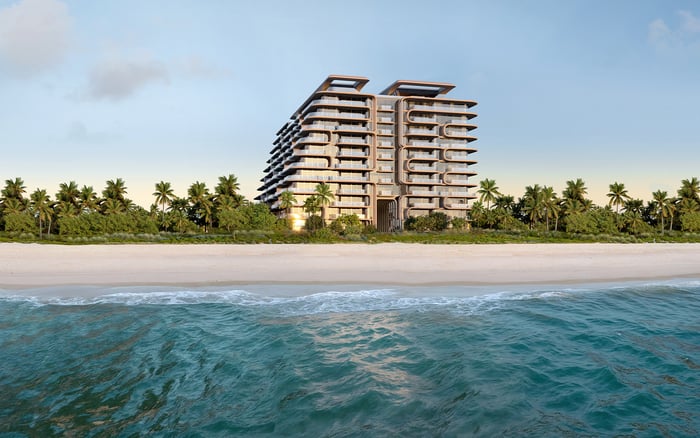
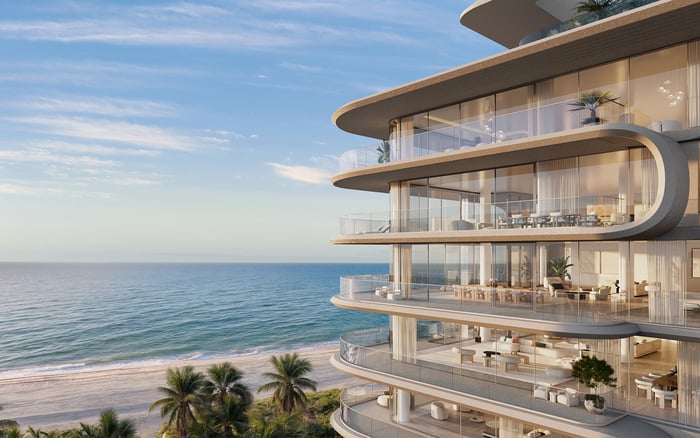
A buyer-focused comparison of The Residences at Mandarin Oriental, Miami and Fendi Château Residences Surfside through the lens of smart-home readiness, privacy governance, and service accountability.
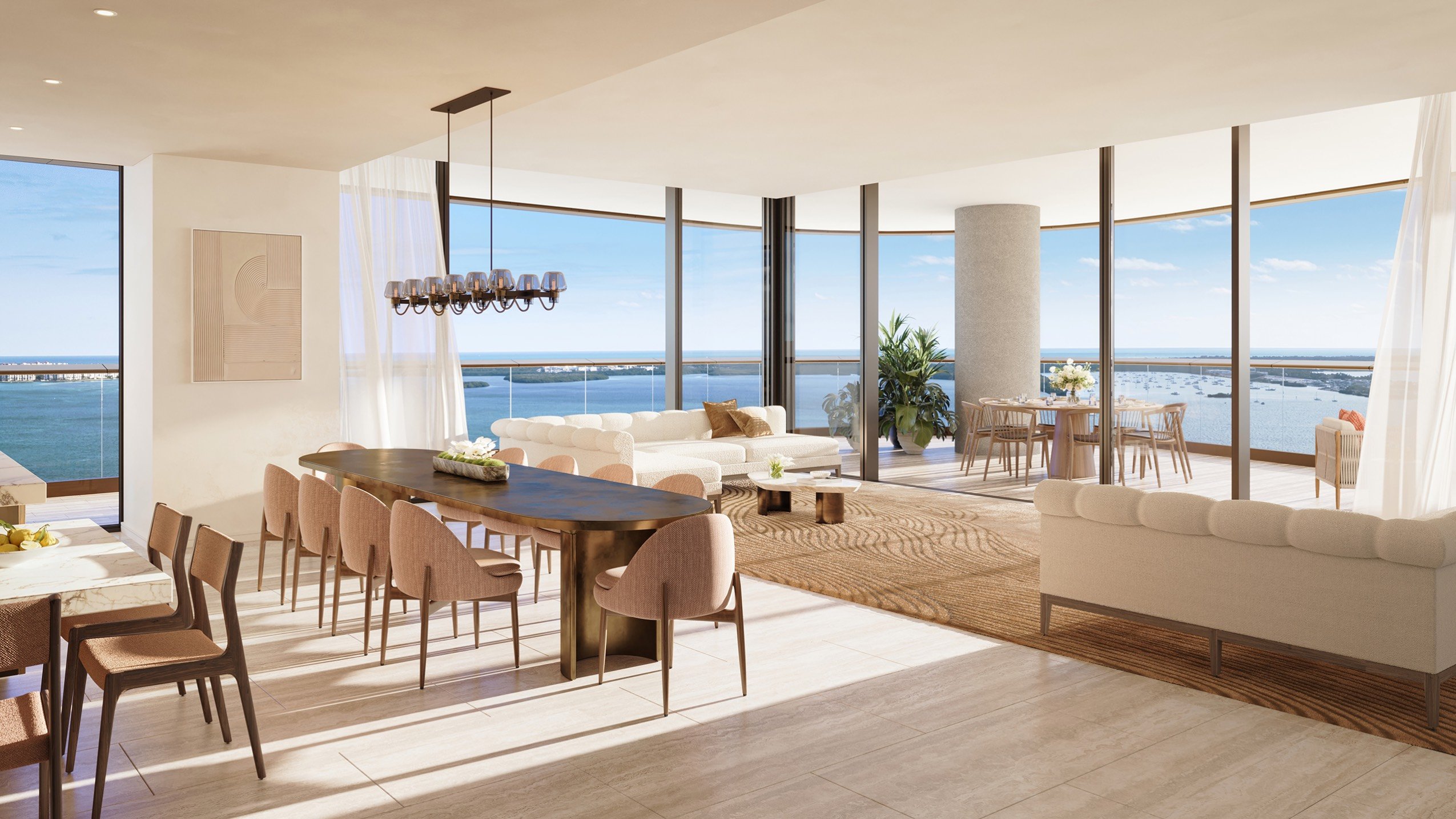
For the South Florida buyer considering The Residences at Mandarin Oriental, Miami or Fendi Château Residences Surfside, the obvious comparison begins with brand, setting, and lifestyle. One is the Miami expression of a Mandarin Oriental hospitality-branded residence. The other is a Surfside address shaped by Fendi’s design and fashion identity, with an Oceanfront ownership narrative distinct from the urban Miami proposition.
Yet the more revealing questions now sit behind the finishes. How prepared is the residence for future smart-home upgrades? Who controls the data created by keyless entries, resident apps, cameras, guest registrations, valet records, and package systems? When a service request is made, what standard governs the response?
For ultra-prime buyers, these questions are no longer technical footnotes. They influence daily convenience, privacy, resale confidence, and whether a branded residence still feels effortless after closing. The strongest purchase decision does not come from assuming one brand is technologically superior. It comes from asking each property to translate its brand promise into written, practical ownership terms.
The Residences at Mandarin Oriental, Miami should be understood first as a hospitality-led proposition. The attraction is not simply a residence in Miami, but the expectation that service culture, arrival sequence, amenities, and daily support will reflect the Mandarin Oriental language of care. That expectation naturally leads buyers to focus on accountability: who receives requests, how they are routed, how staff are trained, and whether service standards are documented.
Fendi Château Residences Surfside starts from a different emotional center. Its appeal is tied to design, fashion, materiality, and the composed character of a Surfside coastal address. The ownership lens is more residential and aesthetic, with the brand suggesting a curated private environment rather than a hotel-like cadence. That does not make technology less important. It changes the line of inquiry. A buyer may care more about discreet integration, upgrade flexibility, and whether technology enhances the interiors without visually competing with them.
This distinction matters. A hospitality brand may raise expectations for responsiveness. A design brand may raise expectations for seamlessness and visual restraint. Neither expectation should be accepted on feeling alone. In a new-construction or branded residence purchase, the buyer should ask how the promise is written into systems, staffing, resident rules, and post-closing operations.
Smart-home readiness is often misunderstood as a checklist of visible devices. The sharper question is whether the residence and building are prepared for changing preferences over time. Lighting, shades, climate, audio, access, security, elevators, packages, amenity reservations, and service requests may all touch a technology layer. A buyer should ask which elements are included, which are optional upgrades, and which require future work by a resident-selected vendor.
At The Residences at Mandarin Oriental, Miami, buyers should verify in-unit controls, resident app capabilities, building network design, and upgrade pathways through direct documents and management answers. The same applies at Fendi Château Residences Surfside, where automation vendors, control interfaces, and customization options should be confirmed before a buyer assumes compatibility with a preferred ecosystem.
The most useful due-diligence request is a plain-language technology brief. It should identify what is delivered at closing, what is controlled by the association or operator, what belongs to the individual owner, and what permissions are needed for third-party installation. It should also explain whether future upgrades can be made without disrupting common systems.
A luxury buyer should be especially careful with terms such as “fully integrated” or “smart ready.” Those phrases can mean very different things. One building may include a central platform for basic functions. Another may provide conduit, wiring, and flexible infrastructure while leaving final personalization to the owner. The more valuable asset is not always the building with the most visible technology on day one. Often, it is the building with the clearest path to adapt.
Privacy in a branded residence is not only about elevator access and discreet staff. It is also about data. Every modern residential environment creates records: entry events, license plates, visitor logs, package notifications, amenity bookings, service tickets, valet movements, camera footage, and app usage. For an investment buyer, those records can affect risk perception. For a second-home owner, they may determine how comfortably the property can be used while family members, guests, or household staff move through the building.
Neither a hospitality brand nor a fashion brand automatically guarantees stronger data governance. Buyers should ask for written policies covering data retention, access permissions, camera locations, guest registration, vendor credentials, and how resident information is shared with third parties. If an app is used, its terms should be reviewed with the same seriousness as an appliance package or association budget.
The central question is not whether a building collects data. Most sophisticated residences do. The question is whether collection is limited, necessary, secure, and transparent. Owners should know who can see records, how long they are kept, whether staff activity is audited, and how vendor access is approved or revoked.
In the highest tier of the market, discretion is part of value. A residence that handles data with clarity gives owners confidence that convenience has not been purchased at the expense of privacy.
Service is where brand expectations become personal. At The Residences at Mandarin Oriental, Miami, the buyer may reasonably expect a service culture informed by hospitality. At Fendi Château Residences Surfside, the expectation may be for refined, private residential support aligned with a design-led coastal lifestyle. In both cases, the buyer should move from mood to measurement.
Ask whether there are written standards for routine requests, urgent issues, after-hours support, guest handling, maintenance coordination, package delivery, and vendor arrival. Ask whether service requests are tracked digitally and whether residents can see status updates. Ask who is responsible when a request passes from concierge to engineering, valet, housekeeping, or outside vendor.
The best buildings make service feel invisible, but invisible service still requires structure. Without documented standards, responsiveness can depend too heavily on personalities and staffing levels. With clear procedures, a branded residence is more likely to deliver consistency across seasons, ownership changes, and management transitions.
The Mandarin buyer may be drawn to an urban Miami residence where hospitality, access, and service culture are central to the ownership experience. This buyer should press hardest on service routing, operator accountability, smart-home support, and privacy protocols that touch staff interaction.
The Fendi buyer may be drawn to Surfside for a quieter, design-forward residential mood with Oceanfront appeal. This buyer should focus on how technology is integrated into the home, how much personalization is permitted, and whether privacy practices match the property’s promise of refined discretion.
There is no need to declare a universal technology winner. The more sophisticated conclusion is that each property invites a different standard of inquiry. Mandarin’s brand promise makes service accountability central. Fendi’s brand promise makes seamless design integration and private residential calm central. In both cases, the ownership experience improves when smart-home readiness, data privacy, and service responsiveness are confirmed in writing before closing.
Is The Residences at Mandarin Oriental, Miami the more service-focused option? It should be evaluated as the hospitality-branded Miami side of the comparison. Buyers should still request written service standards rather than relying on brand expectation alone.
Is Fendi Château Residences Surfside more design-led? Yes. It is best understood as the Surfside, fashion and design-branded side of the comparison. The buyer should verify how technology is integrated without disrupting the residence’s aesthetic intent.
Can buyers assume either building has superior smart-home systems? No. Smart-home vendors, controls, app integrations, and upgrade flexibility should be verified through building materials and purchase documents.
What is the most important smart-home question to ask? Ask what is included at closing, what is optional, and what can be upgraded later. The answer should separate in-unit systems from building-wide infrastructure.
Why does data privacy matter in a luxury residence? Modern buildings create records through access systems, cameras, apps, guest logs, valet, and service requests. Owners should know who can access that data and how long it is retained.
Should a buyer ask for resident-app terms? Yes. The app may govern service requests, amenities, notifications, and personal data, so its terms should be reviewed before closing.
Are concierge response times enough to compare buildings? Not by themselves. Buyers should look for documented procedures, escalation rules, after-hours coverage, and accountability across departments.
Which option may suit a frequent traveler better? The better fit depends on how each building handles access permissions, guest registration, vendor coordination, and remote communication. Those details should be confirmed directly.
Which option may suit a privacy-sensitive owner better? The stronger choice is the one with clearer written policies for cameras, access logs, data retention, staff permissions, and third-party vendors.
What is the best way to shortlist comparable options for touring? Start with location fit, delivery status, and daily lifestyle priorities, then compare stacks and elevations to validate views and privacy.
To compare the best-fit options with clarity, connect with MILLION.
If branded residences are on your mind — as a home or as an allocation — we would be glad to share what we are seeing, privately.
Begin a quiet conversation