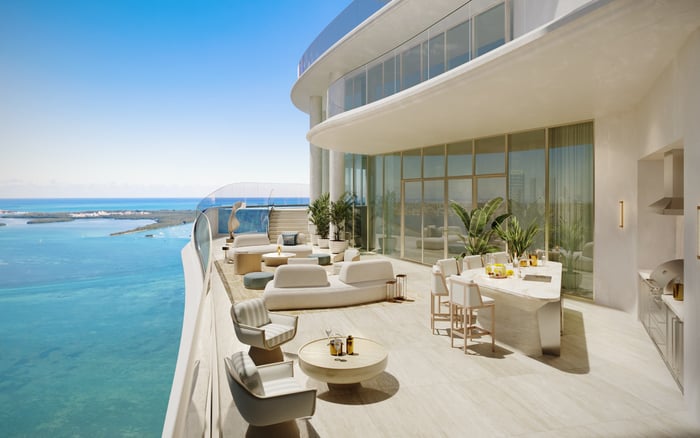
A buyer-focused editorial guide to evaluating Colette Residences Brickell as both a luxury lifestyle purchase and a multi-year financial commitment in Miami’s densest condominium market.
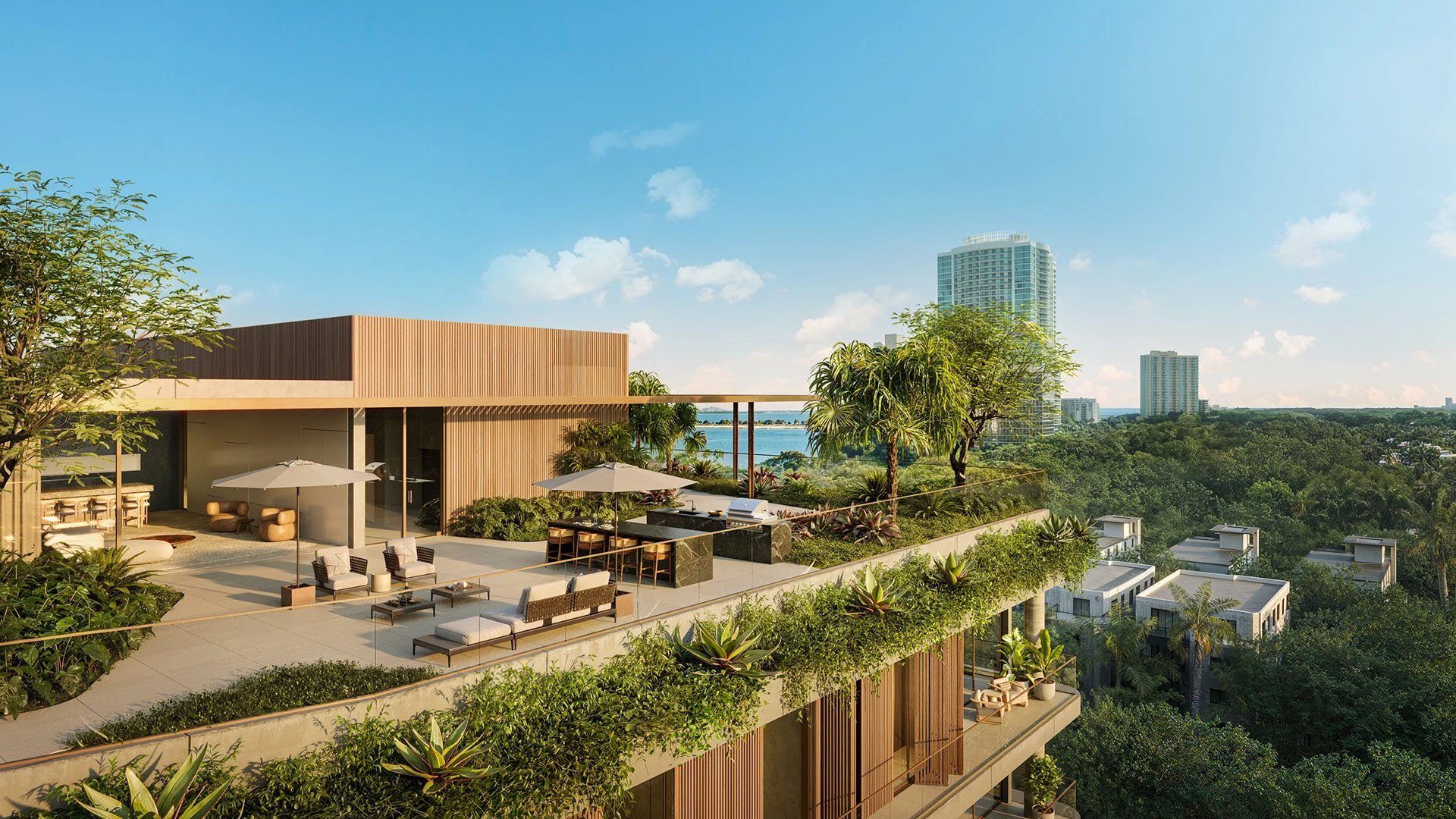
For $3M+ buyers, Colette Residences Brickell should be evaluated as two decisions at once. The first is emotional and lifestyle-driven: the appeal of a contemporary residence in a walkable, service-rich urban district. The second is financial: a multi-year capital commitment into a new development whose final value will depend on execution, delivery, operations, and Brickell’s continued evolution.
That distinction matters. Renderings, finish palettes, and amenity narratives can help a buyer understand the intended experience, but they do not replace underwriting. A disciplined purchaser should treat the contract process as an investment-grade acquisition with lifestyle upside, particularly at a price point where opportunity cost, resale liquidity, and future competition are material.
New construction has clear appeal in South Florida: modern building systems, current layouts, contemporary amenity programs, and the chance to buy into a fresh residential environment before it is fully realized. For some buyers, that is precisely the objective. They do not want to retrofit an older apartment or inherit dated common areas. They want a forward-looking building aligned with how they expect to live over the next decade.
At Colette, however, the question is not simply whether new construction is desirable. It is whether the development risk is properly balanced by the lifestyle promise and long-term value proposition. Buyers should examine the developer’s strength, legal protections, construction delivery assumptions, capital structure, projected operations, and how the building is expected to sit within Brickell’s future luxury hierarchy.
Pre-construction buyers may commit capital well before delivery. That makes the deposit schedule, escrow protections, release conditions, and any construction-financing structure essential to review before signing. The purchase price is only one variable; time, liquidity, contract flexibility, and downside protection are part of the real cost.
Brickell’s strength is its density. The district offers an urban rhythm that few South Florida neighborhoods can match, with retail, dining, business access, and daily conveniences woven into the residential experience. For buyers who want a lock-and-leave Miami base or a primary residence with immediate access to services, that walkable setting is central to Colette’s appeal.
Yet the same density that makes Brickell compelling also makes future positioning more complex. Neighborhood trajectory will influence Colette’s long-term desirability and resale liquidity. A luxury condominium does not exist in isolation; it competes within a vertical market where nearby towers, changing streetscapes, and new hospitality-driven concepts can shift buyer expectations quickly.
This is why Colette should be benchmarked against other Brickell projects competing for similar buyers. A purchaser considering Cipriani Residences Brickell or Baccarat Residences Brickell is not merely comparing names. The relevant comparisons include ceiling heights, floor-plan efficiency, amenity depth, service model, brand affiliation, development-team reputation, and projected delivery timing.
Waterview premiums in Brickell require a particularly sober lens. Skyline, bay, and city views can help define value, but Brickell’s high-rise development pattern means view corridors may change over time. Buyers should study neighboring parcels, zoning potential, and likely future development before assigning a premium to a particular exposure.
This does not mean views should be discounted automatically. It means they should be priced with a clear understanding of what is protected, what is probable, and what remains speculative. A view that feels irreplaceable in a sales presentation may be more vulnerable when considered against the broader development map.
For $3M+ buyers, the most resilient residence is often the one that still feels compelling even if the view thesis changes. Floor-plan livability, light, proportions, privacy, arrival sequence, and daily convenience may support value more consistently than a single visual angle.
A luxury building’s character is formed not only by architecture, but by how it is used. Colette buyers should ask whether the building is expected to function primarily as a primary-residence community, a second-home address, an investor-owned building, or a mixed ownership environment. Each profile creates a different atmosphere.
Rental rules also deserve close attention. Rental restrictions, rental-program arrangements, and expected transient use can affect ambiance, security, elevator demand, staff workload, and building wear. A residence that reads beautifully on paper can feel very different if day-to-day circulation is dominated by short stays or inconsistent occupancy.
For buyers who value privacy and predictability, this is not a minor clause in the documents. It is part of the core lifestyle asset. The strongest due diligence includes a review of house rules, governance expectations, service staffing, and how the building intends to preserve a residential tone over time.
Colette’s positioning will ultimately be tested not only at launch, but after nearby competing buildings are completed and resale buyers can compare delivered residences directly. That is when architecture, operations, amenity quality, maintenance discipline, and ownership culture become visible.
A buyer looking across The Residences at 1428 Brickell, 2200 Brickell, and St. Regis® Residences Brickell should not reduce the comparison to brand recognition or headline amenities. The more useful question is which building will remain differentiated once the market has real, lived-in evidence.
Investment discipline means asking how each residence will be perceived by the next buyer. Is the plan efficient? Does the service model match the monthly cost? Are the amenities meaningful or merely expansive? Is the building likely to attract long-term owners, seasonal users, or a fluid mix? These questions shape liquidity.
Colette may be well suited to buyers who want Brickell’s urban convenience and are comfortable underwriting the timeline and contractual structure of a new development. Some buyers may also view Miami real estate as part of a broader lifestyle, residency, or capital-allocation strategy, though those considerations require tax and legal advice outside the sales process.
The least prepared buyer is the one who focuses only on design. The better prepared buyer asks how the building will operate, who else is likely to own there, what capital is tied up before delivery, and how Colette will compete when Brickell’s next generation of luxury inventory is no longer theoretical.
At the $3M+ level, the goal is not to avoid risk entirely. It is to identify which risks are acceptable, which can be negotiated or clarified, and which should be priced into the decision.
Is Colette Residences Brickell only a lifestyle purchase? No. It should be evaluated as both a lifestyle decision and a multi-year financial transaction.
Why does Brickell matter so much to Colette’s value? Brickell’s walkable, service-rich setting is central to the appeal, but its density also affects future competition and resale liquidity.
Should buyers rely on renderings when evaluating Colette? Renderings are useful for understanding intent, but buyers should focus on contracts, delivery risk, operations, and long-term positioning.
What contract issues deserve special attention? Deposit schedule, escrow protections, release conditions, and construction-financing structure should be reviewed before signing.
Are views at Colette guaranteed to remain the same? Buyers should not assume that. Neighboring parcels, zoning potential, and future development can affect view corridors over time.
Why is occupancy profile important? The mix of primary residents, second-home owners, investors, and transient users can shape ambiance, security, elevator use, and wear.
How should Colette be compared with other Brickell projects? Compare ceiling heights, floor-plan efficiency, amenities, service model, brand affiliation, team reputation, and delivery timing.
Can Colette fit a broader residency or capital-allocation strategy? It may, but tax, legal, residency, and capital-planning questions require professional advice beyond the purchase presentation.
Is pre-construction risk automatically negative? Not necessarily. It can be acceptable when the buyer understands timing, protections, opportunity cost, and delivery assumptions.
What is the best way to shortlist comparable options for touring? Start with location fit, delivery status, and daily lifestyle priorities, then compare stacks and elevations to validate views and privacy.
To compare the best-fit options with clarity, connect with MILLION.
If branded residences are on your mind — as a home or as an allocation — we would be glad to share what we are seeing, privately.
Begin a quiet conversation