A refined buyer’s guide to Hillsboro Beach for those who want Intracoastal calm, boating utility, water views, and less sand-related maintenance than direct oceanfront ownership.
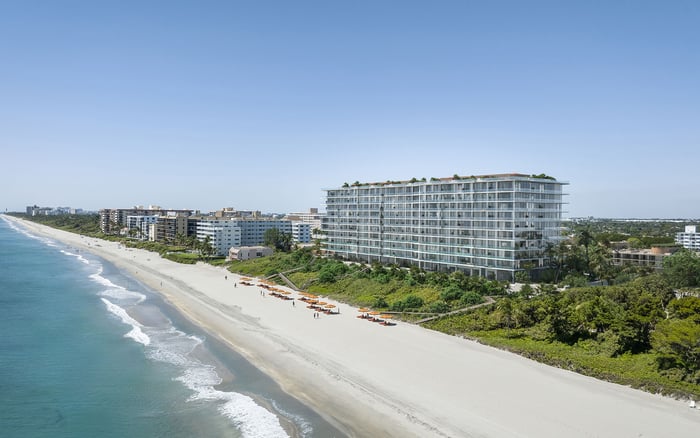
Hillsboro Beach is one of South Florida’s most specialized waterfront addresses: a narrow barrier-island town in northeastern Broward, with the Atlantic Ocean to the east and the Intracoastal Waterway to the west. That geography creates a clear buyer decision: live on the ocean, with sand, dunes, and the drama of the Atlantic, or turn toward the Intracoastal for a calmer, more boat-oriented water life.
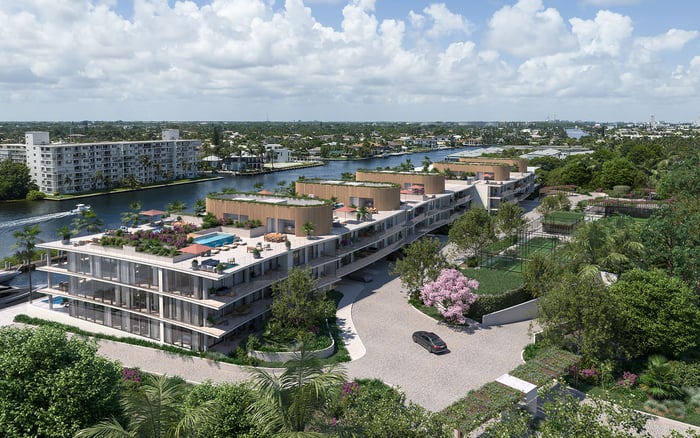
For buyers who prefer bay views, “bay” in Hillsboro Beach usually means Intracoastal Waterway or canal views rather than a true enclosed bay. The distinction matters. The west side of town can offer reflected light, passing vessels, sunset color, and a more protected visual rhythm than the open ocean horizon. It can also reduce direct exposure to sand, beach crowds, dune management, and some of the daily wear associated with oceanfront living.
This is not a choice between waterfront and non-waterfront. It is a choice between two versions of coastal ownership. Oceanfront buyers often prioritize beach immediacy. Intracoastal buyers tend to prize privacy, boating logic, dock potential, and the pleasure of water without carrying the beach through every threshold.
The Intracoastal side of Hillsboro Beach is compelling because the town is compact, residential, and largely built out. That creates scarcity. Direct Intracoastal frontage is limited, and buyers seeking both open water views and meaningful dockage should expect constrained inventory and precise timing.
The reward is a quieter waterfront mood. The Intracoastal offers movement without the scale of the Atlantic: boats passing in the distance, evening reflections, lights across the water, and a more sheltered sense of arrival. For many luxury buyers, that atmosphere feels more livable day to day than a high-exposure oceanfront terrace.
There is also an ownership logic. Less sand at the entry. Less beach gear migrating through the residence. Less immediate interaction with public beach activity. The trade-off is usually less direct beach access in exchange for calmer outlooks, possible private dockage, and fewer sand-related maintenance issues.
Even so, buyers should not confuse “away from the sand” with “away from coastal risk.” Hurricanes, king tides, salt air, flood insurance, drainage, and storm-surge exposure remain part of any serious waterfront purchase in Hillsboro Beach.
The first underwriting step is to define the water. Direct Intracoastal frontage is not the same as a secondary canal, and neither is the same as a partial or angled water view. A residence may photograph beautifully at twilight yet deliver a narrower outlook in ordinary daylight. A balcony may frame water over a neighboring roofline. A home may have a dock, but not the depth, width, or wake profile a specific vessel requires.
For this reason, serious buyers should visit candidate properties at different times of day. Morning glare, afternoon sun, traffic noise, boat wake, privacy across the water, and nighttime lighting can all change the feel of a property. In a small town, micro-positioning is everything.
Search language can be inelegant but useful: Hillsboro-beach, Waterfront, Waterview, Boat-slip, Broward, and Buyer's Guides are the kinds of filters that begin the inquiry. They do not complete it. The real question is whether the property delivers the water experience the buyer imagines after the listing photos are gone and daily life begins.
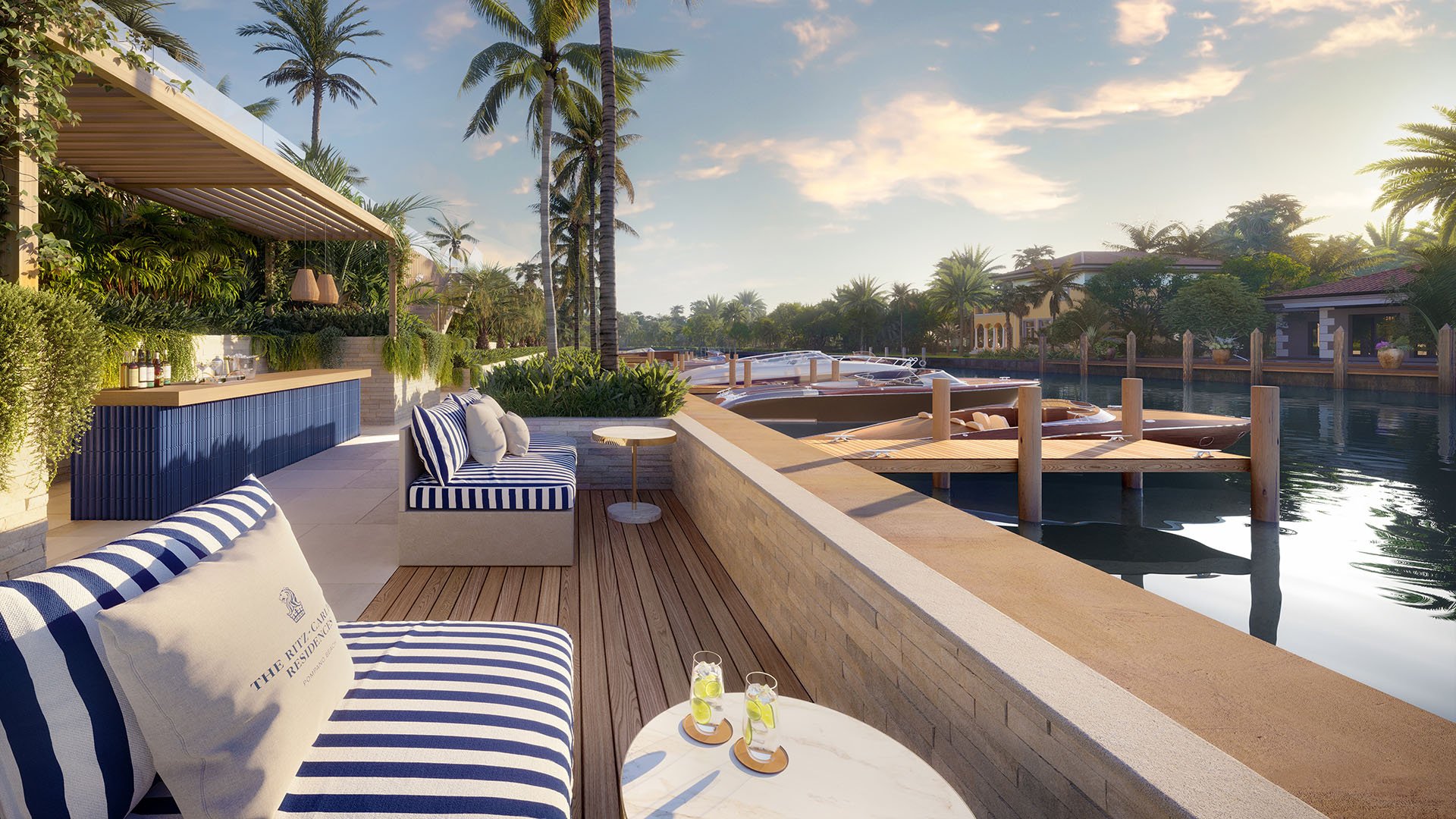
For boat owners, Intracoastal appeal must be tested technically. Dock dimensions, water depth, bridge clearances, seawall condition, wake exposure, and access time to ocean inlets should be reviewed before closing. A yacht that suits one dock may be impractical at another, even within the same town.
Seawalls deserve particular attention. Condition, height, tiebacks, cap integrity, drainage, and the potential need for repair or replacement can materially affect ownership cost. Shoreline work, including docks, lifts, and seawalls, may require permitting from local and state environmental authorities. Buyers should verify feasibility before assuming that an existing condition can be expanded, replaced, or upgraded.
The best bay-view acquisitions are not merely attractive. They are operationally coherent. The residence, seawall, dock, water depth, insurance profile, and boating path all need to support the intended lifestyle.
Bay-view condos can appeal to buyers who want the outlook without the same exterior maintenance burden associated with a single-family waterfront estate. In a condominium, the association typically handles many shared exterior responsibilities, which can simplify seasonal ownership. But that convenience shifts diligence from the seawall alone to the building as a whole.
Buyers should review reserves, structural reports, insurance, special assessment history, and applicable inspection requirements, especially in older coastal buildings. A graceful lobby and a beautiful view do not replace balance-sheet discipline. For coastal condos, the quality of governance can be as important as the quality of finishes.
Single-family waterfront homes offer more autonomy. They may bring private dockage, direct control over improvements, and a more estate-like experience. They also place more responsibility on the owner for seawalls, drainage, exterior systems, storm preparation, and insurance. The right choice depends less on status than on appetite for control versus convenience.
Hillsboro Beach sits between larger coastal neighbors including Deerfield Beach, Pompano Beach, and Boca Raton. That location gives buyers a quieter residential base near broader dining, shopping, services, and marina-oriented options. For some, that is precisely the appeal: the address feels secluded without being isolated.
Bay-view buyers should still compare the town with Lighthouse Point, Pompano Beach, Boca Raton, and Highland Beach. Each offers a different mix of dockage, condo inventory, beach access, and municipal services. A buyer who finds Hillsboro Beach too scarce may look north or south without abandoning the broader coastal lifestyle.
In Pompano Beach, branded and new-development conversations may include Armani Casa Residences Pompano Beach or The Ritz-Carlton Residences® Pompano Beach as part of a wider comparison. Boca-oriented buyers may weigh the urban-resort character around Alina Residences Boca Raton. Fort Lauderdale buyers who want a riverfront or boating-adjacent lens may also study Riva Residenze Fort Lauderdale.
Within Hillsboro Beach itself, Rosewood Residences Hillsboro Beach gives buyers a local luxury reference point, even when their final preference is the quieter Intracoastal side rather than the sand.
The ideal bay-view Hillsboro Beach buyer is not trying to avoid the ocean. They are choosing a more discreet version of coastal life. They may still want beach access nearby, but not necessarily beach maintenance at the doorstep. They may own a boat, entertain quietly, value sunset light, or prefer the softer motion of the Intracoastal to the constant energy of the Atlantic.
This buyer should be patient, technical, and precise. In a small, built-out waterfront town, the best opportunities are defined by position, condition, and suitability rather than headline glamour. The most important question is not whether a property is on the water. It is whether the water works for the way the buyer intends to live.
Is Hillsboro Beach better for bay views or ocean views? It depends on lifestyle. Oceanfront favors direct beach access, while the Intracoastal side favors calmer water views, boating potential, and less sand-related maintenance.
Does “bay view” in Hillsboro Beach mean a true bay? Usually no. In this market, the phrase typically refers to Intracoastal Waterway or canal views.
Is direct Intracoastal frontage common in Hillsboro Beach? No. The town is compact and largely built out, so direct frontage with strong water views and dockage can be limited.
What should boat owners verify before buying? Dock dimensions, water depth, bridge clearances, wake exposure, seawall condition, and travel time to ocean inlets should all be reviewed.
Are bay-view condos easier to maintain than waterfront houses? They may reduce day-to-day exterior responsibility, but buyers still need to review reserves, structural condition, insurance, and assessment history.
Do Intracoastal properties still carry flood risk? Yes. Even away from the sand, waterfront properties can face hurricanes, king tides, storm surge, salt air, and insurance requirements.
Why is the seawall so important? Seawall repair or replacement can be costly and may require permitting, making it a major diligence item for waterfront homes.
Should buyers visit at different times of day? Yes. Sun exposure, boat wake, privacy, traffic noise, and nighttime lighting can change the feel of a property.
What nearby areas should bay-view buyers compare? Lighthouse Point, Pompano Beach, Boca Raton, Highland Beach, and Fort Lauderdale can each offer different waterfront trade-offs.
Who is the best fit for Hillsboro Beach’s Intracoastal side? A buyer who wants water, privacy, boating logic, and a quieter residential setting without making sand the center of daily ownership.
For a discreet conversation and a curated building-by-building shortlist, connect with MILLION.
If branded residences are on your mind — as a home or as an allocation — we would be glad to share what we are seeing, privately.
Begin a quiet conversation