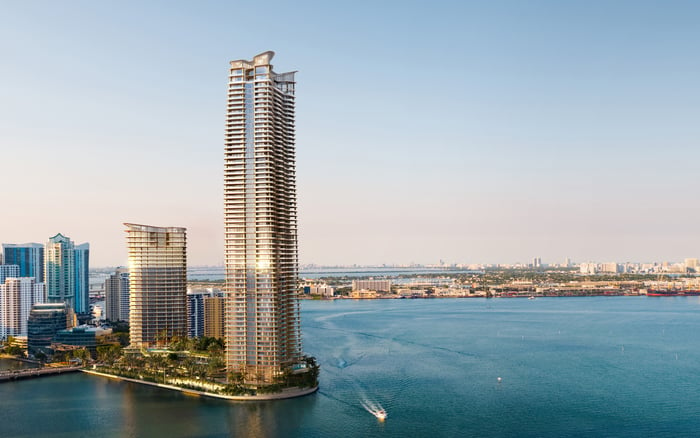
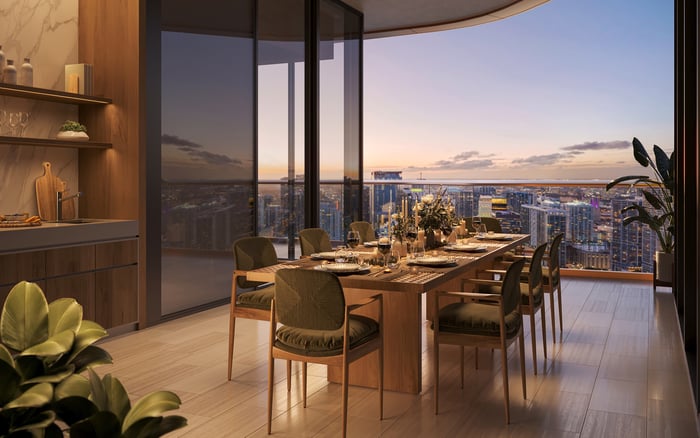
A discreet look at how affluent buyers can treat insurance deductibles as part of wealth stewardship at The Residences at Mandarin Oriental Boca Raton, balancing liquidity, catastrophe coverage, and long-term ownership discipline.
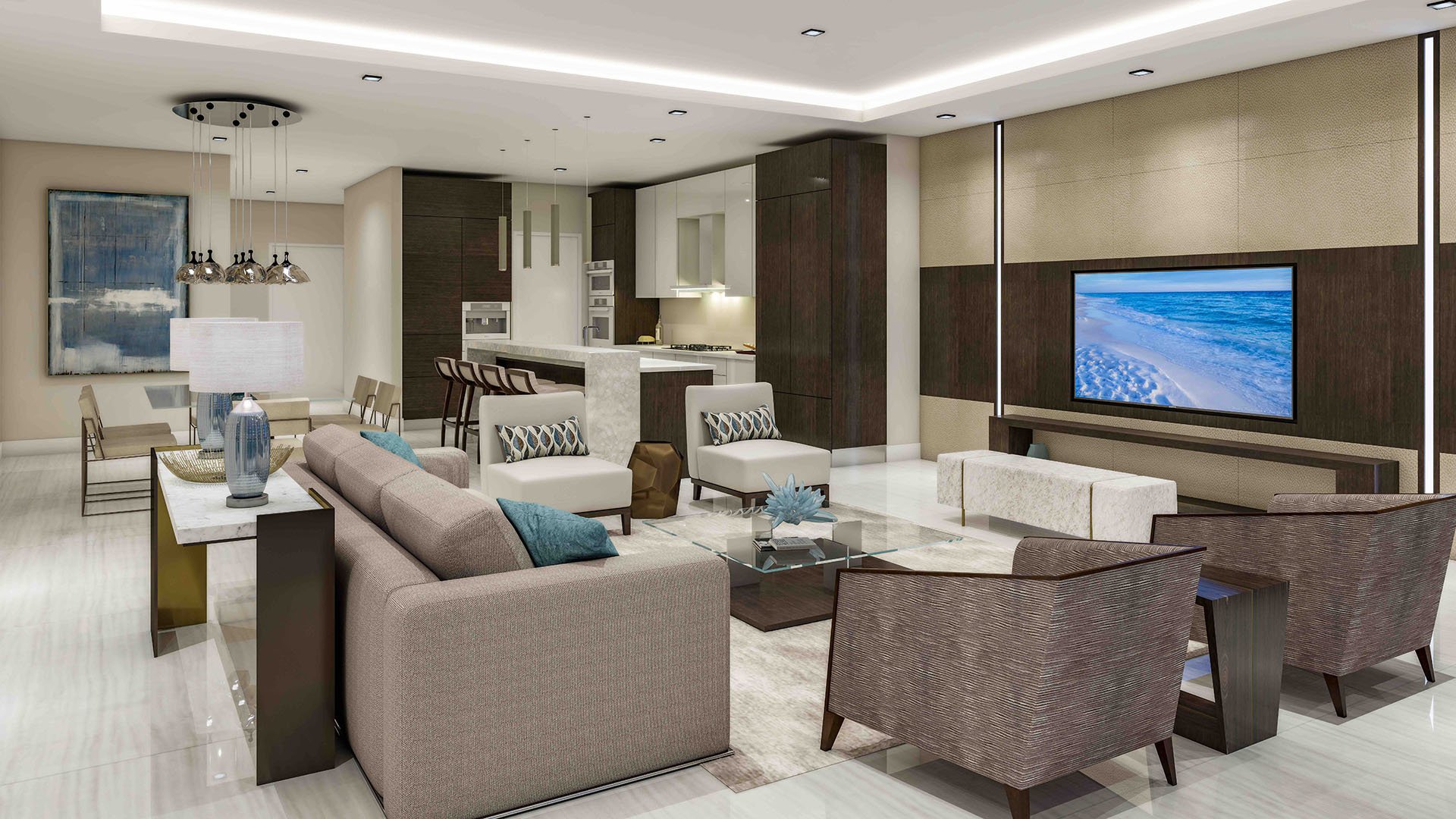
At The Residences at Mandarin Oriental Boca Raton, the conversation is not simply about a beautiful home in a desirable South Florida setting. It is about how an affluent owner chooses to hold, protect, and steward a lifestyle asset over time. In that sense, insurance deductibles are not a back-office detail. They are part of the architecture of ownership.
This is where quiet luxury becomes more compelling than the surface language of finishes, amenities, and service. For a high-net-worth buyer, discretion can mean choosing less visible forms of sophistication: liquidity planning, risk tolerance, catastrophe coverage, and a claims philosophy that avoids unnecessary friction. The most refined ownership posture is often the least performative one.
For buyers filtering the market through terms such as Boca-ratón, Downtown, New-construction, Investment, or Second-home, the more important question is how the residence fits into a broader family balance sheet. The Residences at Mandarin Oriental Boca Raton Boca Raton belongs in that conversation as an ultra-luxury branded residential project in Boca Raton, where lifestyle, portfolio logic, and long-term family use can converge.
In conventional condominium thinking, insurance is often treated as a closing checklist item: premium, deductible, coverage, done. Branded residences occupy a different mental category. Buyers are not simply maximizing square footage. They are buying service, identity, location, and a certain confidence in daily life.
That confidence should extend to risk planning. South Florida ownership carries climate considerations that serious buyers cannot ignore. The goal is not to dramatize risk, but to price it intelligently. A deductible is one of the clearest expressions of that pricing decision.
A low deductible can feel reassuring because it suggests smaller out-of-pocket exposure after a loss. Yet for a liquid owner, that reassurance may come with trade-offs. Smaller claims can create administrative burden, possible underwriting attention, and repeated friction around events that may not be economically meaningful to the household. A higher deductible, when paired with ample liquidity and properly structured catastrophe coverage, can reflect a different mindset: reserve insurance for the losses that truly matter.
That posture is not universal advice. It is a planning concept for owners who can self-insure smaller events without disrupting their financial life. The right choice depends on the owner, the residence, the policy language, the association structure, and the overall risk program.
The most elegant insurance strategy is often the one that asks fewer things of the insurance market. For affluent owners, the question is not always, “How do I pay the least if something small happens?” It may be, “How do I preserve access, reduce frictional costs, and keep coverage aligned with catastrophic exposure?”
That is the capital-preservation case for deductibles. A low-deductible, claim-frequent mindset can turn insurance into a maintenance tool. A higher-deductible, capital-preservation mindset treats insurance as balance-sheet protection. It assumes that minor losses can be absorbed privately, while major losses deserve serious risk transfer.
At the luxury level, this distinction matters. The residence may function as a lifestyle base, a family gathering place, a seasonal retreat, or a long-hold asset within a broader wealth strategy. The insurance program should not be designed as if every scratch, leak, or modest repair is a portfolio event. It should be designed around resilience.
This is not about being underinsured. Quite the opposite. The higher-deductible approach only makes sense when the owner has strong catastrophe coverage, a clear understanding of exclusions and limits, and immediate liquidity for retained risk. The sophistication is in knowing which risks to transfer and which risks to retain.
Boca Raton has long appealed to affluent domestic and international buyers, but its luxury narrative has become more layered. Downtown Boca Raton is evolving toward a more walkable, curated environment, with dining, retail, office, and residential uses forming a more complete urban luxury setting. For buyers accustomed to the branded-residence model, that evolution matters.
A residence in this context is not merely a private address. It is an access point to service, predictability, and a polished daily rhythm. That is why the insurance conversation should match the caliber of the purchase. A buyer who is deliberate about architecture, hospitality, and privacy should be equally deliberate about deductibles, limits, and claims philosophy.
The Mandarin Oriental name also changes the psychology of ownership. Branded residences often attract buyers who value consistency and a managed experience. Insurance planning should not disrupt that experience with reactive decision-making after a loss. It should be set before ownership begins, revisited regularly, and coordinated with the household’s advisors.
A sophisticated deductible decision begins with liquidity. If a loss below the deductible would create discomfort, the deductible may be too high. If it would be immaterial to the family balance sheet, the owner may have room to consider retaining more risk.
The second question is use. A primary residence, seasonal home, and occasional-use residence can each create different patterns of exposure and oversight. The third is coordination. Owners should understand where personal coverage begins, how it interacts with association insurance, and what responsibilities may remain inside the residence.
The fourth question is claims behavior. If the owner’s instinct is to file for every small matter, a higher deductible may not match the household culture. If the owner prefers to handle modest issues privately and reserve claims for material events, the strategy may feel natural.
Finally, the owner should evaluate insurability as an asset. In a complex insurance environment, maintaining a clean, disciplined profile can be valuable. Avoiding unnecessary claims is not merely about today’s premium. It can also be about preserving flexibility for tomorrow’s renewal.
Qualified insurance, legal, tax, and risk advisors should be involved before any deductible decision is made. The right answer is personal, technical, and policy-specific.
The quiet luxury case for deductibles is ultimately a case for control. Not the illusion of eliminating risk, but the discipline of defining it. At The Residences at Mandarin Oriental Boca Raton, that discipline belongs in the same conversation as location, service, design, and legacy.
For the right buyer, a higher deductible can be an expression of confidence: confidence in liquidity, in advisory infrastructure, and in the ability to distinguish inconvenience from catastrophe. It can also support a cleaner relationship with the insurance market, reducing small claims and keeping attention focused on losses that genuinely require risk transfer.
In South Florida’s luxury market, ownership is rarely just residential. It is personal, financial, and intergenerational. The deductible is a small line on a policy, but it can reveal a large truth about the owner’s philosophy.
Is a higher insurance deductible always better for luxury buyers? No. It may suit liquid, well-advised owners, but the right deductible depends on risk tolerance, coverage structure, and financial capacity.
Why does this topic matter at The Residences at Mandarin Oriental Boca Raton? The property sits within Boca Raton’s ultra-luxury branded-residence market, where ownership often functions as both lifestyle asset and long-term wealth consideration.
How does quiet luxury relate to insurance? Quiet luxury is not only visible refinement. It can also mean disciplined, understated risk management that protects the owner’s time, privacy, and capital.
What is the main argument for a higher deductible? A higher deductible can help reserve insurance for material or catastrophic losses while allowing the owner to handle smaller matters privately.
What is the main risk of choosing too high a deductible? If the owner cannot comfortably absorb the retained loss, the deductible may create stress rather than sophistication.
Should owners avoid all small insurance claims? Not necessarily. The point is to evaluate whether a claim is economically meaningful and strategically worth filing.
How does climate risk affect the deductible decision? South Florida ownership requires careful planning around major-loss exposure, especially when pairing deductible choices with catastrophe coverage.
Is this only relevant for primary residences? No. A Second-home or seasonal residence may require equally careful planning because use patterns and oversight can affect risk.
Who should advise on deductible selection? Owners should consult qualified insurance, legal, tax, and risk advisors before selecting deductibles or changing coverage.
What is the central takeaway for affluent buyers? Deductibles should be treated as part of wealth stewardship, not merely as a policy detail to be minimized.
For a tailored shortlist and next-step guidance, connect with MILLION.
If branded residences are on your mind — as a home or as an allocation — we would be glad to share what we are seeing, privately.
Begin a quiet conversation