Sunset exposure can be one of the most seductive qualities in a South Florida luxury condo, but it deserves a disciplined review of comfort, materials, glass, mechanical performance, and resale perception before a buyer treats the view as a premium by itself.
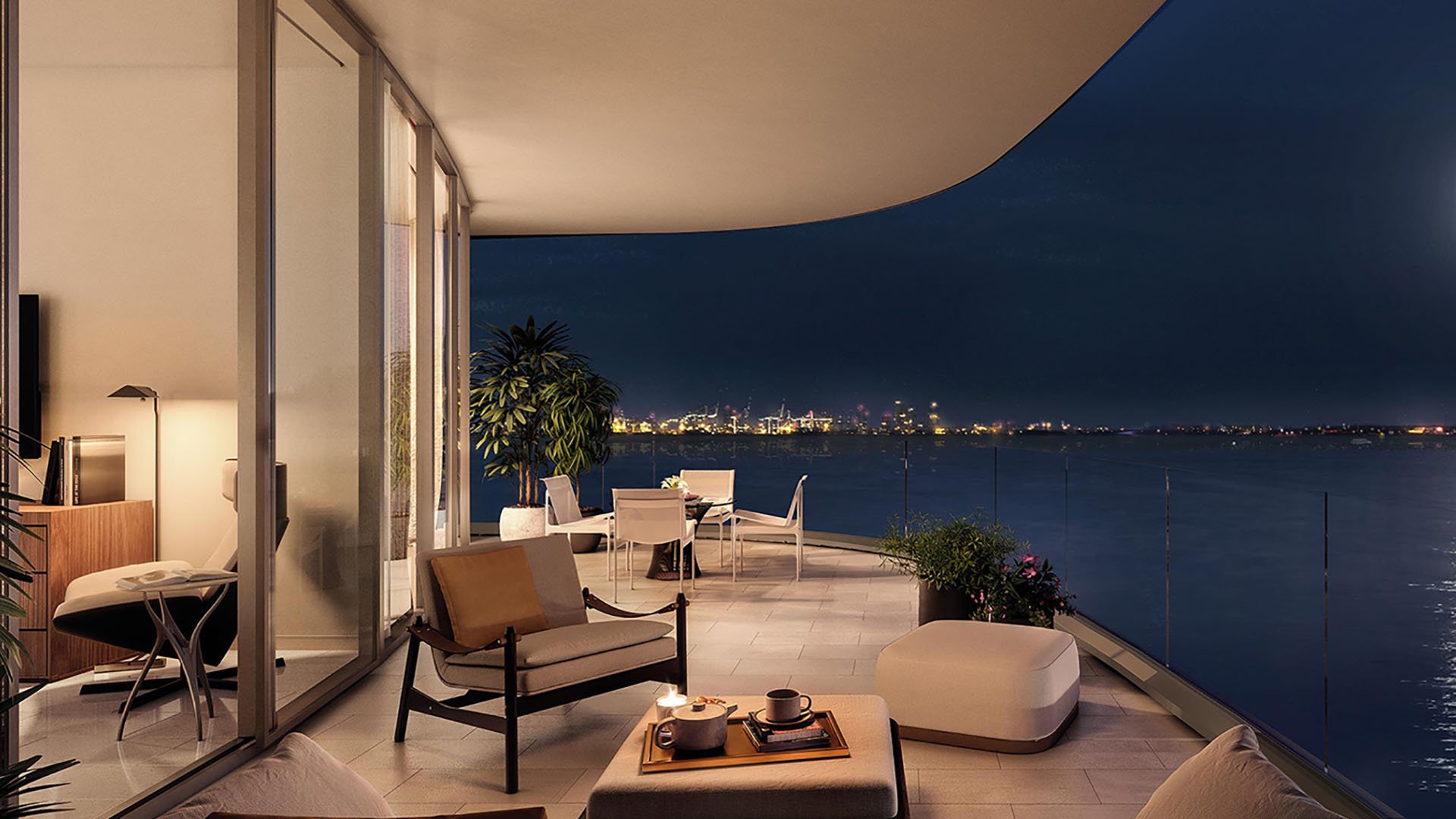
Sunset is one of the most emotionally persuasive moments in South Florida real estate. It softens the skyline, turns water into theater, and can make even a restrained interior feel cinematic. For a luxury condo buyer, a late-afternoon showing often carries unusual force. The room glows. The terrace becomes magnetic. The decision begins to feel less analytical and more inevitable.
Yet sunset heat is a quiet-risk question, not a reason to retreat from a property. The issue is whether the residence has been designed, specified, and maintained to convert western light into daily pleasure rather than daily friction. In the ultra-premium market, that difference is rarely visible in the brochure. It is felt at 5 p.m., in the way a living room holds temperature, how a bedroom recovers before sleep, and whether a terrace remains usable when the sky is at its most beautiful.
The sophisticated buyer does not ask only, “Is the sunset view spectacular?” The sharper question is, “What does this exposure require from the building, the unit, and my lifestyle?” That is where quiet risk becomes manageable, and where the best residences separate themselves from merely photogenic ones.
A west-facing or southwest-facing residence can offer a ritual that morning-light homes do not: the close of day as a private performance. For many owners, especially those who use a property as a second-home retreat, sunset is the hour that matters most. It is when guests arrive, terraces are used, and the visual identity of the home is at its strongest.
That emotional value can translate into buyer preference. Waterfront, skyline, and high-floor views often become more compelling when framed by evening light. In neighborhoods such as Brickell, Miami Beach, Sunny Isles, Surfside, Bal Harbour, and other luxury corridors, the sunset experience can be central to how a residence is remembered after a tour.
But premium light is still light. It brings glare, radiant warmth, and higher demands on glass, shades, air circulation, and finish selections. The risk is not that sunset exposure is undesirable. The risk is that a buyer falls in love with the view before understanding the operating conditions that come with it.
In a true luxury condo, beauty should not require tolerance. If a living room becomes difficult to occupy in the late afternoon, the view has not been fully resolved. Comfort is the first test because it reveals how the residence performs under stress.
A buyer should pay close attention to temperature differences between rooms, especially where walls of glass meet open-plan entertaining areas. Does the kitchen remain comfortable during late-day use? Does the primary suite cool evenly? Are seating areas placed where people will actually want to sit, or are they staged in positions that become uncomfortable as the sun lowers?
The same question applies to an oceanfront residence with broad glass and a balcony. Cross-light, reflection off water, and terrace depth can all shape the experience. A glamorous exposure can be superb when paired with thoughtful shading and strong mechanical design. Without that balance, the home may feel magnificent in photographs but less effortless in daily life.
The most successful sunset residences are not darkened to defeat the sun. They are tuned to control it. The architecture should allow the owner to move between openness and protection without sacrificing the atmosphere of the home.
Window performance matters, but the buyer’s review should go beyond a simple description of impact glass or floor-to-ceiling glazing. How does the glass feel to stand beside during peak late-day conditions? Are there integrated shade pockets? Do motorized shades operate quietly and consistently? Can different zones be controlled separately, or does the residence force an all-or-nothing response?
Interior materials also deserve scrutiny. Wood, stone, fabrics, rugs, and art walls may age differently under repeated sun exposure. The concern is not merely fading. It is whether the interior palette has been selected with the orientation in mind. A discreet, beautifully finished home should not require constant defensive living, with shades closed at the very hour the view is meant to be enjoyed.
Air conditioning is often treated as background infrastructure, but in sunset-facing luxury condos it becomes part of the property’s livability. A residence with powerful views needs equally considered climate performance. Quiet delivery, balanced zones, and rapid recovery after a hot afternoon can influence the owner’s experience as much as stone selection or ceiling height.
The diligence is practical. Tour at the relevant hour when possible. Notice whether the system is working hard or maintaining comfort with composure. Listen for noise. Feel for uneven cooling near glass lines, dens, media rooms, and bedrooms. Ask how the residence behaves when shades are open and the home is being used normally, not staged for a brief showing.
This is where luxury becomes less about visible finish and more about invisible ease. The right residence makes sunset feel like an amenity. The wrong one asks the owner to negotiate with it every day.
A terrace with western exposure can be extraordinary, but it should be evaluated as a room, not simply as a line item. The most beautiful view may still need shade, air movement, furniture planning, and realistic expectations about timing.
Buyers should consider whether the terrace is meant for cocktails, dining, reading, or quiet observation. Each use has a different tolerance for heat and glare. A deep terrace can create a more forgiving outdoor environment, while a shallow one may function best as a visual extension of the living room. Neither is inherently better. The question is whether the design matches the owner’s intended rhythm.
Furniture selection also matters. Metals, dark cushions, glass tables, and exposed surfaces can behave differently under late-day sun. In the luxury segment, outdoor living should feel intentional, not improvised after closing.
Sunset exposure can be a strong emotional hook on resale, but buyer psychology is selective. Some buyers prize dramatic evening light. Others prefer calmer mornings, softer interiors, or less direct heat. The resale advantage depends on how convincingly the residence answers the comfort question.
A well-managed sunset home presents itself with confidence. Shades disappear when not needed. Cooling feels effortless. Materials still look composed. The terrace feels usable, not symbolic. In that context, the exposure becomes part of the residence’s identity.
A poorly managed sunset home can invite hesitation. Buyers may not articulate the concern as heat gain or glare. They may simply feel that the home is less serene than expected. In a market where ultra-premium buyers are attuned to atmosphere, that feeling matters.
The best diligence is experiential. If sunset is central to the value proposition, see the property close to sunset. Stay long enough to understand the transition from bright afternoon to evening. Open and close shades. Step onto the terrace. Sit where you would actually entertain. Walk into the bedrooms after the main living area has absorbed the day’s heat.
Ask about shade systems, glass specifications, climate zoning, maintenance history, and any upgrades made to improve comfort. Review whether artwork, fabrics, and millwork have been protected intelligently. Consider how often the home will be occupied, at what time of day, and by whom.
The goal is not to turn a romantic purchase into a technical audit. It is to protect the romance. Sunset is one of the great luxuries of South Florida condominium living when the residence is designed to receive it properly.
For discerning buyers, sunset heat should be treated as a design and diligence question rather than a flaw. The most desirable homes are not those that avoid environmental intensity altogether. They are the ones that manage it beautifully.
A luminous western exposure can define a residence, create memorable entertaining moments, and deliver the daily drama that makes South Florida living feel singular. But the premium should belong to homes that offer control, comfort, and endurance alongside beauty. In the luxury market, the real value is not simply seeing the sunset. It is living well through it.
Is sunset exposure a problem in luxury condos? Not necessarily. It becomes a concern only when the residence lacks the glass, shading, cooling, or planning needed to keep the home comfortable.
Should buyers avoid west-facing residences? No. Many buyers prize western light, but they should evaluate how the home performs during the late afternoon before assigning a premium to the view.
What is the first thing to check during a sunset showing? Comfort is the first test. Notice heat near the glass, glare in seating areas, and how evenly the home cools.
Do motorized shades matter? Yes. Well-integrated shades can preserve the view while giving owners precise control over glare, privacy, and heat.
Can sunset exposure affect interiors? Yes. Repeated direct light can influence fabrics, wood, rugs, art placement, and other finish decisions over time.
Is a deeper terrace always better? Not always. A deeper terrace can offer more protection, but the best choice depends on how the owner plans to use the outdoor space.
Does sunset exposure influence resale? It can. Buyers may respond strongly to sunset views when the residence also feels calm, cool, and easy to live in.
When should a buyer tour a sunset-facing condo? The ideal time is late afternoon into early evening, when light, heat, glare, and cooling performance can be evaluated together.
Are high-floor sunset views more desirable? They can be compelling, but elevation alone does not solve comfort. The unit still needs strong design and mechanical performance.
What is the best way to shortlist comparable options for touring? Start with location fit, delivery status, and daily lifestyle priorities, then compare stacks and elevations to validate views and privacy.
If you'd like a private walkthrough and a curated shortlist, connect with MILLION.
If branded residences are on your mind — as a home or as an allocation — we would be glad to share what we are seeing, privately.
Begin a quiet conversation