For collectors considering West Palm Beach, the most consequential residential questions often sit behind the visible design. A disciplined review should address art storage, adaptable lighting, environmental control, backup planning, delivery routes, and the practical relationship between display walls and glass. Finishes still shape the experience, but systems and spatial planning may be harder to correct after closing.
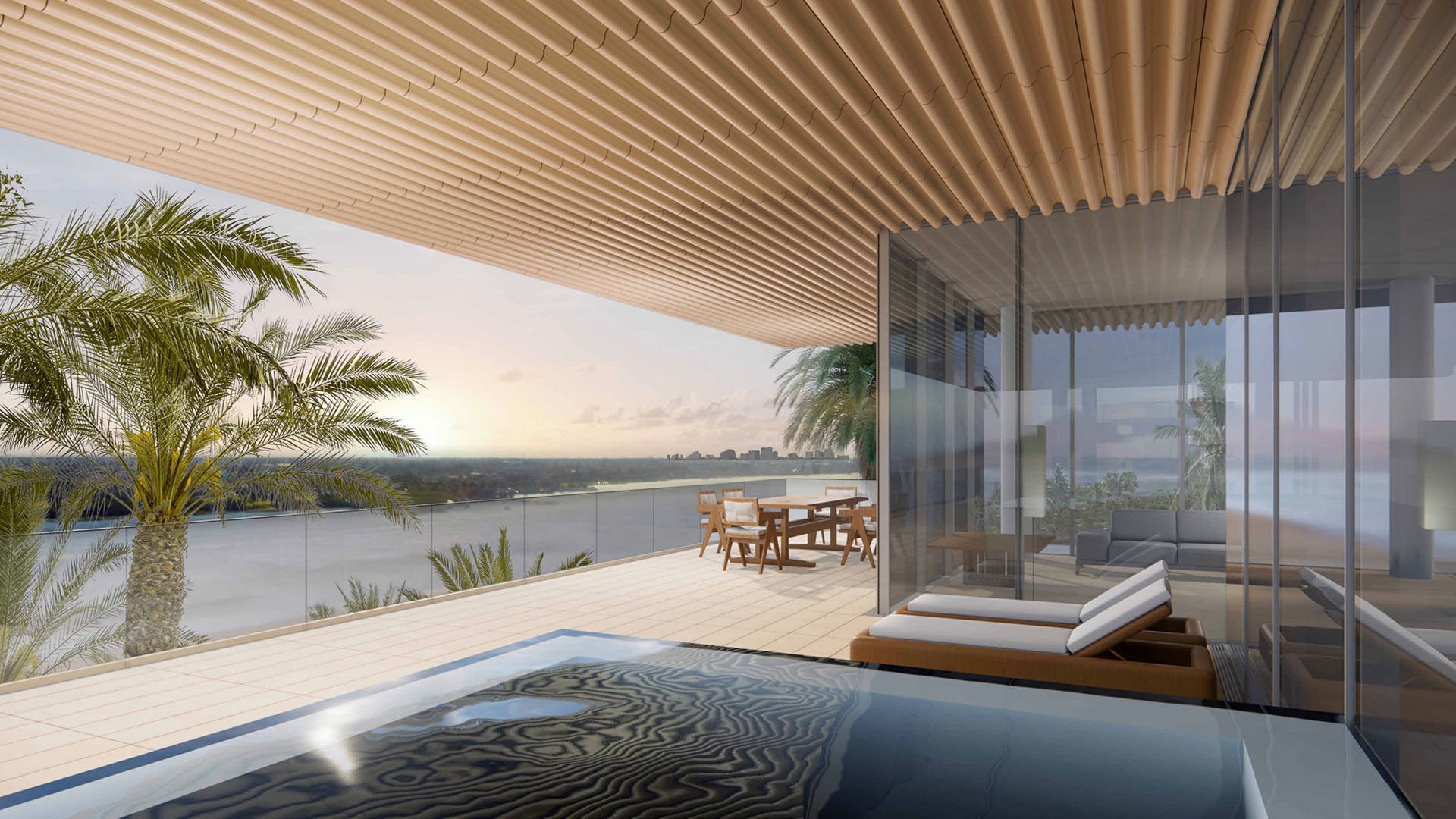
In a polished West Palm Beach residence, stone, millwork, hardware, and appliances naturally command attention. For a serious collector, however, the more consequential questions often lie beyond immediate view: where works can be stored, how precisely light can be adjusted, whether environmental conditions can be managed consistently, and how the residence supports careful movement and installation.
This is not an argument against beautiful finishes. It is a case for placing them in the proper hierarchy. Surfaces can often be replaced or refined. Reworking lighting locations, mechanical planning, service access, or secure storage after closing may prove far more disruptive. A collector-focused inspection should therefore begin with the collection, not the décor.
Before comparing floor plans, define what the home must accommodate. Consider the dimensions and media of key works, preferred display groupings, rotation frequency, storage requirements, and whether professional handlers will need regular access. Sculpture, works on paper, photography, textiles, and large canvases can each raise distinct spatial questions.
The brief should also distinguish current needs from future acquisitions. A residence that precisely fits today's collection may leave little flexibility for tomorrow. Buyers comparing Alba West Palm Beach and Forté on Flagler West Palm Beach can apply the same written brief to each review, maintaining a consistent analysis rather than reacting solely to presentation.
A spare closet does not automatically constitute an art-storage plan. Study usable dimensions, door width, shelving or rack potential, security, proximity to household activity, and the route between storage and display areas. What shares the space matters equally. Cleaning products, luggage, mechanical equipment, or frequently handled household goods may render an otherwise generous room unsuitable.
Off-site storage can remain part of a broader strategy, but in-residence capacity gives owners greater control over rotations and short-term transitions. The right amount is specific to the collection. What matters is that storage be intentional, documented, and reviewed by the relevant art professional before purchase or renovation.
Dramatic illumination can make a model residence memorable, yet a collector requires control beyond a single scene. Review fixture positions, switching logic, dimming, circuit organization, ceiling conditions, and the ability to redirect or revise light as works rotate. Consider whether decorative lighting competes with the art and how reflections shift from day to evening.
Window placement deserves equal scrutiny. A broad expanse of glass may create a compelling water view while reducing practical hanging space. Evaluate each room wall by wall, noting uninterrupted surfaces, glazing, doors, vents, switches, and sightlines. At Mr. C Residences West Palm Beach or The Ritz-Carlton Residences® West Palm Beach, buyers can bring this same room-by-room discipline to the conversation without presuming that every residence performs identically.
The relevant question is not simply whether the residence is air-conditioned. A collector should determine how conditions are monitored, how individual rooms are served, what happens during an absence, and which alerts or backup procedures are available. Any requirements associated with specific works should be reviewed with a conservator and an appropriate building-systems professional.
Responsibilities also require clarity. The building, residence owner, property manager, and outside specialists may each control different elements of the plan. Those boundaries should be understood before valuable works arrive. A sophisticated lifestyle depends less on assumptions than on a clearly assigned response process.
Map the entire delivery route, from vehicle arrival and building entry to the elevator, corridor, residence door, and final wall. Measure every tight point. Review scheduling rules, protection requirements, loading procedures, and the availability of service access. A large wall has limited value if the intended work cannot reach it safely.
Waterfront living also demands a deliberate continuity plan. Buyers should determine how the residence and collection would be managed during an extended absence or building disruption, without assuming that general property procedures account for art-specific priorities. Shorecrest Flagler Drive West Palm Beach can be considered within this broader Palm Beach comparison, with building-level questions followed by residence-specific verification.
A balcony or terrace can be central to the South Florida experience, but buyers should examine how outdoor openings affect interior circulation and available wall planes. Furniture placement, door swings, reflections, and movement between rooms can all shape where art feels composed rather than crowded.
The strongest residence is not necessarily the one with the most glass or the largest stated area. It is the one whose proportions, systems, and operating plan suit the owner's collection with the fewest compromises. At that level, design becomes stewardship.
Why can systems matter more than finishes for an art collector? Systems and infrastructure may be more disruptive to revise, while many visible finishes can be reconsidered later.
Should a buyer bring an art adviser to a residence tour? For a significant collection, an adviser can help translate curatorial priorities into practical property questions.
What should be measured before making an offer? Measure display walls, storage areas, doors, corridors, elevators, and every tight point along the delivery route.
Is a large glass wall always a benefit? It may enhance views, but buyers should also assess reflections, room planning, and the amount of usable display surface.
What makes lighting flexible for a changing collection? Look for controllable, redirectable lighting and a layout that can accommodate new groupings without major reconstruction.
Can a normal closet serve as art storage? Only after its dimensions, use, security, access, and environmental suitability have been professionally evaluated.
Who should review climate-control requirements? Consult a qualified conservator and the appropriate building-systems professional for advice tailored to specific works.
What should buyers ask about backup planning? Ask who monitors conditions, receives alerts, accesses the residence, and coordinates a response during an absence.
How should competing residences be compared? Use one collection brief and the same checklist for every property, then record answers at both the building and residence levels.
When should art planning begin? Begin before purchase whenever possible, and certainly before finalizing lighting, millwork, partitions, or storage design.
To compare the best-fit options with clarity, connect with MILLION.
If branded residences are on your mind — as a home or as an allocation — we would be glad to share what we are seeing, privately.
Begin a quiet conversation