At Alma Bay Harbor Islands, thoughtful mechanical diligence belongs alongside architecture and privacy. Buyers should establish how after-hours service, humidity monitoring, backup cooling, and repair responsibilities would work before relying on them.
The most reassuring luxury residence is not simply comfortable during a showing. It has a clear plan for what happens when that comfort is interrupted. At Alma Bay Harbor Islands, serious buyers should bring three operational questions to the conversation: who responds after hours, how elevated humidity is detected, and what cooling remains available if equipment fails.
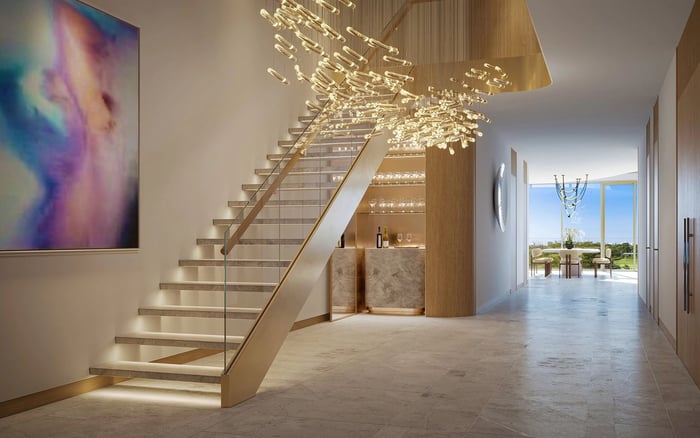
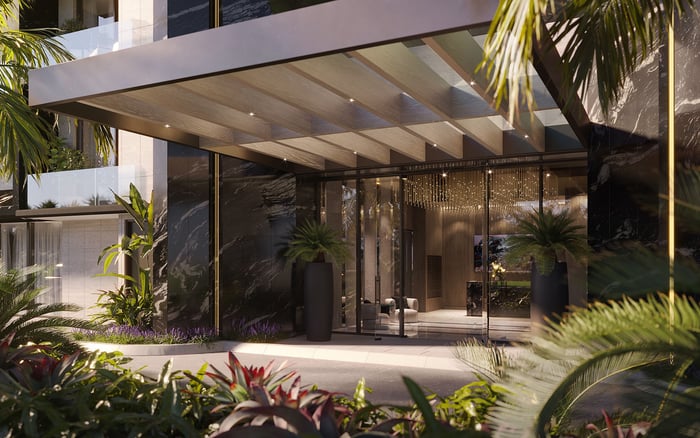
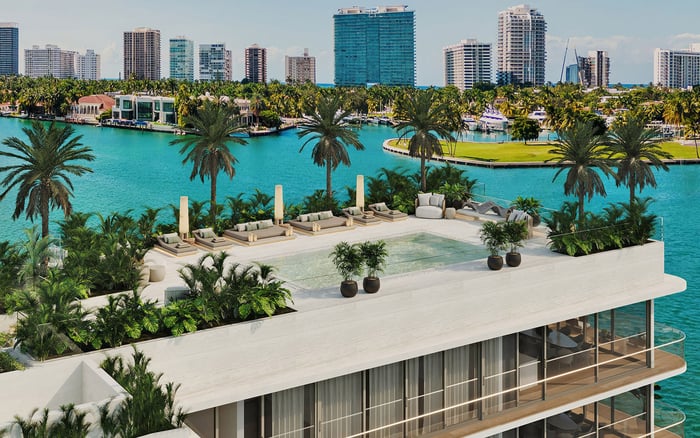
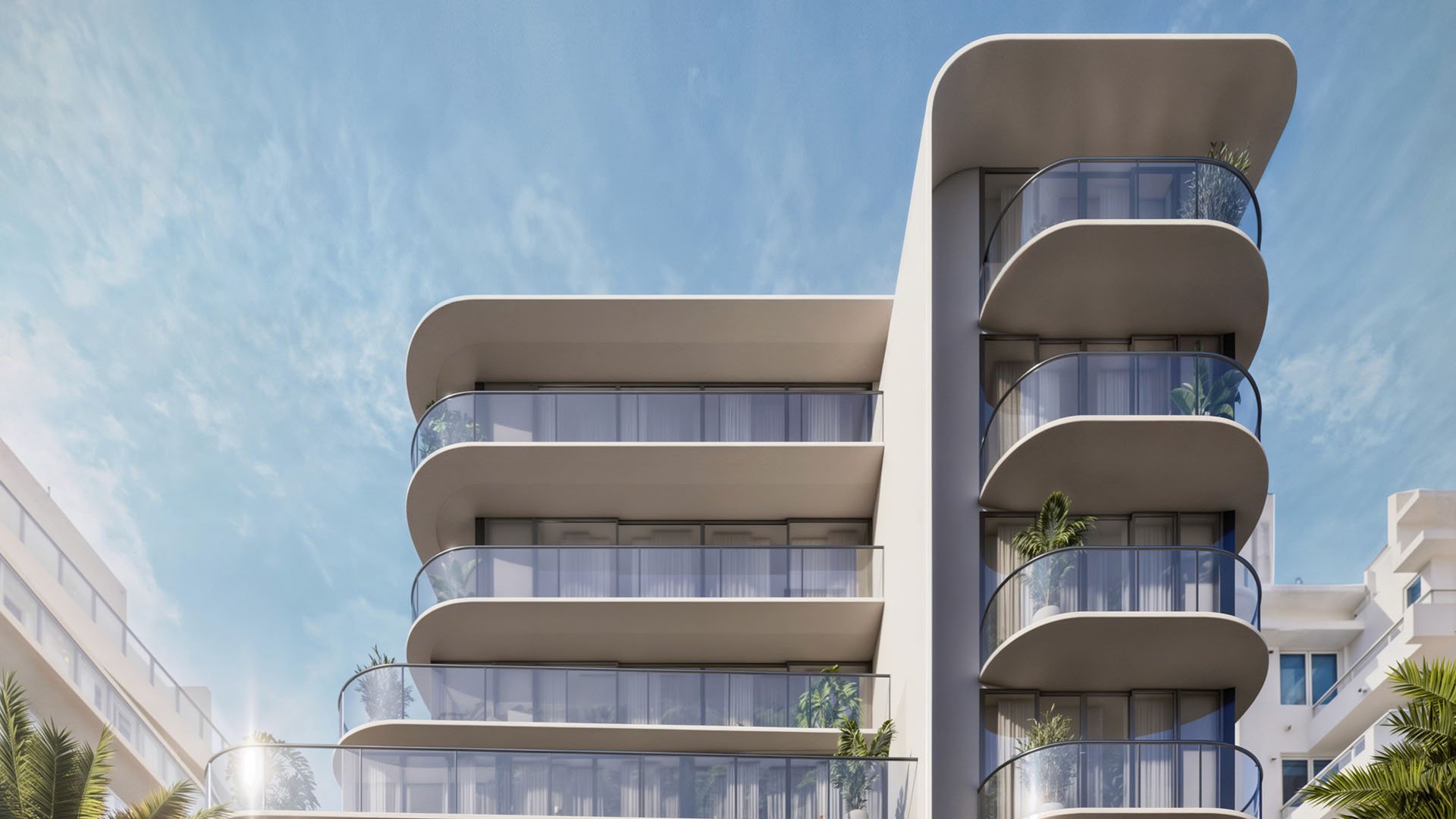
At 1160 101st Street, Bay Harbor Islands, FL 33154, Alma is planned as a seven-story condominium with nine residences. Islands Development Group is the developer, and Kobi Karp is the architect. Private elevator entry, floor-to-ceiling impact windows, and a secure lobby with smart access are among its advertised residential features.
Those features describe the arrival experience and architectural envelope. They do not establish an HVAC service commitment. Undisclosed does not mean absent, but an operational question remains unresolved until the buyer receives a specific, documented answer.
Central air and central heating are identified as features of Alma’s residences. HVAC and the thermostat are also described as energy-efficient, but equipment manufacturer, model, tonnage, and refrigerant details remain undisclosed.
That is a starting point, not a mechanical specification. The central-air designation does not establish whether a residence has a dedicated split system, variable refrigerant flow equipment, chilled-water fan coils, or another configuration. Before discussing backup capacity, ask a licensed mechanical contractor to determine what serves the particular residence and which components, if any, are shared.
Request the equipment schedule, mechanical drawings, controls description, and applicable warranties. Have the contractor identify access requirements and explain which failures could affect one residence and which could affect several.
A buyer also considering Alana Bay Harbor Islands should apply the same documentation standard there. This is a comparison framework, not an assertion that the two projects use similar systems or offer equivalent service.
An after-hours HVAC response policy, a dedicated overnight technician, and a guaranteed response time have not been publicly specified for Alma. The relevant question is not whether emergency contractors operate nearby. It is whether the residence has an actual service arrangement-and what that arrangement promises.
Ask who answers on nights, weekends, and holidays. Is the first contact management, an answering service, or the contractor? Request the contractual response time and clarify whether it means a returned call, technician arrival, or another defined milestone. Ask what happens if the first technician cannot resolve the problem.
Access deserves equal attention. Who can authorize entry into an unoccupied residence? Who opens mechanical rooms? What permissions must an owner leave on file? A service plan should address both the call and access to the equipment.
Finally, request the escalation sequence and emergency billing rules. Establish who can approve temporary protection and additional work without waiting for an unavailable owner.
In-unit humidity sensors, high-humidity alarms, dedicated dehumidification equipment, and automatic humidity alerts to management have not been publicly confirmed for Alma. Smart lobby access should not be treated as evidence that any of these functions is integrated into the residence.
If humidity monitoring is proposed or installed, request sensor locations, relative-humidity thresholds, alarm delays, and the names or roles of notification recipients. Ask how long an alert can remain unacknowledged before it escalates and whether alarm logs are available for review.
For an owner who travels, the decisive question is who acts when the phone notification arrives. Establish whether management receives the same warning, whether entry is authorized, and who can arrange a service visit.
When evaluating The Well Bay Harbor Islands alongside Alma, keep the inquiry equally specific. Request the actual monitoring and response provisions; a project’s name or positioning is no substitute for technical documentation.
Redundant cooling equipment, generator-backed residential HVAC, and automatic transfer to standby cooling capacity have not been publicly confirmed for Alma. Each requires a separate answer. A reference to a generator would not, by itself, identify which residential HVAC loads it serves.
Request mechanical schedules, equipment lists, commissioning records, and any generator load schedule. Ask the reviewing contractor to explain what remains operational after a single equipment failure and whether a failed component can be isolated. If standby capacity exists, establish how it is activated and what portion of the residence it can serve.
Controls and communications warrant a separate outage discussion. Do HVAC controls continue functioning without internet access? Are notifications local, cloud-based, or building-managed? What happens to sensors and alerts during a power interruption?
For a parallel review at Bay Harbor Towers, use the same failure scenarios. Useful comparisons address equivalent questions without assuming equivalent equipment or protection.
With nine planned residences, Alma’s shared infrastructure warrants careful review of ownership obligations. That number alone does not establish equal cost sharing, staffing levels, or reserve adequacy.
Obtain the declaration, current budget, reserve schedule, maintenance contracts, warranties, and any available repair history. Ask counsel and the mechanical reviewer to reconcile where owner responsibility ends and association responsibility begins. Identify who maintains each component, who authorizes repairs, and how emergency expenses are allocated.
The physical inspection should be equally practical. Have a licensed mechanical contractor check condensate drains, pans, overflow switches, sensors, and shutoffs. Ask which critical spare parts are available and what the plan is for temporary cooling or dehumidifiers if a repair cannot be completed promptly.
These requests turn a general assurance of service into a practical understanding of the residence. They also help distinguish a warranty obligation from routine maintenance and emergency response.
Before committing, organize the answers into three categories: confirmed equipment, documented service obligations, and unresolved questions. Ask the appropriate professional to explain any remaining uncertainty rather than treating verbal reassurance as a completed review.
Whether the broader search includes Bay Harbor Islands or Bal Harbour, the standard should remain consistent. Architecture and privacy deserve attention, but so do the people, permissions, equipment, and funds that support uninterrupted ownership. At Alma, the goal is not to presume a deficiency. It is to understand precisely what the residence provides and what the owner must arrange.
For a considered approach to South Florida luxury ownership, explore MILLION.
If branded residences are on your mind — as a home or as an allocation — we would be glad to share what we are seeing, privately.
Begin a quiet conversationAlma is at 1160 101st Street, Bay Harbor Islands, FL 33154. It is planned as a seven-story condominium with nine residences.
The developer is Islands Development Group, and the architect is Kobi Karp.
Central air is identified for Alma’s residences. That designation does not establish the equipment configuration, manufacturer, model, or capacity.
A guaranteed response time, after-hours policy, and dedicated overnight technician remain unconfirmed here. Buyers should request the applicable service agreement before relying on a commitment.
Ask who authorizes entry into an unoccupied residence, who opens mechanical rooms, and what permissions must be on file. Clarify who can approve emergency work when the owner is unavailable.
In-unit humidity sensors, high-humidity alarms, and automatic alerts to management remain unconfirmed here. This remains a diligence question, not evidence that those features are absent.
Request sensor locations, humidity thresholds, alarm delays, notification recipients, escalation times, and available logs. Establish who is responsible for acting on an alert.
Generator-backed residential HVAC, redundant cooling equipment, and automatic transfer to standby capacity remain unconfirmed here. Request mechanical and electrical documentation addressing each separately.
Have a licensed mechanical contractor review the equipment configuration and check condensate drains, pans, overflow switches, sensors, and shutoffs. Also request an explanation of failure isolation and temporary protection options.
Review the declaration, budget, reserve schedule, maintenance contracts, warranties, and available repair history with appropriate professionals. Nine planned residences alone does not establish equal cost sharing or reserve adequacy.