A primary-residence move to Bay Harbor Islands calls for more than a closing date. Coordinate January 1 homestead eligibility, March 1 filing, insurer-confirmed occupancy arrangements, and a separately verified school transition.
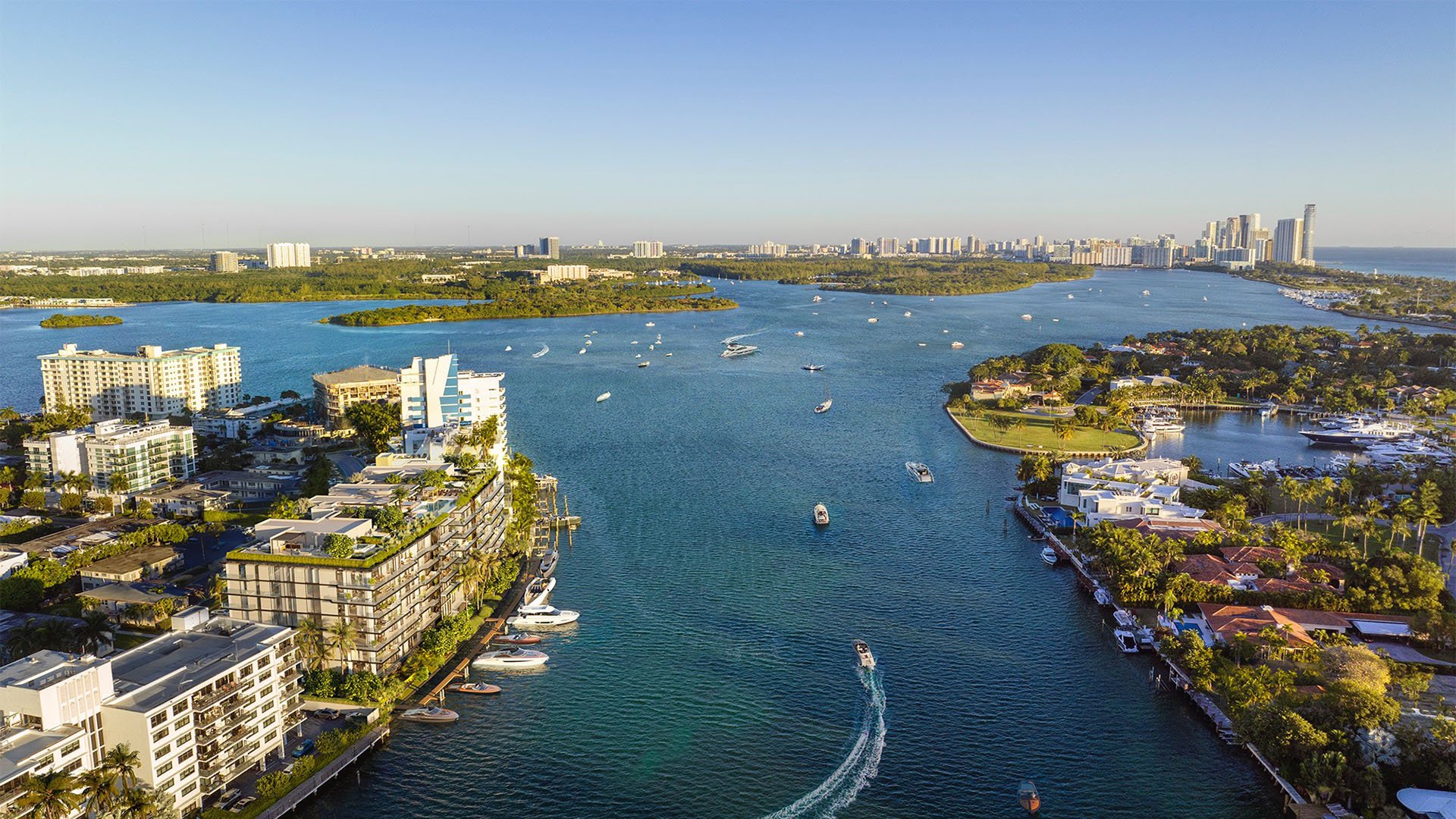
A primary residence in Bay Harbor Islands should support how a household intends to live, not merely when it can close. For buyers establishing Florida domicile, the essential planning task is to separate five milestones: closing, actual occupancy, January 1 homestead eligibility, March 1 filing, and the school transition. Each requires its own verification.
A household may be financially ready to acquire a residence before it is ready to occupy it. Furnishing, renovations, travel, and an existing school commitment can complicate the sequence. The objective is not to compress everything into December, but to create a schedule in which the purchase, residency evidence, insurance arrangements, and family move accurately reflect one another.
For a household considering Alana Bay Harbor Islands, that means evaluating the intended occupancy date alongside the acquisition, rather than treating closing as the completion of the relocation.
Florida homestead eligibility generally requires both ownership and permanent residence on January 1 of the tax year. Closing by December 31 is not sufficient by itself. The property must also satisfy the permanent-residence requirement on January 1.
This distinction matters when a buyer plans to close before year-end but occupy the home later. An intention to make the residence permanent in the future does not confirm that the relevant January 1 requirement has been met. Review the actual circumstances with the Miami-Dade County Property Appraiser and your advisers before incorporating an exemption into the budget.
A buyer acquiring a Bay Harbor Islands property after January 1 should generally plan for homestead eligibility in the following tax year. That is a planning baseline, not a reason to rush an otherwise unsuitable transaction.
When evaluating Bay Harbor Towers, apply the same discipline: distinguish the contractual closing target from the date the specific residence can genuinely become your permanent home. Verify both rather than assuming they coincide.
The homestead application is generally due to the county property appraiser by March 1. Eligibility and filing are separate questions: meeting the January 1 conditions does not eliminate the application requirement, and submitting paperwork does not by itself establish eligibility.
Residency evidence can include Florida identification, voter registration, vehicle registration, and a declaration of domicile. Confirm which documents your circumstances require rather than assuming every item is mandatory or that one document settles the entire question.
For Bay Harbor Islands buyers, verify filing procedures and evidence requirements directly with the Miami-Dade County Property Appraiser. Ask about the appropriate filing channel, the applicable tax year, and how to address documentation still being completed. If a deadline has passed, seek local guidance rather than assuming a late-filing remedy is available.
Keep a coherent record of ownership, occupancy, and the evidence supporting permanent residence. Homestead planning should remain distinct from broader domicile advice: do not assume a property-tax application resolves every question associated with leaving another state.
Homestead reduces taxable assessed value, not the purchase price. Save Our Homes separately limits assessment growth after qualification. These benefits are related, but they are neither interchangeable nor an immediate discount on the acquisition.
The seller’s tax bill is not a reliable forecast of your own. Existing exemptions and a capped assessment may not carry over after a sale. Before committing to an ownership budget, request a buyer-specific tax analysis rather than carrying the seller’s annual figure into your projections.
Buyers moving from another Florida homestead should also investigate portability of their Save Our Homes assessment difference. Portability requires an application and eligibility review; selling the prior residence does not automatically transfer the benefit. March 1 is generally the application deadline for that transfer. Coordinate the portability review with the homestead filing, while confirming each separately.
Discuss insurance using the household’s actual schedule, not simply its intended designation of the home as a primary residence. Give the selected carrier or broker the anticipated closing date, first occupancy date, planned absences, and any proposed renovation period. Ask how those circumstances affect the coverage offered.
For a purchase at Onda Bay Harbor, for example, the practical question is whether the proposed policy matches the intended use of the specific residence. A project name cannot answer a policy-specific question.
Request written clarification of the occupancy classification, any permitted delay before moving in, coverage effective dates, and any conditions associated with vacancy or renovation. Ask separately what flood coverage and condominium-related protection are included, excluded, or require further consideration.
These are verification questions, not assumptions about standard policy terms. If the move changes after closing, return to the carrier or broker with the revised facts. Do not assume the original arrangement accommodates a longer absence or a different renovation schedule.
For households comparing Bay Harbor Islands with Bal Harbour, evaluate the family calendar independently of the property shortlist. A preferred school transition may explain when everyone moves, but it does not change the January 1 homestead test or establish insurance terms.
The 2026-2027 elementary and secondary school calendar is available for planning a Miami-Dade public-school move. Use it to identify a workable transition window, then verify relevant dates with the district and intended school. Calendar dates may not apply to every school.
The calendar does not establish attendance boundaries, enrollment requirements, or a school assignment for a particular address. Confirm each separately before allowing a presumed placement to drive the purchase. Apply the same discipline when assessing The Well Bay Harbor Islands: verify the residence-specific school questions rather than relying on the project’s location alone.
Before closing, assemble a single schedule showing ownership, intended occupancy, residency documentation, insurance confirmation, homestead filing, any portability application, and the school transition. Assign each unresolved question to the appropriate adviser or office and record the answer.
The strongest plan is not necessarily the fastest. It is the one that remains accurate if furnishing takes longer, the family arrives later, or the school transition changes. Preserve flexibility without confusing a planned primary residence with verified eligibility or confirmed coverage.
For a discreet conversation about aligning your Bay Harbor Islands residence search with your relocation priorities, connect with MILLION.
If branded residences are on your mind — as a home or as an allocation — we would be glad to share what we are seeing, privately.
Begin a quiet conversationEligibility generally requires ownership and permanent residence on January 1 of the tax year. Both conditions matter.
No. The property must also meet the permanent-residence requirement on January 1.
You should generally plan for homestead eligibility in the following tax year. Confirm your circumstances with the county property appraiser.
The application is generally due by March 1. Bay Harbor Islands buyers should confirm filing procedures with the Miami-Dade County Property Appraiser.
Evidence can include Florida identification, voter registration, vehicle registration, and a declaration of domicile. Confirm the documentation required for your application.
Do not assume it predicts your bill. The seller’s exemptions and capped assessment may not carry over after the sale.
No. Portability of a Save Our Homes assessment difference requires an application and eligibility review, with a generally applicable March 1 application deadline.
Ask the selected carrier or broker to confirm occupancy classification, permitted delays, coverage effective dates, and any relevant vacancy or renovation conditions.
No. Attendance boundaries, enrollment requirements, and address-specific school assignment must be verified separately.
No. Keep the school transition, actual occupancy, January 1 eligibility, and March 1 filing as separate planning milestones.