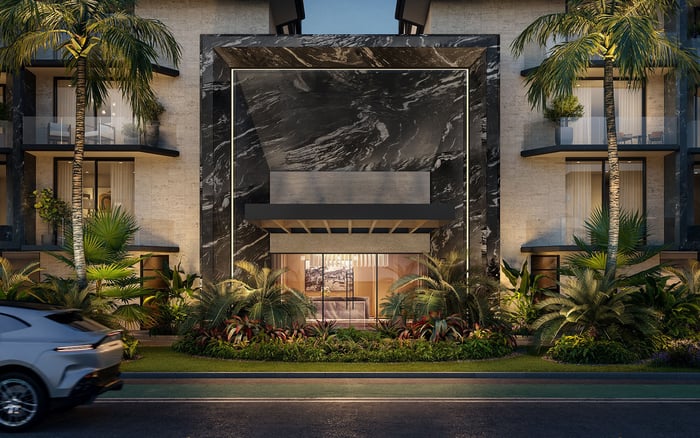
For buyers relocating from Hong Kong, a Bay Harbor Islands primary residence deserves scrutiny beyond its finishes. Written hurricane procedures, verified emergency access, clearly defined backup power, insurance exposure, and disciplined post-storm inspections belong at the center of purchase due diligence.

Making Bay Harbor Islands home after Hong Kong calls for more than choosing an elegant interior. A primary residence must support daily life-and its purchase should account for periods when daily routines are interrupted. Hurricane readiness belongs alongside layout, privacy, and finishes in the acquisition brief.
The useful comparison is not between cities' reputations or assumed service standards. It is between the household's needs and a particular property's documented procedures. A polished presentation does not establish who makes emergency decisions, when residents can return, or which services will be available after a storm.
For buyers considering Alana Bay Harbor Islands, as with any condominium under review, those questions belong with the appropriate property representatives. Treat the answers as building-specific due diligence, not promises implied by an address or project name.
Before purchase, check the property's hurricane evacuation zone. Keep that inquiry distinct from the assessment of flood risk. They serve different purposes; an answer to one cannot substitute for an answer to the other.
For a relocating household, this distinction calls for two separate conversations. The first concerns when and where to leave if evacuation is directed. The second concerns the property's potential exposure to flooding and the implications for insurance and recovery. Neither should be reduced to a reassuring general statement about the neighborhood.
Ask how residents receive evacuation instructions and subsequent access updates. A building's continued physical presence does not mean it remains accessible or suitable for occupancy, and a projected return date is not a guarantee. Flooding, debris, downed power lines, and emergency restrictions can remain concerns after the storm has passed.
Request the association's written hurricane plan and identify who can authorize emergency action and building reopening. These are due-diligence requests, not a declaration that every association faces identical statutory obligations. The objective is to understand the property's decision-making structure before it matters.
A useful review traces responsibility from preparation through recovery. Who communicates with residents? Who receives damage notifications? Who coordinates emergency vendors? Who tells owners that access is restricted, and who communicates that reopening has been authorized? Seek defined roles, not a collection of informal assurances.
When evaluating Bay Harbor Towers, apply the same discipline: request the relevant written procedures rather than infer operational readiness from the residential presentation. The point is not to presume a deficiency, but to distinguish a documented process from an expectation.
Ask for a tested resident-communication plan covering access, utilities, damage reporting, and recovery updates. For someone moving internationally, clarity is particularly important when the household is away during a weather event. Establish where updates arrive and how questions reach the person responsible for responding.
A generator's presence does not, by itself, explain how a residence functions during an outage. Request a written explanation of the building's backup-power scope and limitations. A general reference to emergency power does not establish uninterrupted service throughout the home.
Keep the inquiry precise: what does the documentation promise, what remains uncertain, and who can explain the system's intended operation? Any claim about a particular property's coverage requires confirmation in that property's documentation-especially when backup power influences the purchase decision.
For a buyer reviewing Onda Bay Harbor, the same distinction applies. Establish generator scope directly rather than borrowing assumptions from another building's arrangements or a marketing phrase.
Portable generators are a separate safety matter, not an automatic substitute for building systems. They must operate outdoors, far from windows, doors, and vents-never in a garage, basement, or other enclosed space. Do not improvise a condominium setup; clarify applicable property restrictions and obtain qualified guidance.
Consult a qualified electrician before considering any generator connection to home electrical circuits, and confirm applicable electrical-code requirements. Where portable operation is permitted and appropriate, maintain ventilation while keeping the equipment dry with a suitable canopy or cover. Use outdoor-rated heavy-duty extension cords. Switch the generator off and let it cool before refueling. Confirm fuel-storage requirements and property restrictions rather than assuming storage is permitted.
Returning to the neighborhood, entering the building, and reaching the residence are distinct stages of recovery. Do not collapse them into a single question about when the property will reopen.
Ask how management communicates access restrictions and what residents should verify before attempting to return. Specific bridge re-entry arrangements and building reopening timetables require direct confirmation; neither should be presumed for Bay Harbor Islands generally.
Request emergency vendor contracts, including elevator service, and ask how post-storm calls are prioritized. Elevator availability deserves a separate discussion: water intrusion or power disruption may require inspection and reset. Establish who performs those steps rather than assuming restored electricity means an elevator is ready for use.
For a primary residence, these answers should inform the household's contingency plan. Consider what a delayed return or unavailable elevator would mean for daily needs, then discuss those needs with management before closing.
Request a post-storm inspection and reopening sequence that addresses safety, electrical hazards, water intrusion, and essential building services before amenities. The question is not simply whether the lobby looks orderly. It is whether the necessary safety checks and service assessments have been completed.
Buyers considering The Well Bay Harbor Islands should seek that sequence just as they would for any other candidate residence. No project's name establishes its inspection protocol or recovery timetable.
Wet electrical equipment must not be energized, and flooded electrical areas must not be entered. Obtain qualified assistance before restoring affected systems. The desire to resume occupancy must never override those precautions.
Review association insurance documentation and named-storm deductible exposure before purchase. Do not assume the building's policy covers every owner loss. After damage, photograph conditions before disposal or repairs where safe, retain mitigation receipts, and report losses promptly. Safety remains the first priority; documenting a claim is not a reason to enter a hazardous area.
For a household establishing its main home after Hong Kong, the closing file should include more than contracts and finish selections. Keep the hurricane plan, communication instructions, insurance information, emergency contacts, and confirmed reopening procedures readily accessible.
The standard is not a promise that disruption will never occur. It is a clear understanding of who acts, what remains available, and what must happen before returning home safely.
Explore your Bay Harbor Islands residence options with MILLION.
If branded residences are on your mind — as a home or as an allocation — we would be glad to share what we are seeing, privately.
Begin a quiet conversationYes. Verify the property's hurricane evacuation zone before purchase and assess flood risk separately, because the two inquiries serve different purposes.
Request its written hurricane plan, emergency decision-making roles, resident-communication procedures, and post-storm inspection and reopening sequence.
Ask the association to identify who has that authority within its emergency procedures. Do not assume that any staff member's reassurance constitutes reopening authorization.
Do not assume it does. Request written confirmation of the particular building's backup-power scope and limitations.
No. Portable generators must operate outdoors, far from windows, doors, and vents, never in a garage, basement, or other enclosed space.
Turn the generator off and let it cool before refueling. Confirm fuel-storage requirements and property restrictions rather than assuming storage is permitted.
Not necessarily. Flooding, debris, downed power lines, and emergency restrictions can still make access unsafe, so verify current access conditions and building reopening status.
Water intrusion or power disruption may require elevator inspection and reset. Ask who performs that work and how emergency service calls are prioritized.
Do not assume that it does. Review the association's insurance documentation and named-storm deductible exposure before purchase.
Where safe, photograph damage before disposal or repairs, retain mitigation receipts, and report losses promptly. Do not energize wet electrical equipment or enter flooded electrical areas; obtain qualified assistance.