A buyer-focused look at how full-time owners should evaluate car-collection storage considerations at Alba West Palm Beach, from daily access and privacy to climate, insurance, detailing, and long-term usability.
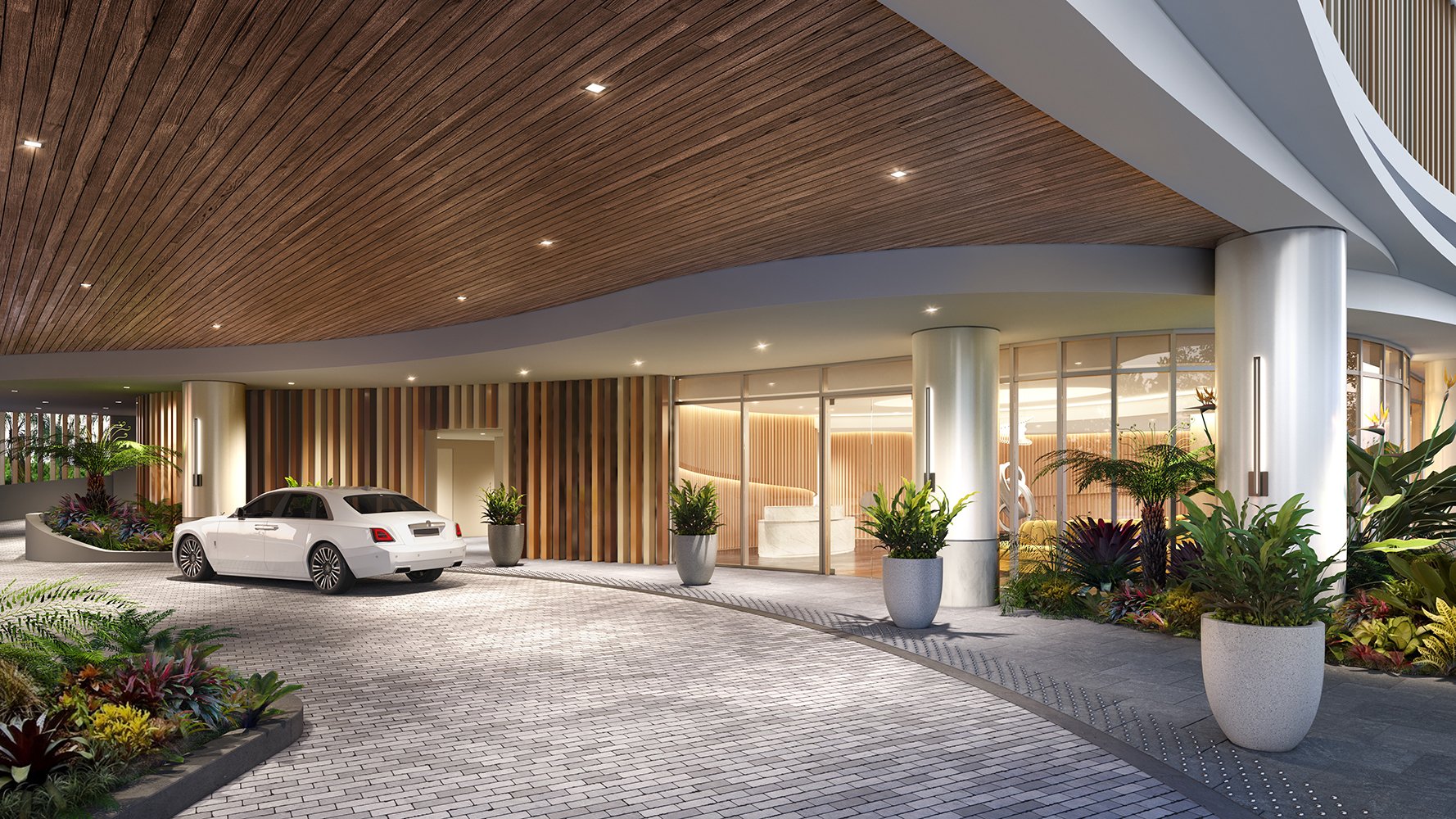
For many full-time owners considering Alba West Palm Beach, the garage is not a background convenience. It is part of the residence’s operating system. A car collection, whether composed of weekend grand tourers, electric daily drivers, vintage convertibles, or a single prized performance car, asks more from a building than a standard parking assignment can provide.
That distinction matters. A seasonal buyer may think first about arrival and departure. A full-time owner thinks in repetition: the morning exit, the evening return, the guest vehicle, the detailing schedule, the battery tender, the insurance file, and the question of whether the car feels protected when the owner is away for a week. In that sense, car-collection storage is not simply about square footage. It is about predictability, discretion, and the absence of friction.
Alba West Palm Beach is the specific project at the center of this discussion. The most intelligent approach is to treat project interest as the beginning of due diligence, then evaluate how the parking environment supports the way an owner actually lives.
Full-time ownership changes the standard of review. A second residence can sometimes tolerate a minor inconvenience because the property is used intermittently. A primary residence cannot. The daily experience will quickly reveal whether vehicle access feels effortless or compromised.
The first question is circulation. Owners should understand how cars move from street to storage, how residents enter and exit during peak periods, and whether the path feels intuitive. A prized vehicle should not require complicated maneuvering every time it leaves the building. Nor should an owner feel that each departure is a small logistical event.
The second question is privacy. In a luxury residence, car storage should feel discreet. Collectors often prefer not to make every acquisition visible, and full-time owners may value a more controlled arrival sequence. The practical point is not theatrical exclusivity. It is the ability to come and go without unnecessary exposure.
The third question is consistency. If a household includes multiple vehicles, drivers, staff, or frequent guests, the system should be reviewed as a pattern rather than a single parking moment. Where do visiting vehicles go? How are deliveries separated from resident movement? What happens when two household cars are needed at similar times? These are modest questions, but they reveal a great deal.
South Florida car ownership is shaped by heat, humidity, salt air, rain, and intense sun. Even without making assumptions about any specific storage configuration, buyers should treat environmental conditions as a serious part of the conversation.
For valuable vehicles, exposure is cumulative. Paint, leather, rubber, electronics, batteries, and trim all respond to their surroundings. Owners should ask how the parking environment is ventilated, how protected vehicles are from weather intrusion, and whether the building’s procedures support the care of cars that may sit unused for stretches of time.
The practical lens is simple: a collection needs stability. If a car will be driven only on certain weekends, it should be easy to keep it charged, clean, and ready. If a car is used daily, it should be easy to enter, load, and leave without passing through an awkward route. If a vehicle is irreplaceable to its owner, the building should make preservation feel normal rather than exceptional.
In the language of South Florida buying, Alba West Palm Beach sits inside the West Palm Beach conversation, adjacent to the broader Palm Beach lifestyle, where new-construction, investment, and second-home decisions often overlap. That overlap is exactly why practical storage questions should be asked early rather than treated as a closing detail.
The most polished residence can still create challenges if documentation is unclear. Full-time owners with valuable cars should review what the building requires, what the insurer requires, and what the owner’s own habits require.
Insurance may raise questions about storage conditions, access control, driver permissions, and vehicle location. Owners should maintain organized records, including photographs, vehicle identification details, service documentation, appraisals when relevant, and proof of any specialty equipment used to maintain the car. The residence does not replace that discipline. It should support it.
Building rules deserve careful reading. The buyer should understand policies around washing, detailing, charging, storage of accessories, vehicle covers, tire deliveries, transporter access, and extended parking. None of these questions is inherently difficult, but each can become frustrating if discovered after move-in.
The more specialized the car, the more important the details become. Low ground clearance, wide doors, delicate paint, charging needs, and transport logistics should all be discussed before a purchase decision feels final. Luxury is often described in sensory terms, but for a collector, luxury is also knowing the car can be handled without improvisation.
Car storage should be evaluated through a normal week, not a perfect arrival. A buyer should imagine returning from dinner in the rain, leaving early for a meeting, receiving a guest during a busy evening, and coordinating service without disrupting the household.
A strong parking experience is quiet in the best way. It does not require repeated explanations. It does not turn an errand into a production. It allows owners to enjoy their vehicles without constantly managing the building around them.
This is particularly important for full-time residents because the garage becomes part of the home’s rhythm. The front door may define the arrival for guests, but the garage often defines the arrival for the owner. If that experience feels compressed, exposed, or inefficient, it can change the way a residence lives.
Buyers should also think about future flexibility. A one-car lifestyle may become two. A daily driver may be replaced by an electric vehicle. A weekend car may become a small collection. The ideal storage arrangement should not only solve today’s need. It should allow the household to evolve.
The most useful questions are direct. How many vehicles can the residence practically support? Where are assigned spaces located? Is there an option or process for additional parking? How does the building handle valet or self-parking, if applicable? What is the clearance along the route from entry to storage? How are charging needs addressed? What rules apply to detailing or vehicle maintenance?
A buyer should also ask about human procedures. Who has access to the parking area? How are keys handled if any third party is involved? How is guest parking managed? How would a transporter load or unload a vehicle? How is an owner notified if there is an issue involving a parked car?
These questions are not meant to make the purchase feel technical. They are meant to preserve the elegance of ownership. When practical matters are clarified early, the residence can be enjoyed with confidence.
For Alba West Palm Beach, the best perspective is neither assumption nor anxiety. It is disciplined curiosity. The car collection may be a passion, an asset, or a private pleasure. In each case, the storage environment should be reviewed with the same care as the view, the floor plan, the finishes, and the building’s service culture.
Is car-collection storage only relevant for large collections? No. Even a single valuable vehicle can require careful attention to access, climate, charging, and insurance requirements.
Should full-time owners evaluate parking differently from seasonal owners? Yes. Full-time owners rely on the parking environment every day, so small inefficiencies become more noticeable over time.
What is the first question to ask about car storage at Alba West Palm Beach? Start with practical access: how the vehicle enters, exits, and is stored during normal daily use.
Why does privacy matter for car collectors? Privacy helps limit unnecessary visibility around vehicle ownership, movements, and storage habits.
Should electric-vehicle charging be reviewed before purchase? Yes. Buyers should understand the building’s approach to charging before assuming a future vehicle will be easy to support.
Can building rules affect detailing or maintenance? Yes. Rules may influence washing, detailing, deliveries, covers, and other vehicle-care routines.
How should buyers think about insurance? Buyers should align building conditions, access procedures, and documentation with their insurer’s expectations.
Does garage convenience affect resale appeal? It can. For buyers who value cars, practical storage and easy access may strengthen the residence’s everyday appeal.
What if a buyer plans to expand a collection later? Future flexibility should be discussed early, including additional parking options and policies.
Is car storage part of the luxury experience? For many full-time owners, yes. A seamless garage experience supports privacy, convenience, and confidence.
When you're ready to tour or underwrite the options, connect with MILLION.
If branded residences are on your mind — as a home or as an allocation — we would be glad to share what we are seeing, privately.
Begin a quiet conversation