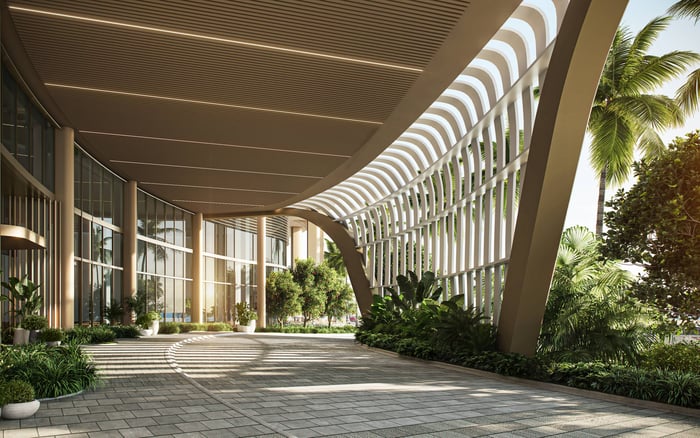
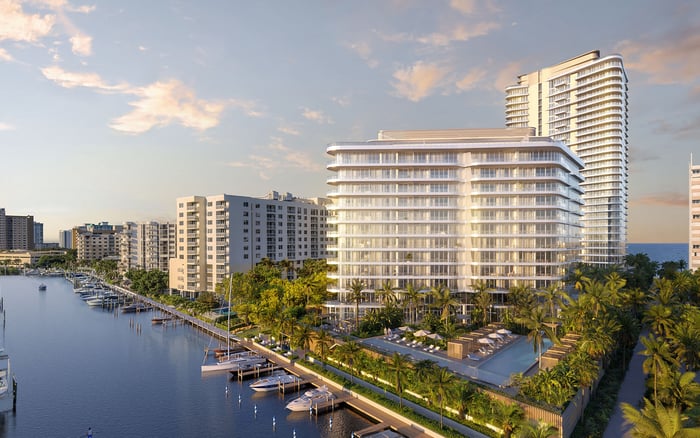
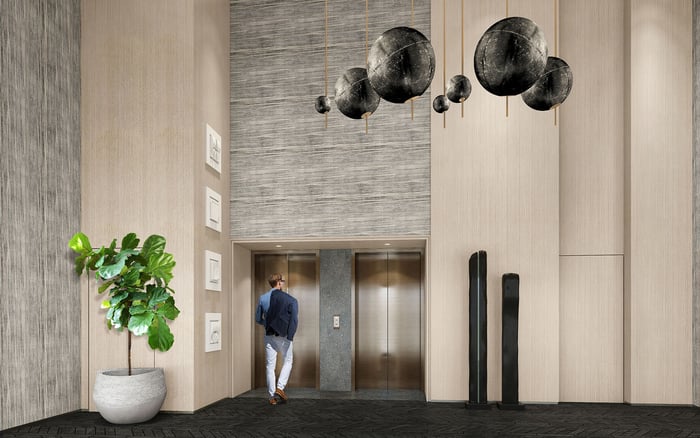
Pompano Beach is increasingly discussed as a refined alternative to Fort Lauderdale, where oceanfront living, a growing roster of branded residences, and a more relaxed cadence appeal to second-home and primary buyers alike. This MILLION Luxury editorial frames what buyers should look for: the micro-locations that actually feel resort-grade, the building attributes that hold value, and the lifestyle tradeoffs versus neighboring coastal markets.
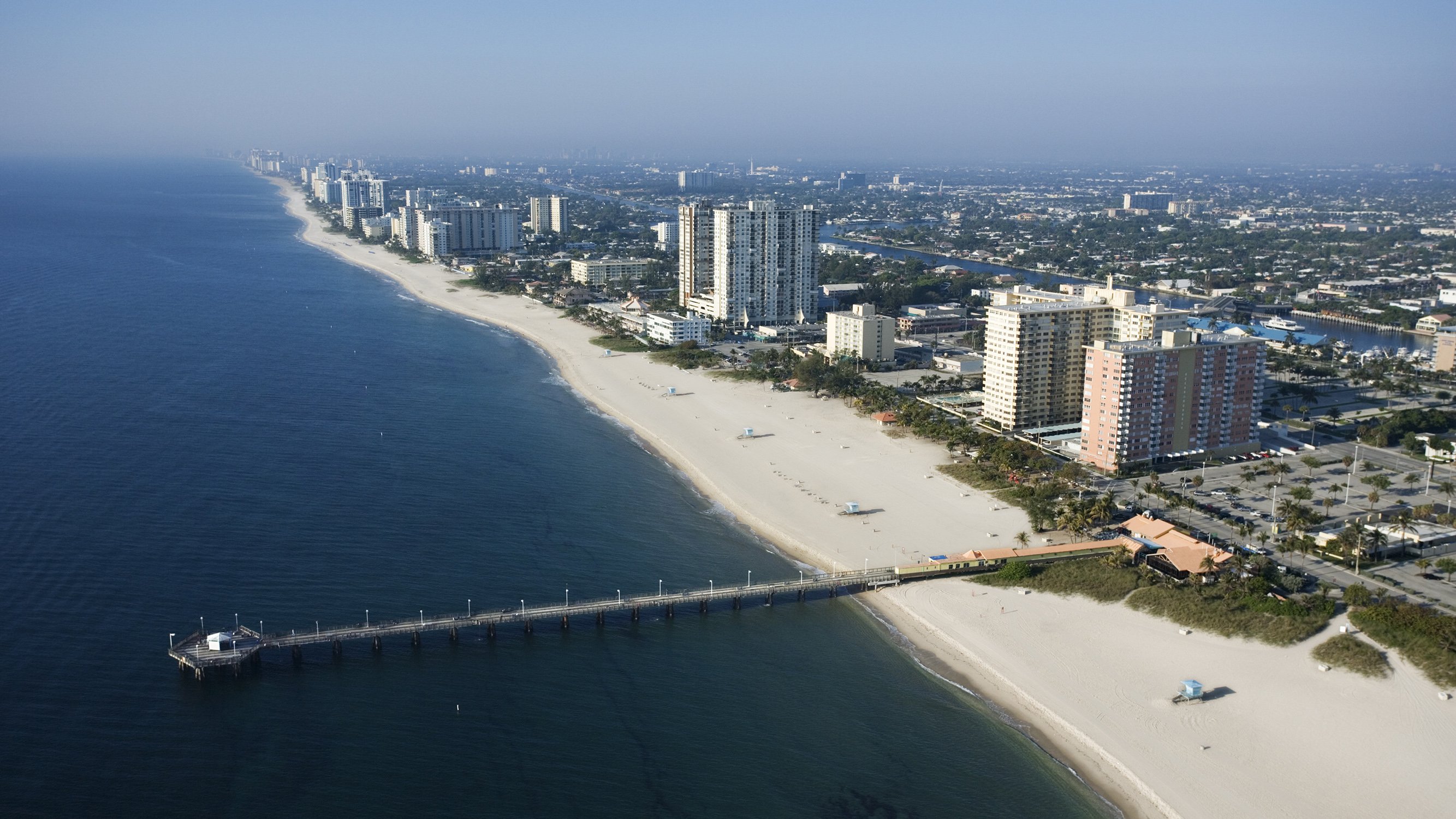
Pompano Beach is no longer viewed as a pass-through between Fort Lauderdale and Boca Raton. For a certain buyer, it has become the destination: ocean air without the constant scene, a coastline that still reads residential, and a lifestyle where the best moments happen outdoors. The shift is less about one headline project and more about a pattern seasoned South Florida buyers recognize quickly-better-designed new construction, higher expectations for amenity programs, and a growing preference for turnkey living.
The buyer mix moving north is evolving as well. Primary residents want daily ease and predictable building operations. Second-home owners want lock-and-leave convenience with the service layer they value in Miami Beach or Bal Harbour, but with a calmer rhythm. In that context, Pompano’s positioning is clear: it delivers a “resort” lifestyle without needing to be performative.
In Pompano, “resort living” isn’t a marketing phrase. It’s a buyer’s checklist-and the best properties meet it in specific, repeatable ways.
First, the beach experience. The difference between “near the ocean” and “oceanfront” isn’t subtle once you live it. Prioritize direct sand adjacency, thoughtful beach service, and a true arrival sequence that separates residents from the public realm. On high-wind days, the value of a well-managed beachfront operation becomes obvious.
Second, views and light. This coastline rewards clean, unobstructed sightlines. Favor buildings that protect corridors to the water and are designed to maximize natural light. Flow-through layouts, generous terraces, and glazing that frames the horizon aren’t indulgences here-they’re daily quality-of-life multipliers.
Third, the amenity program. The “new luxury” is less about decorative common areas and more about amenities you actually use: a serious fitness experience, wellness-forward spaces, resort-caliber pools, and private lounges that feel right for a quiet morning-not only a catered event. For many buyers, the building becomes the club.
Finally, operational maturity. In coastal South Florida, the best-run buildings tend to outperform quietly-both in resale dynamics and in long-term satisfaction. Scrutinize HOA culture, staffing, reserve posture, and the practical realities of wind exposure and salt air. These topics aren’t glamorous, but they often determine whether ownership feels effortless or stressful.
Even within a single coastal city, the experience can change block by block. The strongest “resort” feeling typically comes from a clean alignment of three elements: beach proximity, straightforward access, and a sense of privacy that doesn’t require isolation.
Oceanfront addresses naturally lead, but buyers should still triangulate. How do you arrive? Is the lobby experience discreet? Does the walk to the beach feel seamless and safe? Are the sightlines likely to remain protected? Those answers define the day-to-day.
For buyers seeking a new-construction horizon line, Ocean 580 Pompano Beach reflects the modern coastal living many clients are prioritizing: design-led residences where the building itself is part of the lifestyle plan.
For those drawn to branded aesthetics and a more couture approach to interiors, Armani Casa Residences Pompano Beach signals where the market is headed: Pompano is not only building new-it’s building with an eye toward a global design language.
Pompano’s buyer profile often lives at the intersection of value discipline and lifestyle ambition. The market attracts people who understand that “better” is personal-and that, sometimes, quieter is the upgrade.
Primary residents tend to optimize for mornings that work. They want intuitive parking, elevator counts that feel appropriate, and a building that supports an actual routine: training, remote work, an afternoon swim, then dinner without a long drive. Here, amenity depth and management competence can matter as much as finishes.
Second-home owners underwrite simplicity. They want strong security, predictable service, and a residence that can be closed up without drama. The “resort” feeling is as much about returning to a pristine home as it is about lounging poolside.
Long-term holders are watching a different signal: whether Pompano can sustain a luxury narrative that is distinct from Fort Lauderdale rather than derivative of it. Projects that deliver architectural identity, elevated staffing, and durable materials do the most to support that narrative.
Fort Lauderdale remains a regional anchor for many-particularly for yachting culture, dining variety, and a broader inventory of luxury product. Pompano’s advantage is its ability to feel more residential while staying within easy reach of the region’s energy.
What you gain in Pompano is often space, calm, and a cleaner separation between daily life and nightlife. What you may trade is immediate access to a dense urban core. For some buyers, that trade is precisely the point.
If your lifestyle leans more “hotel-forward,” it’s worth studying how branded, service-driven product is executed in adjacent coastal markets. For example, The Ritz-Carlton Residences® Pompano Beach helps set the expectations upscale buyers bring to this coastline-particularly around hospitality-level touchpoints.
And if you want to compare Pompano’s calmer cadence with a more established resort profile just to the south, Four Seasons Hotel & Private Residences Fort Lauderdale offers a useful reference point for how service, amenities, and brand standards can shape buyer perception.
Luxury in a coastal environment has two layers: the aesthetic and the engineered. Sophisticated buyers pay for both.
On the aesthetic side, look for a lobby that feels like a private residence rather than a public venue, floor plans that privilege livability, and terraces you’ll genuinely use. Kitchens and baths matter, but so does the rhythm of the space-how it flows when you host, and how it lives when you’re alone.
On the engineered side, don’t hesitate to ask operational questions. How is the building positioned to handle coastal wear? What’s the culture around maintenance and capital projects? Are common areas finished in materials that are both beautiful and appropriate for salt air? These practical considerations protect the emotional joy of ownership.
If you’re evaluating newer towers, be equally specific about the amenity mix. A resort pool deck isn’t the same as a pool. A meaningful wellness program isn’t the same as a small gym. The more you use the amenities, the more they function as a value driver rather than a line item.
Pompano’s transformation is drawing attention, but the most elegant investment thesis remains simple: buy the location you’d still want to keep if the market paused.
Liquidity tends to favor clear categories-true oceanfront, strong building identity, and a residence that’s easy to understand. Carry costs deserve the same scrutiny, since HOA dues and insurance realities can materially shape the ownership experience over time.
For buyers focused on downside protection, prioritize attributes that will still matter a decade from now: unobstructed views, enduring design, and a management culture that maintains the property as a long-term asset. In coastal markets, the luxury floor is often set by the best-operated buildings-not the flashiest marketing.
The temptation is to start with a shortlist of buildings. The more precise approach is to start with your daily life.
Do you want quiet mornings and a long swim? Do you want to entertain, or do you prefer privacy? Are you a frequent traveler who needs lock-and-leave certainty, or a primary resident who wants storage, parking ease, and a sense of neighborhood? Once those answers are clear, the right address in Pompano becomes easier to identify-and easier to underwrite.
The transformation is real, but it’s nuanced. Pompano isn’t trying to be Miami Beach, and it doesn’t need to. Its luxury future is likely to be defined by a different kind of confidence: understated, ocean-oriented, and built around the idea that the best amenity is the coastline itself.
Is Pompano Beach considered a luxury market now? It is increasingly treated as one, especially for oceanfront new construction and branded-style living.
What kind of buyer is choosing Pompano over Fort Lauderdale? Buyers who want coastal calm, a residential feel, and strong amenity buildings without a constant scene.
Does oceanfront versus “near the beach” matter for value? Yes. Direct oceanfront typically offers stronger lifestyle utility and clearer long-term positioning.
Are branded residences influencing Pompano pricing and expectations? They can-particularly by elevating standards for design, service, and amenity programming.
What should I ask about HOA operations in a coastal building? Ask about staffing, maintenance cadence, reserve habits, and how the building manages salt-air wear.
Is Pompano mainly for second homes, or also for full-time living? Both. The area can suit full-time residents who value ease and second-home owners who want simplicity.
How important are terraces in Pompano condos? Very. Outdoor space is a primary lifestyle feature on this coastline and often a key purchase driver.
Do newer buildings always mean better ownership experience? Not always. Newer can signal updated design, but operations and management quality remain decisive.
How do I compare Pompano to other Broward coastal options? Compare the beach experience, building operations, and your preferred pace of life-not just pricing.
What is the best first step if I am considering a purchase here? Clarify your lifestyle priorities, then evaluate micro-location, building quality, and long-term carry costs.
For a tailored shortlist and next-step guidance, connect with MILLION Luxury.
If branded residences are on your mind — as a home or as an allocation — we would be glad to share what we are seeing, privately.
Begin a quiet conversation