A discreet buyer's guide to how walkability, service style, and daily rhythm diverge between Fort Lauderdale and Pompano Beach luxury living.
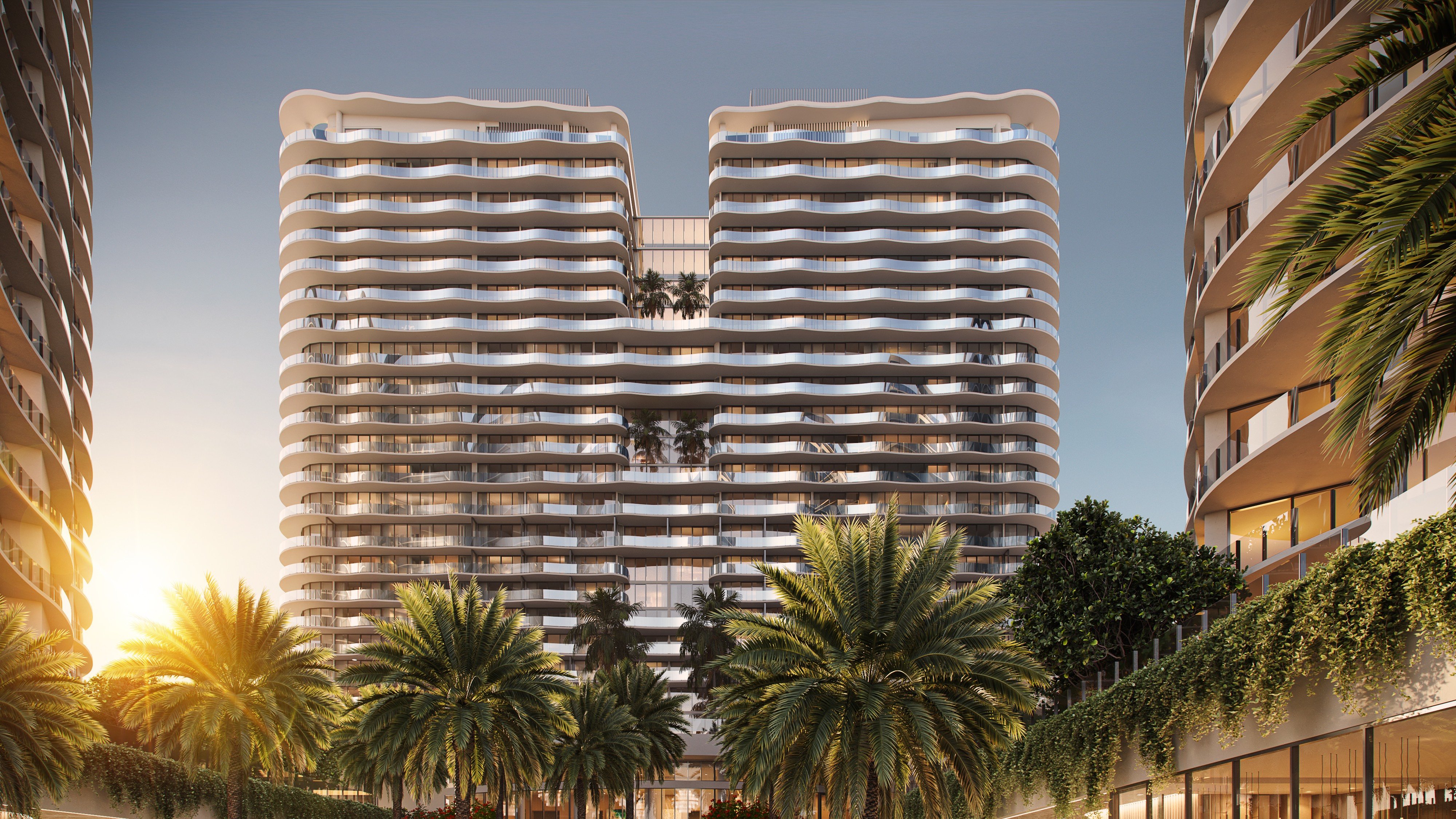
For luxury buyers comparing Fort Lauderdale and Pompano Beach, walkability is rarely just a question of whether one can step outside and reach dinner, coffee, sand, or a marina path. It is a question of rhythm. How often will the owner leave the residence on foot? Will the neighborhood reward spontaneous movement, or is the preferred experience more private, quieter, and centered on the home itself?
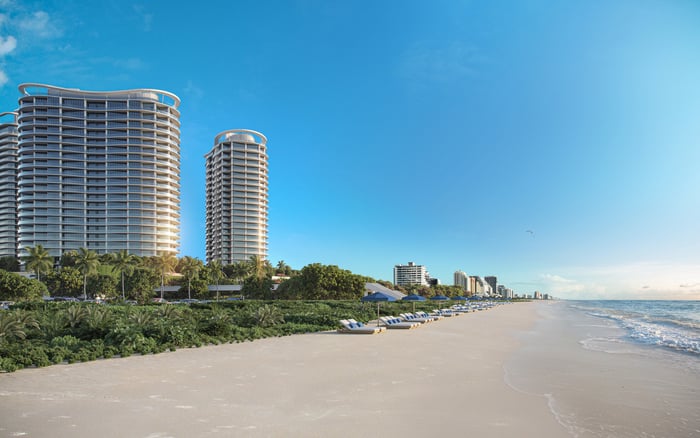
That distinction matters because the two markets often appeal to buyers who share a love of the Broward coast but expect different expressions of ease. Fort Lauderdale typically reads as more layered: beach, boating culture, restaurants, hotels, offices, and social life can all shape the residential experience. Pompano Beach tends to feel more measured and coastal, with luxury buyers often prioritizing light, frontage, openness, and a calmer sense of arrival.
For buyers comparing Fort Lauderdale and Pompano Beach within Broward, the vocabulary may include oceanfront, beach-access, and new-construction, but the lived expectation behind each term changes by address.
In Fort Lauderdale, a walkable luxury address is often prized for the options it creates. The buyer may want a morning route by the water, a convenient path to dinner, or a residence that allows guests to move easily between private living and a more active social setting. The value is not only in what sits nearby, but in how many versions of the day can unfold without friction.
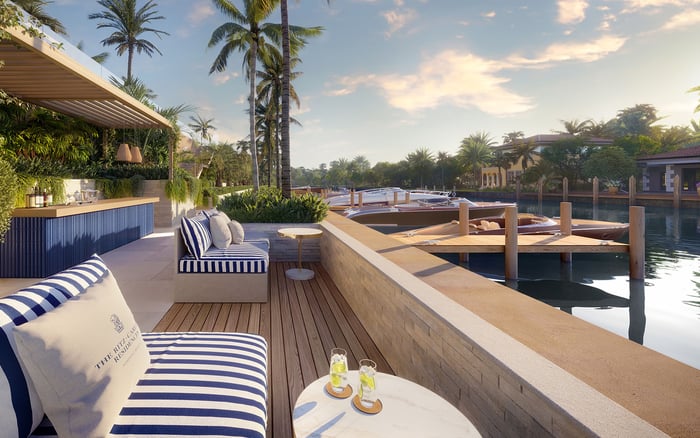
This is where service expectations become more sophisticated. A Fort Lauderdale owner may expect the residence to function almost like a private club: discreet reception, seamless valet, thoughtful security, coordinated deliveries, and staff who understand that owners and guests may move between beach, boat, business, and dinner in the same day. The experience should feel fluid, not effortful.
That does not mean Fort Lauderdale is universally busier or better. It means the luxury proposition is often tied to access and versatility. A buyer who wants to host, dine out frequently, keep a more urban calendar, or welcome guests who expect polished convenience may find Fort Lauderdale's walkability more aligned with daily life.
Pompano Beach offers a different lens. Walkability here is often less about stacking multiple urban uses into one compact radius and more about the pleasure of a coastal routine. Buyers may be thinking about the simplicity of stepping outside, feeling close to the water, and returning to a residence that preserves calm.
The service expectation also changes. In Pompano Beach, many luxury buyers still expect excellent valet, reception, maintenance, and amenity care, but the tone may be quieter. The ideal service model is less theatrical and more residential: present when needed, invisible when not. Owners who prefer a lower-key rhythm may see that as the more luxurious outcome.
This distinction can be especially important for second-home buyers. In a more composed setting, the residence itself carries more of the lifestyle burden. Floor plan, terrace usability, views, arrival sequence, pool environment, and ease of beach access can matter as much as the surrounding restaurant map. Walkability becomes intimate rather than expansive.
In both markets, affluent buyers expect competence. The difference is emphasis. Fort Lauderdale buyers may place more weight on coordination: valet timing, guest handling, reservations, staff responsiveness, package management, and the ability to support a more active household. Pompano Beach buyers may place more weight on consistency: clean common areas, calm arrivals, reliable building operations, and an atmosphere that never feels over-managed.
A practical way to frame the difference is this: Fort Lauderdale service is often judged by how well it supports movement, while Pompano Beach service is often judged by how well it preserves ease. Neither is inherently superior. The more relevant question is which type of service makes an owner's life feel more natural.
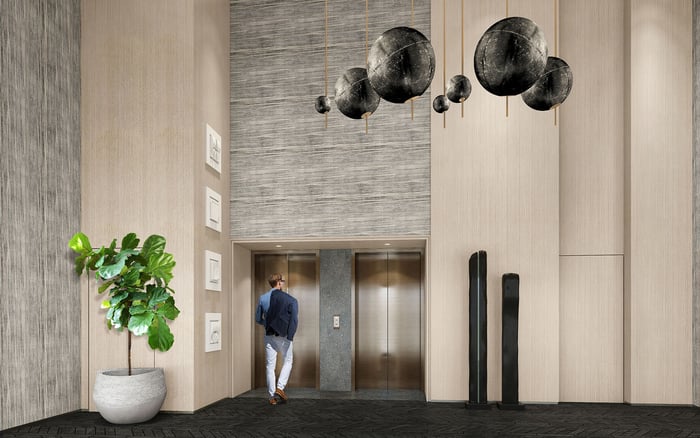
This is also why touring only the residence can be misleading. A beautiful living room does not reveal whether valet feels crowded at peak hours, whether the lobby tone suits the owner, or whether the building culture feels social, private, formal, or relaxed. Luxury buyers should study the transition points: curb to lobby, lobby to elevator, elevator to residence, residence to amenity, and residence to neighborhood.
The best comparison is experiential. Visit at the time of day you expect to use the neighborhood most. If dinner access is central to the decision, tour in the early evening. If beach mornings matter, arrive before the day becomes busy. If privacy is the priority, pay attention to the arrival sequence, the level of activity near the entrance, and the way staff interact with residents.
In Fort Lauderdale, ask whether the walkable environment enhances your calendar or simply adds stimulation. Some buyers want the energy of a more connected setting. Others discover they prefer a quieter base and would rather drive selectively when they want a restaurant or marina moment.
In Pompano Beach, ask whether the calmer pace gives you enough variety. For some owners, the reward is exactly that sense of restraint. For others, the day may feel too residential if they want frequent spontaneity beyond the beach and the building's amenities.
A useful rule: do not buy the most walkable address unless you genuinely plan to walk. Do not buy the quietest coastal address unless you genuinely value quiet. Luxury real estate performs best as a lifestyle fit before it performs as an asset.
A primary resident may evaluate the two markets through convenience, commute patterns, school or club routines, and the practical cadence of weekly life. A second-home buyer may care more about emotional arrival: the moment the door opens, the view, the terrace, the ease of walking to the water, and the absence of logistical friction.
Entertaining style matters as well. Fort Lauderdale may suit buyers who like to host guests with varied expectations, from beach time to dinner to boating-adjacent social plans. Pompano Beach may suit buyers who want guests to slow down, stay close, and treat the residence as the center of the experience.
For investors and long-term owners, the question becomes durability of lifestyle appeal. A highly walkable Fort Lauderdale address may remain compelling because convenience is always valued by a certain buyer profile. A well-positioned Pompano Beach residence may remain compelling because composed coastal living is equally enduring, especially for buyers who prize privacy over constant activation.
Is Fort Lauderdale generally more walkable than Pompano Beach? It depends on the exact address, but Fort Lauderdale often offers a more layered walkable experience. Pompano Beach tends to emphasize coastal ease over urban variety.
Does Pompano Beach feel quieter for luxury buyers? Many buyers read Pompano Beach as more composed and residential in tone. The appeal is often the feeling of calm near the water.
Which market has higher service expectations? Both require polished service at the luxury level. Fort Lauderdale may emphasize coordination, while Pompano Beach may emphasize consistency and discretion.
Should walkability be a deciding factor for a second home? Yes, if it matches how the owner will actually use the residence. A second home should simplify rituals, not add unused features.
What should buyers observe during a property tour? Watch the arrival sequence, valet flow, lobby tone, elevator privacy, and access to outdoor space. These details reveal daily comfort.
Is Fort Lauderdale better for entertaining? It can be better for owners who want more options around dining, movement, and guest activity. The fit depends on the owner's hosting style.
Is Pompano Beach better for privacy? It may suit buyers seeking a more restrained coastal rhythm. Privacy still depends on the building, floor plan, and arrival experience.
Do amenities matter more in Pompano Beach? They can, because the residence and building may carry more of the daily lifestyle. Strong amenities can make a quieter setting feel complete.
How should buyers compare new residences in both areas? Compare how each building supports your actual day, from morning routines to guest arrivals. Design alone is not enough.
What is the simplest way to choose between the two? Choose Fort Lauderdale if you want more daily optionality. Choose Pompano Beach if you want a calmer coastal base.
For a tailored shortlist and next-step guidance, connect with MILLION.
If branded residences are on your mind — as a home or as an allocation — we would be glad to share what we are seeing, privately.
Begin a quiet conversation