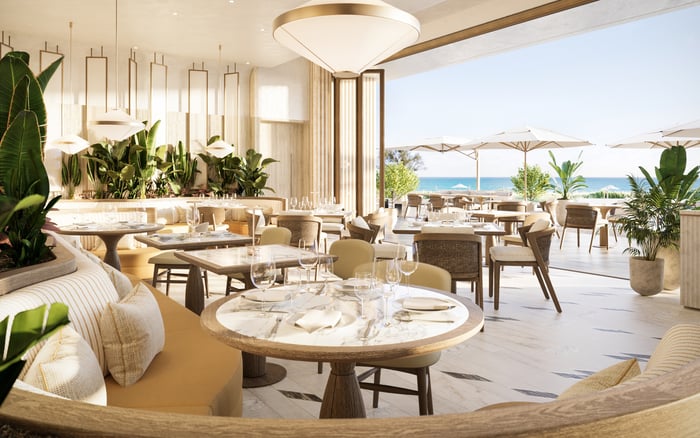
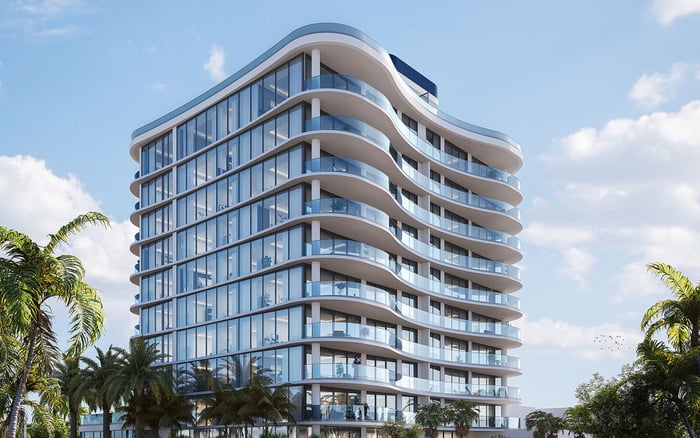
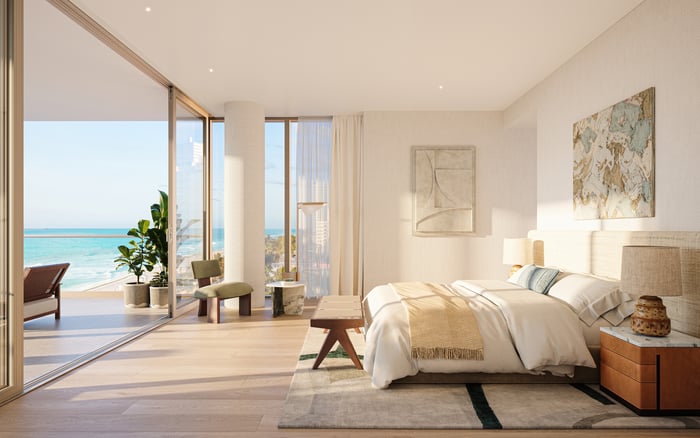
A buyer-focused reading of The Perigon Miami Beach and Ocean 580 Pompano Beach, comparing building culture, waterfront mood, privacy expectations, and the discipline required to evaluate long-term carrying costs.
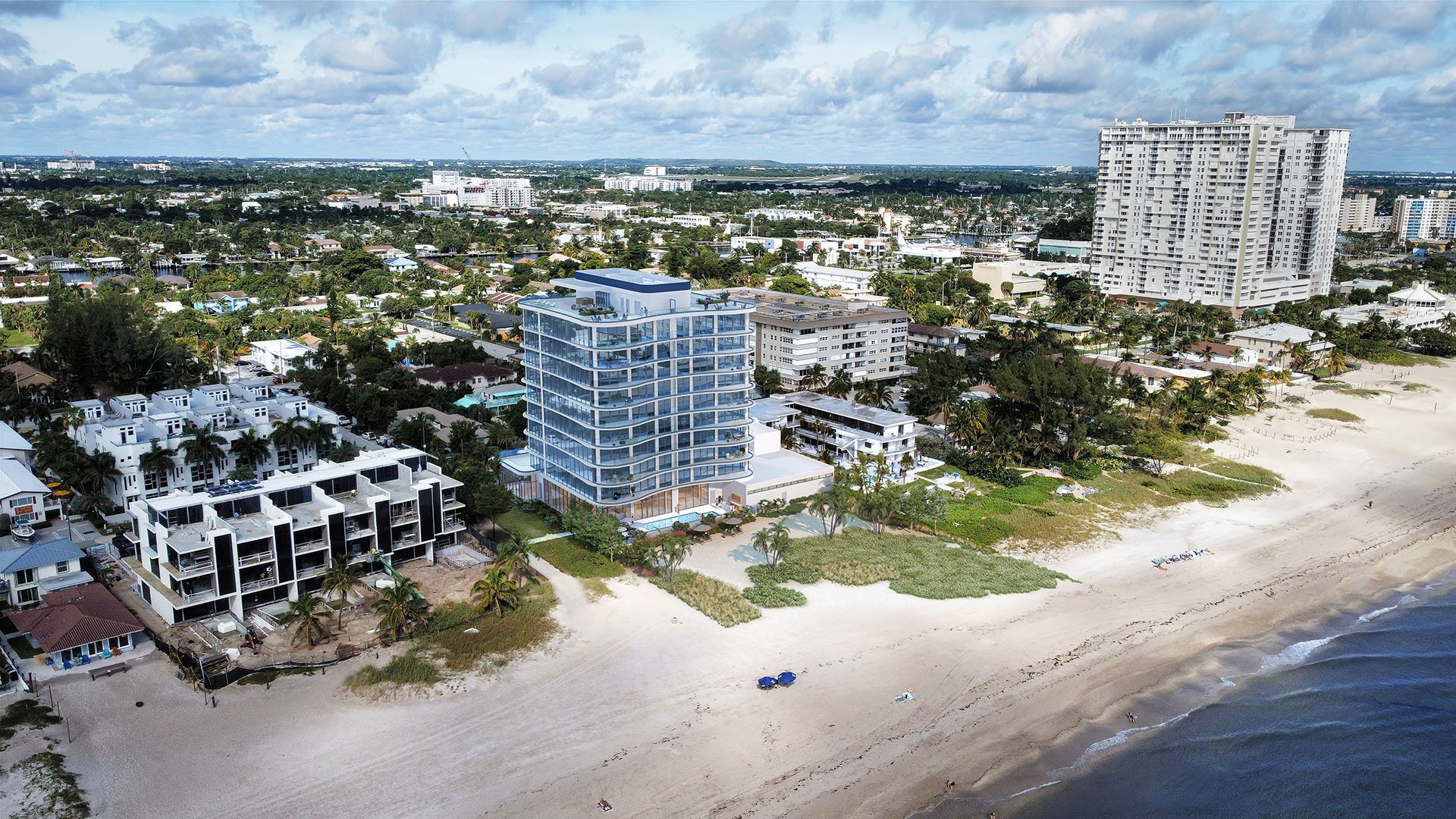
The Perigon Miami Beach and Ocean 580 Pompano Beach invite a more nuanced question than which building is more glamorous. For a serious South Florida buyer, the sharper inquiry is how each address is meant to be lived in. Building culture is the invisible amenity: the tone in the lobby, the cadence of arrivals, the social confidence of the common spaces, the privacy expectations among neighbors, and the way ownership feels after the first season has passed.
That distinction is especially important in waterfront real estate, where the view can dominate early emotion. Oceanfront presence, bayfront calm, and resort-level service each carry different implications. They shape daily rituals, guest patterns, staffing needs, maintenance expectations, and the degree to which an owner wants a residence to function as a stage, a retreat, or a disciplined long-term asset.
For buyers considering The Perigon Miami Beach alongside Ocean 580 Pompano Beach, the decision should not begin with spectacle alone. It should begin with lifestyle temperament. One buyer may want the intensity and social architecture associated with Miami Beach. Another may prefer a quieter coastal rhythm that still feels connected to South Florida’s luxury corridor. Both instincts can be valid. The difference lies in how each owner defines ease.
Oceanfront is often treated as a single category, but in practice it is a spectrum. Some buyers want a cinematic arrival: a residence that announces itself through proportion, service, and a sense of occasion. Others want the ocean as a backdrop, not as a performance. The right choice depends on whether the buyer sees waterfront living as a public-facing luxury or a private daily reset.
The Perigon Miami Beach sits within the language of Miami Beach luxury, where architecture and social identity are deeply intertwined. In that context, the building is not merely a container for private residences. It becomes part of a broader cultural map that includes design literacy, hospitality expectations, art-world adjacency, and the confident formality of beachfront living. The Miami Beach buyer is often not only buying an apartment. They are buying a point of view.
Ocean 580 Pompano Beach suggests a different kind of coastal reading. Pompano Beach can appeal to buyers who want the waterfront without necessarily inheriting the full velocity of Miami Beach. The Pompano Beach lens may feel more residential, more measured, and potentially more oriented toward everyday usability. It can speak to those who want to live by the water with less theatrical pressure and more room for routine.
Neither posture is inherently superior. The distinction is emotional and operational. Drama can be exhilarating when the owner wants energy. Calm can be priceless when the owner wants continuity.
Bayfront calm, as a buyer concept, is not only about geography. It is about visual softness, circulation, and the psychology of return. Even when a residence is not literally positioned on the bay, buyers often use bayfront calm as shorthand for shelter, sunset mood, and a less exposed relationship to the water. It is the counterweight to oceanfront drama.
In South Florida’s luxury market, this distinction matters because not all waterfront owners want the same daily atmosphere. A residence with a more dramatic ocean character may invite stronger seasonal energy, more guests, and a heightened sense of destination living. A calmer waterfront culture may better suit owners who prioritize discretion, predictable routines, and a quieter rhythm between travel, family, and work.
The Perigon Miami Beach belongs to a Miami Beach context where design presence is central to identity. That can be highly appealing for buyers who want architecture to be part of their social language. Ocean 580 Pompano Beach, by contrast, can be read through the lens of coastal composure, especially for buyers who want luxury to feel less performative and more personal.
Privacy is also cultural. It is not only secured by elevators, entries, or staff protocols. It is reinforced by the expectations of the owner body. A building where residents value discretion will feel different from one where amenity spaces are treated as a social club. Before buying, the most sophisticated owners imagine not only the unit, but also the neighbor profile, guest flow, and tone of ordinary afternoons.
The most elegant purchase can become compromised if carrying costs are misunderstood. Monthly obligations, insurance sensitivity, reserve planning, staffing levels, amenity maintenance, and future capital needs all form part of the ownership experience. In a high-service coastal building, the cost structure is not an afterthought. It is the financial expression of the building’s culture.
New-construction buyers are often drawn to fresh design, current systems, and contemporary amenity programming. Yet a newer or more ambitious building can also carry a different expense profile than a simpler residential environment. The question is not whether service is worth paying for. The question is whether the service matches the owner’s actual life.
A buyer who uses the residence heavily, entertains often, and expects a polished hospitality environment may find a more substantial operating structure entirely rational. Another buyer who visits seasonally, values low-friction ownership, and rarely uses extensive amenities may prefer a leaner culture. Carrying-cost realism is not austerity. It is alignment.
This is where The Perigon Miami Beach and Ocean 580 Pompano Beach become less about comparison and more about self-knowledge. If the building’s costs reflect amenities, staffing, and common-area ambition that an owner truly values, the expense can support satisfaction. If the costs support a lifestyle the owner does not actually live, even a beautiful residence can begin to feel inefficient.
The Miami Beach decision often begins with appetite. Does the buyer want the prestige, visibility, and design-forward atmosphere that come with a globally recognized coastal setting? Does the residence need to feel like part of a broader cultural life, not just a private home? If so, The Perigon Miami Beach may occupy the right emotional territory.
The Pompano Beach decision may begin with rhythm. Does the buyer want a coastal home that feels grounded, approachable, and easier to fold into daily life? Is the goal to enjoy the water without the constant sense of being in a high-profile social environment? If so, Ocean 580 Pompano Beach may be more naturally aligned.
The most refined buyers resist flattening these choices into price, view, or amenity count alone. They ask how the building will feel in February, in August, on a quiet Monday, and during a full family visit. They ask whether the lobby culture feels natural, whether the amenity spaces will be used, whether the waterfront mood supports sleep as much as spectacle, and whether the expense profile will still feel sensible after the initial excitement fades.
A disciplined buyer should evaluate three layers before making a decision. First, the residence itself: light, layout, outdoor space, privacy, and relationship to the water. Second, the building culture: service expectations, amenity philosophy, guest patterns, and the likely personality of the ownership base. Third, the operating reality: monthly costs, future obligations, insurance environment, and the long-term maintenance logic of coastal construction.
This is particularly important when comparing a Miami Beach address with a Pompano Beach address. The settings may serve different versions of luxury. One can feel more ceremonial, another more relaxed. One may appeal to buyers who want proximity to a dense cultural ecosystem, while the other may suit those seeking coastal refinement with a more residential pulse.
For South Florida’s ultra-premium audience, the best purchase is rarely the loudest one. It is the one whose architecture, culture, and cost structure reinforce the owner’s actual life. The view matters. The name matters. But the building’s daily temperament may matter most.
What is the main difference between The Perigon Miami Beach and Ocean 580 Pompano Beach? The distinction is best understood through lifestyle culture: Miami Beach can feel more design-forward and ceremonial, while Pompano Beach may read as calmer and more residential.
Why does building culture matter in luxury waterfront real estate? Building culture shapes privacy, service expectations, guest flow, amenity use, and the overall feeling of daily ownership.
Is oceanfront drama always better for resale appeal? Not always. Some buyers value visibility and theater, while others prize calm, discretion, and lower emotional intensity.
How should buyers think about carrying costs? Carrying costs should be weighed against actual usage, service expectations, amenity value, and long-term comfort with the building’s operating profile.
Does a higher-service building make sense for a seasonal owner? It can, if the owner values a polished arrival, managed convenience, and hospitality-level support during each stay.
Who is the typical Miami Beach luxury buyer in this comparison? The Miami Beach buyer may want architecture, social energy, cultural proximity, and a residence that feels like a statement.
Who may prefer the Pompano Beach side of the comparison? A buyer may prefer Pompano Beach if the priority is a quieter coastal rhythm, daily livability, and a more relaxed waterfront atmosphere.
Should amenities drive the purchase decision? Amenities should support the owner’s real habits, not simply impress during a tour or presentation.
What is the most overlooked due-diligence question? Buyers often underweight whether the building’s social tone and operating costs will still feel natural after the first year.
Can both buildings serve serious luxury buyers? Yes. The stronger choice depends on whether the buyer wants oceanfront drama, bayfront calm, or a more measured balance between the two.
When you're ready to tour or underwrite the options, connect with MILLION.
If branded residences are on your mind — as a home or as an allocation — we would be glad to share what we are seeing, privately.
Begin a quiet conversation