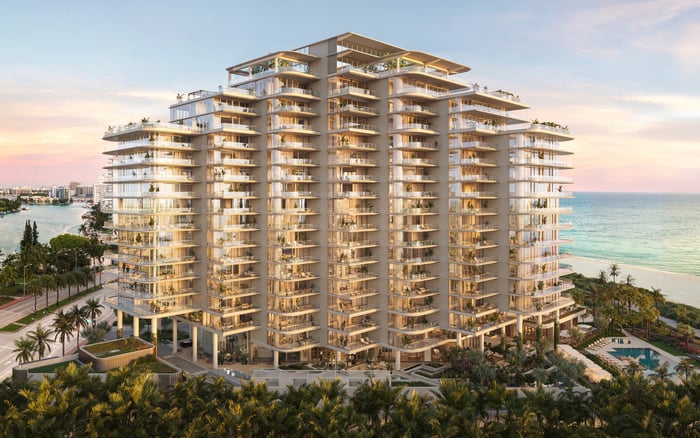
A practical, discreet guide for collectors evaluating Miami Beach residences through the lens of art stewardship, privacy, climate control, access, light, service flow and future resale discipline.
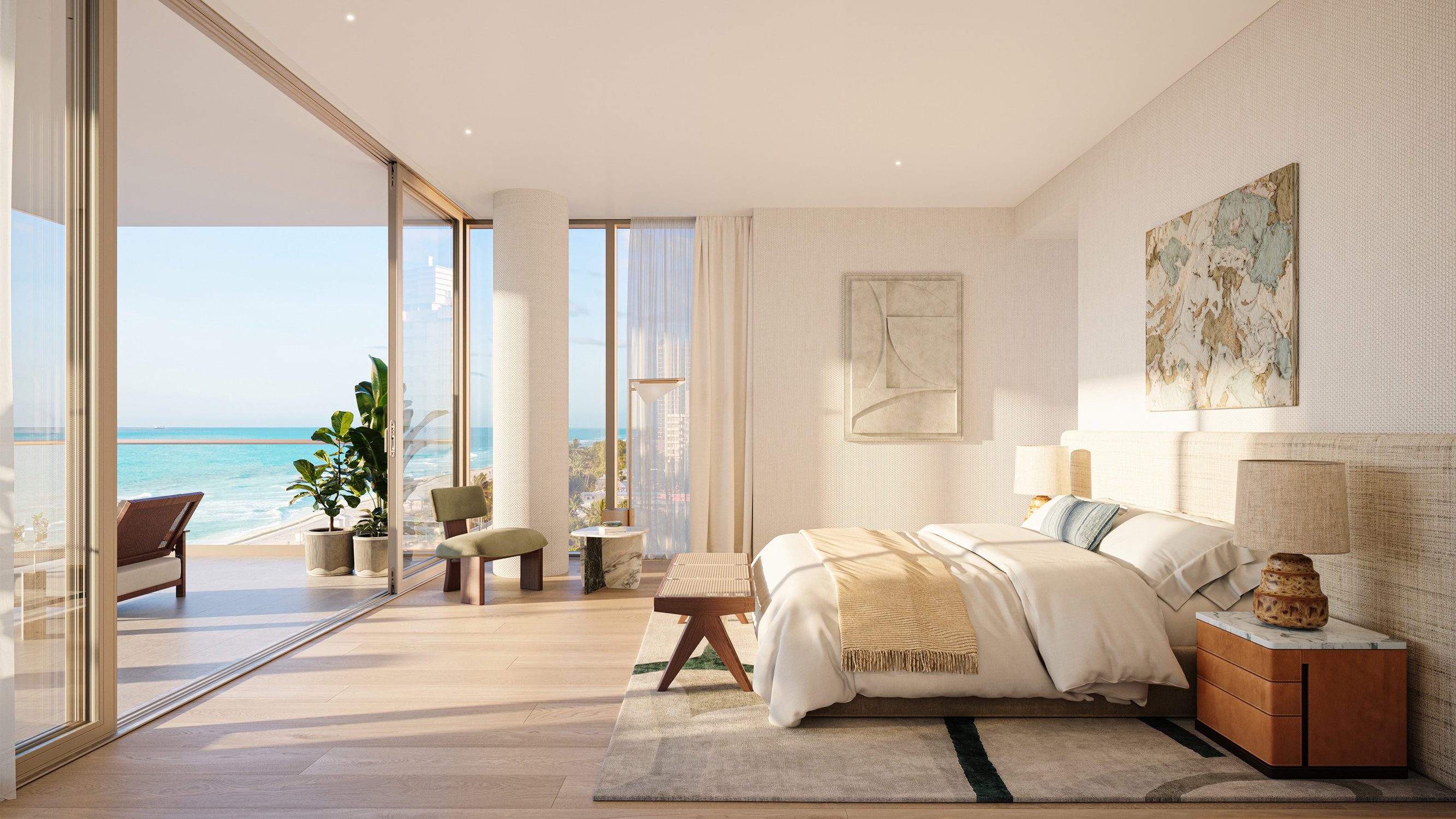
For an art collector, buying in Miami Beach is not simply a search for views, amenities and a refined address. It is a test of whether a residence can protect objects, support discreet movement, host gracefully and still feel like a private sanctuary. The best purchase is not always the most theatrical one. It is the home that can carry art quietly, without forcing compromises around light, humidity, access or security.
Due diligence should begin before a buyer falls in love with a terrace, a lobby or a sunset exposure. A collector should walk every candidate residence as if the collection were already in place. Where does a major canvas go? How does a sculpture enter? Can installers work without disrupting the building? Is there a route from loading area to residence that feels controlled, private and practical?
This is especially important in Miami Beach, where lifestyle appeal can distract from the operational realities of ownership. The point is not to make a residence feel like a museum. The point is to ensure that beauty, comfort and stewardship can coexist.
The first pressure test is visual and environmental. Natural light is seductive during a showing, but a collector should study how direct sun moves across the primary rooms. A living room that glows at noon may be punishing for sensitive works. A bedroom corridor or media room may offer more intelligent hanging conditions than the obvious waterfront wall.
Ask for time in the residence at different hours, and bring the art adviser, designer or registrar into the process early. Wall planes should be evaluated for scale, uninterrupted surface, electrical placement and the relationship between circulation and viewing distance. Tall glass, dramatic corners and open plans can be beautiful, but they may also limit where art can live comfortably.
Climate is the second layer. A buyer does not need to turn the search into a technical audit, but should understand how consistently the residence can maintain interior comfort, how mechanical systems are serviced and whether building policies allow supplemental solutions where needed. Oceanfront living asks for particular discipline because coastal air, glare and terrace exposure require a thoughtful separation between indoor display and outdoor life.
In this context, residences such as 57 Ocean Miami Beach are best assessed not only by their beachside appeal, but by the quiet question every collector should ask: can the home support the collection on an ordinary day, not just during a polished tour?
A collector’s risk often sits outside the residence itself. The service elevator, loading protocol, receiving area, security desk and staff culture can matter as much as the floor plan. Before contract, ask how large pieces are delivered, what approvals are required, whether protective coverings are available and how the building handles vendors who need time, discretion and repeat access.
The same logic applies to privacy. A residence may have excellent internal proportions, but if every installation requires visible movement through shared spaces, the ownership experience becomes less controlled. A buyer should understand the full path from arrival to wall, including parking, freight access, elevator dimensions, corridor turns and staff communication.
At The Perigon Miami Beach, the collector’s question should be the same as it would be anywhere else: does the building’s daily choreography feel aligned with a life that includes valuable objects, private guests and specialist vendors?
New-construction buyers should be especially careful not to confuse renderings with resolved logistics. The earlier the purchase, the more important it becomes to ask about future policies, service areas and owner modification procedures. A pristine promise is not the same as a functioning home.
Miami Beach is not one mood. A collector who entertains during Art Basel week may want proximity, energy and easy movement. Another may prefer separation, quiet arrivals and fewer interruptions. The right answer depends on how the residence will actually be used.
South of Fifth can appeal to buyers who value a more contained sense of place, while other parts of the beach may offer different balances of access, privacy, shoreline and neighborhood texture. The correct test is not prestige alone. It is whether daily life, guest arrivals, restaurant patterns, beach routines and art-world obligations can be managed without friction.
For some collectors, Shore Club Private Collections Miami Beach may prompt questions about hospitality adjacency, service culture and the rhythm of a storied setting. For others, The Ritz-Carlton Residences® Miami Beach may invite a different conversation about privacy, residential feel and how a branded environment supports long-term living.
The key is to test the week, not the weekend. Drive the approaches. Walk the immediate area. Consider where guests wait, where drivers stage, how deliveries occur and whether the building feels composed when Miami Beach is at its busiest.
Before making an offer, the collector should reduce the romance to a written checklist. Identify the works that matter most, then map them to actual locations in the residence. Flag any pieces requiring controlled light, reinforced placement, special installation or unusual delivery. If a proposed home cannot accommodate the important works, the buyer should know that before negotiation, not after closing.
Legal and building review should include rules on alterations, insurance requirements, vendor access, storage, photography, short-term guests and staff procedures. None of these items is glamorous, but each shapes the ownership experience. A residence that resists practical stewardship can become expensive in invisible ways.
Resale should also be considered through a collector’s lens. Strong art walls, clean circulation, privacy, elegant light control and serviceable access are not eccentric preferences. They are qualities that sophisticated future buyers may value. The goal is to buy a residence that feels personal without becoming so customized that it narrows the next audience.
The collector who wins in Miami Beach is rarely the one who reacts fastest to the prettiest room. It is the one who asks better questions, brings advisers in earlier and treats the residence as part of the collection’s infrastructure. When the art can arrive, settle and be lived with naturally, the home has passed the real test.
Should an art collector prioritize views or wall space? Views matter, but wall quality and light control may be more important for daily stewardship. The best residences balance both without forcing art into compromised locations.
Is direct sunlight always a problem for art? Direct sun can be challenging for many works, especially when exposure is repeated. Buyers should evaluate light patterns before deciding where major pieces will hang.
When should an art adviser join the search? Ideally before an offer is made. Early input can prevent expensive mistakes around scale, access, installation and environmental needs.
Are newer buildings automatically better for collectors? Not automatically. Newer residences may offer modern systems, but policies, access routes and actual wall conditions still need careful review.
What should I ask about service elevators? Ask how art deliveries are scheduled, protected and routed. The path from truck to residence should be practical, private and predictable.
Does a terrace create risk for nearby artworks? It can if indoor and outdoor living are not well separated. Collectors should consider glare, door traffic, humidity shifts and furniture layouts.
How important is building privacy? Very important for collectors who host, lend, acquire or install frequently. Privacy is as much about operational discretion as it is about prestige.
Should I renovate before moving art in? If lighting, walls, climate or security need improvement, address them first. Moving important works twice can add avoidable risk and cost.
Can a highly customized art home hurt resale? It can if customization limits broader livability. Flexible walls, elegant lighting and clean circulation usually age better than overly specific interventions.
What is the simplest pressure test before buying? Walk the residence with your most important works in mind. If placement, access and protection feel natural, the home is worth deeper review.
When you're ready to tour or underwrite the options, connect with MILLION.
If branded residences are on your mind — as a home or as an allocation — we would be glad to share what we are seeing, privately.
Begin a quiet conversation