A discreet buyer’s guide to evaluating penthouse sauna and cold plunge suites in South Florida, from placement and mechanical planning to privacy, finishes, maintenance, and resale relevance.
For South Florida’s most discerning penthouse buyers, the private wellness suite has moved from indulgence to infrastructure. A sauna and cold plunge pairing is no longer merely a spa gesture. In the right residence, it becomes part of the daily architecture of restoration: morning heat, controlled cold, quiet recovery, and a seamless return to open air.
The best examples feel inevitable within the floor plan. They are not tucked into leftover space or treated as decorative amenities. They are planned with the same seriousness as a chef’s kitchen, a wine room, or a primary dressing suite. For a penthouse buyer, the question is not whether a sauna and plunge look impressive on a tour. The question is whether they will perform beautifully, privately, and safely over years of use.
In South Florida, that standard demands particular discipline. Coastal humidity, high expectations for outdoor living, and the premium placed on water views make wellness planning more complex. A suite must balance comfort with technical precision, and serenity with service access. The checklist begins long before stone, glass, or custom millwork enter the conversation.
The first decision is where the wellness suite belongs. A sauna and cold plunge can be seductive beside a terrace, pool deck, or principal bath, but the location must support the ritual as well as the image. Buyers should consider the full sequence: changing, showering, heating, cooling, resting, and returning to the residence without crossing public or formal zones.
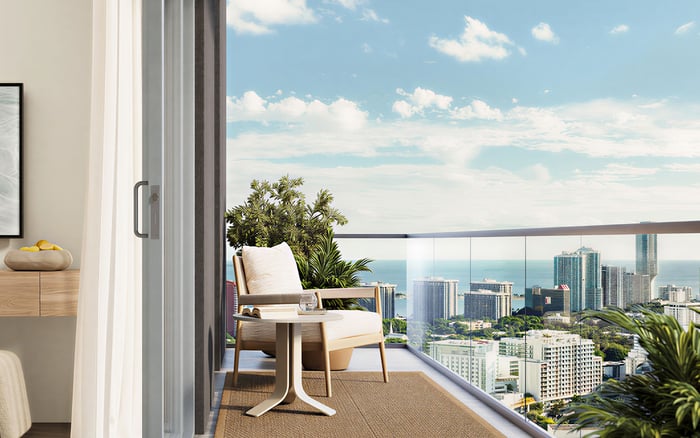
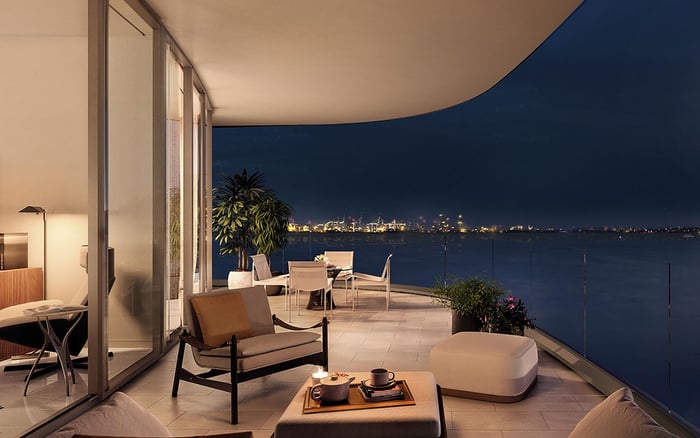
The strongest layouts create a private circuit. Ideally, the wellness area connects to a bathroom, towel storage, robe storage, and a quiet lounge or outdoor recovery area. If the residence is oceanfront, the temptation is to orient everything toward the view. That can be extraordinary, but glass exposure must be reconciled with privacy, heat management, glare, and evening use.
A wellness suite placed too far from plumbing, drainage, or mechanical capacity can become an expensive compromise. A suite set too close to entertaining spaces can feel awkward when guests are present. A suite planned without acoustic discipline can disturb bedrooms or media rooms. The best placement feels discreet, not theatrical.
A sauna and cold plunge are technical rooms. Before falling in love with a rendering, buyers should ask direct questions about ventilation, waterproofing, drainage, electrical capacity, equipment location, and service access. These elements determine whether the space will age gracefully.
Ventilation is essential. Heat and moisture must be controlled so adjacent rooms, millwork, stone, mirrors, and concealed cavities are protected. Waterproofing must be planned as a system, not a surface treatment. A cold plunge needs appropriate drainage and accessible equipment. If components are concealed behind beautiful finishes with no service pathway, elegance can quickly become inconvenience.
Sound also matters. Pumps, chillers, controls, and mechanical equipment should not interrupt sleep, dining, or quiet work. In a Brickell sky residence, where interiors often serve both personal and professional life, acoustic separation can be as important as visual design. A buyer should understand where equipment sits, how it is isolated, and how it can be reached without disrupting the residence.
A proper private sauna is a sensory environment. Scale, ceiling height, bench configuration, door swing, lighting, control placement, and material selection all shape the experience. Oversizing can make the room inefficient and impersonal. Undersizing can make it feel like an afterthought.
Buyers should sit inside, if possible, and assess posture, sightlines, head clearance, and comfort. The door should operate smoothly and confidently. Lighting should be calm and indirect. Controls should be intuitive yet protected from accidental use. The transition from heat to rinse to cold plunge should feel natural.
Materials deserve scrutiny in South Florida. Finishes must tolerate heat, humidity, salt air influence, and frequent cleaning. Hardware, hinges, thresholds, and adjacent flooring should be selected for durability as much as appearance. A beautiful sauna that depends on delicate surfaces may photograph well but disappoint in daily life.
The cold plunge is often the visual star, but its value lies in consistency, cleanliness, and ease of use. Buyers should understand how water is chilled, filtered, drained, filled, and maintained. They should also ask whether the plunge is designed for one user or shared use, and whether entry and exit feel comfortable.
Steps, handholds, slip resistance, lighting, and surrounding floor drainage are not minor details. They define safety and confidence. A plunge positioned on or near a terrace must be reviewed with structural, waterproofing, and maintenance considerations in mind. The experience should feel effortless, but the design behind it should be rigorous.
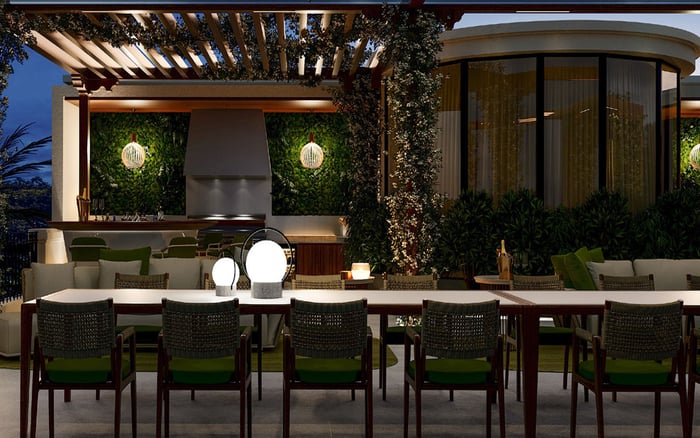
Privacy is also central. In Miami Beach and Sunny Isles settings, where views and neighboring towers may intersect, the wellness area should offer a sense of retreat. Screening, glass specification, landscape placement, and lighting control can make the difference between a showpiece and a true sanctuary.
In condominium and branded residential environments, private wellness installations can involve building rules, association approvals, contractor access protocols, insurance considerations, and ongoing maintenance standards. A buyer should understand what is already approved, what is merely proposed, and what would require future review.
If the sauna and plunge are delivered as part of the residence, request clarity on warranties, manuals, maintenance schedules, and responsible parties. If they are planned as a post-closing customization, confirm feasibility before assuming the design can be executed. The most expensive wellness idea is the one that conflicts with building systems after purchase.
For resale, documentation matters. A future buyer will want evidence that the suite was properly designed, permitted where required, installed, and maintained. Luxury is not only the presence of amenities. It is the confidence that those amenities were executed correctly.
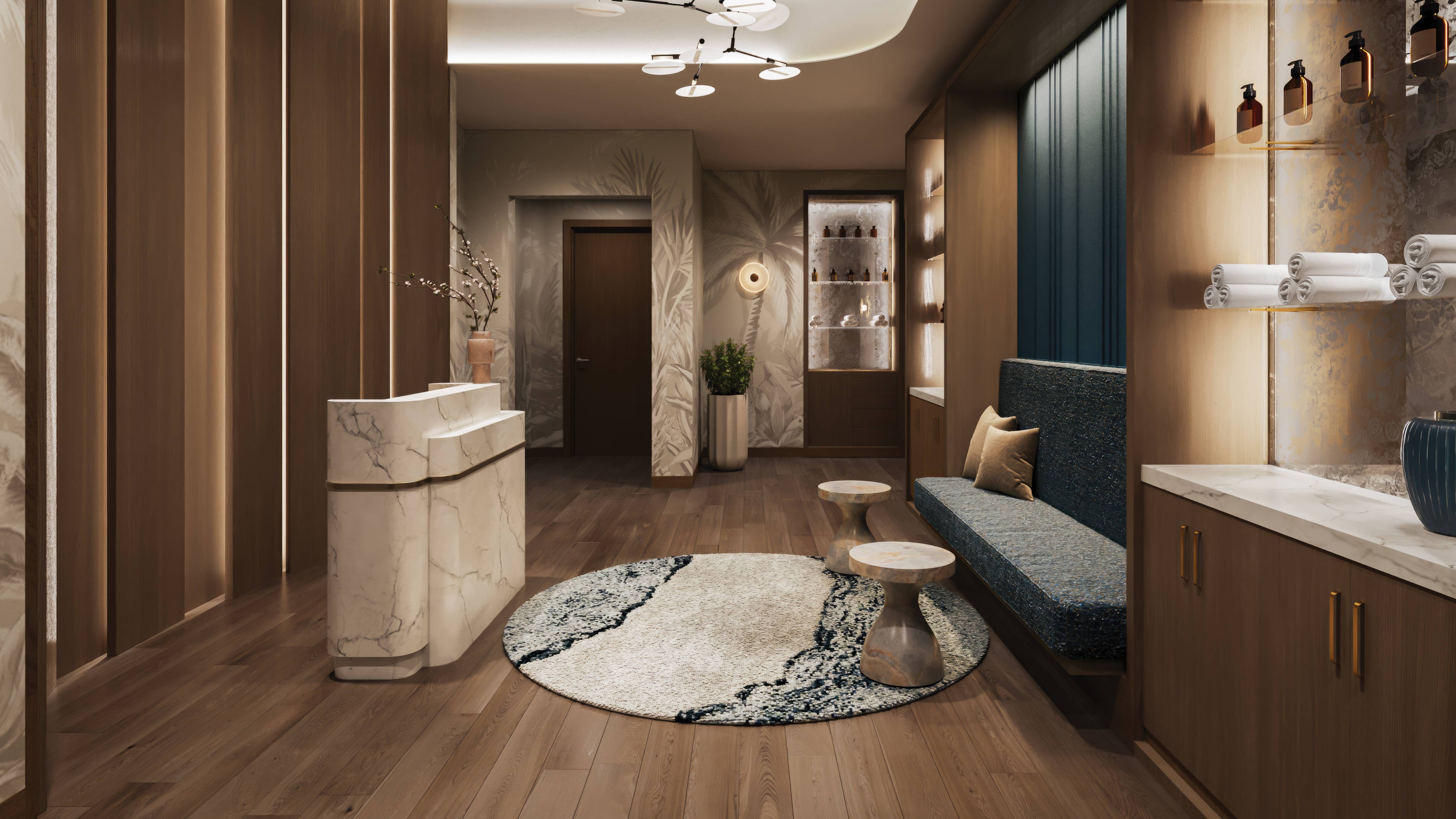
The wellness suite should belong to the residence’s broader design language. In an ultra-modern penthouse, that might mean stone, glass, warm wood tones, and concealed lighting. In a softer coastal interior, it might mean tactile surfaces, quiet neutrals, and a spa-like transition to water and sky. The goal is cohesion.
Avoid over-theming. A wellness room should not feel like a commercial spa inserted into a private home. It should feel personal, calm, and architecturally resolved. The most refined suites often use restraint: fewer visible controls, cleaner thresholds, better storage, and a controlled palette.
Buyers should also consider what happens when the suite is not in use. Does it still look composed from adjacent rooms? Are towels, robes, products, and maintenance items hidden? Does the cold plunge read as an elegant water element, or does it dominate the space? Quiet design usually holds its value better than novelty.
A serious tour should include more than admiration. Open doors. Test privacy. Trace the path from bedroom to shower to sauna to plunge. Look for floor drains, ventilation grilles, equipment access, non-slip surfaces, and storage. Ask where towels go, where water goes, where heat goes, and where service personnel go.
Request a clear explanation of operating costs and maintenance obligations. Ask how the system is shut down if the residence is used seasonally. If the property will serve as a second home, the wellness suite must be easy to pause, restart, inspect, and maintain without constant owner supervision.
Finally, align the amenity with actual life. Some buyers want a daily performance ritual. Others want occasional recovery after tennis, golf, boating, or training. The right suite is not necessarily the most elaborate. It is the one that fits the owner’s rhythm with minimal friction.
In a buyer brief, precise search language can help organize priorities: penthouse, Brickell, Miami Beach, Sunny Isles, oceanfront, and terrace may each shape how a private sauna and cold plunge suite should be evaluated.
Should every luxury penthouse include a sauna and cold plunge? No. The feature is most valuable when it is properly engineered, privately placed, and aligned with the owner’s lifestyle.
Is an outdoor cold plunge preferable in South Florida? It can be compelling, especially near a terrace or pool area, but it requires careful review of drainage, privacy, structure, and maintenance.
What is the first technical question a buyer should ask? Ask how ventilation, waterproofing, drainage, and equipment access have been handled before focusing on finishes.
Can a sauna be added after purchase? Sometimes, but feasibility depends on building rules, mechanical capacity, waterproofing, electrical needs, and approval requirements.
What makes a wellness suite feel truly private? A discreet circulation path, controlled sightlines, thoughtful glass, acoustic separation, and integrated storage all contribute.
Are finishes as important as systems? Finishes matter, but systems come first. Beautiful materials will underperform if heat, moisture, and service access are poorly planned.
How should seasonal owners think about maintenance? They should confirm shutdown, restart, cleaning, inspection, and remote service protocols before relying on the suite seasonally.
Does a sauna and plunge suite help resale? It may enhance appeal when executed with quality, documentation, and restraint, but poor installation can become a liability.
What should buyers look for during a tour? Look beyond the visual presentation and test the sequence, privacy, flooring, storage, noise, controls, and service access.
Who should review a planned wellness suite before closing? A qualified design, construction, and property advisory team should review feasibility, systems, approvals, and maintenance obligations.
For a confidential assessment and a building-by-building shortlist, connect with MILLION.
If branded residences are on your mind — as a home or as an allocation — we would be glad to share what we are seeing, privately.
Begin a quiet conversation