For Miami penthouse buyers, storm preparation is no longer a seasonal checklist. It is a due-diligence lens that touches design, insurance, operations, building culture, and exit strategy.
For the Miami penthouse buyer, storm preparation has moved beyond shutters, checklists, and a seasonal call to the property manager. The sharper 2026 question is broader and more consequential: can the residence, the building, and the ownership structure perform with composure before, during, and after severe weather?
That question matters because the top of a tower is not simply a larger apartment in the sky. It is a private house placed at altitude, with exposures that can include expansive glazing, broad outdoor rooms, mechanical complexity, elevator dependence, and valuable interiors. In a market where buyers compare view corridors, ceiling heights, private pools, and service culture, the most disciplined clients are also asking how elegance holds up under pressure.
This does not make storm preparation a fear-based topic. In South Florida’s luxury market, resilience is part of discretion. The best due diligence treats preparation as a refinement of ownership, much like art logistics, household staffing, aviation access, or yacht management. A beautiful home should also be legible, maintainable, insurable, and calm to operate.
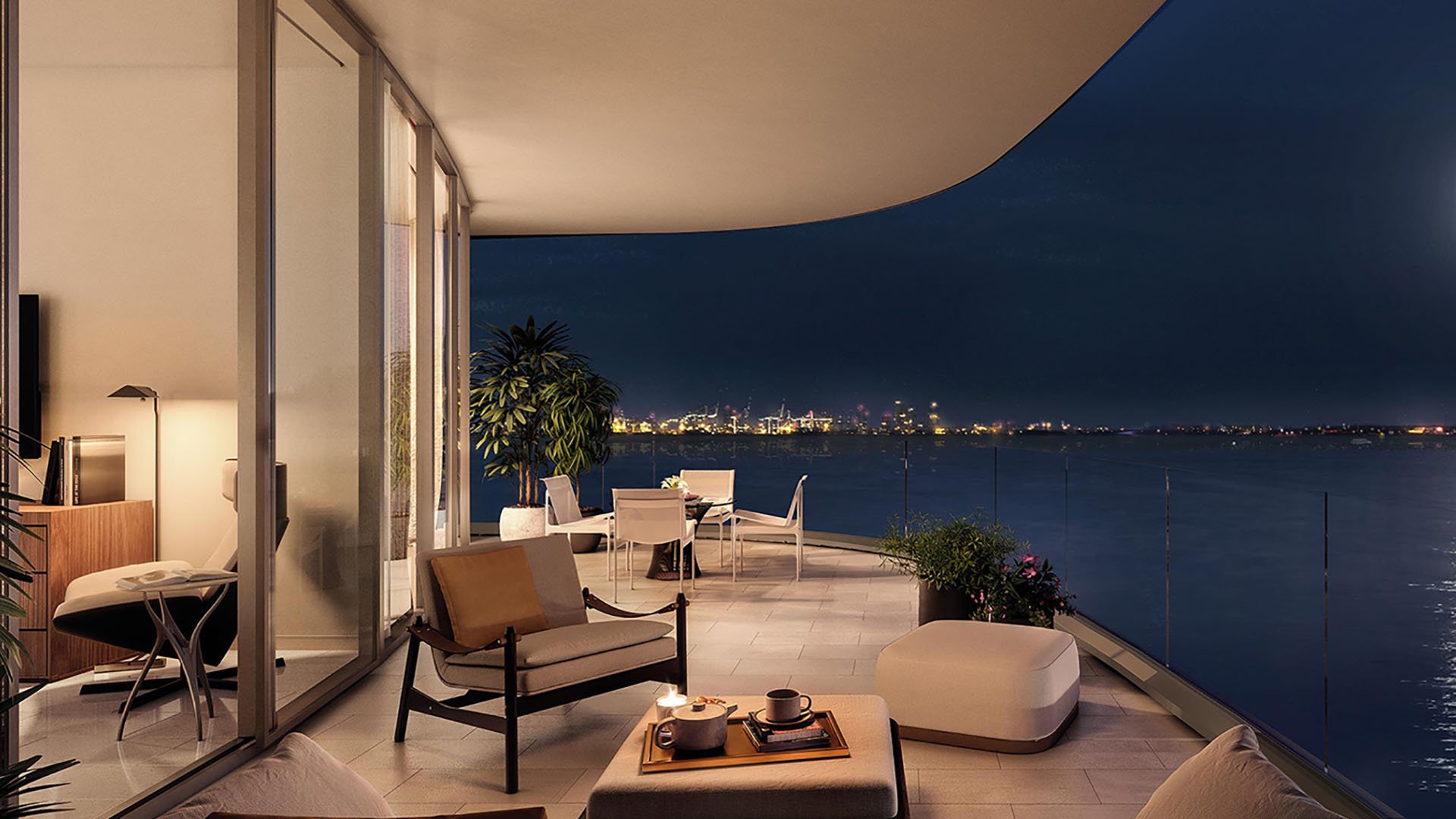
The first layer is physical. A buyer should understand the building envelope, including exterior glass, balcony and terrace conditions, roof interfaces, penthouse-level penetrations, doors, drainage, and any exposed equipment serving the residence. The larger the outdoor living program, the more important it becomes to understand how furniture, planters, kitchens, screens, lighting, and loose elements are secured when weather escalates.
The second layer is vertical infrastructure. Elevators, backup power, life-safety systems, water pressure, access control, garage operations, and communication protocols can determine how comfortably a residence functions during disruption. In a trophy home, the question is not only whether systems exist, but who maintains them, how they are tested, and what owners can realistically expect.
The third layer is operational. Buyers should request and review association rules, emergency procedures, vendor access policies, staffing plans, post-storm inspection practices, and any limitations on owner-installed improvements. A penthouse may be privately owned, but storm preparation is often a building-wide performance issue.
In 2026, a sophisticated buyer should treat insurance as part of the underwriting conversation, not a closing footnote. Premiums, exclusions, deductibles, association coverage, owner coverage, special assessments, and reserve strength all influence the real cost of ownership. The question is not simply whether coverage can be obtained. It is whether the coverage profile feels stable enough for the buyer’s intended holding period.
This is especially relevant for a penthouse with custom millwork, imported stone, private roof components, outdoor improvements, or high-value contents. Some risks may sit with the association, some with the owner, and some in the space between documents. That boundary deserves legal, insurance, and engineering attention before a buyer waives contingencies or commits to a renovation plan.
There is also a lifestyle dimension. A seasonal owner may need a more formalized preparedness protocol than a full-time resident. A family office may want written vendor responsibilities. A collector may require art-specific logistics. A buyer planning to entertain frequently may need clarity on outdoor furniture storage and recovery timing.
Miami rewards height. Upper-floor residences can deliver extraordinary light, privacy, horizon views, and a sense of separation from the city below. Yet height also changes how a residence meets wind, water, and maintenance. The view premium should therefore be weighed alongside what might be called the exposure premium.
An oceanfront residence may offer cinematic water frontage, but salt air, balcony conditions, façade maintenance, and storm-facing exposure deserve careful review. In Brickell, the concerns may include tower operations, garage access, elevator strategy, and the coordination of many owners within a dense vertical environment. In Miami Beach, buyers may focus on coastal exposure, outdoor rooms, and the relationship between private residential service and building-wide procedures. In Sunny Isles, where many luxury buyers are drawn to height and water views, the diligence should be equally attentive to façade performance, glazing, and association preparedness.
None of this diminishes the appeal of these addresses. It simply reframes luxury as a combination of beauty and performance. The more spectacular the setting, the more thoughtful the underwriting should be.
A polished sales presentation can describe finishes, amenities, and views. Storm preparedness requires a different set of conversations. Buyers should ask how the building communicates with owners before severe weather, who has authority to make operational decisions, how exterior items are managed, what backup systems serve, and how quickly post-event inspections are usually coordinated.
The strongest answers are specific, documented, and repeatable. Vague reassurance is not enough for an eight-figure residence. A buyer should be able to see whether the building has a culture of maintenance, whether records are organized, and whether the association understands the expectations of ultra-premium owners.
It is also worth asking how renovations interact with preparedness. New flooring, terrace upgrades, outdoor kitchens, lighting systems, millwork, and smart-home installations can all affect how a residence performs and recovers. A design team should be aligned with the building’s rules before a buyer assumes that a dream plan is simple to execute.
The most useful framework is to compare residences across four dimensions: envelope, infrastructure, governance, and personal protocol. Envelope covers glass, doors, terraces, waterproofing, and exposed areas. Infrastructure covers power, elevators, water, communications, and access. Governance covers association documents, reserves, staffing, insurance, and decision-making. Personal protocol covers the owner’s household plan.
This framework helps buyers avoid the common mistake of evaluating storm readiness only after emotional commitment. It also allows a waterfront penthouse, an urban sky residence, and a boutique coastal home to be compared with greater discipline. A residence may be exceptional in design and still require additional diligence. Another may appear quieter, yet offer unusually strong operational clarity.
For sellers, the same logic can become a value proposition. Organized documents, clear maintenance records, defined vendor relationships, and a well-presented preparedness plan can reassure a serious buyer. In a market where discretion matters, confidence is often created by calm documentation rather than theatrical claims.
Preparedness is not the opposite of indulgence. It is the structure that allows indulgence to feel effortless. The buyer who understands a residence’s storm posture is better positioned to enjoy the terrace dinner, the sunrise swim, the art-filled salon, and the long weekend without nagging uncertainty.
For South Florida’s highest-end residences, the conversation is shifting from “What does it look like?” to “How does it live when conditions are imperfect?” That is the right evolution. A truly exceptional penthouse should be seductive on a clear evening and intelligible when the weather turns.
What is the key storm due-diligence question for a Miami penthouse buyer? Ask whether the residence, building systems, association procedures, and owner responsibilities can perform calmly before and after severe weather.
Should storm preparation affect the value of a luxury penthouse? It can influence perceived quality, carrying-cost confidence, and buyer comfort, especially when documentation and operations are clear.
What building systems deserve early review? Elevators, backup power, access control, water systems, communications, garage operations, and post-storm inspection protocols all matter.
Why are terraces so important in penthouse diligence? Outdoor rooms often contain furniture, kitchens, lighting, planters, and drainage conditions that require specific preparation and maintenance.
Is insurance part of storm preparation? Yes. Buyers should understand owner coverage, association coverage, deductibles, exclusions, and how responsibilities are divided.
How should seasonal owners approach preparedness? They should create a written household protocol with designated vendors, access permissions, and clear pre-storm responsibilities.
Does a newer building remove the need for storm diligence? No. Newness may be positive, but buyers should still examine maintenance culture, procedures, documents, and system testing.
What should sellers organize before listing a penthouse? Maintenance records, association procedures, insurance summaries, renovation approvals, and vendor contacts can support buyer confidence.
Can design upgrades complicate storm readiness? Yes. Outdoor kitchens, smart systems, custom doors, and terrace improvements should be reviewed for building compliance and durability.
What is the best way to shortlist comparable options for touring? Start with location fit, delivery status, and daily lifestyle priorities, then compare stacks and elevations to validate views and privacy.
For a confidential assessment and a building-by-building shortlist, connect with MILLION.
If branded residences are on your mind — as a home or as an allocation — we would be glad to share what we are seeing, privately.
Begin a quiet conversation