A buyer-focused comparison of The Lincoln Coconut Grove and Avenia Aventura through the lens of school-day convenience, staff circulation, and family privacy.
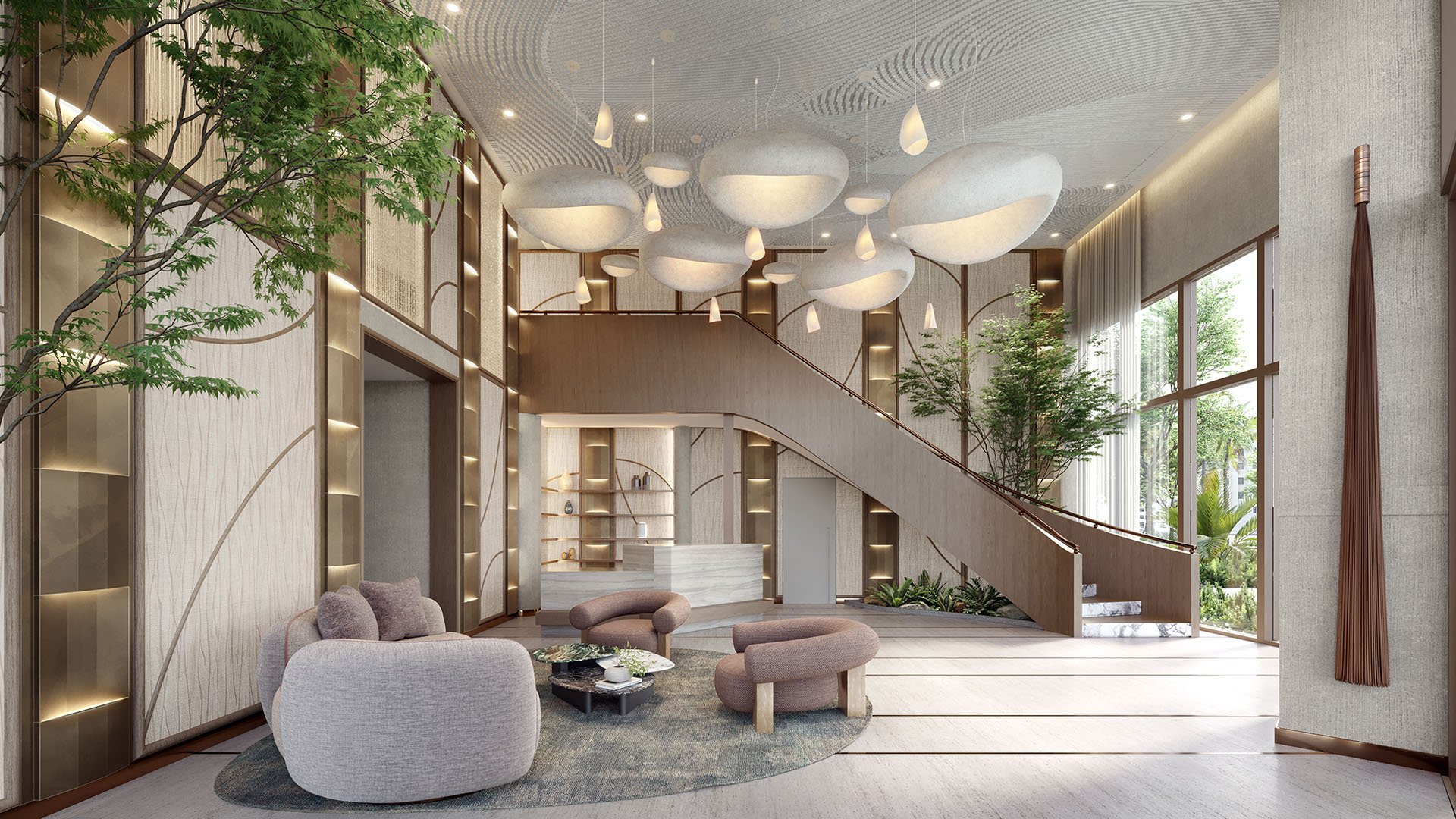
For affluent families comparing The Lincoln Coconut Grove with Avenia Aventura, the meaningful question is not which address is more luxurious. It is which one makes the family’s daily choreography feel easier, quieter, and more natural. The decision lives in the small moments: a child leaving for school before sunrise, a driver waiting without drawing attention, a tutor arriving after practice, a nanny moving between errands, a grandparent coming upstairs for dinner, or groceries traveling from car to kitchen without becoming a social event.
The Lincoln Coconut Grove and Avenia Aventura speak to different versions of South Florida life. One is grounded in neighborhood scale, leafy streets, and the feeling of an urban house supported by condominium services. The other is shaped by vertical infrastructure, controlled access, amenity systems, and the car-oriented convenience of Aventura. For buyers with children, staff, and layered weekly schedules, that distinction can matter more than a view line or finish package.
This is not a better-versus-worse comparison. It is a lifestyle contrast between low-profile Coconut Grove discretion and high-rise Aventura organization.
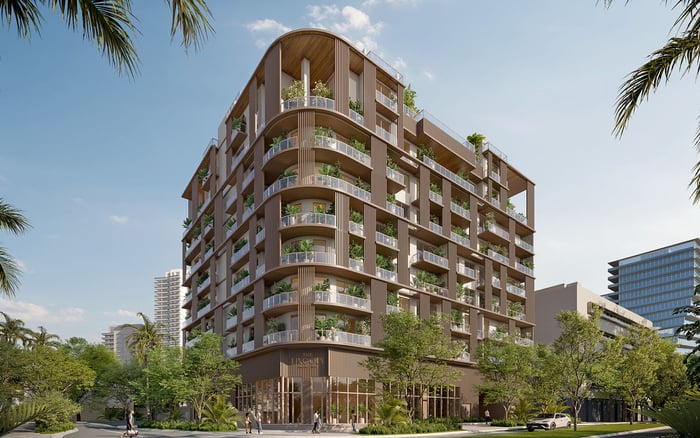
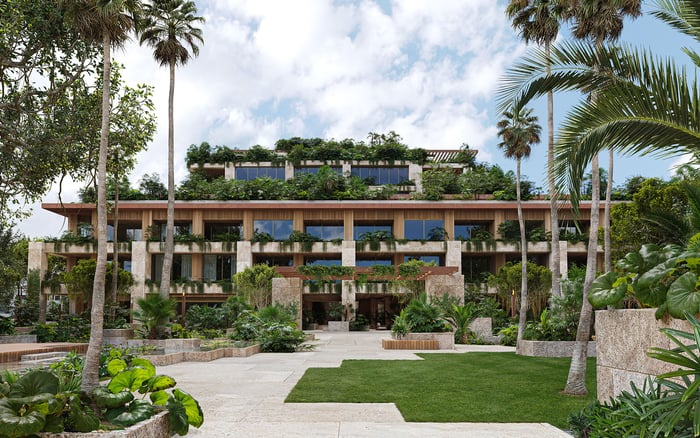
The Lincoln Coconut Grove is best understood as a low-rise, neighborhood-embedded luxury residence rather than a conventional tower. Its proposition is closest to an urban house with condominium services, a hybrid that appeals to families who want service, security, and ease without sacrificing the scale and discretion of residential living.
In Coconut Grove, the setting itself shapes the experience. The surrounding environment is leafy, historic, and lower in scale, with homes, townhomes, schools, marinas, churches, and village retail forming a more intimate urban fabric. For some buyers, the Coconut Grove shorthand is not simply charm. It is the ability to move through a familiar neighborhood rhythm without feeling absorbed into a large building ecosystem.
Boutique scale changes how a family experiences arrival and departure. Fewer shared circulation points can make the path from residence to car feel shorter and less exposed. School runs, nanny handoffs, tutor arrivals, grocery deliveries, and staff movements can all become lower-visibility events. For families who prize privacy not as isolation, but as quiet control over daily exposure, that matters.
Avenia Aventura belongs to a different luxury logic. It is a vertical, infrastructure-oriented community in a part of South Florida shaped by automobiles, amenities, structured access, and regional convenience. Its appeal is less about neighborhood intimacy and more about the promise of a complete high-rise lifestyle within a more formal building framework.
In Aventura, daily life is often organized through structured parking, valet interfaces, elevator circulation, lobby sequences, and larger shared amenity systems. For families whose geography runs through northeast Miami-Dade, Sunny Isles, Aventura, and southern Broward, that format can be practical. The building becomes a platform for controlled movement, with systems designed to manage people, cars, services, and amenities at scale.
That strength comes with a different kind of visibility. A high-rise can provide controlled access and more formal service organization, but it also tends to create more shared moments at lobbies, elevators, valet areas, and amenity corridors. Some families value that structure. Others prefer the quieter residential feel of a smaller building with fewer daily points of encounter.
The private-school morning is where the distinction becomes most tangible. At The Lincoln, the advantage is likely to be speed and discretion. Families connected to Miami’s central private-school corridor, Coral Gables, and Brickell-area commutes may find the Coconut Grove setting especially aligned with a weekday pattern that rewards short transitions and flexible local movement.
A low-rise format can make the morning feel less ceremonial. There may be fewer stages between the kitchen, the car, and the street. A parent can leave quickly. A driver can coordinate quietly. Children can move with less exposure to a lobby audience or elevator queue. For families that dislike feeling seen every time the household shifts, this is a meaningful luxury.
At Avenia, the school-day logic is more structured. The experience is shaped by the larger tower-and-car circulation system. That can be helpful when a family wants predictable building interfaces, controlled access, and a more formal arrival-and-departure sequence. But it also means the school run may involve more shared vertical movement, more coordination around elevators or valet, and a more visible passage through common areas.
The distinction is not simply commute time. It is the emotional texture of the morning.
Household staff movement is one of the most underdiscussed issues in luxury residential selection. Drivers, nannies, housekeepers, tutors, personal assistants, trainers, chefs, delivery personnel, and family office representatives can all interact with a residence during a normal week. The best building for a family is often the one that makes those movements feel seamless rather than conspicuous.
The Lincoln’s likely advantage is a smaller number of touchpoints between residence, street, and car. A more residential arrival experience can reduce friction for recurring household routines. When a nanny arrives, when a tutor leaves, when groceries are dropped, or when a driver waits briefly, the action may feel embedded in the neighborhood rather than staged within a larger public building sequence.
Avenia’s likely advantage is formalization. In a larger high-rise environment, staff circulation can benefit from building systems, controlled access, and a more organized operational framework. For families who prefer institutional clarity, defined procedures, and a staffed vertical environment, that can be reassuring. The tradeoff is that more infrastructure can also mean more moments of shared visibility.
The right answer depends on the household’s operating style. Some families want informality and fewer eyes. Others want structure and documented control.
Privacy in South Florida luxury real estate is often discussed as if it were a single attribute. In practice, there are several forms of privacy. There is spatial privacy, meaning distance from neighbors. There is access privacy, meaning controlled entry. There is social privacy, meaning reduced visibility in daily routines. There is family privacy, meaning the ability for children, staff, and guests to move without unnecessary attention.
The Lincoln emphasizes low-profile residential discretion. Its low-rise, neighborhood-embedded character may appeal to families who want their home to feel closer to a private residence than a vertical social environment. For buyers who prefer fewer shared circulation points, shorter door-to-car transitions, and a quieter relationship with the street, the building’s intimacy is central to its value.
Avenia emphasizes controlled-access privacy within a higher-traffic vertical context. That can be powerful for buyers who want a building that organizes access, amenities, parking, and service layers in a more formal way. The tradeoff is not a lack of privacy, but a different kind of privacy. It is less hidden and more managed.
The family that chooses The Lincoln may be seeking quiet understatement. The family that chooses Avenia may be seeking coordinated infrastructure.
The Lincoln Coconut Grove is most compelling for families who orient their lives around Coconut Grove, Coral Gables, central Miami schools, Brickell commutes, village retail, and a more residential daily rhythm. It suits buyers who want a home that behaves like a discreet urban residence, with condominium convenience layered in rather than dominating the experience.
Avenia Aventura is better suited to families whose lives face north and northeast, toward Aventura, Sunny Isles, northeast Miami-Dade, and southern Broward. It suits buyers who want a vertical lifestyle with a larger amenity and access framework, and who are comfortable with the choreography of high-rise living.
For the ultra-premium family buyer, the key is to audit the week. Where do the children go before 8 a.m.? How often do staff come and go? Who needs to park, wait, deliver, or escort? How much does the family value invisibility versus formal control? In that exercise, the contrast between The Lincoln and Avenia becomes clear.
Is The Lincoln Coconut Grove more private than Avenia Aventura? It emphasizes low-profile residential discretion, while Avenia emphasizes controlled access within a larger vertical environment.
Is Avenia Aventura better for families in northeast Miami-Dade? It is better aligned with families whose daily geography centers on Aventura, Sunny Isles, northeast Miami-Dade, and southern Broward.
Why does low-rise living matter for school runs? A low-rise format can reduce shared touchpoints and make door-to-car transitions feel shorter, quieter, and less visible.
Why might a family prefer Avenia’s high-rise format? Avenia offers a more infrastructure-oriented lifestyle with controlled access, structured circulation, and larger shared systems.
Which address better supports Coconut Grove and Coral Gables routines? The Lincoln is more naturally positioned for families tied to Coconut Grove, Coral Gables, central schools, and Brickell-area commutes.
Does Avenia offer a different kind of privacy? Yes. Its privacy is more about managed access and building systems than the low-profile intimacy of a smaller residential setting.
How should families evaluate staff circulation? They should consider how often drivers, nannies, tutors, housekeepers, and deliveries move between the residence, car, and common areas.
Is this comparison about investment value? No. It is a lifestyle comparison focused on school-day convenience, household logistics, and family privacy.
Which building feels more like an urban house? The Lincoln’s low-rise, neighborhood-embedded character is closer to an urban house with condominium services.
Which choice is best for a privacy-focused family? The answer depends on whether the family values fewer everyday encounters or prefers formal controlled-access infrastructure.
When you're ready to tour or underwrite the options, connect with MILLION.
If branded residences are on your mind — as a home or as an allocation — we would be glad to share what we are seeing, privately.
Begin a quiet conversation