A discreet buyer’s guide to selecting bayfront residences that support household staff, visiting family, service providers, deliveries, maintenance, and privacy with minimal friction.
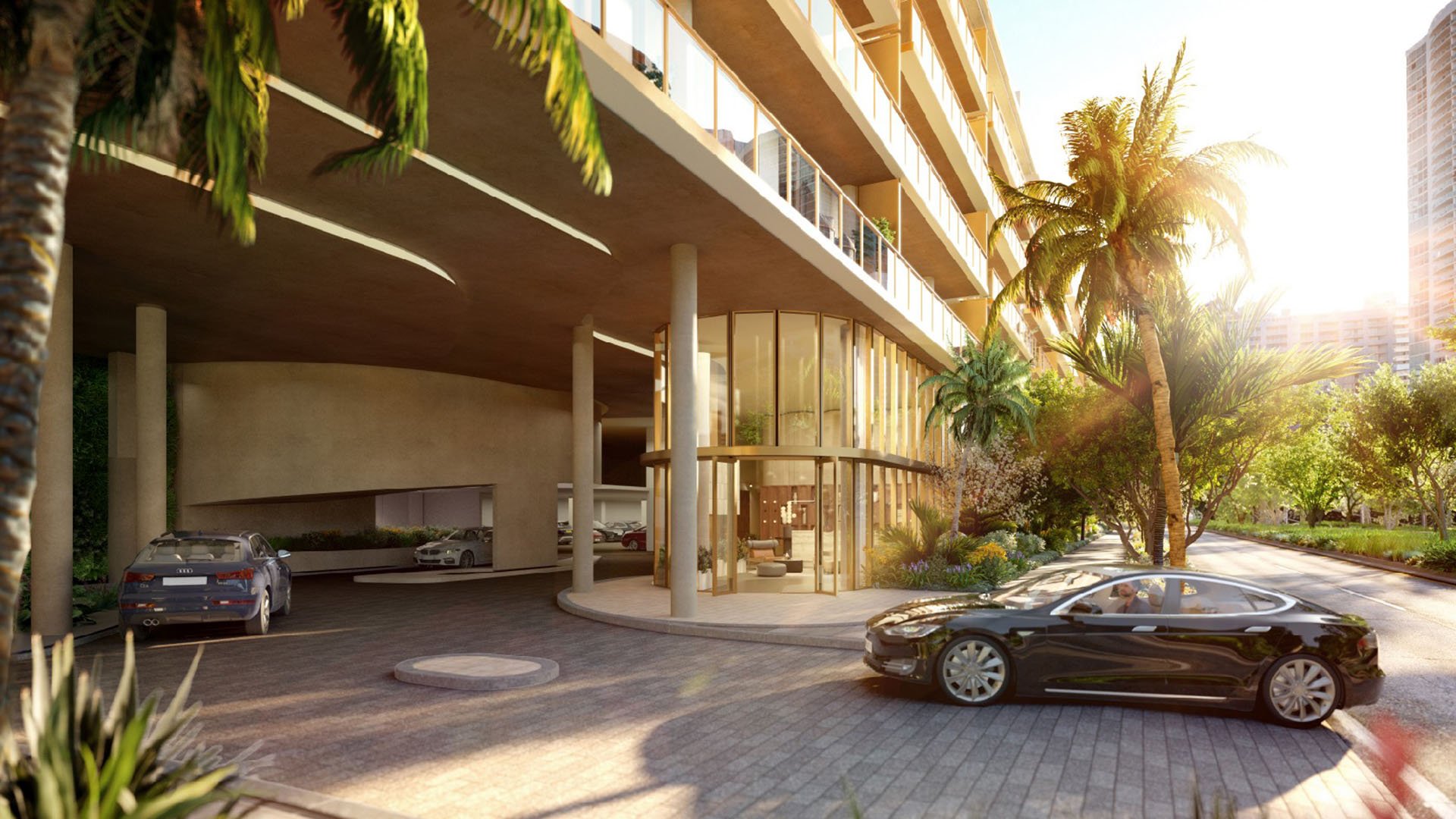
For a certain tier of South Florida buyer, a bayfront residence is not simply a view, a floor plate, or a branded address. It is a private operating environment. The question is not only whether the sunset is cinematic, but whether a house manager can receive vendors without disturbing guests, prepare the residence before an owner arrives, coordinate maintenance discreetly, and keep daily life moving without visible friction.
That is the difference between a residence that photographs well and one that lives beautifully. House-manager-friendly operations are especially important for owners who split time among several homes, travel frequently, entertain at scale, or maintain a staffed lifestyle. In this context, service access, storage, package handling, parking protocol, elevator logistics, pet movement, housekeeping rhythm, and privacy controls become as meaningful as finishes.
In South Florida, bayfront living takes many forms. Brickell, Miami Beach, Sunny Isles, Bal Harbour, Fort Lauderdale, and water-view searches each suggest a distinct relationship among water, mobility, density, and discretion. The smartest buyers evaluate those differences through an operational lens before falling in love with the view.
The ranking below focuses on residence profiles rather than unsupported building claims. For buyers who depend on a house manager, these are the five most important bayfront living formats to prioritize.
1. Full-service bayfront condominium residence - private service circulation
The strongest choice for a managed household is a full-service bayfront condominium residence with clear separation between owner arrival, guest arrival, and routine service activity. A house manager should be able to coordinate cleaners, florists, caterers, dog walkers, drivers, and maintenance technicians without routing every interaction through the most formal parts of the home.
Look closely at elevator strategy, loading access, staff sign-in procedures, package rooms, valet rules, and how the building handles recurring vendors. A beautiful lobby matters, but the backstage choreography often determines whether ownership feels effortless.
2. Large-format bayfront residence - generous back-of-house capacity
A large-format bayfront residence can be highly efficient when the plan includes real storage, a practical laundry zone, secondary refrigeration potential, and room for supplies that should not live in view. For a house manager, square footage helps only when it is allocated intelligently.
Buyers should study where linens, seasonal tableware, outdoor cushions, luggage, cleaning equipment, pet items, and owner-specific inventory will actually go. A dramatic great room is compelling, but the operational value is often hidden in closets, corridors, utility spaces, and service-adjacent rooms.
3. Bayfront residence with controlled privacy - owner discretion first
Privacy is not a single feature. It is the combined effect of arrival sequence, staff movement, terrace exposure, elevator access, acoustic separation, and how many people can observe the residence in daily use. For owners with household staff, privacy must protect both the family and the operating team.
The best bayfront residences allow a house manager to prepare the home, meet vendors, and coordinate service without turning the residence into a visible workplace. This is particularly important when owners entertain, host long-stay guests, or maintain a residence that must be ready for short-notice arrival.
4. Lock-and-leave bayfront residence - predictable maintenance rhythm
For seasonal and second-home owners, the most valuable residence may be the one that behaves predictably while unoccupied. House managers need dependable access, clear building communication, stable mechanical expectations, and the ability to perform regular checks without unnecessary complication.
The evaluation should include how the residence will be opened, closed, inspected, stocked, cleaned, and refreshed between visits. A bayfront setting adds beauty, but it also makes maintenance discipline essential. Terraces, exterior furnishings, glass, humidity management, and water-facing exposure all require a planned cadence.
5. Entertaining-oriented bayfront residence - service without interruption
For buyers who host dinners, family gatherings, philanthropic evenings, or extended guest stays, the most house-manager-friendly residence supports service while preserving atmosphere. Catering access, parking coordination, coat storage, powder room placement, terrace flow, and kitchen adjacency all matter.
The best entertaining residences allow staff to stage, serve, clear, and reset without forcing guests to experience the operational machinery. This is where luxury becomes quiet. The home feels composed because every functional requirement has somewhere to go.
A house manager reads a residence differently. Where a buyer may see a water view, a house manager sees glass-cleaning frequency, terrace furniture logistics, and how easily cushions can be protected before weather arrives. Where a buyer sees a sculptural kitchen, a house manager studies pantry capacity, delivery pathways, and whether caterers can work without occupying the family’s social space.
This perspective is valuable before contract, not after closing. The operational review should happen early enough to influence negotiations, design decisions, and move-in planning. Even small details can affect daily ease: where a vendor parks, whether a service elevator is conveniently located, how groceries move from car to pantry, and how quickly the residence can be readied for an owner returning from travel.
For bayfront buyers, the question is not whether staff can make the residence work. Excellent staff can make almost anything work. The better question is whether the residence helps them do it gracefully.
Begin with access. A house-manager-friendly residence should make it simple to bring people and goods into the home without compromising privacy. That means understanding arrival procedures, elevator permissions, delivery windows, service entrance rules, and how the building treats recurring vendors.
Then study storage. Luxury residences often underperform when there is no practical place for household inventory. Linens, entertaining pieces, cleaning supplies, pet equipment, luggage, owner wardrobes, wellness items, and terrace accessories all require homes of their own. If storage is improvised, the residence will feel less serene over time.
Next, evaluate staffing rhythm. Will the house manager need a workspace? Can household records, keys, vendor schedules, and inventory notes be maintained securely? Is there a discreet place for staff to pause during a long event or arrival day? These considerations may feel small, but they shape how polished the residence feels in use.
Finally, consider resilience. Bayfront ownership requires discipline around weather, humidity, exterior exposure, and routine upkeep. The ideal residence is not simply beautiful when staged. It is manageable in real life.
South Florida’s luxury buyers often maintain sophisticated lives across multiple locations. A bayfront residence may function as a primary home, a seasonal retreat, a family gathering point, or a private base for business and leisure. In each case, house-manager-friendly design protects time.
The most successful purchases are not always the most dramatic. They are the residences that reduce decision fatigue, preserve privacy, and allow trusted staff to execute consistently. When a home is operationally fluent, owners feel it immediately. Arrivals are smoother. Guests are better hosted. Maintenance is less intrusive. The residence remains ready without feeling overmanaged.
That is the quiet standard for the next generation of bayfront luxury: not more spectacle, but more control.
What makes a bayfront residence house-manager-friendly? It supports discreet access, vendor coordination, storage, maintenance, privacy, and daily service flow without interrupting the owner experience.
Should buyers evaluate operations before choosing a residence? Yes. Operational details are easiest to address before purchase, when layout, building rules, and service logistics can still inform the decision.
Is a larger residence always better for staffing? Not necessarily. Size helps only when storage, circulation, utility areas, and back-of-house functions are planned intelligently.
Why does service elevator access matter? It can make deliveries, housekeeping, maintenance, catering, and vendor visits more discreet and efficient for both owners and staff.
What should seasonal owners prioritize? Predictable access, inspection routines, humidity awareness, terrace care, secure storage, and clear communication protocols are especially important.
How important is storage in a luxury bayfront residence? It is critical. Without proper storage, household inventory spills into living areas and undermines the calm expected at this level.
Can an entertaining residence still feel private? Yes, if guest flow, catering access, parking coordination, and service zones are designed or managed with discretion.
What should a house manager review during a showing? Access routes, vendor rules, package handling, utility areas, closets, laundry capacity, terrace logistics, and maintenance requirements.
Does bayfront exposure change maintenance needs? Yes. Water-facing residences benefit from a disciplined plan for glass, terraces, furnishings, humidity, and routine exterior care.
What is the ultimate test of an operationally strong residence? The home should feel ready, private, and composed, even when many people are working behind the scenes.
When you're ready to tour or underwrite the options, connect with MILLION.
If branded residences are on your mind — as a home or as an allocation — we would be glad to share what we are seeing, privately.
Begin a quiet conversation