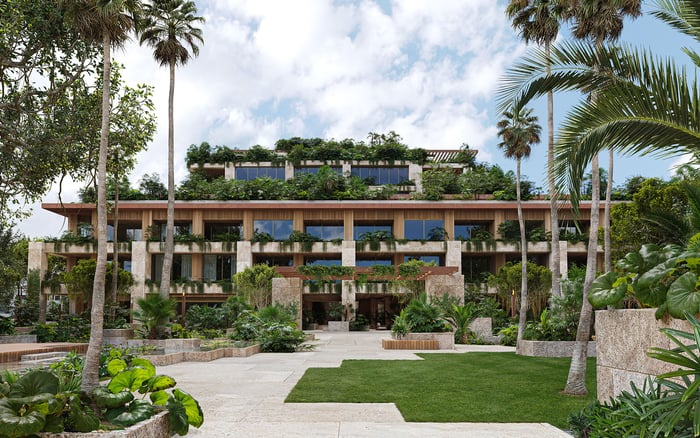
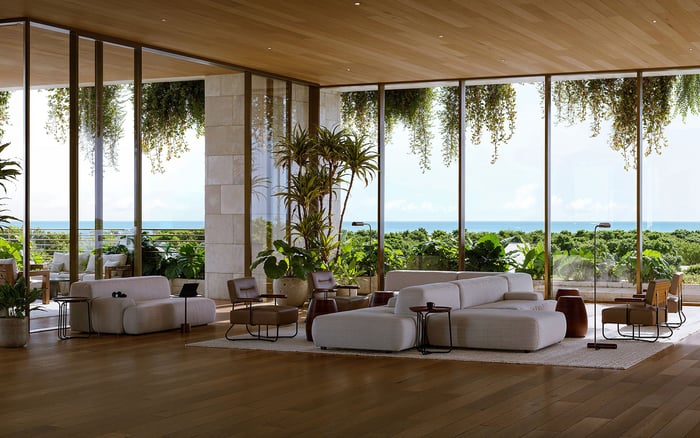
Avenia Aventura and Ziggurat Coconut Grove are best compared not as rivals on a price sheet, but as two different ownership models. One points toward a resort-scale Aventura lifestyle, while the other emphasizes Boutique privacy, design identity, and lower-density living in Coconut Grove.
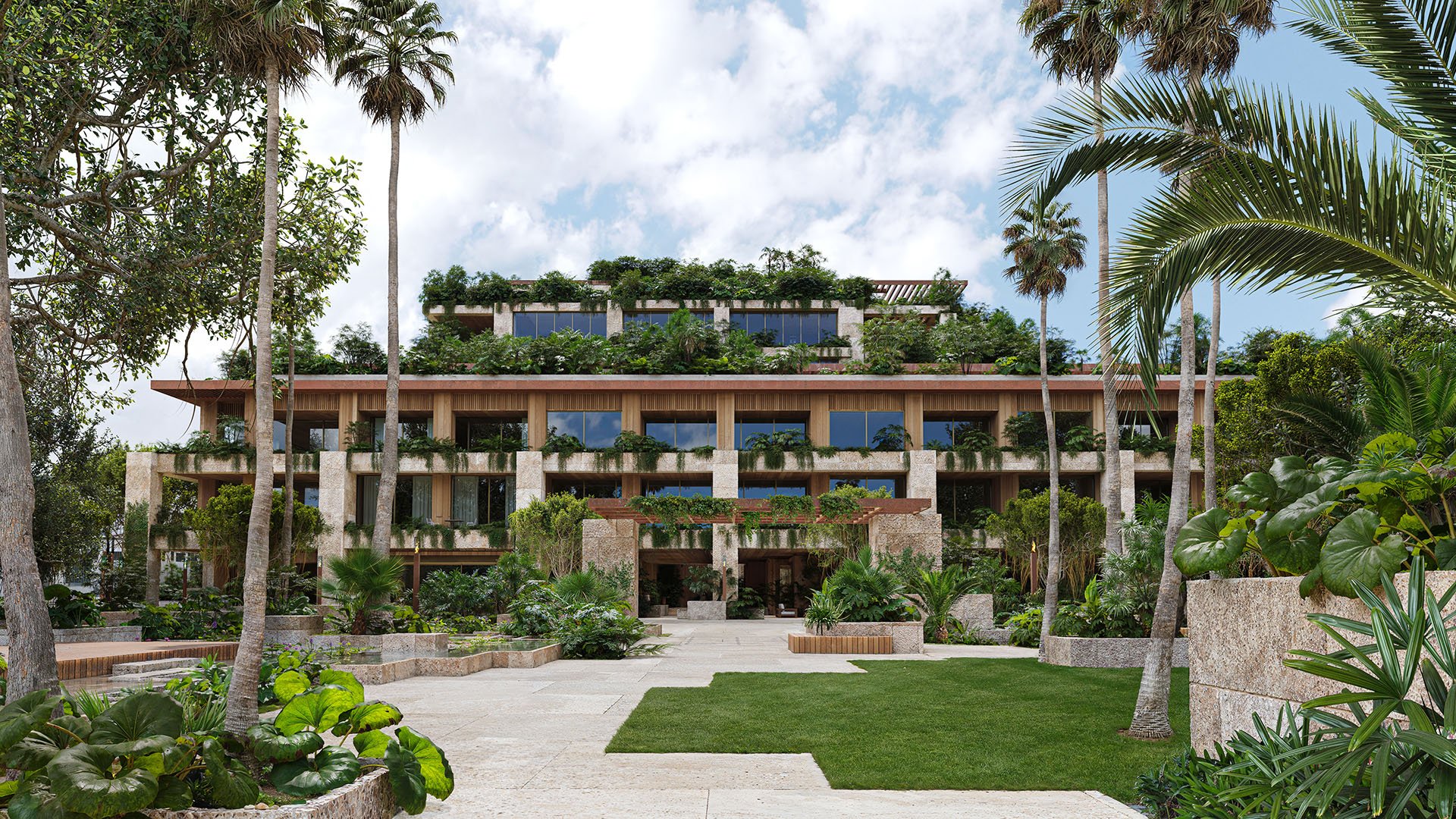
Avenia Aventura and Ziggurat Coconut Grove occupy different sides of the South Florida luxury-condo conversation. One is tied to the Aventura submarket, where buyers often expect a broader resort-style environment. The other belongs to Coconut Grove, where architecture, privacy, and a more intimate sense of place can carry as much weight as conventional amenities.
The more useful question is not which building is better. It is which ownership experience will feel better five years after closing. Amenity density, elevator performance, and owner control are not decorative details. They shape how a residence functions on ordinary mornings, during holiday weekends, when staff needs service access, when guests arrive, and when the association begins making long-term decisions.
That distinction is especially important for new-construction buyers, because the early marketing impression can be highly visual. Renderings may capture atmosphere, but they rarely reveal how many people will be competing for the same pool deck at peak hours, how vertical circulation is managed, or how much authority owners will have once the building matures.
Avenia Aventura represents the Aventura-side option in this comparison. Its appeal is rooted in the resort-scale condominium model many buyers associate with the area: broader amenity programming, a higher-service rhythm, and the convenience of keeping multiple lifestyle functions within the building.
That density can be highly attractive. For a buyer who wants the building to absorb daily life, fitness, lounging, hosting, wellness, and possibly work-from-home transitions, a larger amenity package can create genuine ease. The value is not simply that amenities exist. It is whether they are available when owners actually use them, whether the rules are intuitive, and whether the operating structure supports a premium experience without friction.
Diligence should go well beyond reading amenity names. Buyers should request clarity on the full amenity program, operating hours, reservation systems, guest policies, and whether any non-resident access is permitted. A resort-scale offering can feel expansive when managed well, but crowded or expensive when demand and rules are misaligned.
The Aventura lifestyle also tends to reward buyers who value immediate convenience over architectural solitude. Avenia Aventura may suit the owner who sees the building as a private club-like environment, not merely a vertical address. The tradeoff is that more programming can also mean more staffing, more maintenance, more rules, and more budget exposure over time.
Ziggurat Coconut Grove is the Coconut Grove-side project in this comparison. It is positioned as the more boutique, architecturally expressive archetype, with the conversation naturally shifting toward privacy, design identity, and lower-density living.
For some buyers, that is the entire point. A smaller or more curated amenity program may be preferable to a broad resort-style menu if the building feels calmer, easier to navigate, and more aligned with a discreet residential lifestyle. The question is not whether fewer amenities are inherently better. The question is whether the amenities offered are the ones the owner will actually use.
Coconut Grove also attracts buyers who are sensitive to atmosphere. The neighborhood’s residential character can make an architecturally distinct building feel more personal than a large amenity machine. In that context, Ziggurat Coconut Grove is not competing only on features. It is competing on daily mood, arrival sequence, privacy, and the sense that the building has a clear point of view.
The Coconut Grove shorthand in buyer conversations often points to this lower-density aspiration: more identity, less spectacle, and a preference for controlled access over constant activity. For owners who already belong to private clubs, entertain elsewhere, or travel frequently, a curated amenity program may be the more elegant form of luxury.
Elevator performance is one of the most underestimated parts of high-end condominium ownership. Long waits, weak separation between passenger and service circulation, or inefficient vertical movement can quickly erode the feeling of luxury, even in a beautifully finished building.
For Avenia Aventura, buyers should verify the number of passenger elevators, the service-elevator plan, the floors each elevator serves, any private-elevator access, and expected peak-hour traffic. A resort-scale building may need a more robust vertical strategy because more amenities, guests, staff, deliveries, and move-ins can increase pressure on circulation.
For Ziggurat Coconut Grove, the diligence is different but just as important. The buyer should test whether boutique density translates into shorter waits, better privacy, and less competition for service access. Lower density can be a meaningful advantage, but only if the elevator plan, service routing, and building operations support that promise.
This is where a private tour should become practical. Stand in the lobby. Ask how deliveries are routed. Ask how contractors reach residences. Ask what happens during move-in periods. Ask whether owners and service providers share the same circulation at sensitive times. The best buildings make these systems feel invisible.
Owner control is where the most polished sales presentation meets the long reality of condominium life. Declarations, board turnover timing, developer-retained rights, use restrictions, rental rules, assessment powers, and affiliated service contracts can all affect autonomy.
For Avenia Aventura, the governance review should focus on developer-retained rights, amenity-control provisions, rental rules, management agreements, and the association’s ability to fund a resort-scale experience responsibly. A large amenity platform can be a major asset, but only if owners understand who controls it, how it is paid for, and how rules can evolve.
For Ziggurat Coconut Grove, the review should emphasize board composition, owner voting rights, architectural-control rules, use restrictions, and any retained approvals. In a design-forward boutique building, control over alterations, aesthetics, leasing, and shared spaces can be especially consequential. The same rules that preserve character can also limit owner flexibility.
The sophisticated buyer reads governance documents with the same seriousness as floor plans. Finishes can be upgraded. Views can be admired. But control provisions determine how the building will be governed after the initial excitement has passed.
Choose Avenia Aventura if you want the energy and convenience of a more amenity-rich Aventura condominium experience, and if you are comfortable evaluating the operational and cost implications that come with scale. It is the more natural fit for owners who want services and shared spaces to support a full residential routine.
Choose Ziggurat Coconut Grove if your priority is privacy, design identity, and a more curated lifestyle in Coconut Grove. It may appeal to owners who prefer fewer touchpoints, less competition for shared spaces, and a building culture shaped by restraint rather than volume.
Neither path is inherently superior. The stronger purchase is the one whose daily mechanics align with the way you actually live.
Is Avenia Aventura the better choice for amenity-focused buyers? It may be the more natural fit for buyers who want a resort-scale amenity environment in Aventura, subject to reviewing rules, access, and operating costs.
Is Ziggurat Coconut Grove better for privacy? It is positioned around a more boutique, design-forward ownership model, so buyers should test whether its density and access plan support the privacy they expect.
Should elevator wait times be requested before signing? Yes. Buyers should ask about passenger elevators, service elevators, private access, floors served, and expected peak-hour traffic before relying on assumptions.
Why does service-elevator separation matter? Strong separation can protect privacy, reduce lobby friction, and keep deliveries, staff, contractors, and move-ins from disrupting the owner experience.
Are more amenities always better for resale? Not necessarily. Amenities can add appeal, but only if they are well used, well maintained, financially sustainable, and aligned with the building’s buyer profile.
What should Avenia Aventura buyers review in the documents? They should review developer rights, amenity-control provisions, rental rules, assessment powers, and management agreements with careful attention.
What should Ziggurat Coconut Grove buyers review in the documents? They should study board composition, owner voting rights, use restrictions, architectural-control rules, and any retained developer approvals.
Can a smaller amenity program feel more luxurious? Yes. If it improves privacy, access, calm, and consistency, a curated amenity program can feel more refined than a larger but busier package.
Is this mainly an Aventura versus Coconut Grove decision? Location matters, but the stronger distinction is ownership style: resort-scale convenience in Aventura versus boutique privacy and identity in Coconut Grove.
What is the smartest next step before choosing? Review the offering and governance documents, then compare how each building’s amenities, elevators, and control structure match your daily life.
For a discreet conversation and a curated building-by-building shortlist, connect with MILLION.
If branded residences are on your mind — as a home or as an allocation — we would be glad to share what we are seeing, privately.
Begin a quiet conversation