A discreet buyer-focused look at why full-time wellness routines are becoming part of the luxury residential underwriting conversation in South Florida.
The most sophisticated wellness conversation in South Florida real estate is no longer about whether a residence has a gym, spa room, pool, terrace, or cold plunge. It is about whether the home supports a full-time routine without friction. For buyers balancing work, travel, family, social obligations, and personal performance, wellness is becoming a household operating system rather than an occasional indulgence.
That shift matters because lifestyle decisions increasingly sit beside balance-sheet decisions. A residence that makes healthy routines easier can deliver daily utility, not just emotional appeal at the moment of purchase. The most compelling homes in 2026 are those that help owners protect time, reduce logistical drag, preserve privacy, and convert square footage into repeatable personal value.
This is not a case for gimmicks. Ultra-prime buyers are often allergic to features that feel overdesigned or performative. The stronger argument is quieter: a home that makes sleep, movement, recovery, nutrition, sunlight, and calm easier to maintain may prove more useful over a longer holding period.
A wellness-led residence begins with flow. The best plan does not force an owner to cross the entire home to move from bedroom to training space, from shower to wardrobe, or from terrace air to morning coffee. It lets the day unfold naturally. When the sequence is intuitive, routines become less dependent on discipline and more supported by design.
In Brickell, where professional intensity can be part of the appeal, wellness value often comes from reducing transition time. A short elevator ride to a quiet training area, a private space for stretching before calls, or a bedroom suite buffered from evening noise can be more meaningful than a dramatic amenity that is rarely used. In Miami Beach, the equation may lean toward light, air, water access, and restorative separation from the public realm.
The important distinction is frequency of use. A room that improves the first hour and last hour of every day may carry more practical value than a specialty feature used twice a year. Buyers should ask how a property will behave on an ordinary Tuesday, not only how it photographs during a showing.
The balance-sheet case for wellness is rooted in utility, adaptability, and durability of demand. A residence with flexible spaces can serve multiple life stages: a training room today, a meditation room tomorrow, a recovery lounge after travel, or a quiet study when family needs change. Flexibility reduces the risk of overpersonalization.
Investment-minded buyers tend to separate durable value from trend value. Durable value is tied to privacy, light, sound control, storage, outdoor usability, and the ability to maintain routines without outsourcing every need. Trend value may be a branded feature or unusual installation that feels current now but may age quickly.
Wellness also affects operating logic. A home that allows an owner to train, recover, host a private practitioner, prepare healthier meals, and decompress without leaving the property can reduce dependence on external appointments. That does not make the residence a financial instrument by itself, but it does make the ownership experience more complete. In luxury real estate, completeness is not a small matter.
The first underwriting question is privacy. Can wellness activities happen without exposure to neighbors, staff corridors, lobby traffic, or public amenity congestion? For many buyers, a private routine is the difference between consistent use and aspirational intent.
The second question is acoustics. A serene bedroom suite, quiet fitness area, and calm bath environment rely as much on sound as on materials. If the home cannot protect rest, the wellness proposition weakens.
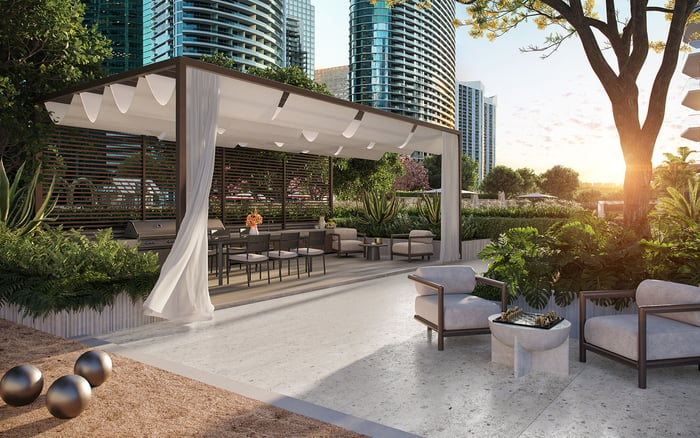
The third question is natural rhythm. Morning light, shaded afternoon areas, cross-breezes where available, and outdoor rooms with genuine usability can help a residence feel less sealed off. In oceanfront settings, buyers should look beyond the view itself and consider whether balconies, terraces, and interior seating areas are comfortable at the times they will actually be used.
The fourth question is serviceability. Can equipment be maintained discreetly? Is there storage for mats, recovery tools, towels, supplements, and sports gear? Are pets accommodated in a way that keeps daily routines elegant rather than improvised? The details may seem small, but the luxury experience is often won or lost in practical handling.
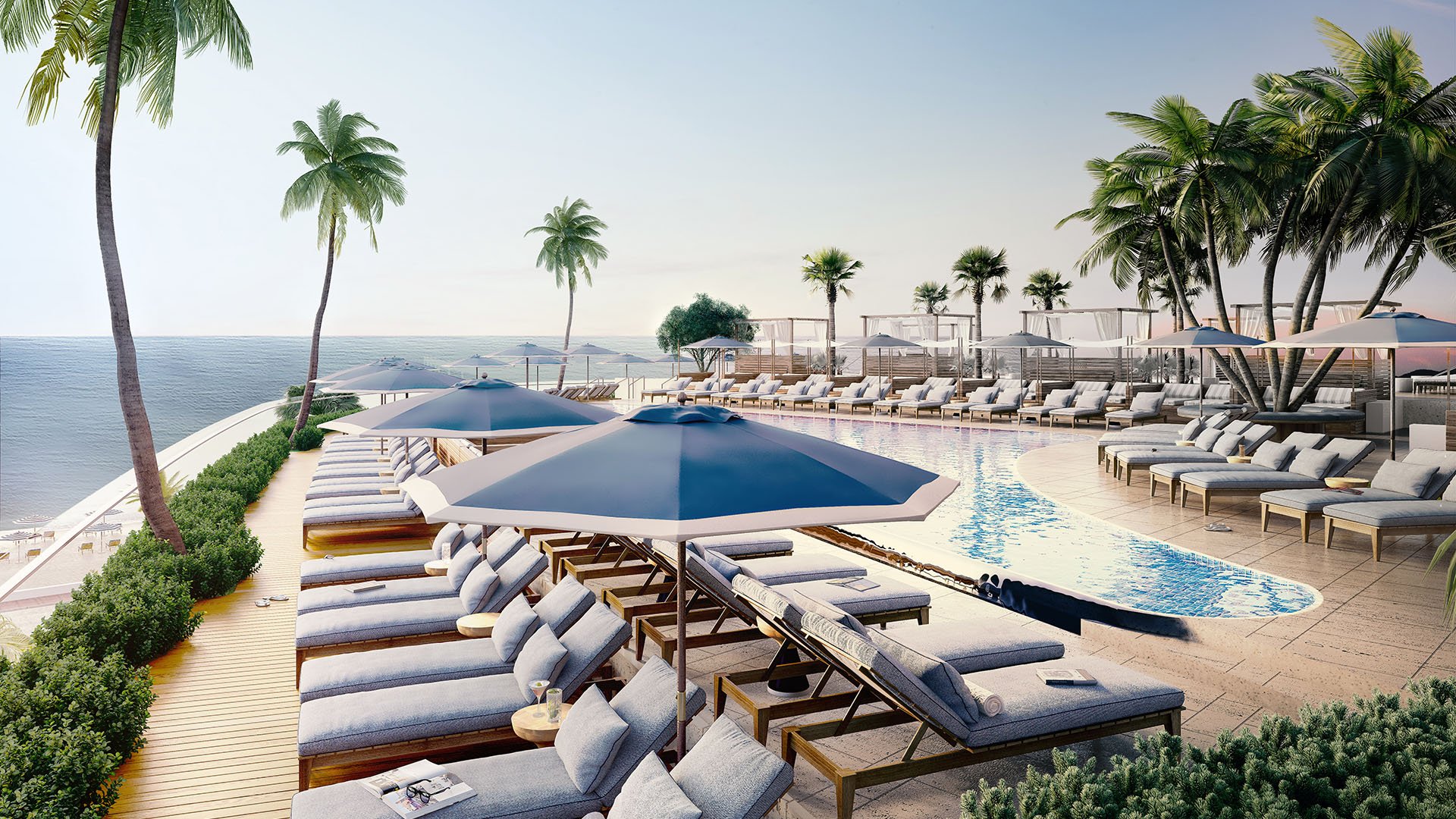
South Florida has an unusual advantage in the wellness conversation because the climate, water, and outdoor lifestyle already support movement and recovery. The best residences do not need to fabricate a wellness narrative. They simply need to frame the existing one intelligently.
In Coconut Grove, the appeal may be rooted in canopy, garden transitions, village-like calm, and a softer residential cadence. In Palm Beach, the emphasis may be discretion, established routine, and refined separation between public life and private life. In Brickell, wellness may mean the ability to remain centered amid intensity. Each market expresses the same principle differently.
New-construction buyers should be especially disciplined. A presentation center can make almost any feature feel essential. The more useful test is whether the residence will still support the owner’s routine after the novelty has faded. If the answer is yes, wellness becomes less of a sales phrase and more of an ownership advantage.
Consistency is the ultimate luxury. A full-time wellness routine depends on small decisions repeated well: where shoes are stored, how towels are handled, whether a terrace has shade, whether the kitchen encourages simple preparation, whether the primary suite invites sleep rather than stimulation.
The most successful homes allow these decisions to happen almost automatically. They avoid the need to negotiate with the property. Nothing feels like a workaround. The owner is not adapting to the residence; the residence is quietly supporting the owner.
For families, this can mean parallel routines. One person may train early, another may work privately, children may need calm study areas, and guests may require separation. A wellness residence is not only about the individual. It is about reducing friction across the household.
The lifestyle case for full-time wellness routines is immediate: better days, calmer transitions, more privacy, and a home that supports the way owners actually want to live. The balance-sheet case is more subtle but equally important: adaptable spaces, durable utility, and features that remain relevant because they are tied to daily use rather than fashion.
A discerning buyer should not be dazzled by every wellness label. The real question is whether the property can make good habits easier at scale, across months and years. In the upper tier of South Florida real estate, that may become one of the clearest markers of intelligent ownership.
Why are full-time wellness routines important for luxury buyers in 2026? They turn wellness from an occasional amenity into a daily advantage. The best residences support movement, recovery, privacy, and rest without adding logistical friction.
Is a private gym enough to make a home wellness-focused? Not necessarily. A true wellness residence also considers light, acoustics, air, storage, privacy, outdoor use, and the ease of moving through the day.
How should buyers evaluate wellness amenities? Buyers should ask how often each feature will be used and whether it improves ordinary daily life. Consistent utility is more important than spectacle.
Can wellness features support long-term property appeal? They can when they are flexible, discreet, and tied to daily living. Highly specialized features may be less durable if they cannot adapt to changing needs.
What matters most in a wellness-oriented floor plan? Flow matters most. The home should make it easy to move between sleeping, training, bathing, dressing, cooking, working, and outdoor spaces.
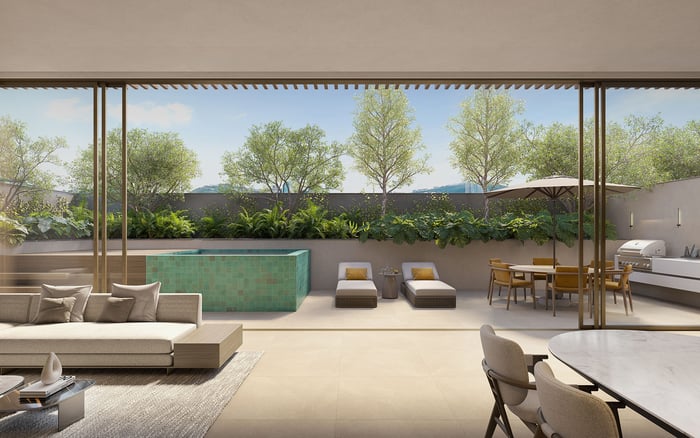
Are outdoor spaces part of the wellness equation? Yes. Usable terraces, shade, privacy, and comfortable seating can make outdoor living part of a daily routine rather than a decorative feature.
How does privacy affect wellness value? Privacy increases the likelihood that owners will actually use wellness spaces. If a routine feels exposed, it often becomes less consistent.
Should buyers prioritize branded wellness amenities? Branding can be attractive, but it should not replace practical evaluation. The best test is whether the amenity will remain useful after the initial novelty fades.
What is the biggest wellness mistake in luxury homes? The biggest mistake is treating wellness as a room instead of a system. Sleep, sound, storage, light, service, and movement all need to work together.
What is the best way to shortlist comparable options for touring? Start with location fit, delivery status, and daily lifestyle priorities, then compare stacks and elevations to validate views and privacy.
For a tailored shortlist and next-step guidance, connect with MILLION.
If branded residences are on your mind — as a home or as an allocation — we would be glad to share what we are seeing, privately.
Begin a quiet conversation