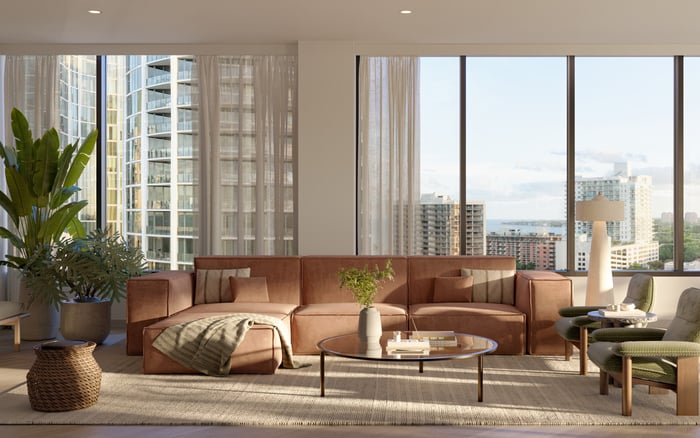
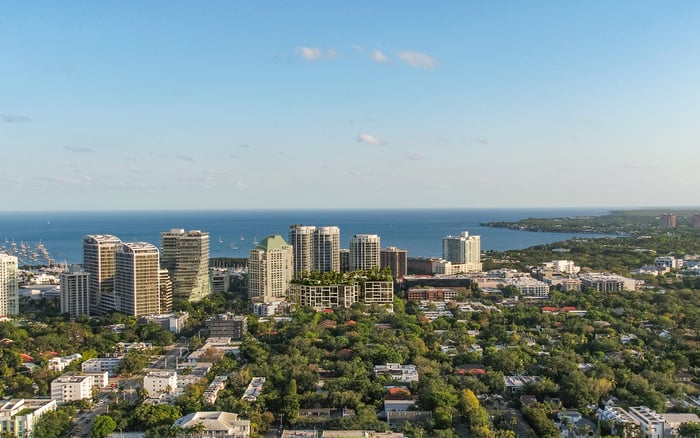
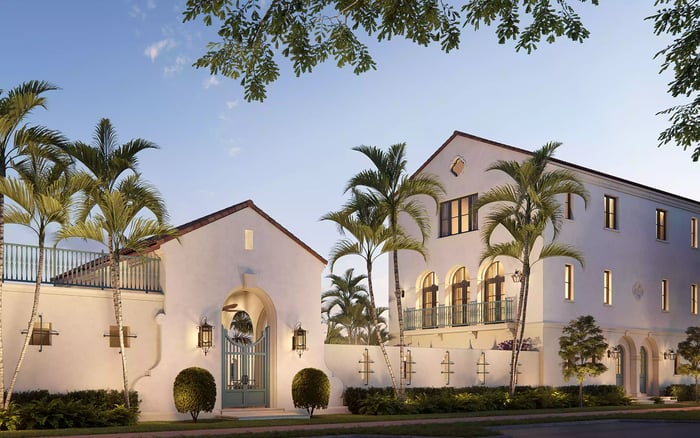
A discreet buyer’s guide to why family-focused South Florida neighborhoods can support both daily quality of life and long-term ownership discipline in 2026.
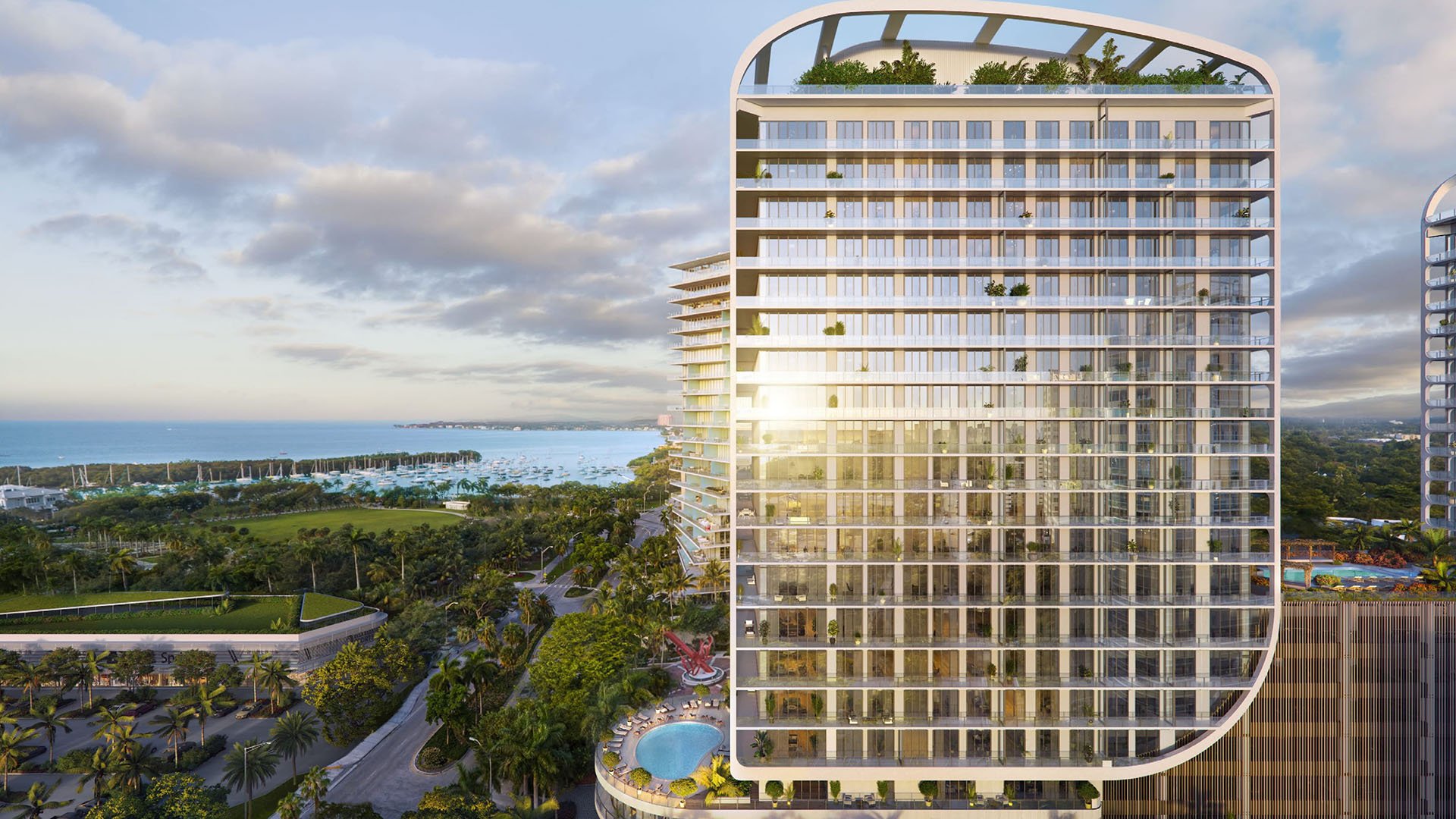
For affluent buyers, the family-focused neighborhood has become more than a sentimental choice. It is a discipline. In South Florida, where waterfront towers, resort amenities, and branded residences command attention, the quieter case for schools, parks, privacy, local dining, and everyday ease is often the more durable one.
In 2026, the strongest residential decisions are likely to be measured across two ledgers. The first is lifestyle: how a home supports school mornings, weekend sports, multigenerational visits, pets, wellness, and the simple pleasure of stepping outside without turning every errand into an event. The second is the balance sheet: how the asset may perform if the owner’s needs change, how broad the future buyer pool could be, and whether ongoing costs are aligned with long-term use.
This is why areas such as Pinecrest, Coral Gables, Coconut Grove, and Boca Raton remain central to the family conversation, even when buyers are also considering more vertical luxury. The decision is rarely city versus suburb. More often, it is a question of how much daily life the address can absorb gracefully.
Luxury buyers often describe family neighborhoods in aesthetic terms: shade, architecture, gardens, privacy, a sense of arrival. Yet the deeper value is time. A well-chosen address can reduce friction across the day. School drop-off feels less punitive. Dinner can be local. Children can grow into a place rather than simply occupy it. Guests can be hosted without compressing the household.
That convenience is not the same as density. A neighborhood can feel calm while still being connected to culture, dining, clubs, waterfront life, and business districts. For many families, this balance is the new luxury standard: not isolation, but selectivity. The best address allows a full life without forcing the household to overmanage every movement.
There is also an emotional dividend. Buyers who plan to use a home intensively often care about continuity. They want a property that can accommodate changing ages, shifting schedules, visiting relatives, remote work, and periods of entertaining. A home that can flex over time is not merely comfortable. It can be strategically protective, because the owner is less likely to outgrow it too quickly.
A family-focused home should still be underwritten with discipline. The first question is not whether the neighborhood is beautiful. It is whether the property has a clear audience beyond the current owner. Homes with practical layouts, strong indoor-outdoor relationships, functional parking, sensible bedroom distribution, and proximity to daily services can appeal to a wider set of future buyers.
That matters because resale optionality is one of the quiet strengths of family-oriented real estate. A highly personalized trophy home may be extraordinary, but its exit pool can be narrow. A well-located family residence, by contrast, may attract primary users, relocating executives, education-driven buyers, multigenerational households, and owners seeking more space without leaving South Florida’s cultural orbit.
The investment lens should also include carrying costs. Insurance, maintenance, landscaping, staffing, association fees where relevant, and capital improvements all affect the real return of ownership. A property can be emotionally compelling and still require restraint if its recurring obligations are misaligned with use. The most sophisticated buyers are not simply asking what they can buy. They are asking what they will be pleased to own through different market moods.
The family-focused thesis does not exclude condominium living. In fact, some buyers compare single-family homes with full-service residences because they want security, amenities, lock-and-leave convenience, or a second South Florida base. The important distinction is whether the surrounding environment supports family life beyond the building itself.
Names such as The Village at Coral Gables, Four Seasons Residences Coconut Grove, The Well Coconut Grove, and Glass House Boca Raton belong in that broader conversation because they reflect how luxury buyers now think across formats. A residence can be attached to a service culture while still drawing value from neighborhood identity. The right fit depends on school needs, privacy expectations, outdoor space, pet routines, staff requirements, and how often the property will be occupied.
For some households, a condominium near a beloved district is the more rational choice. For others, a gated estate, a renovated classic home, or a new construction residence with a generous yard will be the better long-term instrument. The point is not to favor one format. It is to recognize that family utility has become a serious luxury metric.
Begin with the week, not the weekend. A home may seduce during a Saturday showing, but ownership is lived Monday through Friday. Test the commute rhythm, school access, grocery routes, evening noise, guest parking, and the way natural light moves through the rooms at the times the family will actually use them.
Then examine the home’s adaptability. Can a bedroom become a study? Can grandparents visit comfortably? Is there a place for a tutor, trainer, chef, or caregiver to function without disrupting the household? Is outdoor space useful or simply decorative? Is the pool visible from the main living areas? Does the floor plan make sense for children as they age?
Finally, evaluate the exit. A property that is too idiosyncratic may require a very specific buyer later. A property that combines privacy, utility, architectural coherence, and neighborhood credibility is usually easier to understand. In luxury real estate, clarity is valuable. The future buyer should be able to see the same lifestyle thesis quickly.
The family buyer in 2026 is not retreating from luxury. They are refining it. The priority is less about excess and more about control: control of time, environment, privacy, education, wellness, and future optionality. In this context, the most compelling neighborhoods are not merely prestigious. They are legible. They explain themselves through daily life.
That is why the family-focused purchase deserves a place beside any discussion of waterfront views or architectural pedigree. The best address is the one that can hold a household’s present rhythm while preserving choices for the future.
What defines a family-focused luxury neighborhood? It combines privacy, daily convenience, school access, outdoor space, and a sense of continuity that supports household routines.
Is a single-family home always better for families? Not always. Some families prefer service-rich condominium living if the building and surrounding neighborhood fit their routines.
Why does resale optionality matter? It helps ensure the property can speak to a broader buyer pool if the owner’s needs change.
Should buyers prioritize schools or architecture? The strongest purchases usually reconcile both, pairing a livable home with a location that supports the family’s daily structure.
How should carrying costs be evaluated? Buyers should consider insurance, maintenance, staffing, landscaping, association fees, and likely capital improvements before committing.
Can a family-focused property still feel highly luxurious? Yes. Luxury is increasingly defined by privacy, function, calm, and the ability to live beautifully without unnecessary friction.
What floor-plan features matter most? Flexible bedrooms, work areas, storage, indoor-outdoor flow, and separation between entertaining and private spaces are especially useful.
Why is neighborhood identity important? A clear neighborhood identity can make a property easier to understand, enjoy, and ultimately reposition for future buyers.
How should buyers compare Pinecrest with more urban options? They should compare daily routines, privacy needs, school priorities, commute patterns, and the level of service they expect at home.
What is the best way to shortlist comparable options for touring? Start with location fit, delivery status, and daily lifestyle priorities, then compare stacks and elevations to validate views and privacy.
For a confidential assessment and a building-by-building shortlist, connect with MILLION.
If branded residences are on your mind — as a home or as an allocation — we would be glad to share what we are seeing, privately.
Begin a quiet conversation