A discreet allocation guide for Dubai-connected buyers redeploying northern estate proceeds into Coconut Grove, with emphasis on tax residency, liquidity, insurance, ownership structure, and long-term carrying costs.
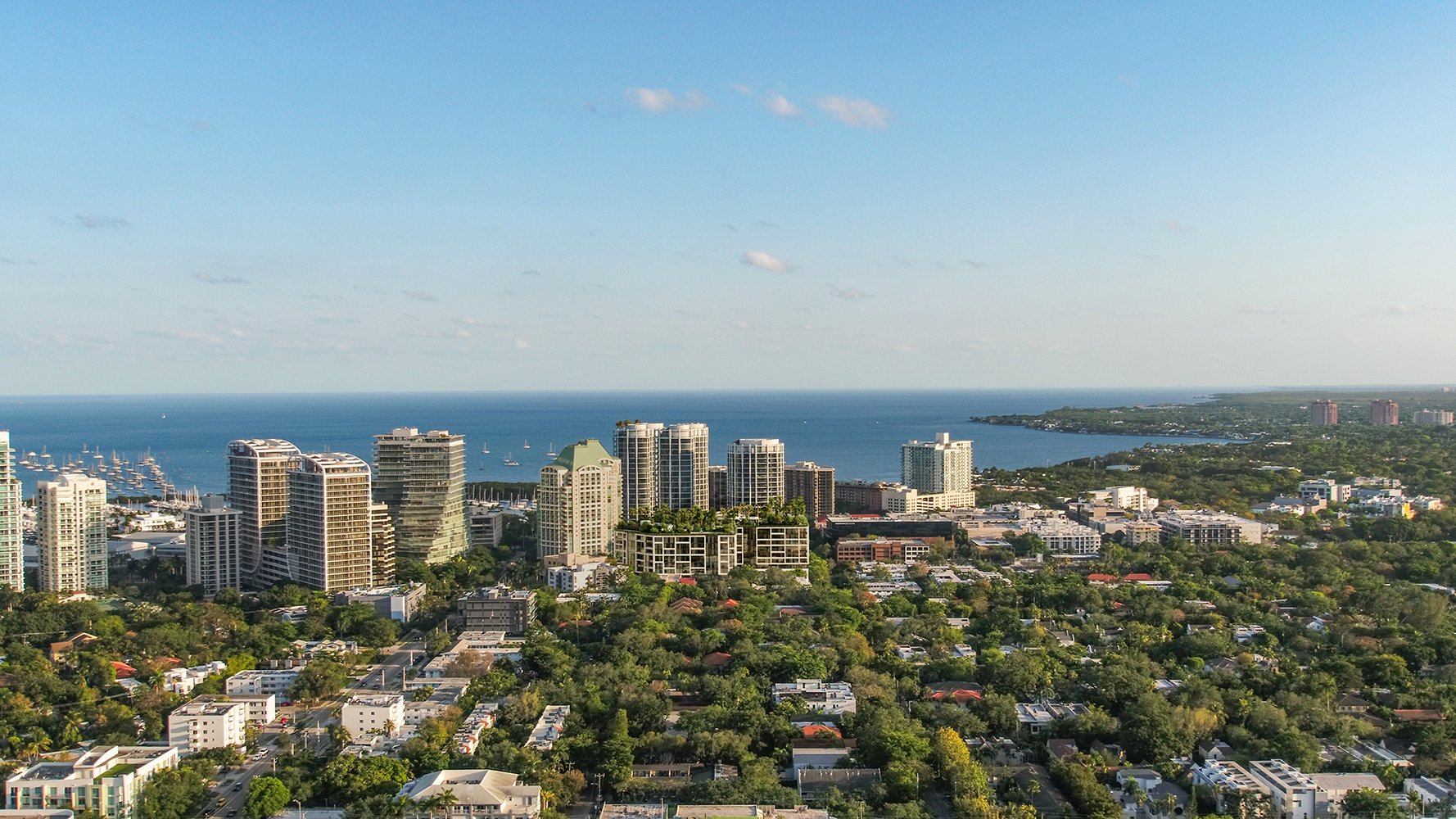
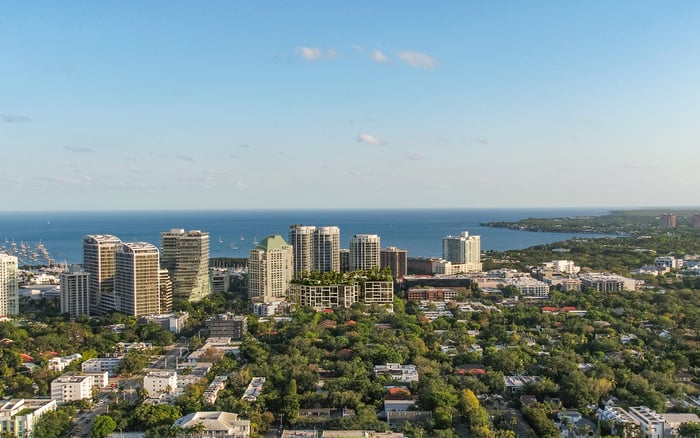
For a buyer moving capital from Dubai to Coconut Grove after selling a northern estate, the central question is rarely, “How much home can I buy?” It is more precise: “How much capital should remain flexible once the home is secured?” Coconut Grove offers a residential rhythm far removed from Dubai’s more master-planned luxury districts. It is bayfront, green, walkable and intimate, with parks, marinas, restaurants and village-style amenities woven into daily life.
That lifestyle appeal can make a full-cash purchase emotionally compelling. Yet a disciplined buyer should separate prestige from allocation. Sale proceeds from a northern estate may arrive as a single large pool, but before contract signing they should be divided into four working buckets: purchase equity, liquidity reserve, tax and property-cost reserve, and diversified investable capital.
Dubai-based buyers may be accustomed to the UAE’s lack of personal income tax. A move into the United States can introduce federal tax-residency analysis, day-count planning and reporting duties. Florida does not impose a state individual income tax, a meaningful advantage compared with many northern U.S. states, but that does not eliminate federal considerations.
The federal substantial presence test can be triggered by time spent in the country. For globally mobile families dividing time among Dubai, Miami, New York, London or Europe, calendar discipline is not administrative trivia. It can shape how much liquidity should remain outside the real estate purchase and how reporting obligations are coordinated.
If the northern estate was a primary residence, sellers may qualify to exclude up to $250,000 of gain, or up to $500,000 for certain married couples filing jointly, if ownership and use requirements are satisfied. The final taxable gain depends on basis, capital improvements, selling expenses and exclusion eligibility. That calculation should be completed before deciding whether to pay entirely in cash in Coconut Grove.
The first bucket is purchase equity. This is the amount committed to the home itself, whether as all cash or as equity alongside financing. Cash creates certainty in a competitive negotiation, but tying up too much capital can leave the family underprepared for taxes, insurance, renovation, household staffing, security, philanthropy and market opportunities.
The second bucket is a liquidity reserve. For ultra-high-net-worth buyers, this is not simply emergency money. It is a strategic buffer for foreign-exchange timing, capital calls, aviation, school transitions, health planning, family-office administration and the first year of Miami living. A buyer arriving from Dubai may also need to coordinate foreign bank accounts and U.S. reporting. U.S. persons with foreign accounts can have reporting obligations if aggregate foreign account values exceed $10,000 at any time during the year.
The third bucket is a tax, insurance and maintenance reserve. Florida documentary stamp tax applies to many deeds and financing documents, so the acquisition structure can change closing-cost allocation. Property taxes in Miami-Dade should be modeled before the offer becomes final. A qualifying primary residence may benefit from homestead exemption, and the Save Our Homes benefit generally limits annual assessed-value increases for homesteaded property to 3 percent or the change in CPI, whichever is lower. Eligibility and filing requirements matter.
The fourth bucket is diversified investable capital. This is where the family preserves optionality beyond the residence. Investment discipline is especially important after selling a large northern estate, because the liquidity event can create a false sense that all proceeds should be converted into lifestyle property.
Foreign nationals can own property in Dubai in designated freehold areas, so Dubai-based buyers should not assume the same ownership-zone framework applies in Miami. Coconut Grove is not approached as a freehold-zone map. The questions are instead title, contract terms, association documents, financing, insurance, tax residence, estate planning and whether the asset is held individually, through an LLC, a trust or another structure.
Cash buyers should also plan for residential real estate reporting rules that target certain non-financed transfers to legal entities and trusts. For buyers using family entities, private trusts or foreign structures, this is not a last-week closing issue. It belongs in the first conversation with counsel and the family office.
Estate and gift tax rules should also be reviewed before acquiring Miami property. The ideal structure for privacy may not be the ideal structure for transfer planning, financing, tax reporting or future resale. A refined purchase is one in which the legal architecture is as considered as the architecture of the residence.
Coconut Grove offers a rare mix of canopy, bay access and privacy, with new residences designed for buyers who want Miami without the vertical intensity of Brickell. For those prioritizing full-service living with Grove scale, Four Seasons Residences Coconut Grove can sit naturally in the discussion of hospitality-influenced ownership.
Buyers seeking boutique intimacy may evaluate Arbor Coconut Grove as part of a broader search for lower-density living. Wellness-led buyers may consider The Well Coconut Grove when daily routines, privacy and health-oriented amenities carry equal weight with location. New-construction timing, deposit schedules and delivery risk should be matched against the seller’s tax calendar and liquidity needs.
Some families will still compare the Grove with Brickell for convenience, finance-sector access and skyline living. A project such as St. Regis® Residences Brickell may appeal to buyers who want branded service in a more urban setting, while Coconut Grove often speaks to buyers who value discretion, schools, boating, garden space and a softer arrival home.
Coconut Grove’s waterfront and near-water appeal requires serious diligence. Miami-Dade flood and storm-surge exposure should be reviewed before closing, particularly for bayfront or near-bay residences. Flood maps are a key tool for determining flood-zone status and possible flood-insurance requirements.
Florida insurance conditions should be modeled early. Homeowners coverage, windstorm coverage, deductibles and flood coverage can materially affect annual carrying cost. For a cash buyer, the absence of a lender does not remove the economic need for protection. Self-insuring should be an intentional balance-sheet decision, not a default because no mortgage company demanded a policy.
This is where allocation becomes practical. If the property needs elevated systems, impact upgrades, generator planning, seawall review or specialized maintenance, the reserve bucket should be sized before closing. The most sophisticated buyers do not let the purchase price obscure the operating profile.
After selling a northern estate, it can be tempting to equate confidence with deploying maximum cash. In Coconut Grove, confidence is better expressed through structure. How much equity belongs in the home? How much liquidity supports the first 24 months? How much is reserved for federal tax, Florida closing costs, property tax, insurance and improvements? How much remains invested outside real estate?
The answer depends on residence status, family mobility, asset location, risk tolerance and long-term estate objectives. A buyer arriving from Dubai should coordinate tax counsel, immigration counsel, estate counsel, insurance advisors and real estate representation before the offer, not after acceptance.
In practical Coconut Grove planning, the winning purchase is not simply the one with the strongest bid. It is the one where the home, ownership structure and capital stack remain elegant after the closing dinner.
Does Florida tax personal income? Florida does not impose a state individual income tax, but federal tax rules can still apply.
Can time spent in Miami affect tax residency? Yes. Federal day-count rules can trigger U.S. tax-residency analysis for globally mobile buyers.
Should I buy in Coconut Grove with all cash? All cash can strengthen execution, but buyers should preserve liquidity for taxes, insurance, maintenance and investment flexibility.
Can a home-sale gain from a northern estate be excluded? Some primary-residence sellers may exclude up to $250,000 of gain, or $500,000 for qualifying married couples filing jointly.
What closing costs should buyers model in Florida? Documentary stamp tax can apply to many deeds and financing documents, so structure and financing choices matter.
Does homestead exemption automatically apply? No. Buyers must meet eligibility and filing requirements before receiving qualifying benefits.
Why does Save Our Homes matter? For homesteaded property, it generally limits annual assessed-value increases to 3 percent or CPI change, whichever is lower.
Is flood due diligence important in Coconut Grove? Yes. Waterfront and near-water properties should be reviewed for flood-zone and storm-surge exposure before closing.
Do entity purchases create reporting considerations? Certain non-financed transfers to entities and trusts can trigger residential real estate reporting rules.
Should estate planning happen before purchase? Yes. Ownership through an individual, LLC, trust or foreign structure can affect tax, privacy and transfer planning.
For a tailored shortlist and next-step guidance, connect with MILLION.
If branded residences are on your mind — as a home or as an allocation — we would be glad to share what we are seeing, privately.
Begin a quiet conversation