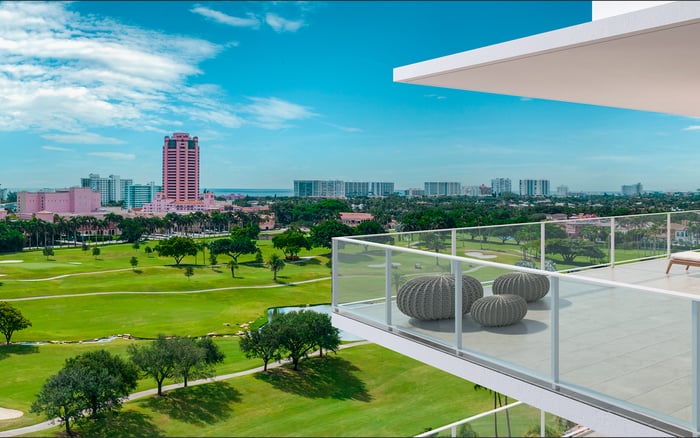
A disciplined guide to reviewing the everyday rules that can shape luxury condominium ownership in Boca Raton, from pet access and service-elevator scheduling to guest parking and closing protections.
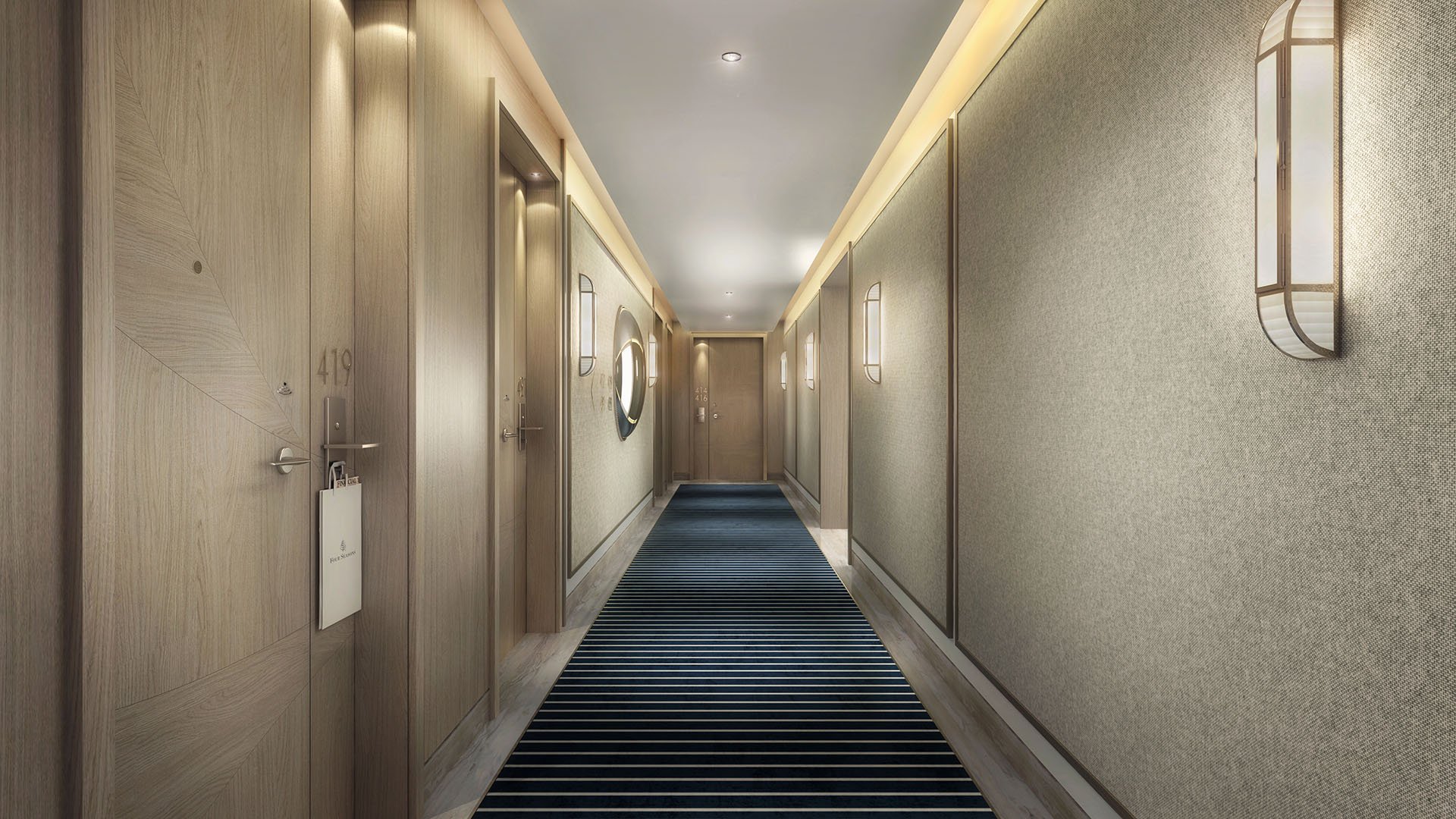
In Boca Raton, a beautifully resolved residence is only part of the purchase. The less visible layer-declarations, bylaws, rules, operating procedures, and management practices-can determine how gracefully a property supports daily life. For a buyer who travels with household staff, welcomes family for extended stays, owns more than one vehicle, or considers pets nonnegotiable, the fine print is not administrative clutter. It is part of the asset.
This distinction is especially important when comparing Alina Residences Boca Raton with other local options. Marketing may introduce the architecture and amenities, but a careful buyer should establish separately which lifestyle expectations are protected by governing documents, which are subject to management procedures, and which may change through future association action.
A disciplined review translates every rule into a real-life scenario. Could a dog return from a wet walk without crossing a formal lobby? Can an art installer reserve an elevator at the necessary hour? Where does a visiting driver wait when guest spaces are occupied? Precision now prevents friction later.
A building described conversationally as pet friendly may still impose detailed conditions. Request the current declaration, rules, application forms, and any schedules governing animals. Then examine the number of permitted animals, weight or size language, breed-related provisions, registration steps, deposits, insurance requirements, and rules for movement through common areas.
Access deserves equal scrutiny. Ask whether animals may use passenger elevators, whether a service elevator is required, and which entrances connect most directly to outdoor relief areas. Consider the route during rain, late-night walks, maintenance closures, and periods when an elevator is reserved. Buyers considering Glass House Boca Raton should request building-specific answers rather than import assumptions from another condominium, even one nearby.
Also distinguish ordinary household pets from assistance animals. The categories should not be casually conflated. If an accommodation is relevant, have qualified counsel review the applicable process and documentation rather than rely on an informal summary.
The service elevator is a critical piece of residential infrastructure. Its dimensions, protection requirements, reservation system, operating windows, deposits, and staffing protocols can affect furniture delivery, renovations, catering, floral installations, luggage handling, and routine vendor access.
Ask management for the written procedure, then test it against likely events. A second-home owner may consolidate deliveries into a narrow arrival window. A full-time resident may need recurring access for housekeepers, pet care, or private chefs. A collector may require careful scheduling for art or wine storage. In each case, confirm lead times, blackout periods, holiday restrictions, fees, and who may make a reservation.
When touring The Residences at Mandarin Oriental Boca Raton, or any service-oriented residence, observe the complete back-of-house sequence. Follow the path from the loading area to the residence door. Note turns, thresholds, door widths, staging areas, security checkpoints, and whether vendors can work without disrupting the principal arrival experience. The elegance of service often depends on circulation that guests never see.
Guest parking should be evaluated as a system, not an amenity label. Determine whether spaces are self-park, valet controlled, shared, assigned, or subject to time limits. Ask how overnight guests are registered, whether household staff use the same allocation, and what happens during holidays, private events, or periods of high occupancy.
The practical questions are exacting. Can a resident authorize a visitor remotely? Is there a limit on consecutive nights? Are oversized vehicles accepted? Where do caregivers, contractors, and drivers wait? If valet hours change, what alternative applies? Buyers comparing Mr. C Residences Boca Raton should seek written confirmation of the procedures relevant to their household rather than infer them from the arrival design.
Parking also intersects with privacy. Consider how names, license plates, keys, and access credentials are handled. A gracious arrival should feel effortless to the guest while preserving control for the resident and the building.
Begin with the full governing package and amendments, then request current rules, fee schedules, applications, move and delivery forms, renovation procedures, parking protocols, and pet materials. Review minutes and available disclosures with appropriate legal and financial advisers. Verbal explanations can clarify current practice, but material conclusions should align with written authority.
Create a concise matrix for each residence under consideration. Separate fixed physical conditions, documented rules, management practices, and open questions. This approach applies equally to new-construction and resale purchases because the diligence issue is the same: identify what is established, what is provisional, and what remains discretionary.
For households with staff or frequent visitors, schedule a second visit at a realistic time rather than limiting the review to a polished presentation. Observe loading activity, valet flow, elevator demand, dog circulation, and front-desk coordination. Among practical buyer's guides, the most valuable principle is simple: inspect the residence as you intend to live in it.
Before contractual deadlines expire, direct unresolved issues to the appropriate professionals. Counsel can interpret governing language and proposed contract protections. An insurance adviser can address coverage questions. A designer or mover can assess elevator and access constraints. Management can explain procedures, but buyers should determine which answers are binding and which reflect current practice.
Keep a written log of questions, responses, and supporting documents. If a pet exception, parking arrangement, storage right, or delivery accommodation is essential, do not leave it as a casual assurance. The objective is not to make ownership rigid. It is to ensure that the quiet choreography of luxury living suits the household from the first arrival onward.
What pet documents should a buyer request? Request the current governing provisions, rules, registration forms, fee schedules, and any written access procedures.
Is a building described as pet friendly enough? No. Confirm limits, routes, elevator use, registration, and enforcement in the applicable documents.
Why inspect the service elevator before buying? Its size, route, scheduling, and operating rules can affect moves, deliveries, renovations, and recurring household services.
Should elevator dimensions be verified? Yes. Have movers, designers, or installers assess clearances when large furnishings or artwork are contemplated.
What should buyers ask about guest parking? Confirm capacity, authorization, valet procedures, overnight limits, vehicle restrictions, fees, and overflow arrangements.
Do household staff usually count as guests? Treatment can vary, so request the building's written parking and access procedures for employees and recurring vendors.
Can management practices change? Practices may evolve. Distinguish current operations from rights or restrictions established in governing documents.
Are verbal assurances sufficient for an essential accommodation? They should not substitute for document review and appropriate contractual or legal protection.
Does this diligence matter for a seasonal residence? Yes. Concentrated arrivals, deliveries, visitors, and service appointments can make operational rules especially consequential.
Who should review unresolved condominium questions? Engage qualified legal, financial, insurance, design, and moving professionals as the issue requires.
For a tailored shortlist and next-step guidance, connect with MILLION.
If branded residences are on your mind — as a home or as an allocation — we would be glad to share what we are seeing, privately.
Begin a quiet conversation