A discreet buyer’s guide for London purchasers evaluating full-service condominium towers in Brickell, with focus on lifestyle, tax context, governance, resilience, rental rules, and resale discipline.

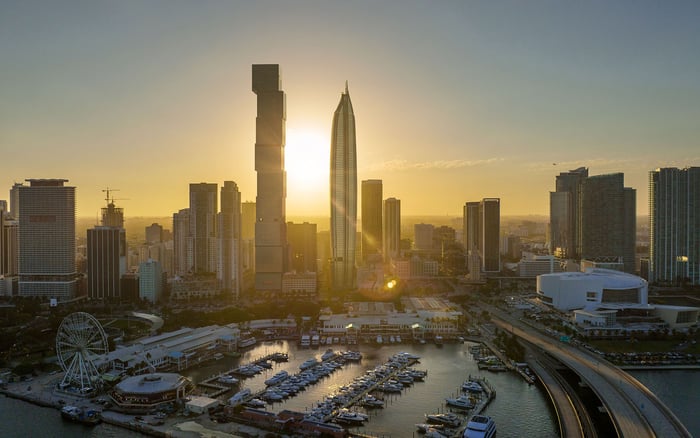
For a London buyer, Brickell is more than a warmer address. It is Miami’s most concentrated expression of urban luxury: high-rise living, restaurants, shopping, nightlife, financial energy, and proximity to Biscayne Bay compressed into a vertical city. The rhythm may feel familiar, but the atmosphere is distinct. Brickell carries the pulse of a city core with the leisure access of a resort market.
That dual identity is why full-service towers deserve close scrutiny. A buyer is not simply purchasing a private residence; they are choosing a building ecosystem. The concierge desk, valet sequence, arrival court, spa, pool deck, security protocol, package handling, staffing culture, and association governance all shape daily life. Even the most polished tower can disappoint if its rules, finances, or service model do not match the way an owner intends to live.
This is a practical Buyer's Guides framework for choosing well. It is especially relevant for London purchasers weighing a Miami base against an existing UK home, a second-home strategy, or a longer-term investment position in South Florida.
Brickell rewards precision. A residence near Brickell City Centre offers immediate retail and dining gravity, while a more bay-oriented position may feel quieter and more residential. Both can be correct. The sharper question is whether the owner values daily walkability, waterfront outlooks, fast access to meetings, or a more discreet arrival sequence.
The Metromover’s service through Brickell and Downtown Miami supports a more car-light lifestyle than many South Florida markets. For London buyers used to moving through a city by transport, pavement, and short rides, that distinction matters. Still, Miami remains a car-oriented region, so parking access, valet reliability, guest procedures, and ride-share flow should be evaluated in person.
When considering options such as 2200 Brickell or Cipriani Residences Brickell, the relevant comparison is not only floor plan versus floor plan. It is the lived route from lobby to restaurant, from garage to lift, from pool deck to private residence, and from weekend quiet to weekday intensity.
The phrase full-service is used broadly. London buyers should define it before touring; otherwise, every marble lobby can feel persuasive. At a minimum, the buyer should understand staffing coverage, security procedures, valet operations, amenity access, guest registration, pet rules, private event rules, package logistics, maintenance response, and the way management communicates with owners abroad.
Service also has a financial spine. A beautifully staffed building depends on budgets, reserves, insurance planning, and board discipline. Florida condominium ownership is governed by a statutory framework that makes declarations, bylaws, budgets, reserves, insurance, and association governance central to due diligence. These documents are not administrative clutter; they are the operating manual for the lifestyle being sold.
For buyers considering towers such as Baccarat Residences Brickell or St. Regis® Residences Brickell, branding and design language should be only one layer of review. The deeper questions are how services are funded, how rules are enforced, how reserves are handled, and whether the association structure supports the owner’s expectations over time.
Florida does not impose a personal income tax, a meaningful contrast for many London-based buyers. It should not, however, be treated as a complete tax conclusion. UK residence, domicile, ownership structure, income tax exposure, Council Tax considerations, and other obligations may remain relevant depending on the buyer’s circumstances. Stamp Duty Land Tax and the Annual Tax on Enveloped Dwellings also make UK property ownership structurally different from buying a Miami condominium.
In Miami-Dade, property taxes are recurring annual ownership costs and should sit in the same model as HOA dues, insurance, utilities, maintenance, and possible assessments. Buyers should understand that assessed values used for local property-tax purposes require separate attention and may not be analyzed solely by reference to the purchase price.
Currency is another quiet variable. A London buyer purchasing in US dollars carries GBP/USD exposure at acquisition, during ownership, and on resale. A favorable exchange rate can soften the entry point; an unfavorable move can alter the true sterling cost. The same logic applies at exit. Resale proceeds in dollars may look strong locally while translating differently back into pounds.
A full-service tower is a private residence inside a collective structure. That is the essential difference from a London freehold house or a more autonomous ownership model. Before closing, the buyer should review the condominium declaration, bylaws, budget, reserve position, insurance arrangements, meeting records, and house rules.
Rental rules deserve particular attention. If an owner expects to offset carrying costs, host family members, or use the home seasonally, the association’s rental policies can determine whether the plan is viable. Rules may affect minimum lease periods, approval processes, guest access, pet occupancy, move-in procedures, and the level of flexibility available to nonresident owners.
New-construction buyers should also distinguish between the sales gallery experience and the eventual operating culture of the building. The finishes may be visible immediately, but the quality of governance reveals itself over time. In a tower such as The Residences at 1428 Brickell, as with any condominium purchase, the buyer’s legal and financial team should examine the documents rather than relying on presentation alone.
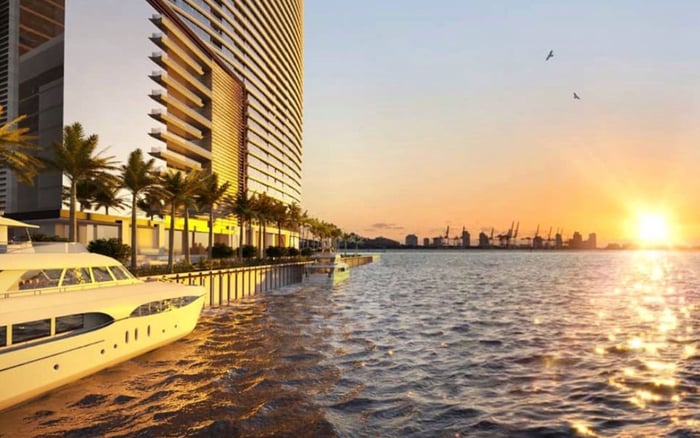
Brickell’s waterfront proximity is part of its appeal, but climate resilience is not optional due diligence. Sea-level rise, flood exposure, storm readiness, insurance costs, ground-floor infrastructure, garage design, mechanical systems, and emergency procedures all influence long-term ownership quality. Buyers should review flood-map information and ask how a building handles water, power, access, and recovery after severe weather.
The better question is not whether Miami has climate considerations. It does. The better question is whether a specific tower has treated resilience as an operational priority. Elevated infrastructure, disciplined maintenance, insurance planning, and clear storm protocols can be as important as view corridors or amenity design.
Resale should be considered from the first viewing. The most liquid Brickell residences tend to align lifestyle, service, location, cost discipline, and governance. A high floor or dramatic outlook may help, but the future buyer will also care about carrying costs, association health, rental flexibility, building reputation, and confidence in long-term operations.
For London purchasers, the strongest choice is rarely the loudest one. It is the tower that makes sense in daily use, survives financial scrutiny, and remains legible to the next international buyer.
Is Brickell a practical choice for London buyers without a car? Yes. Brickell’s density, walkable retail and dining, and Metromover access can support a more car-light Miami lifestyle.
Does Florida’s lack of personal income tax eliminate UK tax exposure? No. UK residence, domicile, ownership structure, income, and other obligations may still need separate advice.
What carrying costs should I model before buying? Model property taxes, HOA dues, insurance, utilities, maintenance, and any current or future assessments.
Why are condominium documents so important? They define the building’s rules, budgets, reserves, insurance approach, governance, and owner obligations.
Should I prioritize amenities or governance? Both matter, but governance determines whether amenities remain well funded, well staffed, and well maintained.
How should currency risk be handled? Model the purchase and eventual exit in both US dollars and sterling, since exchange-rate moves can materially change returns.
Are rental rules important for a second home? Yes. Rental limits, approval procedures, and guest policies can affect flexibility, income planning, and family use.
What resilience questions should I ask? Ask about flood exposure, storm procedures, insurance, parking, mechanical systems, and ground-floor infrastructure.
Is Brickell more business district or lifestyle district? It is both. Brickell combines finance-oriented urban energy with restaurants, shopping, nightlife, and bay proximity.
What makes a full-service tower a strong resale candidate? Strong candidates combine location, service quality, manageable costs, sound governance, rental clarity, and long-term resilience.
For a tailored shortlist and next-step guidance, connect with MILLION.
If branded residences are on your mind — as a home or as an allocation — we would be glad to share what we are seeing, privately.
Begin a quiet conversation