For South Florida luxury buyers, elevator backup is a resilience, access, and valuation issue that should be reviewed before closing, not discovered during the first extended outage.
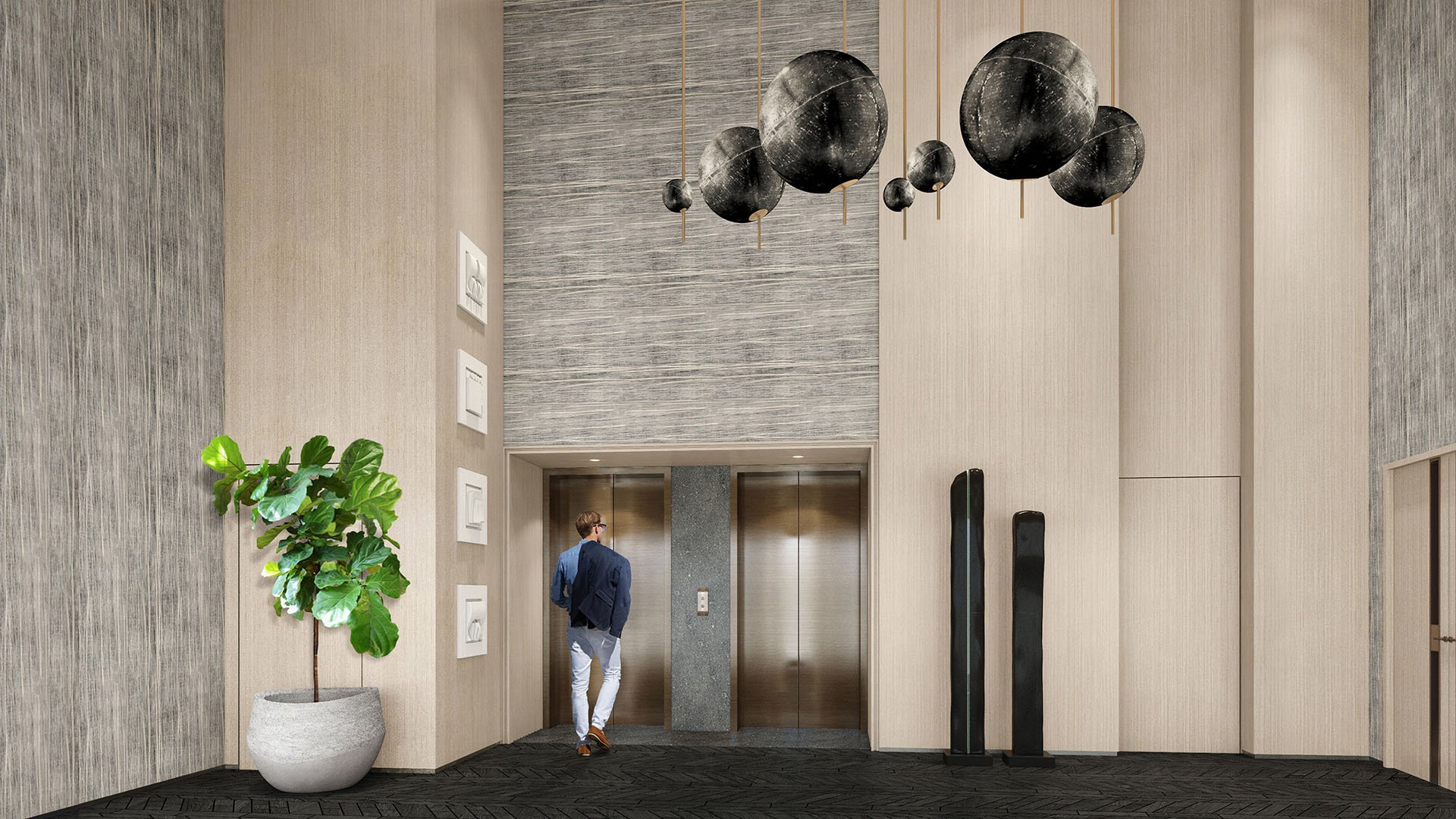
In South Florida luxury real estate, the elevator is often presented as a design gesture: a private foyer, a hushed ride, a seamless arrival from valet to residence. Before closing, it deserves a more serious lens. Elevator backup is not a minor building-system detail. It is a question of access, resilience, habitability, and negotiating leverage.
Hurricane-season planning can expose the difference between a residence that is physically intact and one that is difficult to use during a prolonged utility disruption. Power interruptions can affect lighting, communications, refrigeration, medical equipment, security routines, and the practical use of upper-floor homes. In a waterfront or urban tower, a high-floor residence may remain beautifully finished while becoming difficult, or impossible, for some residents to reach.
That distinction matters to buyers comparing trophy-level vertical living at The Residences at 1428 Brickell, ocean-facing buildings in Sunny Isles, or boutique coastal addresses. The question is not whether the lobby feels calm on a blue-sky afternoon. It is whether the building can preserve usable vertical access when the city around it is under stress.
Many buyers ask one question: does the building have a generator? It is a starting point, not a diligence standard. A generator may serve life-safety systems, emergency lighting, fire equipment, limited ventilation, pumps, selected common areas, or only certain elevator functions. Minimum compliance does not necessarily mean every passenger elevator will operate normally during an outage.
The better question is operational: how many elevator cars can run, for how long, on which transfer equipment, under what priority sequence, and with what fuel plan? If one car is programmed to serve emergency responders, another is available intermittently for residents, and the remaining cars are parked, the lived experience is very different from full building service.
Buyers should also ask whether elevator controls, communications, machine-room equipment, and related electrical loads are connected to standby power. A tower can have backup generation while still carrying constraints that are not obvious in sales materials. In the luxury tier, where privacy and convenience are part of the premium, those constraints belong in the price discussion.
Elevator backup becomes especially consequential for residents with mobility limitations, elderly family members, young children, medical needs, live-in staff, or care teams. A staircase that is technically available may not be a practical option. The building’s emergency plan should address residents who cannot use stairs, including communication procedures, assistance protocols, and documentation of support needs before a storm occurs.
For buyers considering high-floor or Penthouse living, this is not a remote concern. It is part of daily risk management, especially for seasonal owners who may have family members, guests, or staff in the residence when they are away. In the most refined buildings, resilience is invisible until it is needed. Then it becomes one of the property’s most valuable amenities.
This is why purchasers looking at Bentley Residences Sunny Isles or The Ritz-Carlton Residences® Sunny Isles should evaluate backup access with the same seriousness they bring to views, ceiling heights, service standards, and garage configuration. No buyer should assume that brand prestige or architectural ambition automatically answers the elevator-resilience question.
Elevator diligence should move beyond a casual conversation with a sales associate, property manager, or front desk team. The goal is not to create alarm; it is to understand how the building is designed, tested, documented, and operated when normal power is not available.
Request current elevator certificates, recent inspection history, open violations, service contracts, modernization plans, generator test records, fuel-capacity details, transfer-switch information, and the written outage protocol. Ask whether elevator service has been tested under generator load, whether the association or operator maintains documented procedures, and whether staff are trained to manage resident access during a prolonged outage.
For condominium purchases, association records and financial materials can be particularly revealing. Budgets, reserves, meeting minutes, contracts, and capital plans may indicate whether elevator modernization, generator upgrades, deferred maintenance, or related electrical work could become a future cost. A pristine residence can still carry exposure if the vertical-transportation system requires substantial investment after closing.
The hidden cost of weak elevator backup is rarely limited to inconvenience. It may include temporary relocation, delayed access to the unit, additional staffing burdens, lost use of the residence, compromised care routines, emergency logistics, and post-closing assessment exposure. For a buyer who expects a lock-and-leave lifestyle, these costs can feel especially disproportionate because they appear only after ownership transfers.
There is also a valuation issue. A high-floor residence commands a premium because of views, privacy, light, and separation from the street. If the building cannot maintain practical access during an extended outage, that premium deserves closer scrutiny. The market may still value the home highly, but the buyer should understand the resilience profile and price it accordingly.
This is particularly relevant in New-construction towers, where buyers may be reviewing proposed systems and association budgets before all operating history exists. It is also relevant in Resale acquisitions, where inspection records, service contracts, and reserve planning can show whether the building has kept pace with its own vertical demands.
Elevator resilience is easiest to address while the buyer still has leverage. Before closing, backup-system gaps can support additional technical review, seller disclosures, repair credits, escrow arrangements, contract conditions, or a more conservative valuation. After closing, the same issue becomes an ownership concern shared through association governance, reserves, assessments, and the pace of capital planning.
The conversation should be direct but refined. Buyers do not need to appear alarmist. They need to be precise. Ask for written documentation rather than verbal assurances. Confirm how resident elevator service is prioritized during an outage. Identify whether fuel supply, generator capacity, and transfer equipment are adequate for the building’s stated protocol. Review whether the emergency plan addresses residents who cannot use stairs.
In Brickell, where towers define much of the luxury skyline, purchasers comparing Una Residences Brickell with other waterfront or financial-district addresses should consider elevator backup part of the building’s infrastructure narrative. Along the coast, buyers studying The Perigon Miami Beach should apply the same lens to storm planning, power continuity, and upper-floor access.
The most sophisticated buyers understand that luxury is not simply a finish package. It is continuity. It is the ability of the property to remain usable, orderly, and discreet under pressure. In South Florida, that includes the resilience of vertical transportation.
A building may be architecturally exceptional, beautifully staffed, and positioned in one of the region’s most coveted markets. Still, if its elevator backup is ambiguous, the buyer has an unanswered question. The answer may not change the decision to purchase. It may change the price, the contingency structure, the insurance conversation, or the level of comfort with the association’s long-term capital plan.
Before closing, elevator backup should sit beside title, insurance, reserves, structural condition, and governance as a core diligence item. Once the deed changes hands, ambiguity becomes cost. In the ultra-premium market, the better move is to understand the vertical-access story before the first storm tests it.
Does a building generator mean the elevators will work? Not necessarily. Buyers should confirm which elevator loads are connected, how many cars can operate, and under what protocol.
Why is elevator backup especially important for high-floor buyers? High-floor homes offer privacy and views, but they also increase dependence on reliable vertical access during outages.
Should Penthouse buyers ask different questions? Yes. Penthouse buyers should focus on access during prolonged outages, emergency procedures, and whether service is continuous or limited.
What documents should a buyer request? Request elevator certificates, inspection history, violations, service contracts, generator test records, fuel details, and outage protocols.
Can weak elevator backup affect value? Yes. If access is uncertain during outages, the issue can influence valuation, negotiations, credits, or closing conditions.
Is this only a concern in older Resale buildings? No. Resale properties may reveal operating history, while New-construction buyers should verify proposed systems and budgets.
What should mobility-sensitive buyers review? They should review written emergency plans, communication procedures, assistance protocols, and practical alternatives to stair use.
Can association reserves reveal elevator risk? Yes. Budgets and reserves may show whether modernization, generator work, or deferred maintenance could become a future cost.
Should buyers rely on verbal assurances from building staff? No. Verbal comfort should be supported by written records, testing documentation, and clear operating procedures.
When should elevator backup be evaluated? It should be evaluated before waiving diligence contingencies, while the buyer can still negotiate terms or request additional review.
For a discreet conversation and a curated building-by-building shortlist, connect with MILLION.
If branded residences are on your mind — as a home or as an allocation — we would be glad to share what we are seeing, privately.
Begin a quiet conversation